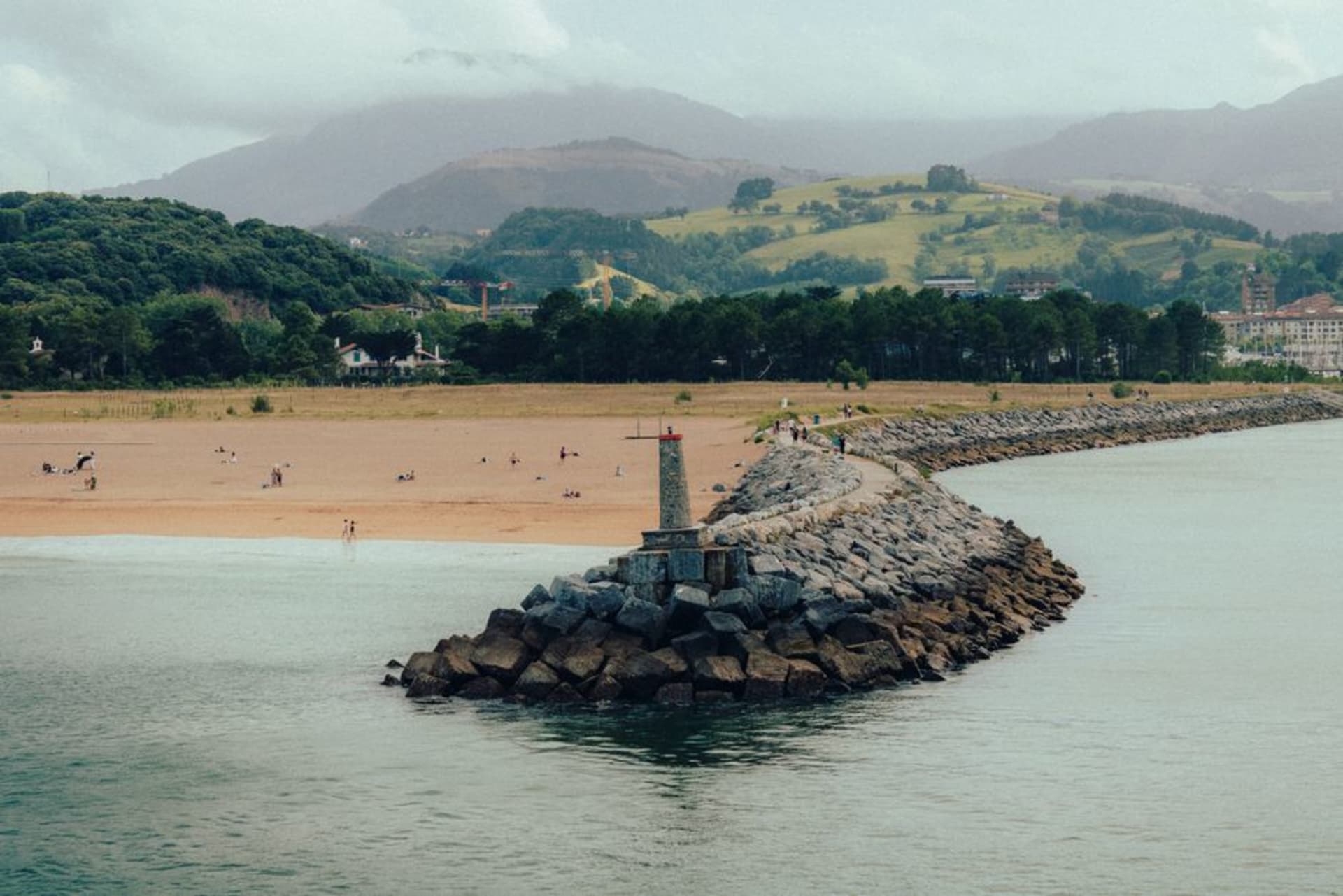
Zumaia (Flysch Coast)
"We came for the dinosaurs' ending and left thinking about our own smallness."
A striped wall of cliffs recording 60 million years of Earth's history, rising above a beach where Lia and I lost track of the tide.
I’ll admit I didn’t know what “flysch” meant before Lia pulled up a photo on her phone one rainy afternoon in San Sebastián and said we had to go. An hour’s drive later, standing on Itzurun beach in Zumaia, I understood: the cliffs here aren’t just cliffs, they’re pages. Thin stacked bands of limestone, sandstone, and clay run in tight ribs along the coastline, each layer a slice of seafloor deposited over something like 60 million years. It’s the kind of scale that makes you go quiet for a second — I actually stopped talking mid-sentence, which Lia still brings up.
We’d timed our visit for low tide, on the advice of someone at our hotel, and it made all the difference. The water pulls back far enough to expose wide shelves of rock you can walk across, right up to the base of the cliffs, close enough to run your hand over layers that were forming while dinosaurs were still alive. At the Algorri interpretation center in town, a guide pointed out a specific dark seam in the rock — the boundary marking the asteroid impact that ended the Cretaceous, the actual line in stone where that world stopped. I’ve read about that extinction event my whole life in an abstract way; seeing it as a physical mark under my fingers was different.
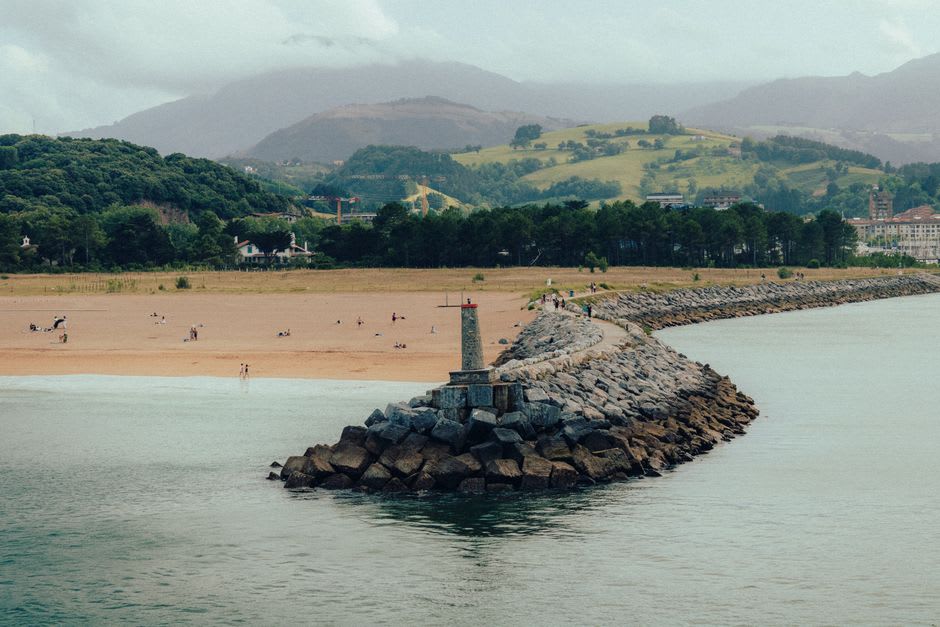
Itzurun beach itself has a second life as a filming location — Lia, who has watched every season of Game of Thrones twice, recognized it immediately as Dragonstone from the seventh season, and spent a good ten minutes reenacting a scene while I laughed and took photos. It’s a strange, fun layer on top of the geology: fiction stacked on 60 million years of fact, in a spot that’s now protected as part of the Geoparkea UNESCO Global Geopark.
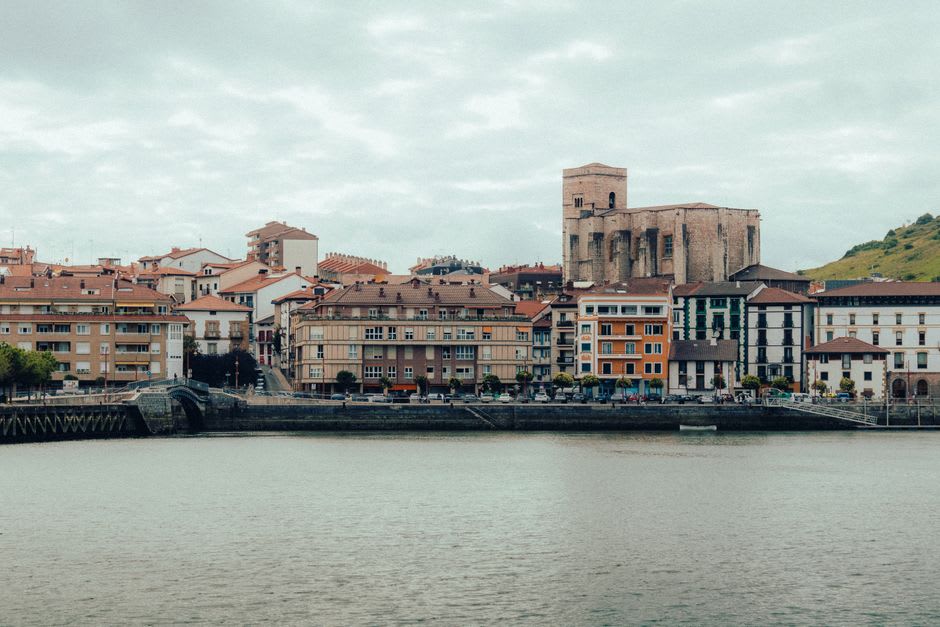
Before heading back, we wandered up into Zumaia’s small working port and ducked into the San Pedro church, which from the outside gives no hint of what’s inside — one of the largest Baroque altarpieces in the Basque Country, gold and dense and completely unexpected after an afternoon spent among bare rock. We ate grilled anchovies at a bar near the harbor, still a little sandy, still talking about the asteroid line.
When to go: Time your visit around low tide — check local tide tables before you go, since the best cliff and rock-formation walks only open up when the water retreats — and aim for April to October, when the coast is calmer and the paths are easier underfoot.
Keep exploring
More from Basque Country
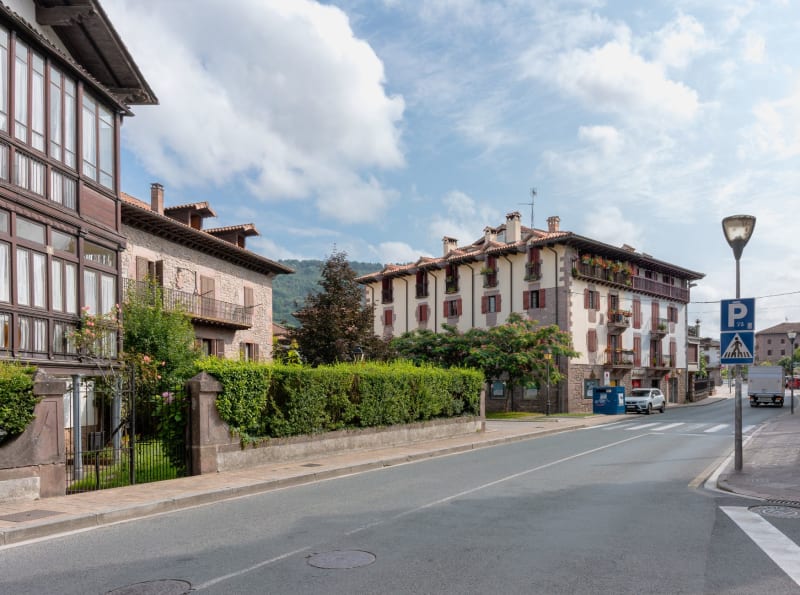 basque-country
 Arantzazu
A modernist basilica at the end of a mountain road in a gorge that makes you question everything you thought you knew about sacred architecture.
Explore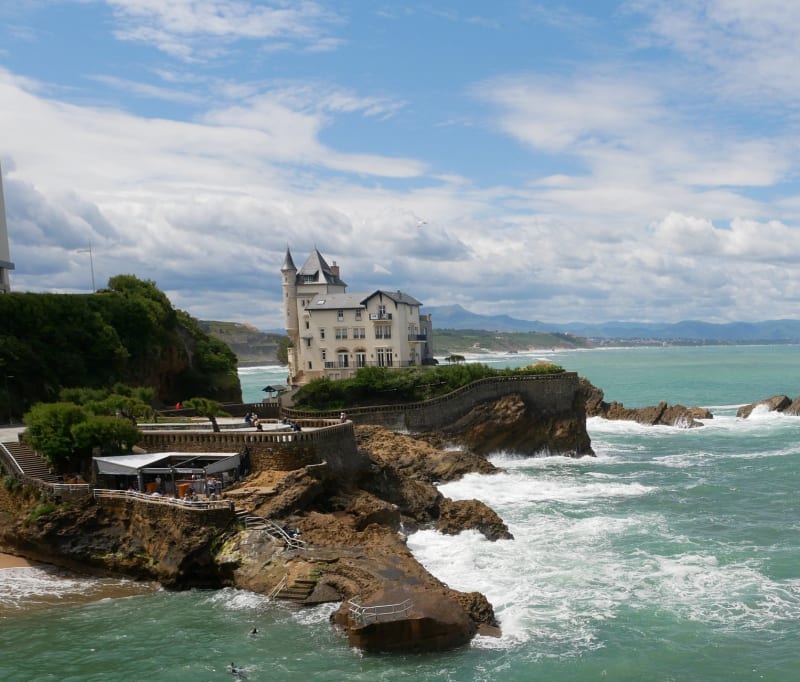 basque-country
 Biarritz
A Belle Époque resort where French elegance and Basque stubbornness collide in a surf town that refuses to pick a lane.
Explore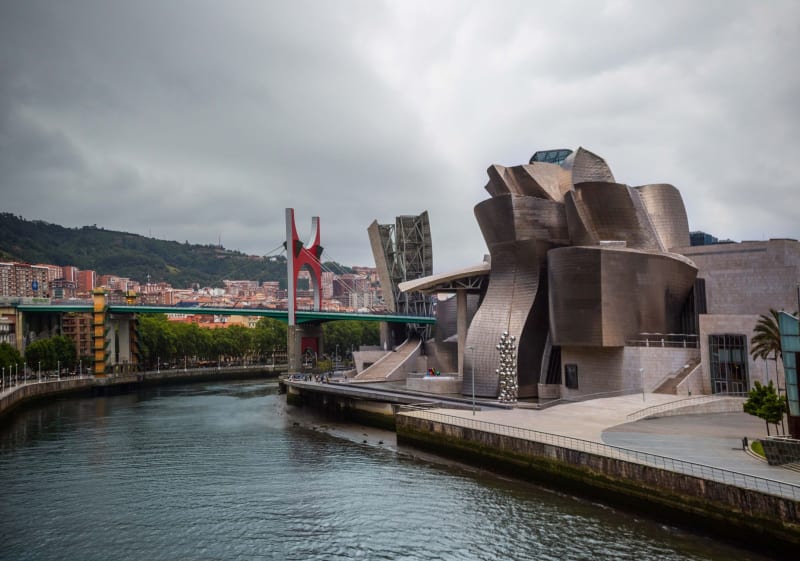 basque-country
 Bilbao
A hard-working port city that reinvented itself around a titanium museum without losing a gram of its essential character.
Explore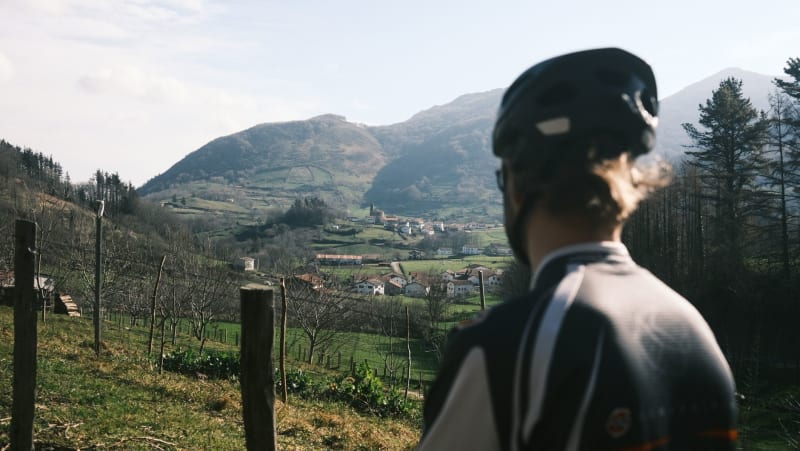 basque-country
 Gernika
A quiet market town that carries one of the twentieth century's most loaded place-names with surprising, stubborn grace.
Explore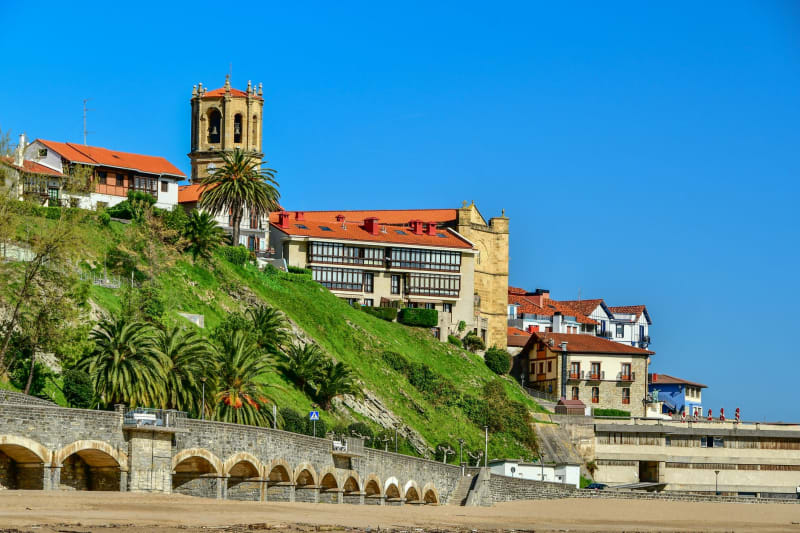 basque-country
 Getaria
A fishing village so small you can walk the whole thing in ten minutes, yet it produced txakoli, Elcano, and Balenciaga.
Explore basque-country
 Hondarribia
A medieval walled town on the French border where two countries face each other across a river mouth and nobody seems troubled by the arrangement.
Explore