A working fishing port split by a narrow inlet, where Victor Hugo once lived and small ferries still stitch three villages together.
Lia and I almost skipped Pasaia. It’s the kind of place that looks, on a map, like an industrial afterthought of San Sebastián — a few kilometers east, tucked behind a container terminal. But a friend in Donosti told us to ignore the map and just go stand at the mouth of the inlet, so we did, and it turned into one of my favorite afternoons on the whole Basque coast. The port isn’t one town but three — Pasai Donibane, Pasai San Pedro, and Pasai Antxo — strung along a channel so narrow that the only sane way across is a little foot ferry that’s been shuttling people between the banks for longer than anyone can say. We paid our fare to a weathered boatman who didn’t say a word the whole crossing, and I remember thinking this was the shortest, cheapest, best boat ride I’d ever taken.
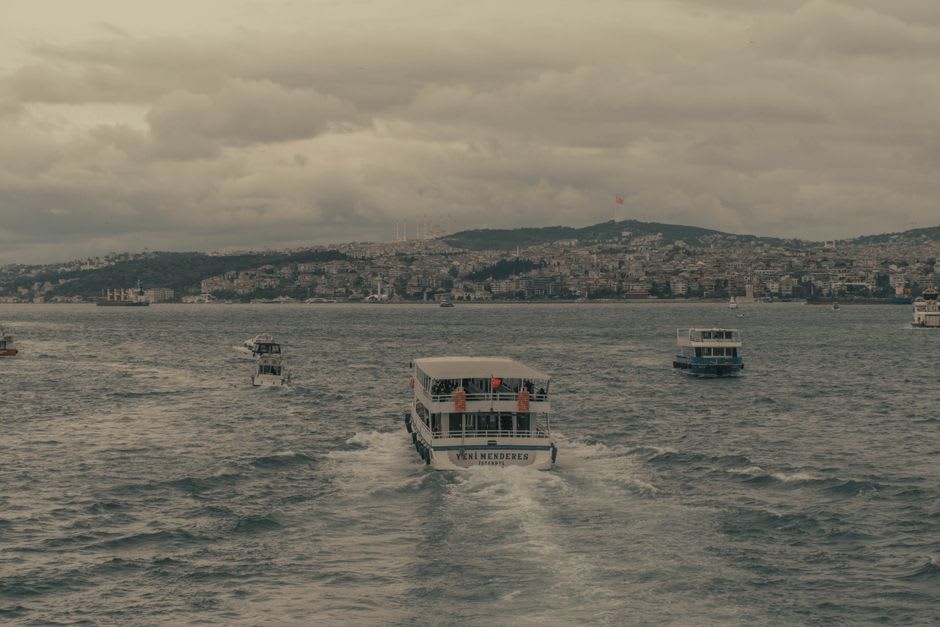
Pasai Donibane is where we spent most of our time, walking the single cobbled street that runs along the water, hemmed in by tall, leaning houses with their shutters painted the same faded colors as the boats below. That’s where Victor Hugo lodged in 1843, in a narrow house on the waterfront that’s now the Casa Victor Hugo museum. I stood outside it longer than I probably needed to — there’s something about knowing a writer looked at exactly this water, this light, and started sketching the Basque coast into his notebooks, that made the whole street feel a little more alive. We didn’t go inside that day, saving it for a rainy return, but even from the street you get why he stayed.
What struck me most, though, was how much working history is folded into such a small space. This channel sent whaling boats and cod fishermen all the way to Newfoundland starting in the 16th century, and people here will tell you, with real pride, that Juan Sebastián Elcano — the man who finished Magellan’s circumnavigation — had ties to the shipbuilding trade in Pasaia. Standing at the harbor mouth, watching the Bay of Biscay churn between the cliffs, it wasn’t hard to picture those ships heading out. Lia bought a paper cone of fried anchovies from a stall near the water, and we ate them sitting on the stone steps, watching gulls work the incoming boats — about as unglamorous and perfect a lunch as I’ve had in Spain.
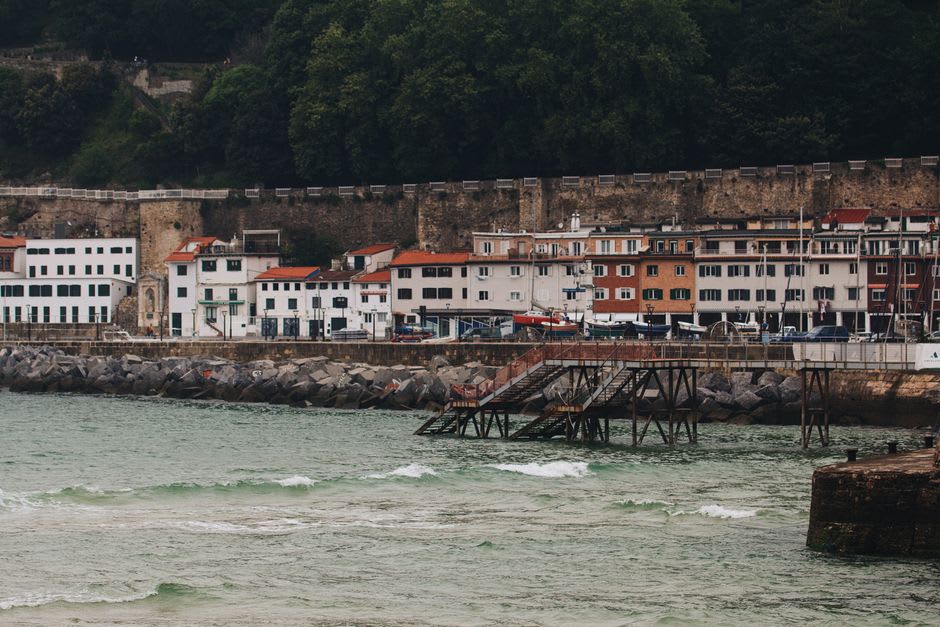
From Donibane, a coastal trail climbs up along the cliffs toward Monte Ulia and eventually San Sebastián, and we did maybe an hour of it before turning back, just far enough to get those wide-open views over the water where the inlet meets the open sea. It’s a genuinely dramatic bit of coastline — steep, green, and completely uncrowded compared to the beaches we’d just come from. I kept stopping to look back at the boats getting smaller in the channel behind us.
When to go: Aim for spring through autumn, roughly April to October — the calmer seas and clearer skies make the cliffside walk toward San Sebastián worth the effort, and the outdoor terraces along the Donibane waterfront are where you’ll want to linger afterward.
Keep exploring
More from Basque Country
 basque-country
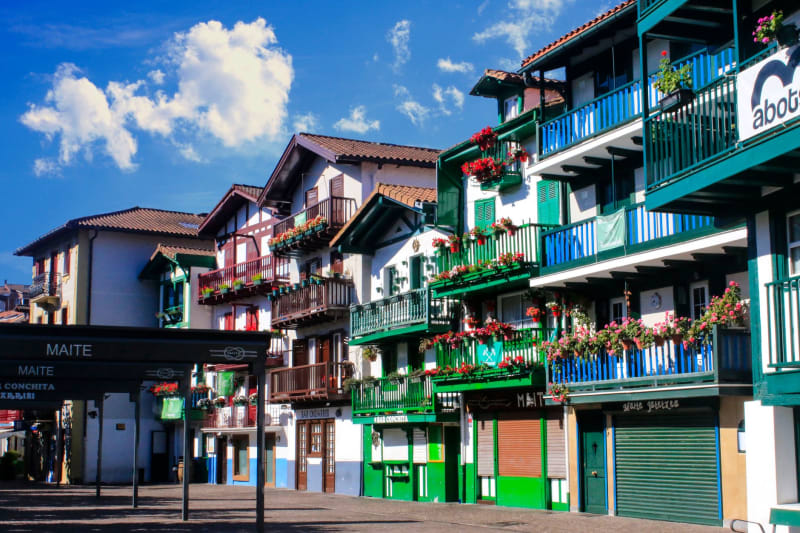
 Rioja Alavesa
The southern edge of Basque Country where the Atlantic gives way to wine country, Frank Gehry, and villages that haven't changed their minds about anything in centuries.
Explore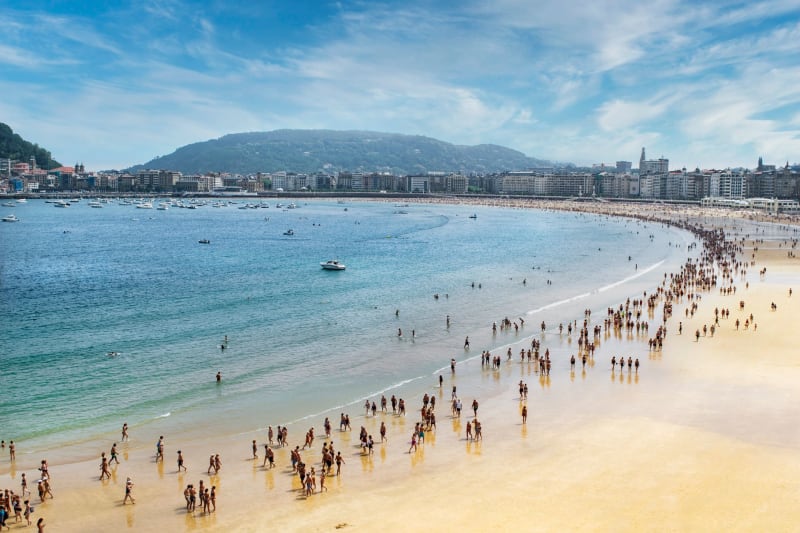 basque-country
 San Sebastián
A Belle Époque resort town that decided, somewhere along the way, to become the world's most serious eating city.
Explore basque-country
 Vitoria-Gasteiz
The Basque capital that the guidebooks skip and the locals love, with a medieval old town and a pintxos scene that answers to nobody.
Explore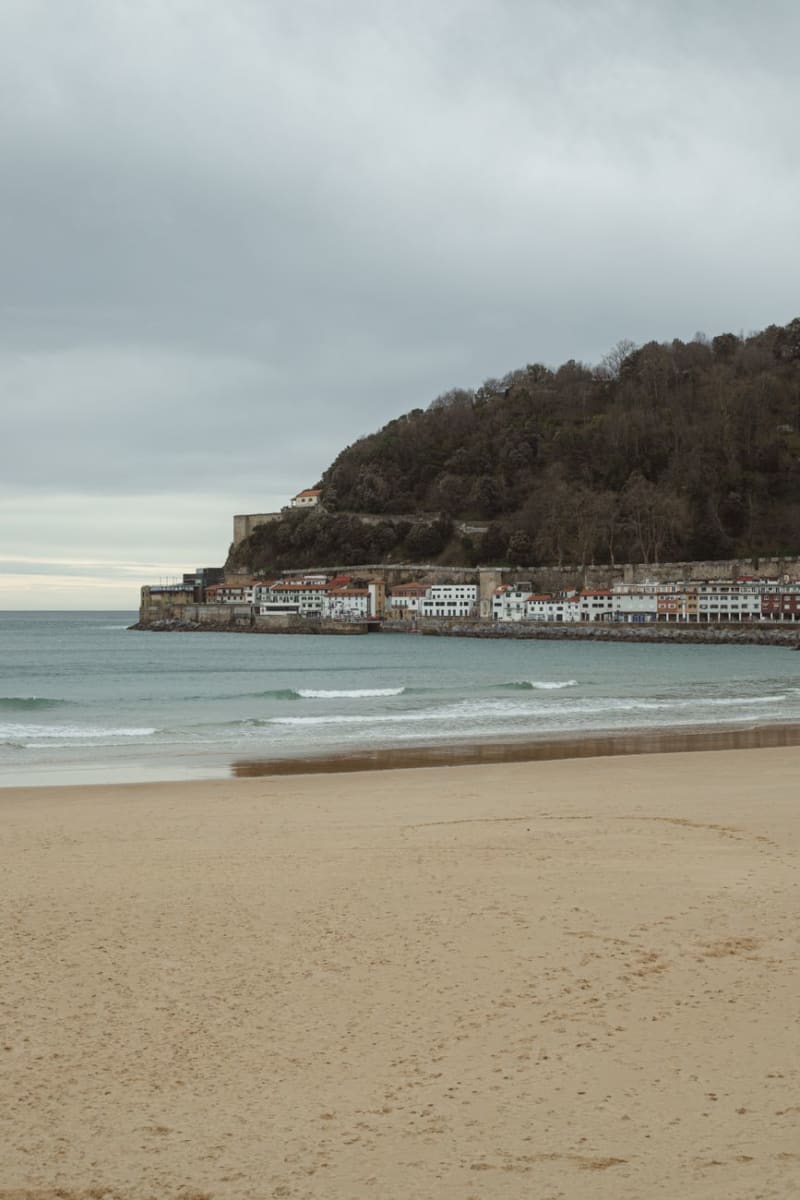 basque-country
 Zarautz
The Basque coast's surf capital, with the longest beach in the region and a pintxo scene that punches far above its size.
Explore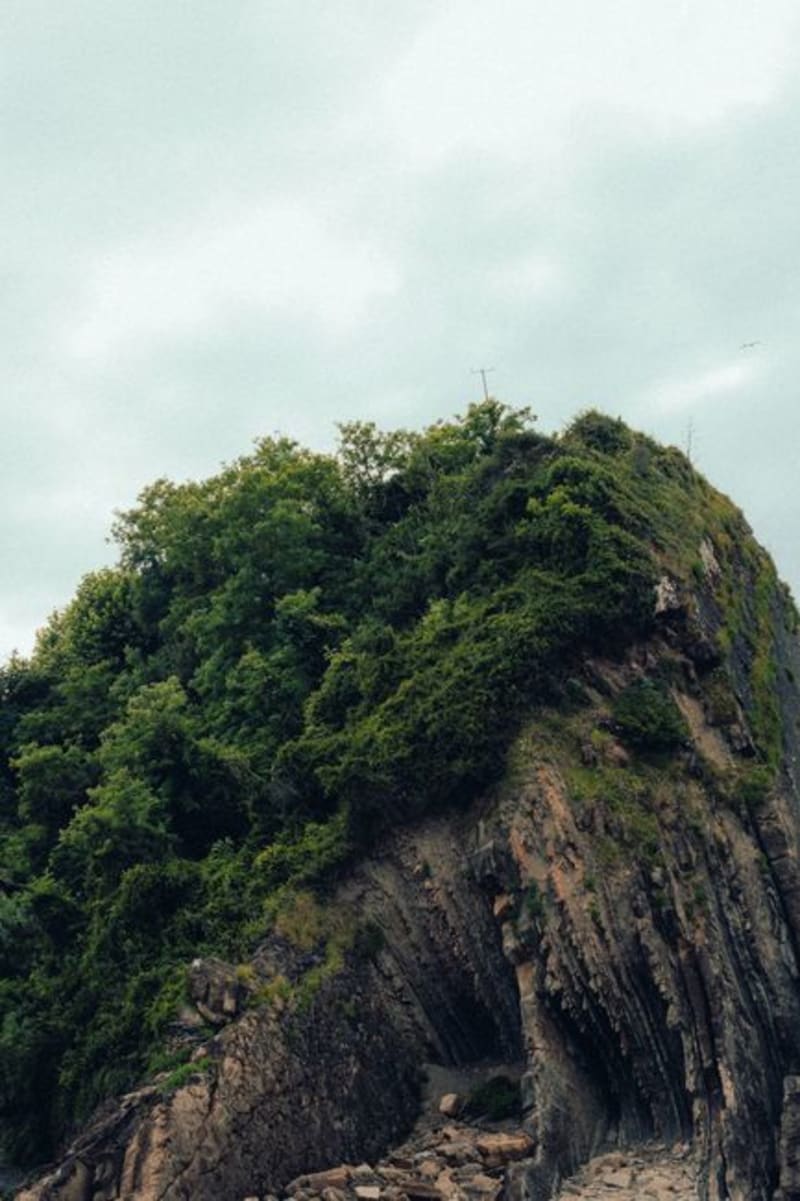 basque-country
 Zumaia (Flysch Coast)
A striped wall of cliffs recording 60 million years of Earth's history, rising above a beach where Lia and I lost track of the tide.
Explore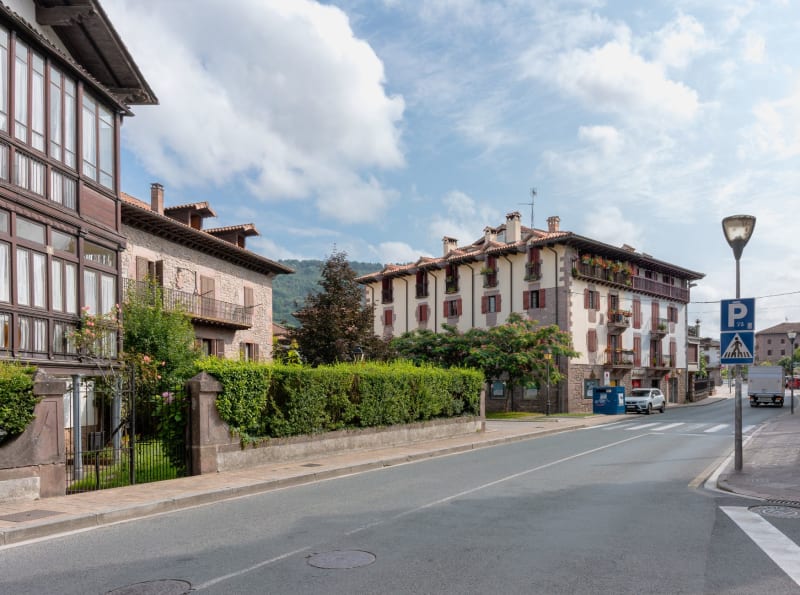 basque-country
 Arantzazu
A modernist basilica at the end of a mountain road in a gorge that makes you question everything you thought you knew about sacred architecture.
Explore