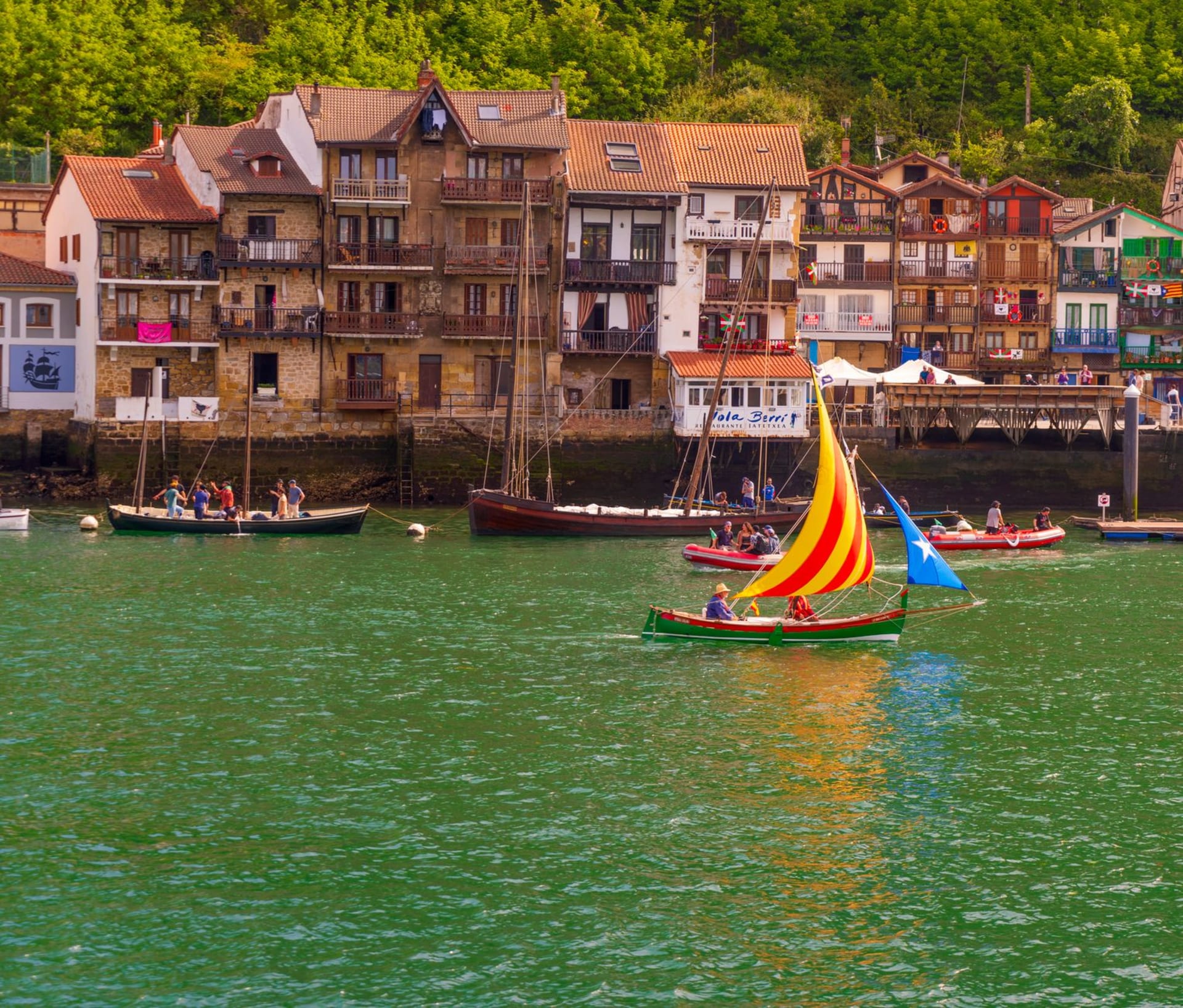
Mundaka
"Even if you've never surfed in your life, watching the wave at Mundaka makes you understand why people rearrange their lives around it."
A small fishing village at the mouth of a river where one of the great left-hand waves in the world has been drawing surfers since before surfing was fashionable.

The wave at Mundaka forms when a particular arrangement of swell, tide, and the sandbar deposited by the Urdaibai river conspire to produce a left-hand tube that can run for three hundred metres along the sandspit at the river mouth. This happens reliably enough that the world championship tour visited Mundaka for years, and unreliably enough that surfers have been turning up to find it flat, or too big, or not working correctly, and sitting in the village bar waiting for it to turn on. I arrived on a morning in late October when it was working. Not perfect — three to four feet, the barrel closing out more than opening — but enough to understand what the mythology is about.
Watching good surfers in a good wave is a specific pleasure, one I find hard to explain to people who haven’t experienced it. The wave at Mundaka has a particular quality — it comes from deep water over shallow sand very quickly, and the good riders get into a stance that is half lean, half surrender, letting the thing happen to them rather than forcing it. From the village breakwater where I was watching, the sound arrived a half-second after the visual: the hollow percussion of the lip hitting the water, then the white water collapsing. Three of the four surfers out that morning were local. The fourth had driven from Bilbao and was learning.
The village itself is small — a few hundred permanent residents, a church on a promontory above the port, one main street of stone houses with painted shutters. The port is still working in a modest way, small fishing boats tied at the dock between tides. The restaurants around the harbor serve the catch in the Basque manner: fresh, grilled simply, with a glass of txakoli. I ate grilled squid and small shrimp at a table outside in the October sun and thought about how the appeal of a place like this is precisely the disproportion between its fame and its size — this tiny village that surfers from California and Australia and Australia have been making pilgrimages to for fifty years, that looks exactly like every other small Basque fishing village and yet is singular.

Behind the village, the Urdaibai Biosphere Reserve opens inland along the estuary. The Oka river enters the sea here through marshlands that UNESCO recognized as a biosphere reserve in 1984, and the result is a stretch of coast where the industrial Basque Country gives way to something wilder and more patient. At low tide the mudflats are worked by herons and egrets. The green hills above the estuary carry oak and ash and the occasional farmhouse. Walking one of the trails that follows the estuary banks, with the wave at Mundaka audible in the distance, is one of those experiences where you feel the landscape making an argument for something you can’t quite articulate.
When to go: The wave works best in autumn and winter — October through February — when Atlantic swells are at their most consistent. The biosphere reserve and the village are pleasant in any season, but summer brings weekend crowds from Bilbao. The drive from Bilbao along the coastal road through Bermeo takes about forty minutes and is worth taking for its own sake.
Keep exploring
More from Basque Country
 basque-country
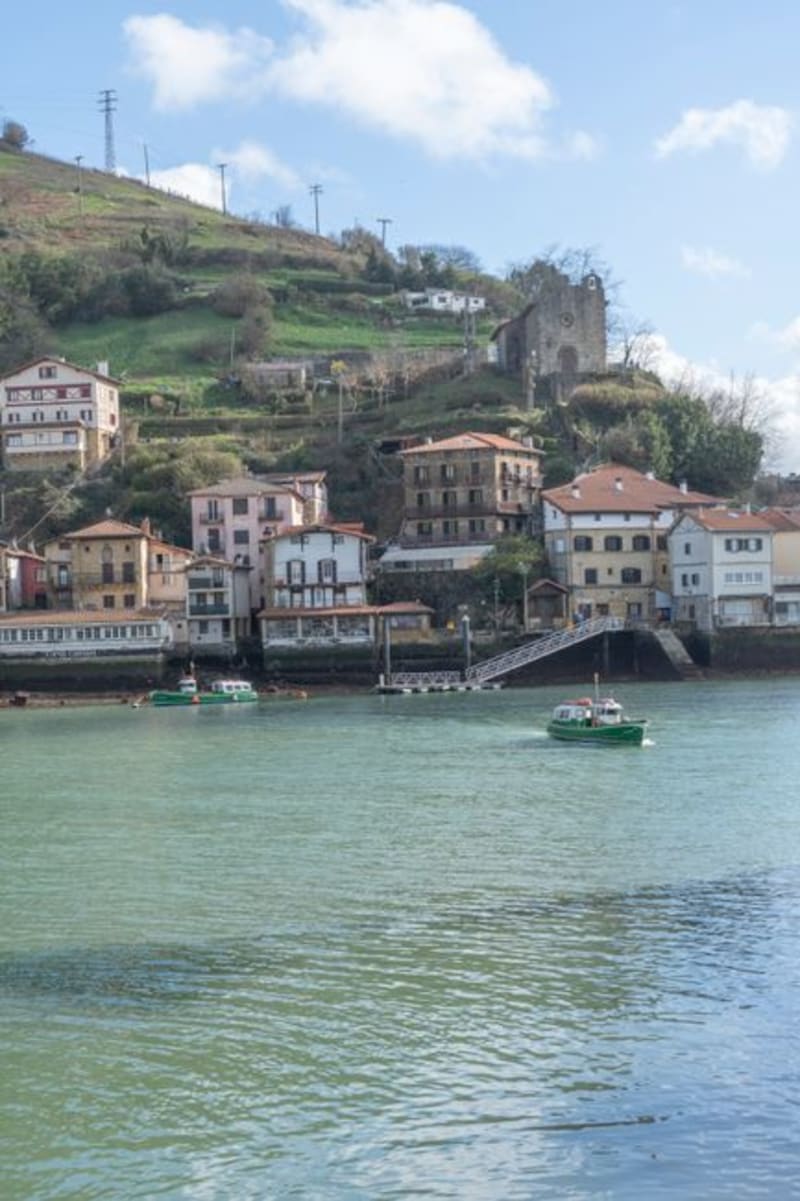
Pasaia (Pasajes)
A working fishing port split by a narrow inlet, where Victor Hugo once lived and small ferries still stitch three villages together.
Explore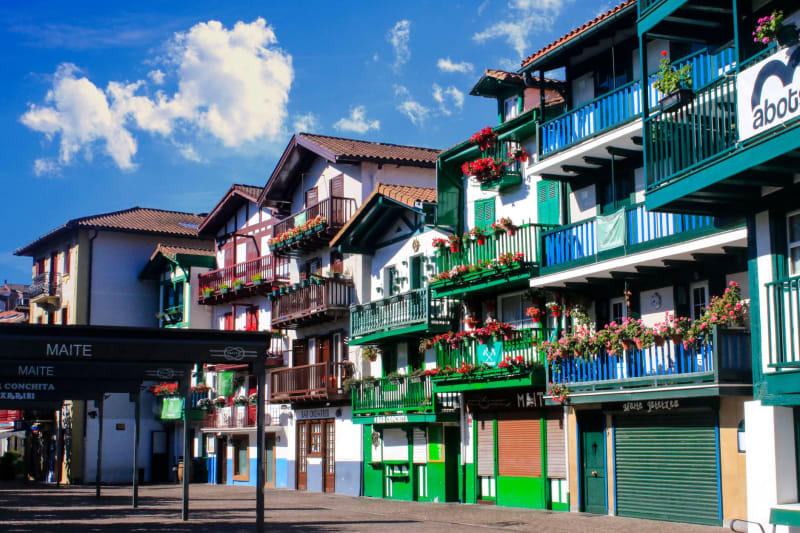 basque-country
Rioja Alavesa
The southern edge of Basque Country where the Atlantic gives way to wine country, Frank Gehry, and villages that haven't changed their minds about anything in centuries.
Explore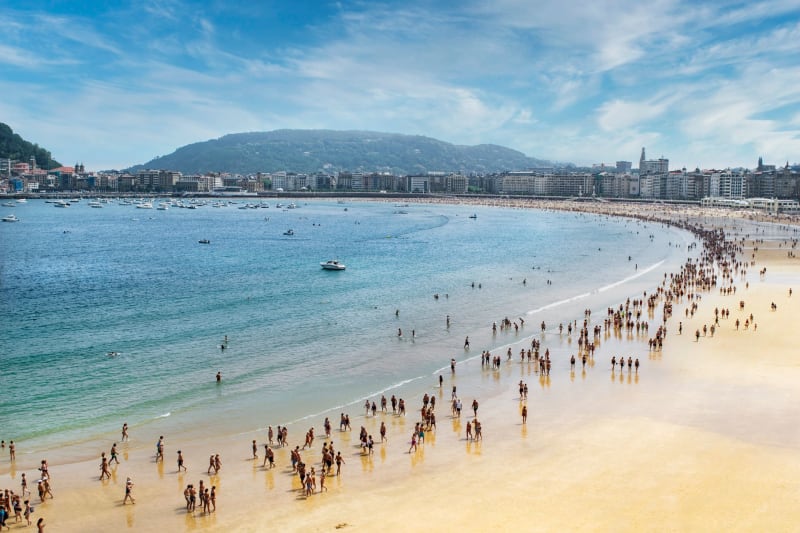 basque-country
San Sebastián
A Belle Époque resort town that decided, somewhere along the way, to become the world's most serious eating city.
Explore basque-country
Vitoria-Gasteiz
The Basque capital that the guidebooks skip and the locals love, with a medieval old town and a pintxos scene that answers to nobody.
Explore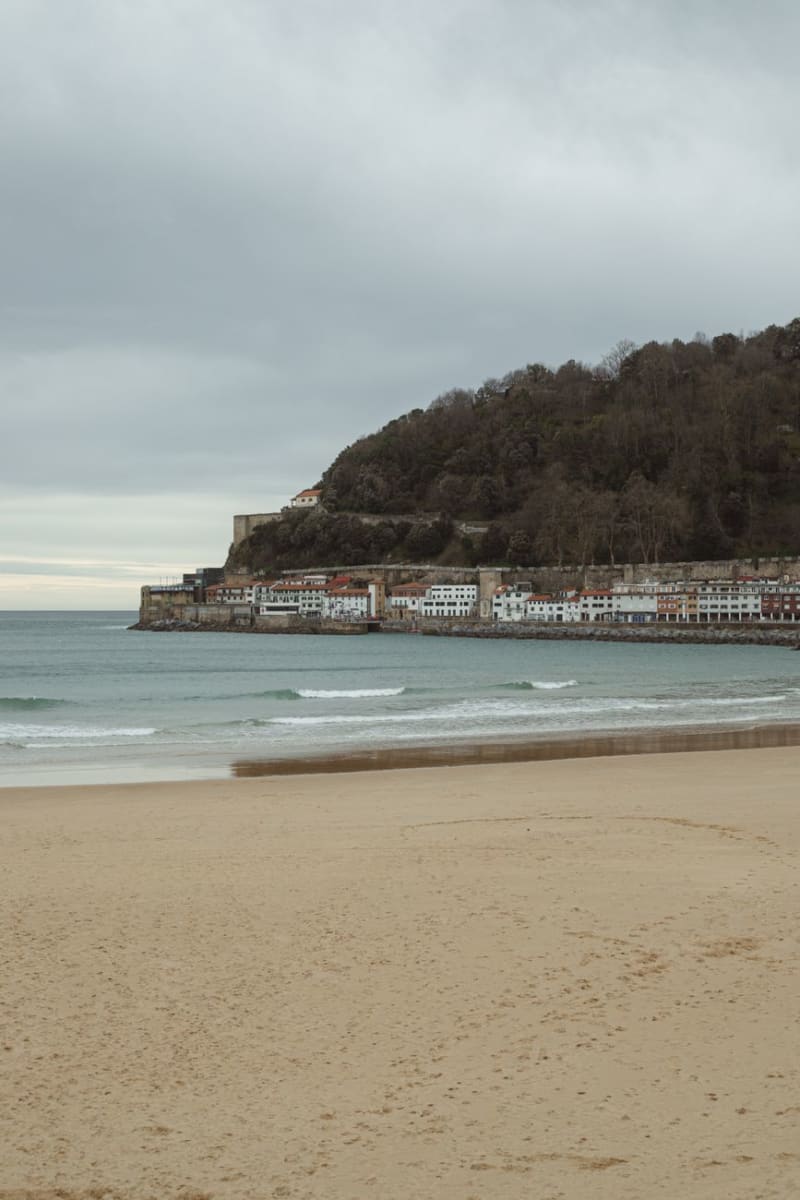 basque-country
Zarautz
The Basque coast's surf capital, with the longest beach in the region and a pintxo scene that punches far above its size.
Explore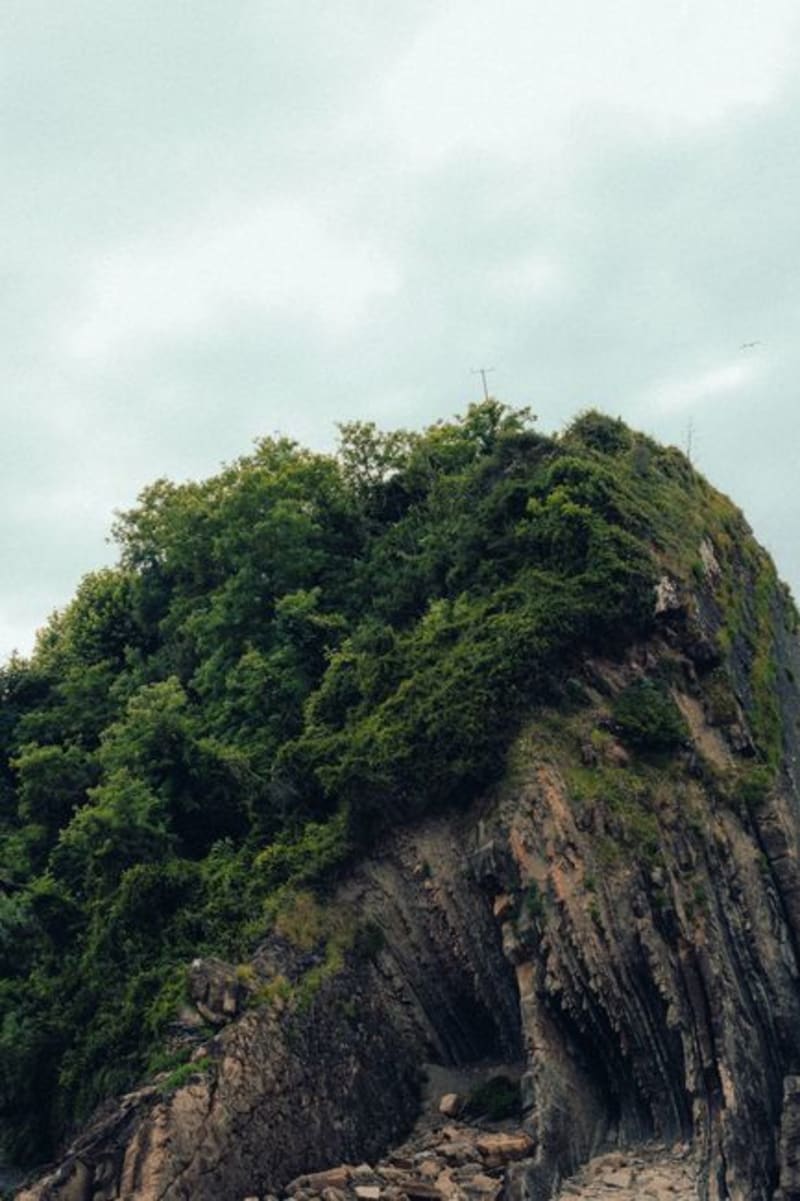 basque-country
Zumaia (Flysch Coast)
A striped wall of cliffs recording 60 million years of Earth's history, rising above a beach where Lia and I lost track of the tide.
Explore