Lalbagh Fort
"Some buildings finish. This one just stopped, and I found that more honest than most monuments."
An unfinished Mughal fortress on the Buriganga, where a princess's tomb still commands more silence than the traffic outside its walls.
Lia and I got lost twice trying to reach Lalbagh Fort, which felt about right for a place that was itself never finished. Old Dhaka doesn’t really let you approach anywhere in a straight line — our rickshaw driver kept threading us through lanes thick with rickshaw bells and frying oil until, without much warning, the noise dropped away and we were standing in front of a gate that Prince Muhammad Azam started building in 1678 and then simply abandoned when his father, Aurangzeb, called him back to Delhi. I liked that the fort wears its incompleteness so openly. There’s no pretending here that history wrapped up neatly.
The heart of the place is the Pari Bibi Mausoleum, and it’s the one building on the grounds that actually got the attention it deserved. Shaista Khan picked up construction after Azam left, but stopped everything when his daughter Bibi Pari died in 1684 — the tomb built for her, faced in white marble and black basalt, became less a finished project than a grief made permanent. I stood in front of it for a long time. Lia noticed before I did that the marble panels catch the afternoon light differently depending on where you stand, going from almost pink to a flat, cool white within a few steps.
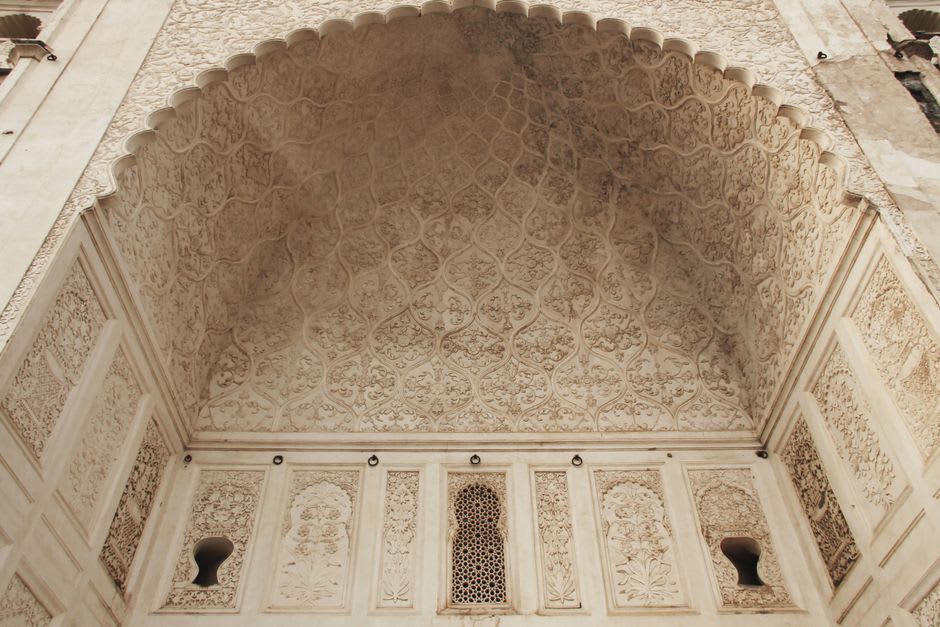
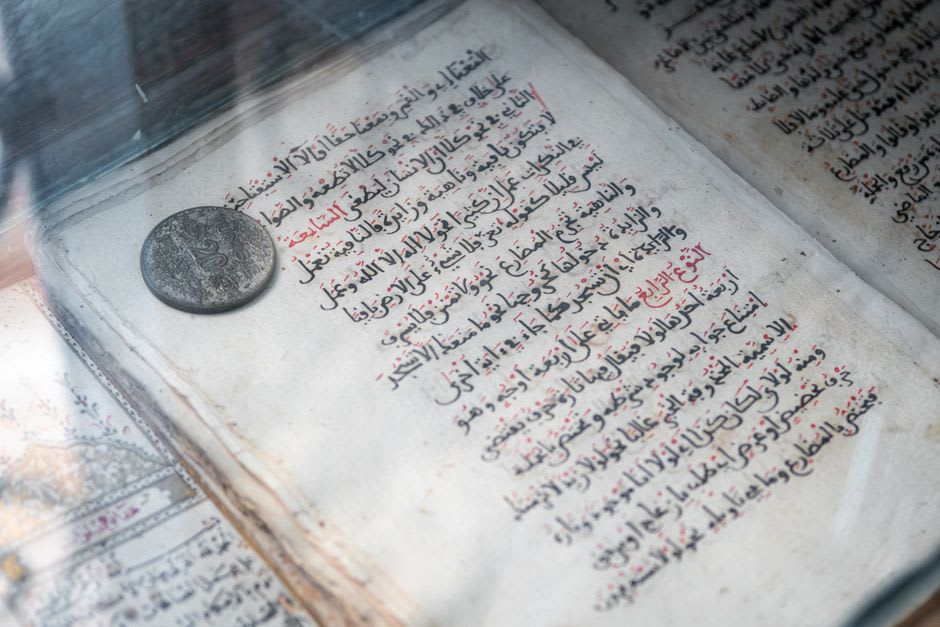
We spent the rest of the morning working our way through the Diwan-i-Aam, the hall of audience, with its attached hammam still legible enough that you can trace where the water would have moved through the room. What’s left of the fortification wall connects it all loosely to the three-domed mosque, and walking that route made the site feel less like a museum circuit and more like the fragments of a plan that never got to argue its case. The whole complex now operates as an archaeological museum under the Department of Archaeology, and inside one of the buildings we found glass cases of Mughal-era coins, brittle manuscripts, and weaponry pulled up from the same ground we’d just been walking on.
By the time we left, the light had gone soft and gold over the fort’s clipped lawns, and the contrast with the chaos of the streets just beyond the walls was almost comic. Dhaka doesn’t often offer that kind of quiet.
When to go: Aim for November through February, when Dhaka’s cooler, drier winter makes wandering the grounds far more comfortable — just double-check the calendar first, since the fort closes on Sundays and on certain Mughal-era anniversaries.
Keep exploring
More from Bangladesh
 bangladesh
 Paharpur
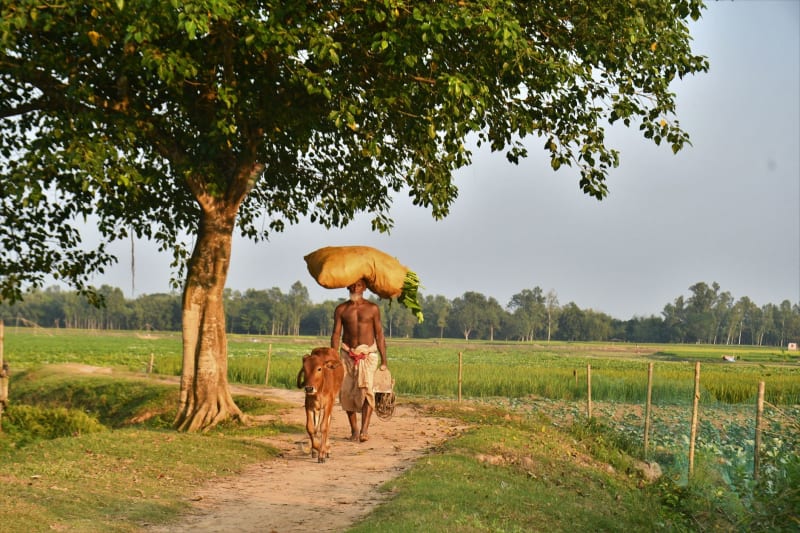
A ninth-century Buddhist monastery rising from Bangladesh's flat northwest plains — the largest ancient building in South Asia south of the Himalayas, now mostly given to silence and terracotta.
Explore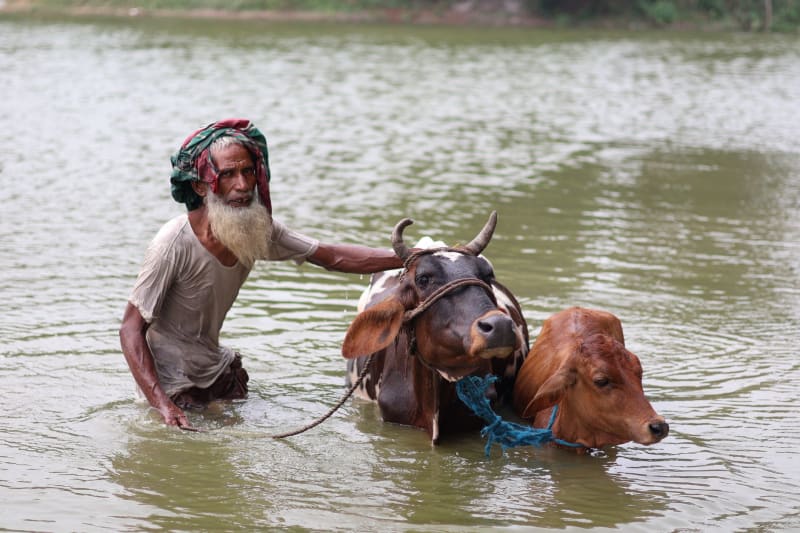 bangladesh
 Rajshahi
A quiet riverside city in Bangladesh's northwest known for the finest silk in Bengal, mango orchards older than the country, and a Hindu temple complex that most travelers never find.
Explore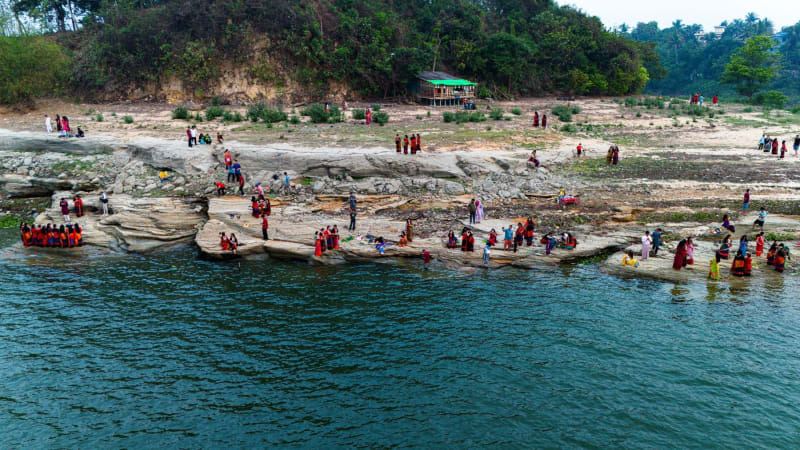 bangladesh
 Rangamati
Chakma tribal villages on stilts above the vast Kaptai reservoir, connected only by wooden boat.
Explore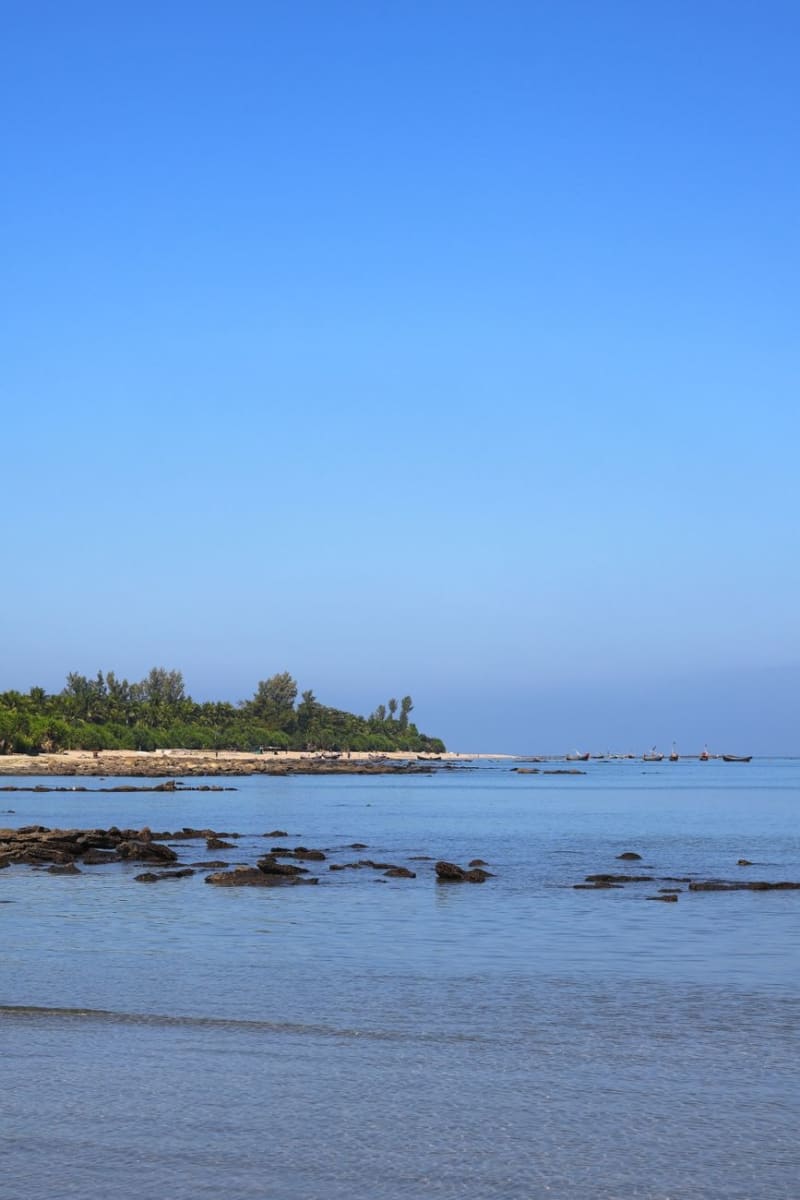 bangladesh
 Saint Martin's Island
Bangladesh's only coral island, a flat coconut-fringed sliver in the Bay of Bengal where the day-trippers leave at dusk and the night belongs to the fishermen and the stars.
Explore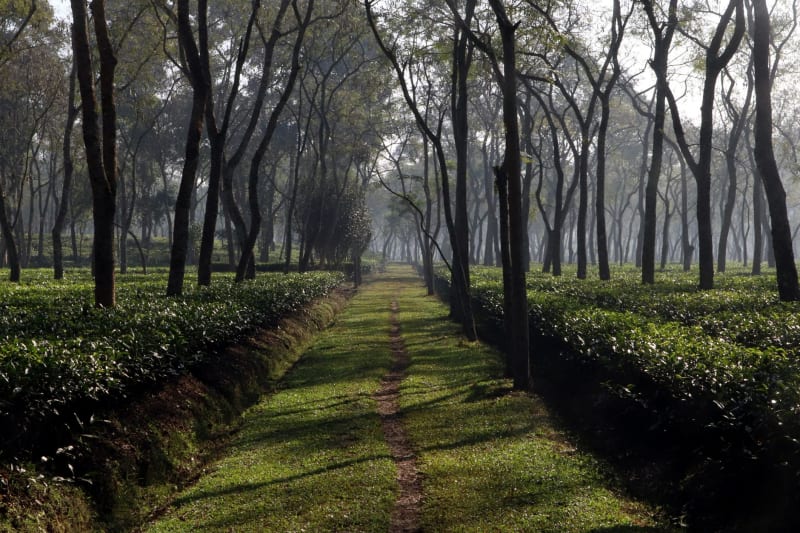 bangladesh
 Srimangal
Bangladesh's tea capital, where terracotta-red dirt roads cut through endless emerald estates and a single glass holds seven distinct layers of flavor.
Explore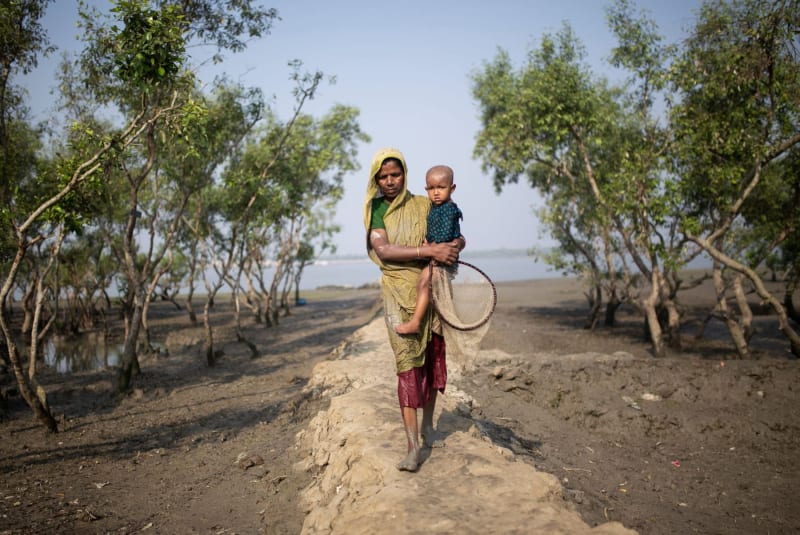 bangladesh
 Sundarbans
The world's largest mangrove delta where Bengal tigers swim between islands and kingfishers outnumber tourists.
Explore