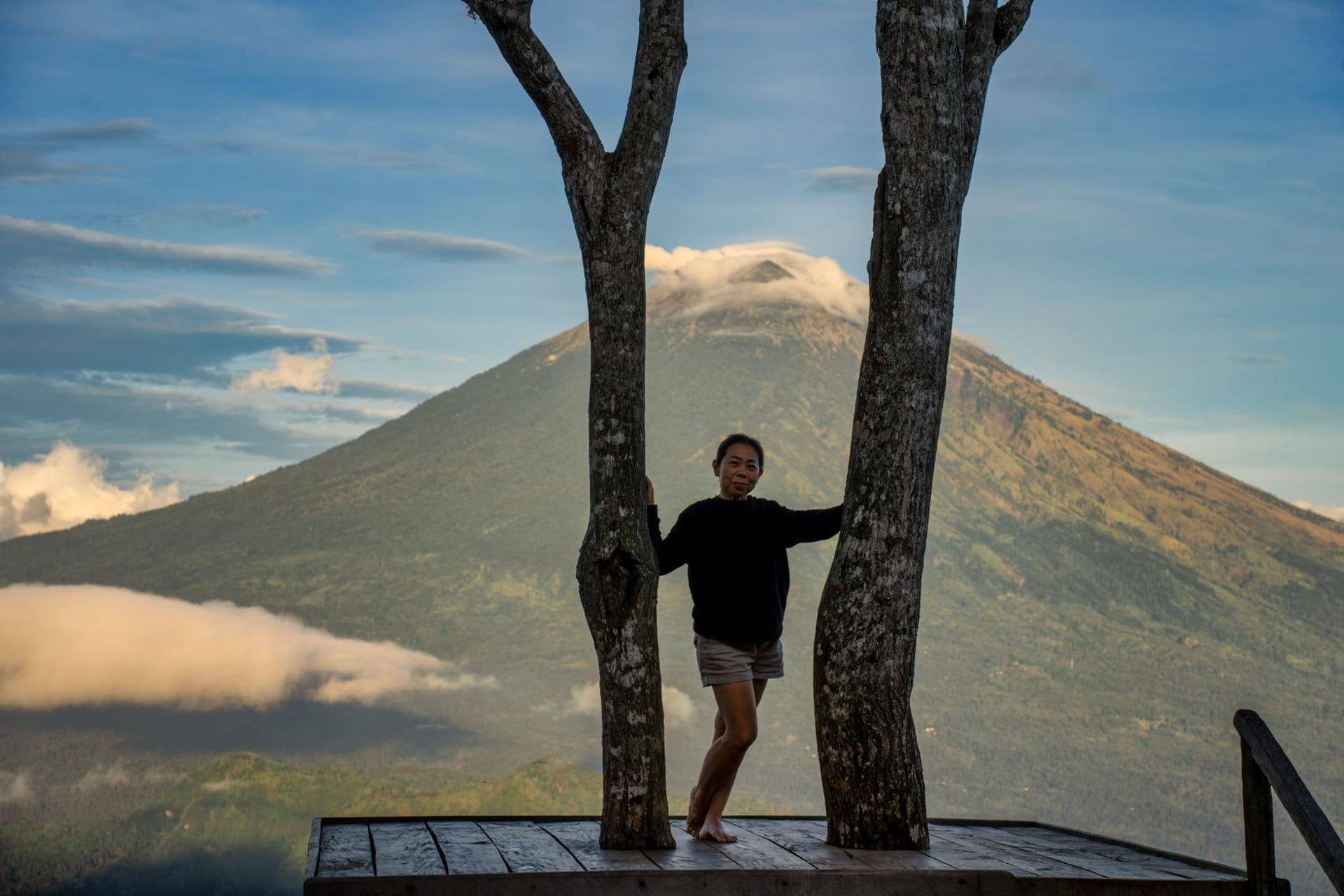
Munduk
"We came up to Munduk to escape the south, and found the Bali I'd half stopped believing in."
You climb to Munduk, and the climbing is the point. Leaving the heat and the scooter chaos of southern Bali, the road winds up through the central highlands until the air turns genuinely cool and the smell changes — clove trees, woodsmoke, wet earth. By the time we reached the village, strung out along a ridge at around eight hundred metres, I had the windows down and was wearing a jumper for the first time in months. Lia called it the anti-Canggu, and she meant it as the highest compliment.
Waterfalls and the Walk Between Them
Munduk’s reputation rests on its waterfalls, and rightly. A footpath drops off the ridge into a gorge dense with tree ferns and dripping vines, linking several falls — Munduk, Melanting, the smaller Golden Valley among them. We spent a morning walking the loop, sweating despite the cool air, passing through clove and coffee smallholdings where farmers had laid beans out to dry on tarps beside the trail.
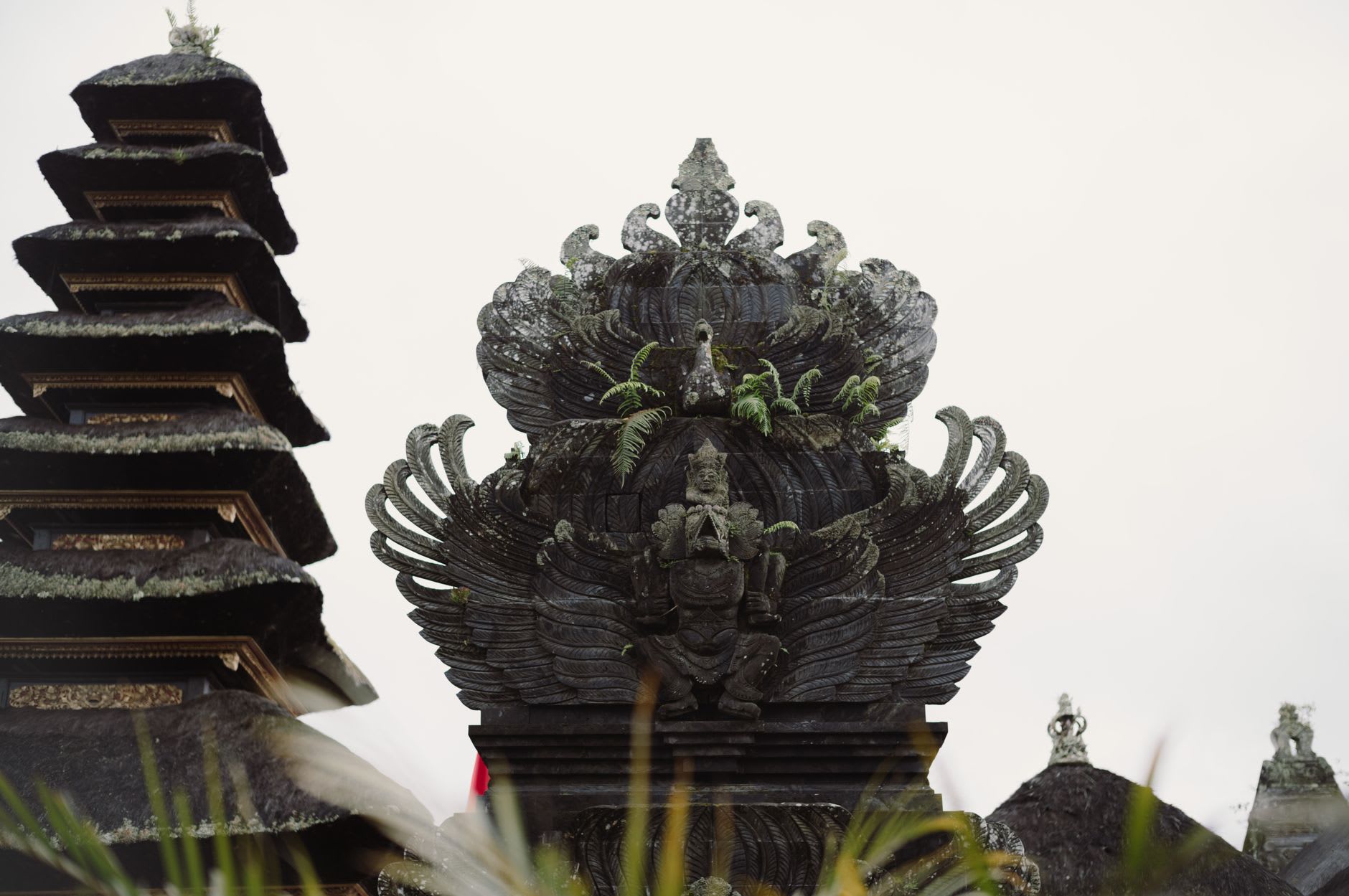
Melanting was the one that stopped us. It comes down hard into a dark pool, the spray drifting up the whole gorge, and there was nobody else there at nine in the morning — a thing that feels close to miraculous anywhere on this island now. I stood under the edge of it until I was soaked and cold and laughing, and Lia photographed me looking like a drowned idiot, which she maintains is the best picture from the entire trip.
The Lakes and the Colonial Quiet
Above the village lie the twin crater lakes, Tamblingan and Buyan, sitting in old volcanic calderas and often half-wrapped in cloud. 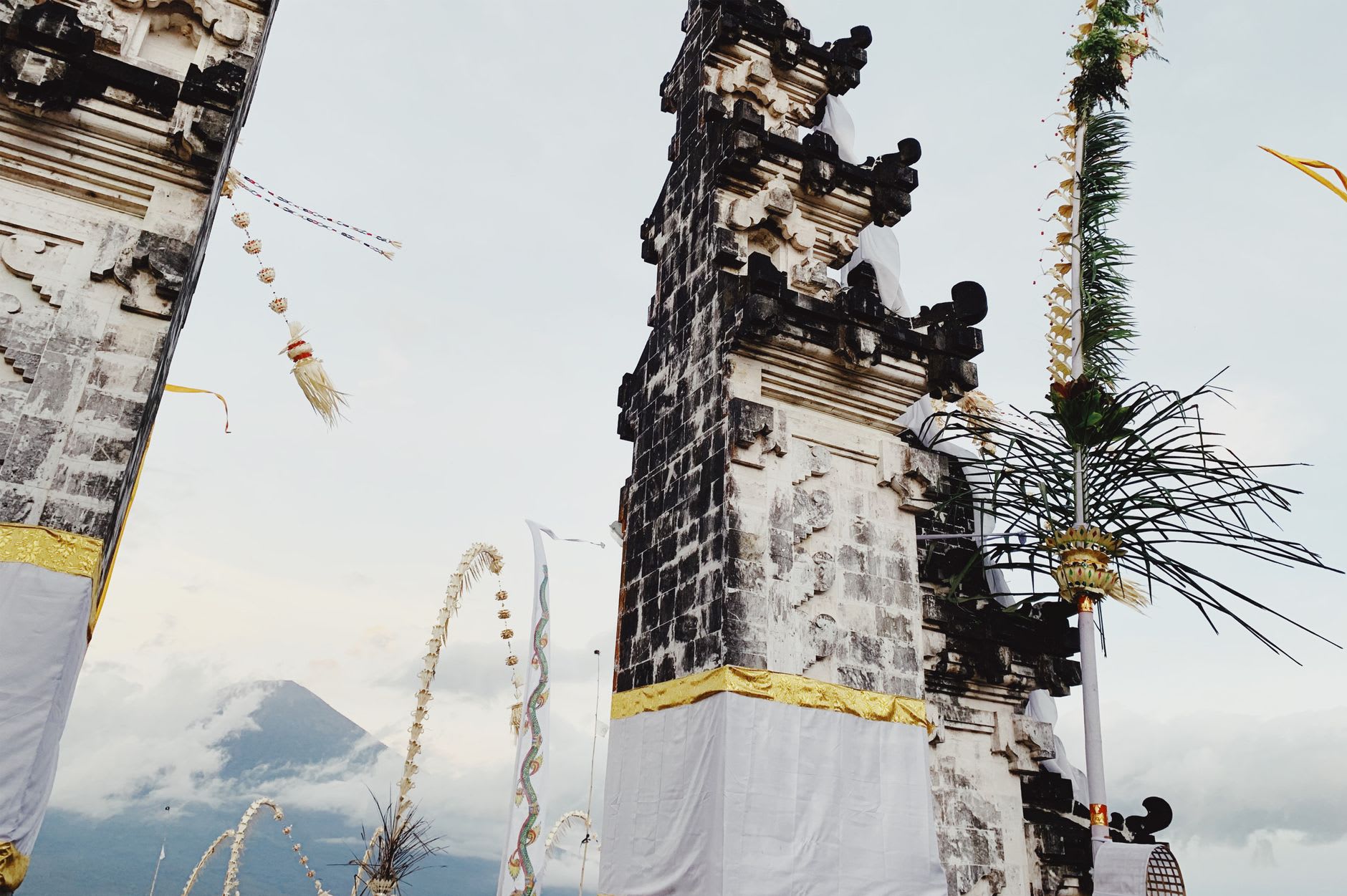
We hired a local man with a wooden jukung canoe to paddle us across Tamblingan at first light — no motors are allowed, so the only sound was the dip of his blade and birds in the lakeside forest. Mist hung on the water. A small Hindu temple sat at the shoreline, half-submerged in atmosphere. It was the kind of morning that makes you forgive every traffic jam it took to get there.
Munduk itself is unhurried. A few warungs, some old Dutch-era guesthouses with deep verandas, strong Balinese coffee grown on the slopes below. We ate babi guling one night at a place with no menu and a view straight down the valley to the distant north coast and the sea. The owner refused to let us leave without a second helping. That is Munduk: green, cool, generous, and gloriously short on the things that have made the rest of Bali so loud.
When to go: April through October, the dry season, for the clearest mornings on the lakes and the safest footing on the waterfall trails. Even then, bring a layer — the highland evenings turn properly chilly, and the mist can settle in at any hour.