
Sierra de San Francisco
"I rode a mule for six hours to see paintings nobody can fully explain, and it was worth every blister."
A remote mountain range in central Baja hiding some of the largest and best-preserved prehistoric cave paintings in the Americas, reachable only by mule.
The Sierra de San Francisco rises out of the central desert of Baja like a wall of broken volcanic rock, and hidden in its canyons are some of the most significant rock art sites on the continent — murals of deer, mountain sheep, human figures, and abstract forms painted in red and black ochre by a culture that predates any written record of who lived here. UNESCO inscribed the region as a World Heritage Site in 1993, and access is deliberately difficult: you register in the village of San Francisco de la Sierra, hire a licensed local guide, and ride mules down steep canyon trails to reach the major sites, since no roads penetrate this deep into the range.
I went to Cueva del Ratón and Cueva Pintada, the two most accessible major sites, with a guide named Salvador whose family has worked as custodians of these caves for three generations. The paintings at Cueva Pintada stretch across a rock overhang nearly the length of a football field, layered figures painted over centuries, some estimated to be more than a thousand years old, others considerably older. Nobody fully agrees on who painted them or why — the Cochimí people who lived here at Spanish contact had no oral tradition explaining the art, attributing it instead to a race of giants who came before them. Standing under the overhang, tracing a painted hand with my eyes, that explanation felt as reasonable as any archaeological theory I’ve read.
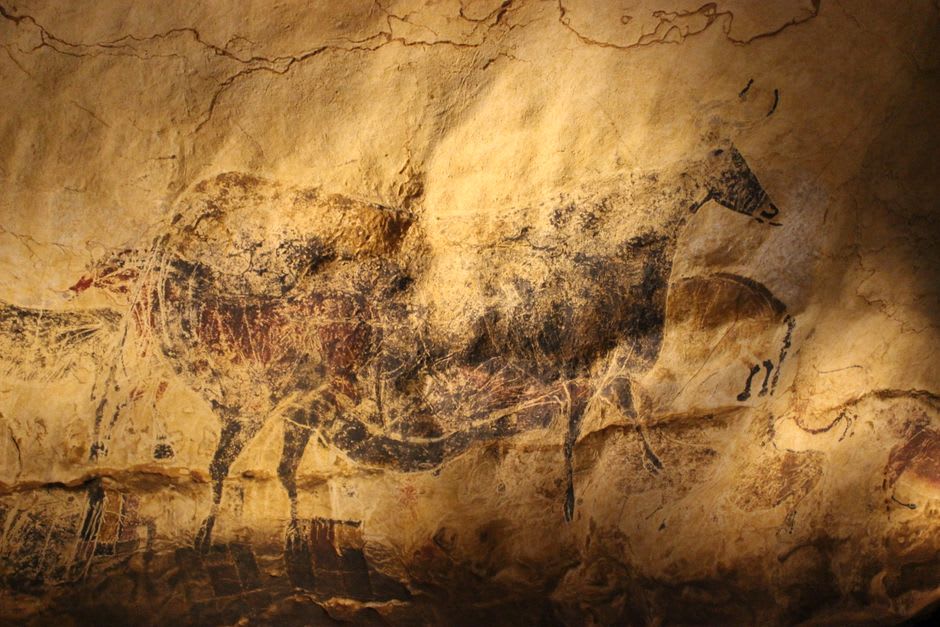
The journey matters as much as the destination here. The mule trail into the canyons drops through a landscape of towering cardón cacti and date palm oases fed by hidden springs, and the ranching families who guide visitors still live largely as their grandparents did — goat cheese made by hand, bread baked in earthen ovens, water hauled from the same springs the ancient painters likely used. I slept a night at a ranch camp under more stars than I’ve seen anywhere else in Mexico, woken before dawn by a rooster and the smell of woodsmoke.
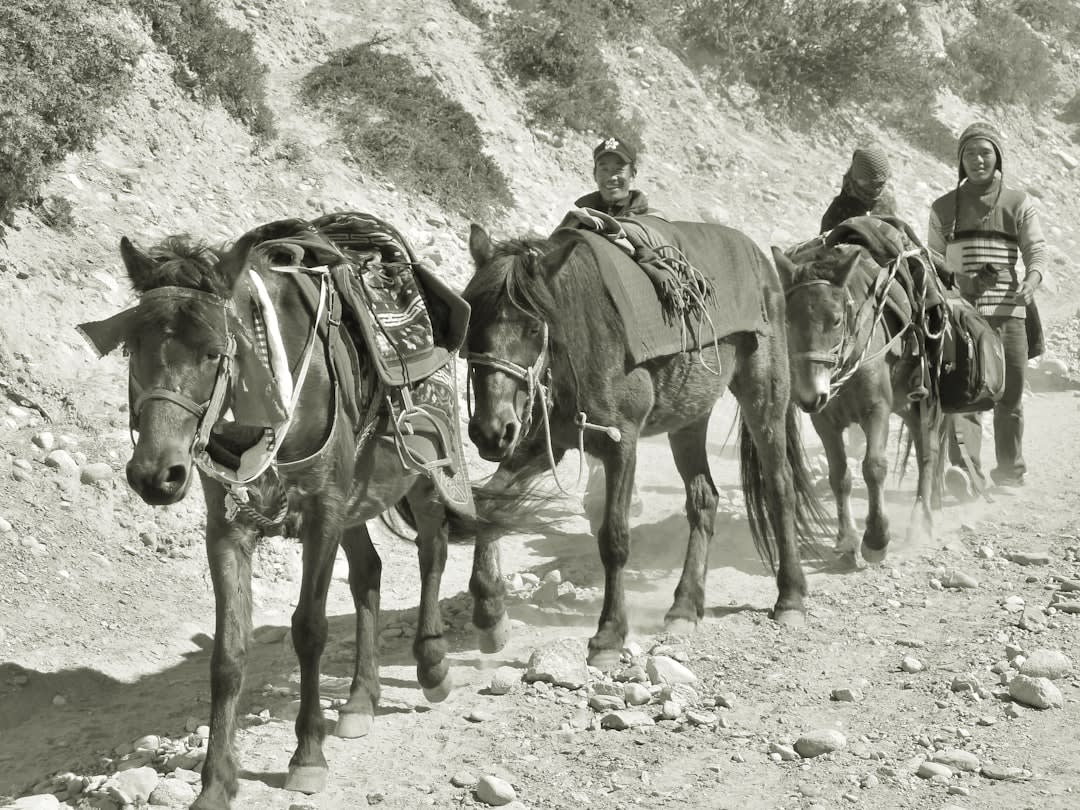
When to go: November through March, when temperatures in the canyons are tolerable for a multi-hour mule ride. Trips must be arranged in advance through INAH-registered guides in San Francisco de la Sierra.