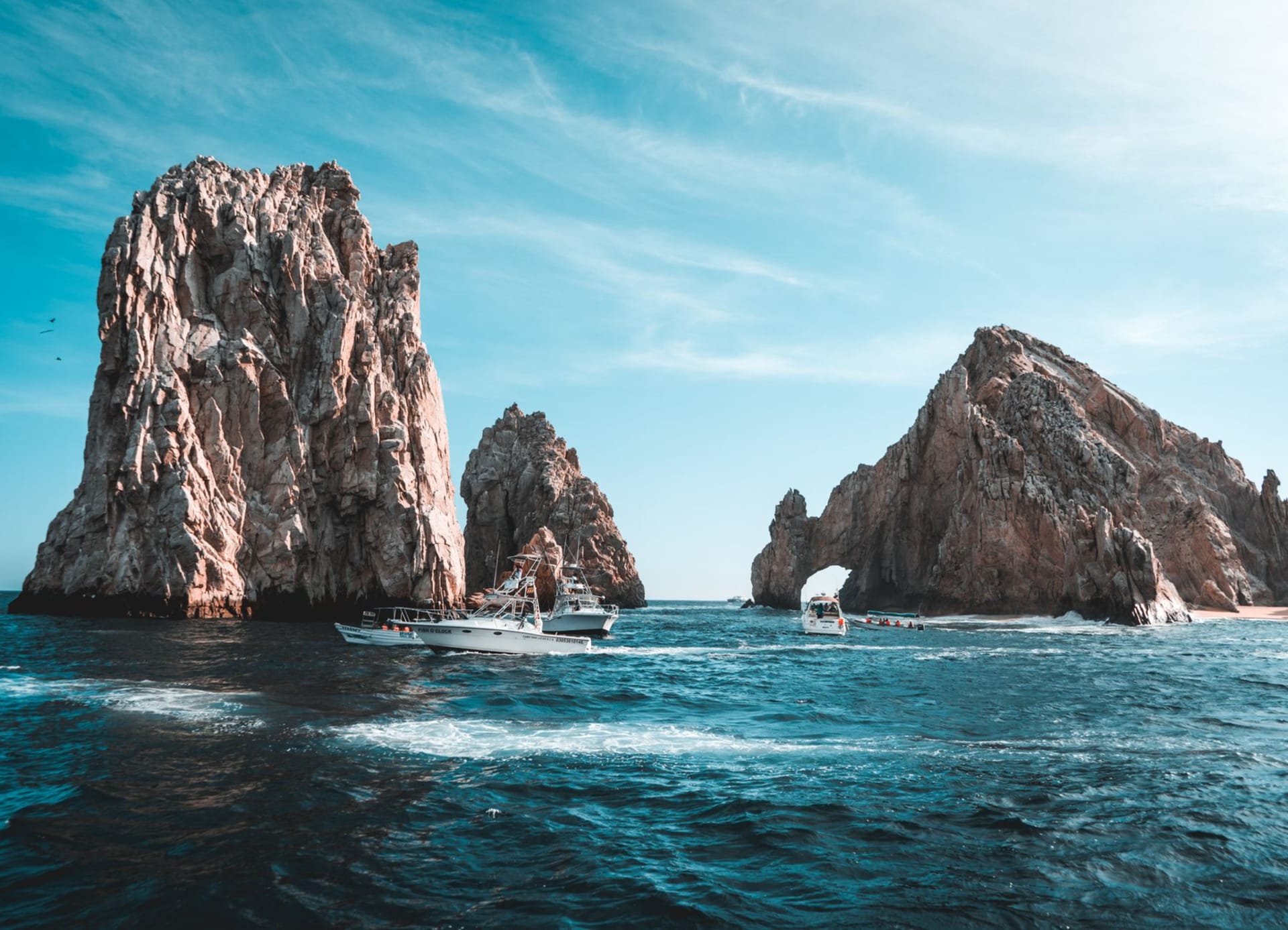
El Rosario
"Mama Espinoza's lobster burrito at eight in the morning felt like crossing a threshold. South of here, you're on your own."
Every southbound Baja traveler eventually has the same conversation with someone who has done the drive before, and at some point in that conversation the words “El Rosario” appear. Not because El Rosario is spectacular — it is a small agricultural town of maybe a few hundred people, unremarkable in the way that towns formed around water sources in dry country tend to be unremarkable from the highway. But El Rosario marks a threshold. It is the last town of any size before the Transpeninsular highway enters the most isolated stretch of the peninsula: five hundred kilometers of desert, mountains, and coast where services are scarce and the landscape becomes increasingly geological in its indifference to human presence.
I pulled in early on a Thursday morning, driving south after a night camp on the coast north of town. The gas station was just opening. The mechanic’s shop across the street was just opening. And Mama Espinoza’s restaurant was already open because Mama Espinoza’s is always already open, or that is how it seems — a small, family-run place on the main road that has been feeding southbound travelers since 1930. The original Mama Espinoza, Doña Anita, fed John Steinbeck when he drove through in the 1940s. Her descendants run the place now, and the menu is essentially unchanged: fish and lobster prepared simply, the tortillas made by hand in the kitchen, and the lobster burrito that has become one of those mythological Baja things, discussed in hushed tones at campsites and truck stops all the way to La Paz.
The burrito arrived wrapped in foil and the lobster inside was not in pieces but in significant chunks, folded into a large flour tortilla with rice and beans and a chipotle crema. I ate it at a table with a trucker from Hermosillo heading to Cabo and a couple from Oregon who had been driving the peninsula for three weeks and were calculating whether they could make it to Guerrero Negro by nightfall. The coffee was dark and strong and came in a ceramic mug without being asked for. I drank two cups and watched the road outside where the morning light was doing something particularly good to the desert hills.
South of El Rosario the landscape changes immediately and dramatically. The cardon cactus forest begins — the signature plant of central and southern Baja, growing up to twenty meters tall, branching into candelabra shapes that against the sky look like something a Surrealist might have drawn. They begin to appear singly, then in clusters, then in forests so dense they crowd the highway verges and create a corridor of green against the blue sky that seems, in the early morning, almost impossible. The boojum trees arrive next — pale, bottle-shaped, impossibly strange, leaning at angles that suggest they were planted by someone with a sense of humor. By the time you are thirty kilometers south of El Rosario, you understand that you have entered a different Baja.
El Rosario itself does not ask much of you. There is a Pemex station, a tienda for supplies, a mechanic who can handle most of what can go wrong on a desert drive. The mission church is a small and quietly dignified thing on the edge of town, built on the site of the original Dominican mission of 1817. The village has the specific quality of places that exist in service of a purpose — in this case, the road — and have not been asked to be anything else. I found it restful. Not every place has to perform.
When to go: October through April for the most comfortable driving conditions south of El Rosario. November through February brings the best weather for the central peninsula stretch. If driving in summer, top up with fuel and water at El Rosario regardless of your gauge reading — the next guaranteed gas may be 200 kilometers away.