Cataviña
"I pulled over because the boulders looked fake, like a movie set, and I needed to touch one to believe it."
A scatter of house-sized granite boulders in the middle of the Baja desert, where cardón cacti grow directly out of cracked rock and the transpeninsular highway feels genuinely remote.
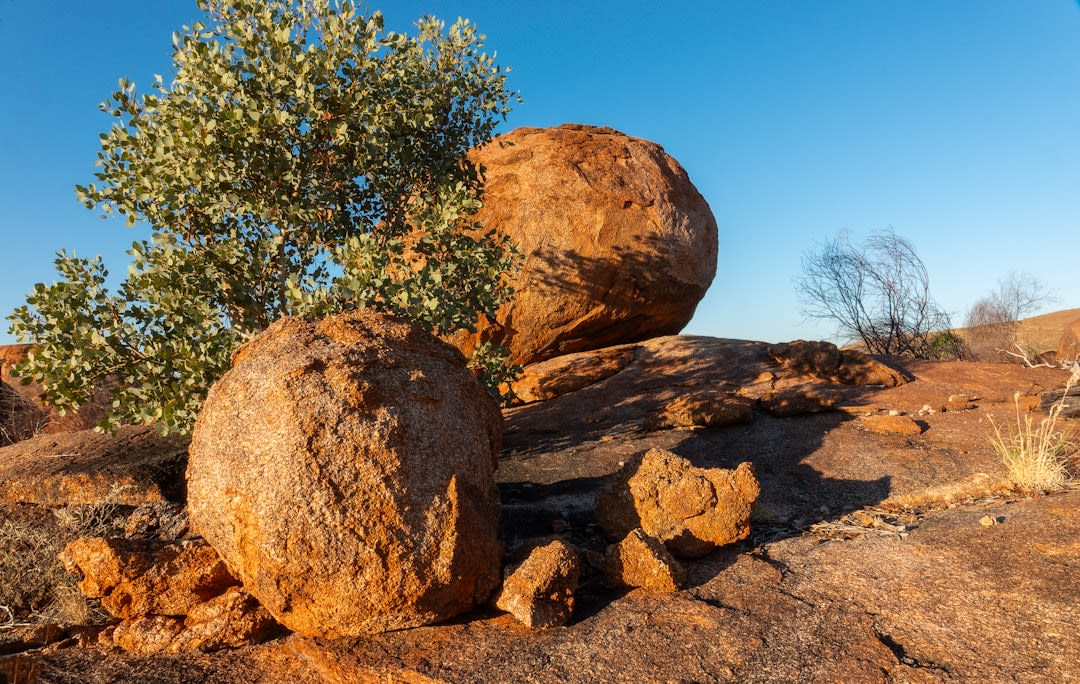
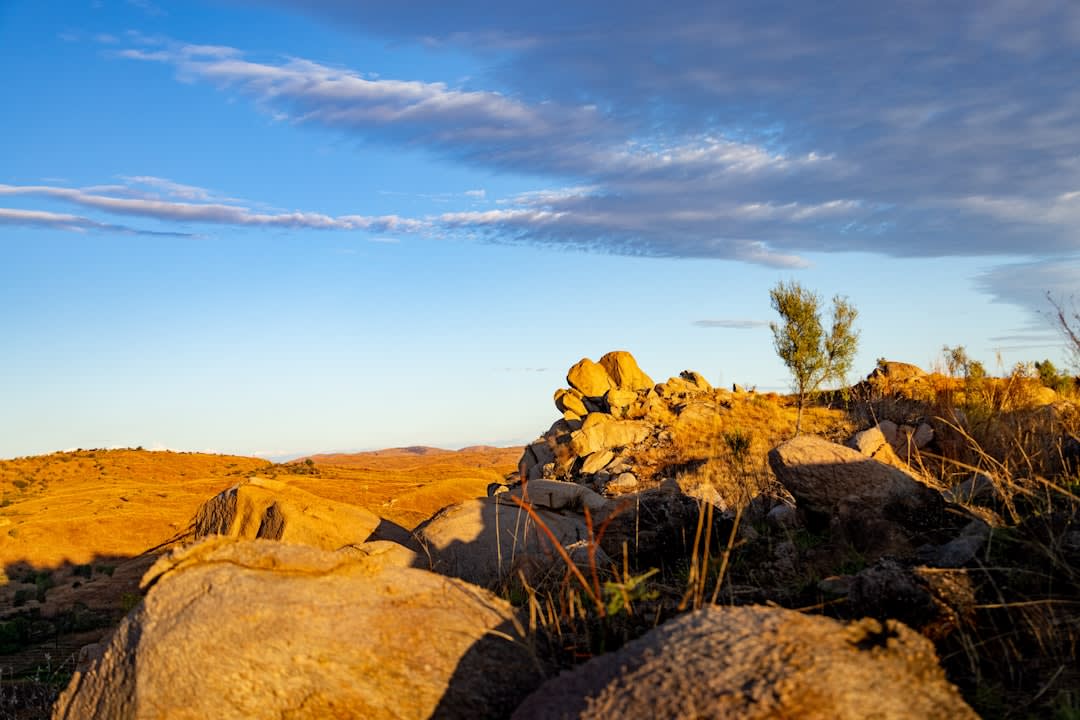
Cataviña is not really a town — it is a boulder field that happens to have a gas station, a hotel, and a handful of houses scattered through it, sitting almost exactly at the midpoint of the drive between Ensenada and Guerrero Negro. The landscape here stopped me cold the first time I drove through: granite boulders the size of houses, rounded and stacked by millions of years of erosion, spread across the desert floor for miles in every direction, with cardón cacti — some over sixty feet tall — growing improbably out of cracks in the rock itself. It looks staged. It is not.
I stayed the night at the old Hotel Misión, a faded but functional property built in the 1970s during Mexico’s push to develop the transpeninsular highway, and walked out into the boulder field at sunset with no particular destination. The rocks hold heat long after the sun drops, and climbing up onto one of the larger formations to watch the light go orange and then purple over an ocean of granite and cactus remains one of the quietest, strangest evenings I’ve had anywhere in the country. A ranchero named Don Efrén, who has lived in Cataviña his whole life running cattle through the boulders, told me his grandfather used to navigate the field at night purely by the shapes of specific rocks, the way sailors read stars.
Just north of the boulder field, a short walk off the highway leads to a small collection of faded rock paintings at a site called Cueva Pintada de Cataviña — smaller and less famous than the sites in the Sierra de San Francisco, but freely accessible without a guide, and worth the ten-minute detour if you’re already stopping. The real reason to linger in Cataviña, though, is simply to be in the boulders as the light changes, watching a landscape that looks unfinished and ancient at the same time.
When to go: October through April, when daytime desert heat is bearable for walking among the rocks. Fill your gas tank before and after — Cataviña’s station has a well-earned reputation for running dry.
Keep exploring
More from Baja California
 baja-california
 El Rosario
The last town before the real Baja begins — famous for a lobster burrito, a legendary family kitchen, and the moment the paved road stops pretending.
Explore baja-california
 Ensenada
A port city where the fish tacos come wrapped in paper, the wine country begins just east, and the Pacific is never far from anyone's mind.
Explore baja-california
 Guerrero Negro
A flat, windswept salt town on the 28th parallel where gray whales fill a lagoon of the same brine that fills the trucks rolling out of the world's largest saltworks.
Explore baja-california
 Isla Espíritu Santo
A UNESCO-protected desert island off La Paz where sea lion pups tumble over snorkelers and turquoise coves cut into red volcanic cliffs.
Explore baja-california
 La Bufadora
A marine blowhole on Punta Banda near Ensenada where compressed seawater erupts through a sea cave with a boom you feel in your chest.
Explore baja-california
 La Paz
Baja's capital city earns its name — calm bay, whale sharks in the shallows, and a malecón where the whole city comes to watch the light change over the water.
Explore