
Bahía de los Ángeles
"I snorkeled beside a whale shark twice my truck's length and it did not so much as flinch."
An isolated Sea of Cortez bay ringed by desert islands where whale sharks feed at the surface and the only sounds at night are wind and the occasional generator.
Getting to Bahía de los Ángeles requires a deliberate detour — a forty-mile spur road off the transpeninsular highway that drops out of the mountains and delivers you, almost without warning, to one of the most beautiful bays in Baja. A scatter of volcanic islands sits offshore, the water shifts between teal and navy depending on the depth, and the town itself is a loose scatter of low buildings, a handful of small hotels, and a population that has hovered around a few hundred people for decades. There is no bank, spotty cell signal, and a single gas station that occasionally runs dry. I loved it immediately.
The bay is a whale shark nursery for much of the year, and swimming with juveniles here is a different experience than the crowded operations elsewhere in Mexico — a couple of small boats, a guide who cuts the engine well before you’re close, and then you’re in the water with an animal the length of a school bus feeding placidly on plankton, utterly indifferent to you. I have snorkeled with whale sharks in two other countries and none of those encounters felt as unhurried or as quiet as this one.
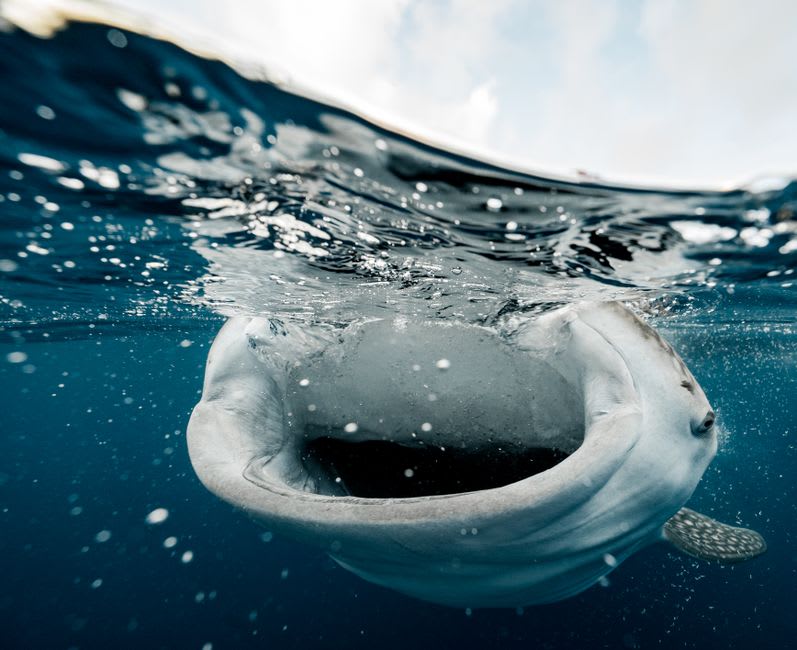
Beyond the whale sharks, the bay is a base for exploring Isla Ángel de la Guarda, the second-largest island in Mexico, and a scatter of smaller islets that host sea lion colonies and osprey nests. A fisherman named Chuy took me out for a half day and pointed out the ruins of an old mining operation on the shore, remnants of a silver boom from the early twentieth century that briefly gave the bay a railway and a smelter before the ore ran thin and the desert reclaimed everything but the foundations. At night, with no light pollution for a hundred miles in any direction, the stars over the bay are the kind that make you feel genuinely small.
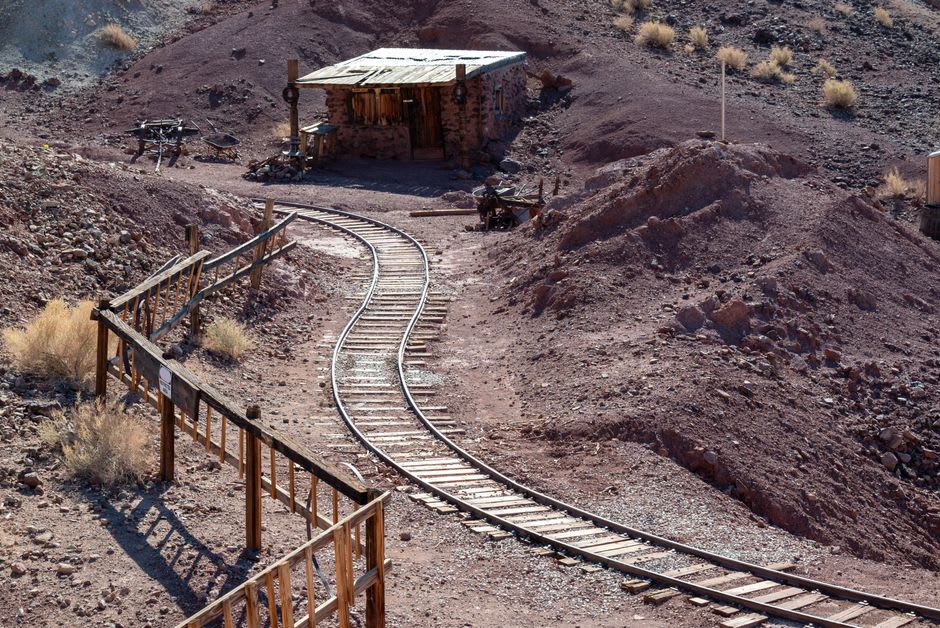
When to go: Whale sharks are most reliable from late May through September. Winter brings cooler, clearer air and excellent conditions for kayaking around the islands, though the water is too cold for casual swimming.