Bahrain National Museum
"Four thousand years of trade routes, and almost nobody in the gallery to share them with."
A corniche-front museum that makes the case, room by room, for Bahrain as the ancient civilization of Dilmun rather than a Gulf afterthought.
I went to the Bahrain National Museum mostly to kill an afternoon between appointments and ended up staying three hours, which tells you something about how badly I’d underestimated it. The building sits right on the Manama waterfront, all clean concrete lines from the 1980s, and inside it makes an argument I hadn’t fully absorbed until then: that Bahrain was Dilmun, the trading hub that shows up in Sumerian tablets as a paradise of sweet water and pearls, sitting at the crossroads between Mesopotamia and the Indus Valley for thousands of years before oil made anyone care about it for other reasons.
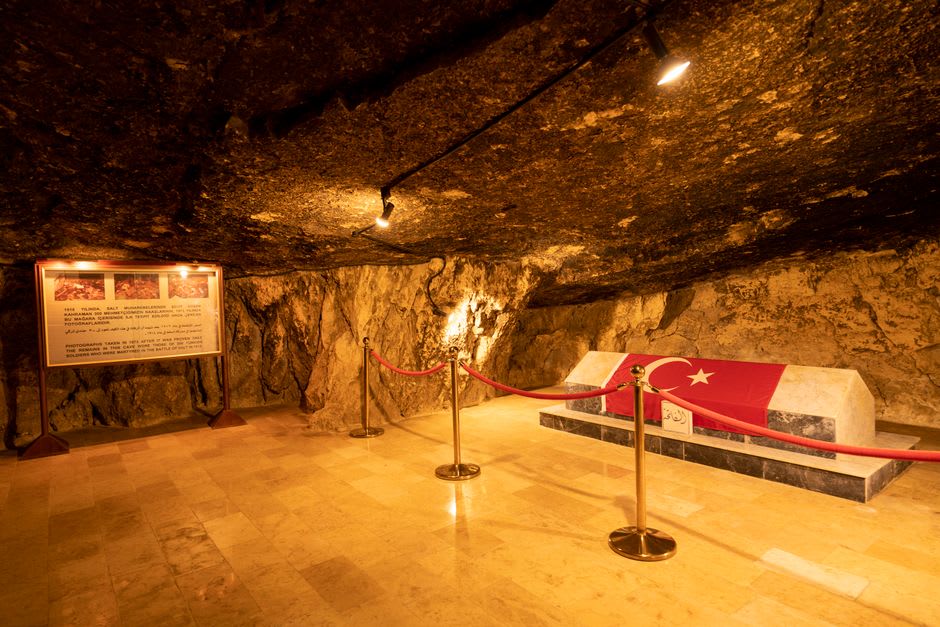
The burial mounds hall is the one that stuck with me — full-scale reconstructions of the tumuli that dot the Bahraini countryside by the tens of thousands, along with the skeletons and grave goods pulled from them, laid out with a plainness that let the scale speak for itself. A hundred thousand burial mounds on an island this small is a genuinely strange fact to sit with, and the museum doesn’t oversell it. It just shows you the evidence and steps back.
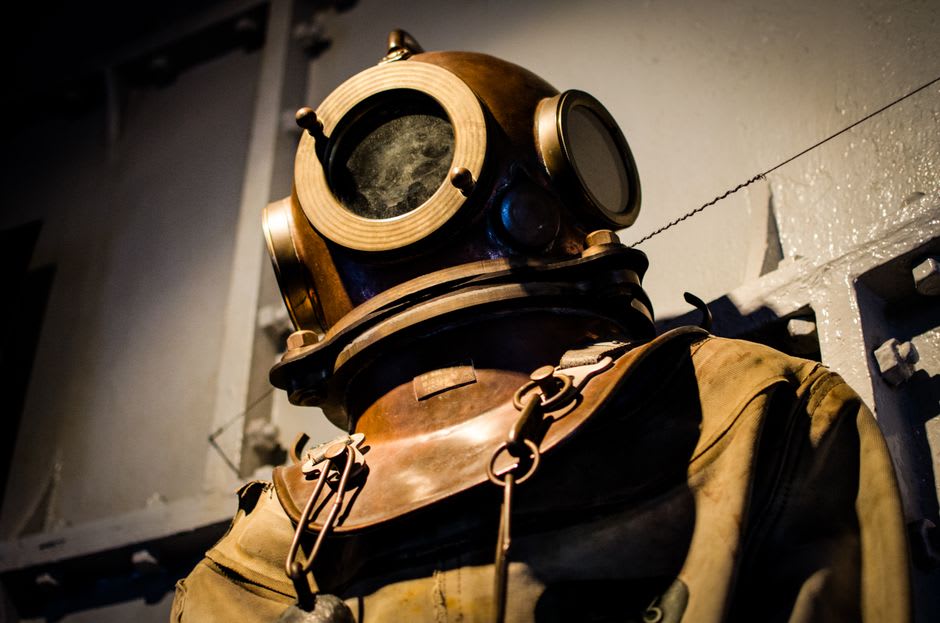
Upstairs, the pearl-diving gallery covers the industry that built Manama’s old wealth before oil — the free-diving techniques, the nose clips carved from turtle shell, the ledgers that recorded how divers were perpetually in debt to the boat captains who financed each season’s expedition. I stood a long time in front of a small black-and-white photograph of a pearling crew from the 1930s, all of them impossibly young, and thought about how recently this way of life had actually ended.
When to go: Any day it’s open works — the museum is air-conditioned and mercifully empty most weekday mornings. Budget at least two hours if you actually want to read the wall texts, which are worth reading.
Keep exploring
More from Bahrain
 bahrain
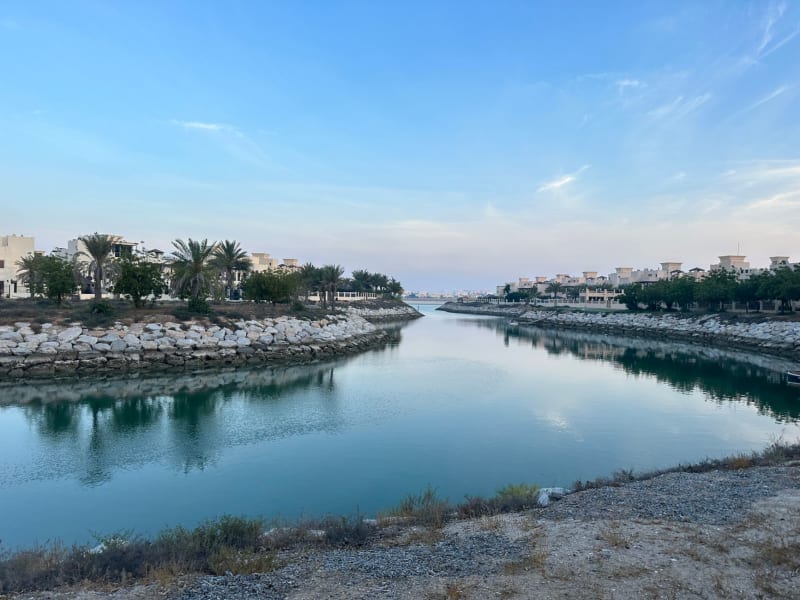
 Qal'at al-Bahrain
A Portuguese fort sitting on top of 4,000 years of layered civilizations, at the edge of the sea, with almost no one else around.
Explore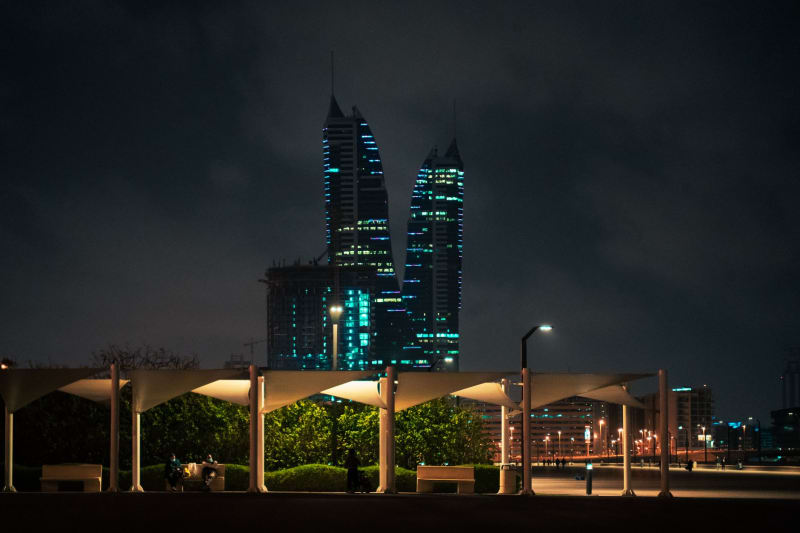 bahrain
 Riffa
Bahrain's second city hides a hilltop fort above a wadi that most visitors racing toward the Formula 1 circuit never stop to find.
Explore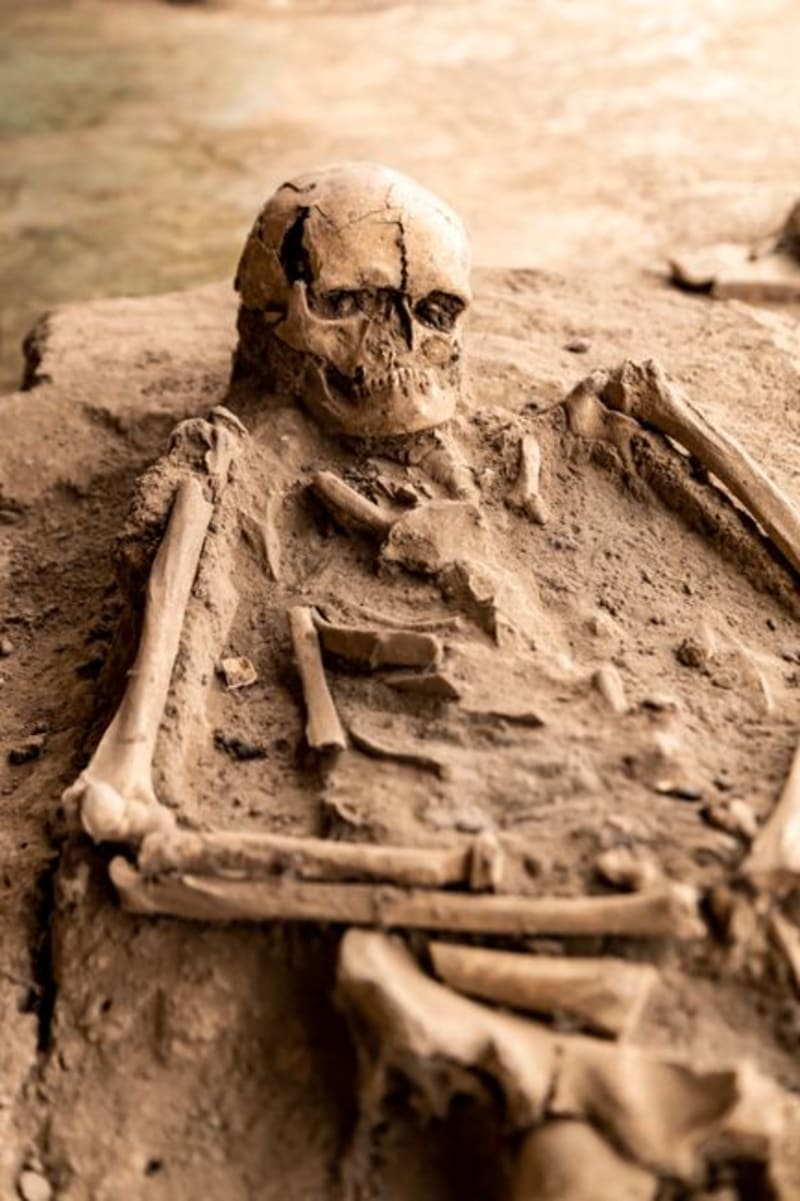 bahrain
 Saar Burial Mounds
A field of four-thousand-year-old Dilmun burial mounds sitting between a highway and a housing estate, entirely unguarded and mostly unvisited.
Explore bahrain
 Sitra
An industrial island of refineries and power plants that still holds onto date groves, fishing jetties, and a working-class warmth Manama has lost.
Explore bahrain
 Tree of Life
A single 400-year-old mesquite tree standing alive in a barren desert plateau with no water source and no satisfying explanation.
Explore bahrain
 A'ali
A village of working potters sitting among tens of thousands of Bronze Age burial mounds — Bahrain's most surreal archaeological landscape.
Explore