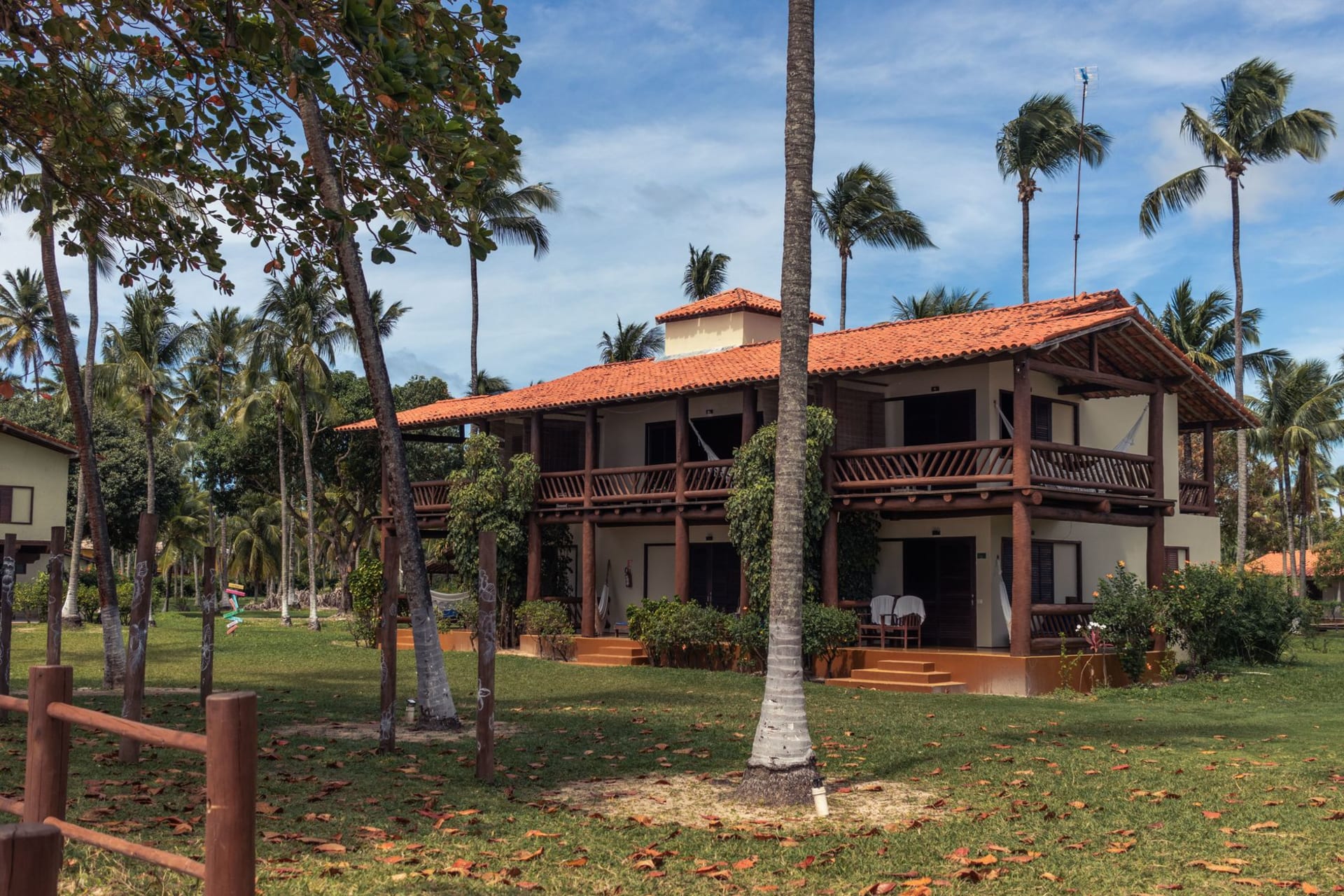
Morro de São Paulo
"The water here runs through about twelve shades of green and blue before it gets to the horizon — I stopped counting at eight."
The boat from Valença takes forty minutes across the Tinharé archipelago, and for the first twenty minutes all you see is mangrove. Then the fort appears — the seventeenth-century Portuguese colonial fortifications rising on a headland above a beach so white it looks photoshopped — and something in you relaxes that you did not know was tense. Morro de São Paulo has no cars. This sounds like a minor fact until you have been there for twelve hours and realize how much of travel anxiety is simply traffic noise.
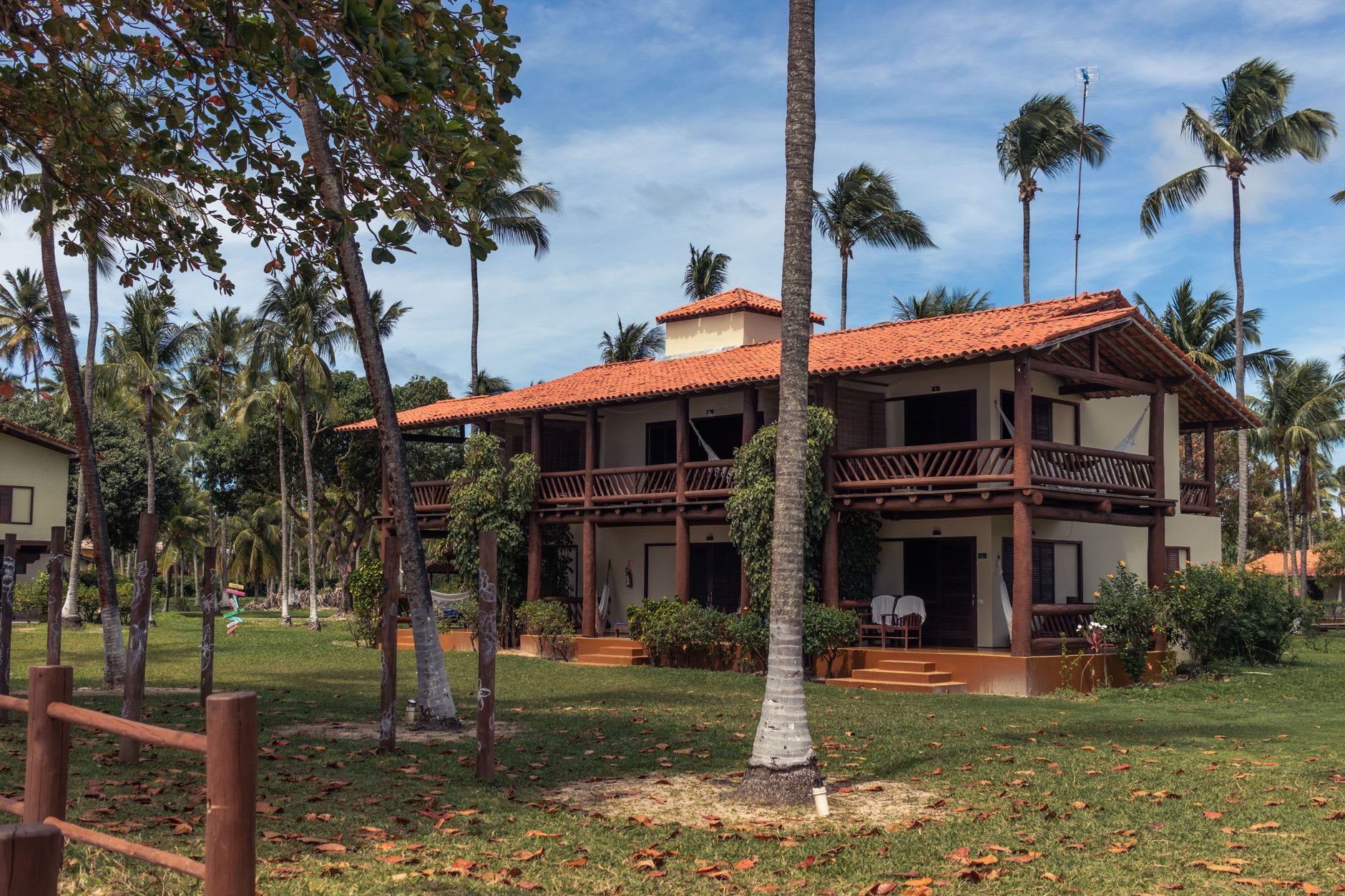
The beaches are numbered, and the numbering functions as shorthand for the kind of experience you are looking for. The First Beach (Primeira Praia) is small, tight, and usually has someone selling cold Skol and loud music — it is the social beach, the one where you end up having a conversation with a Swedish couple and a Bahian family simultaneously. The Second Beach (Segunda Praia) is the main strip — bars, pousadas spilling onto the sand, beach volleyball, the whole summer resort scene, which in Brazil is not a pejorative. The Third and Fourth beaches are calmer, with clearer water and the feeling that the island is actually a natural place rather than a human infrastructure project barely containing the sea.
I found myself spending most of my time on the Fourth Beach at low tide, when the sandbanks emerge and turn the water into something the color of lime juice. The reef breaks the Atlantic swells, and the swimming inside it has the quality of a natural swimming pool — warm, transparent, entirely still. I read three-quarters of a novel there over two afternoons and felt no guilt whatsoever.

The village at the top of the hill — reached by a steep stone path that winds past the old fort walls — is where the pousadas are, where the restaurants serve moqueca in clay pots that leave you unable to eat again for several hours, and where the capoeira school gives a demonstration every evening in the main square that manages to be both genuinely skillful and slightly touristic at once. I ate at a place on the square three nights running where the owner — a woman named Dona Lúcia — served the same fish stew each evening with minor variations, and each version was better than anything I could cook from a recipe.
When to go: December through March is peak season and peak price — Brazilians arrive in force and the island gets genuinely crowded. May through August is the shoulder: less crowded, water still warm enough, some restaurants closed. The sweet spot is September through November, with full services and manageable visitor numbers.