
Caraíva
"To reach the village you leave your car on one bank, get in a canoe, and let a man with a pole decide your arrival."
The river does the gatekeeping
Caraíva makes you earn it, and that is the whole charm. It sits at the mouth of a river on the southern Bahian coast, below Trancoso, and there is no bridge — when the dirt road ends, you park, carry your bags down to the water, and a boatman ferries you across in a wooden canoe. I did this at dusk, the river running dark gold, a heron standing on the far bank like it had been hired for the scene, and I felt the day’s tension drain out through my shoes. On the other side there are no cars. There are no paved roads. There is sand, and there are houses, and there is the sound of the sea.
The village is small enough to learn in an afternoon. The streets are deep soft sand, which means everyone walks slowly whether they intend to or not, and at night they are lit by lanterns and the open doors of the pousadas because Caraíva resisted full electrification for decades and still keeps the lighting deliberately low. Lia and I walked out to the beach after dark and the lack of streetlight did exactly what you would hope: the sky came down close and the Milky Way laid itself across it without apology.
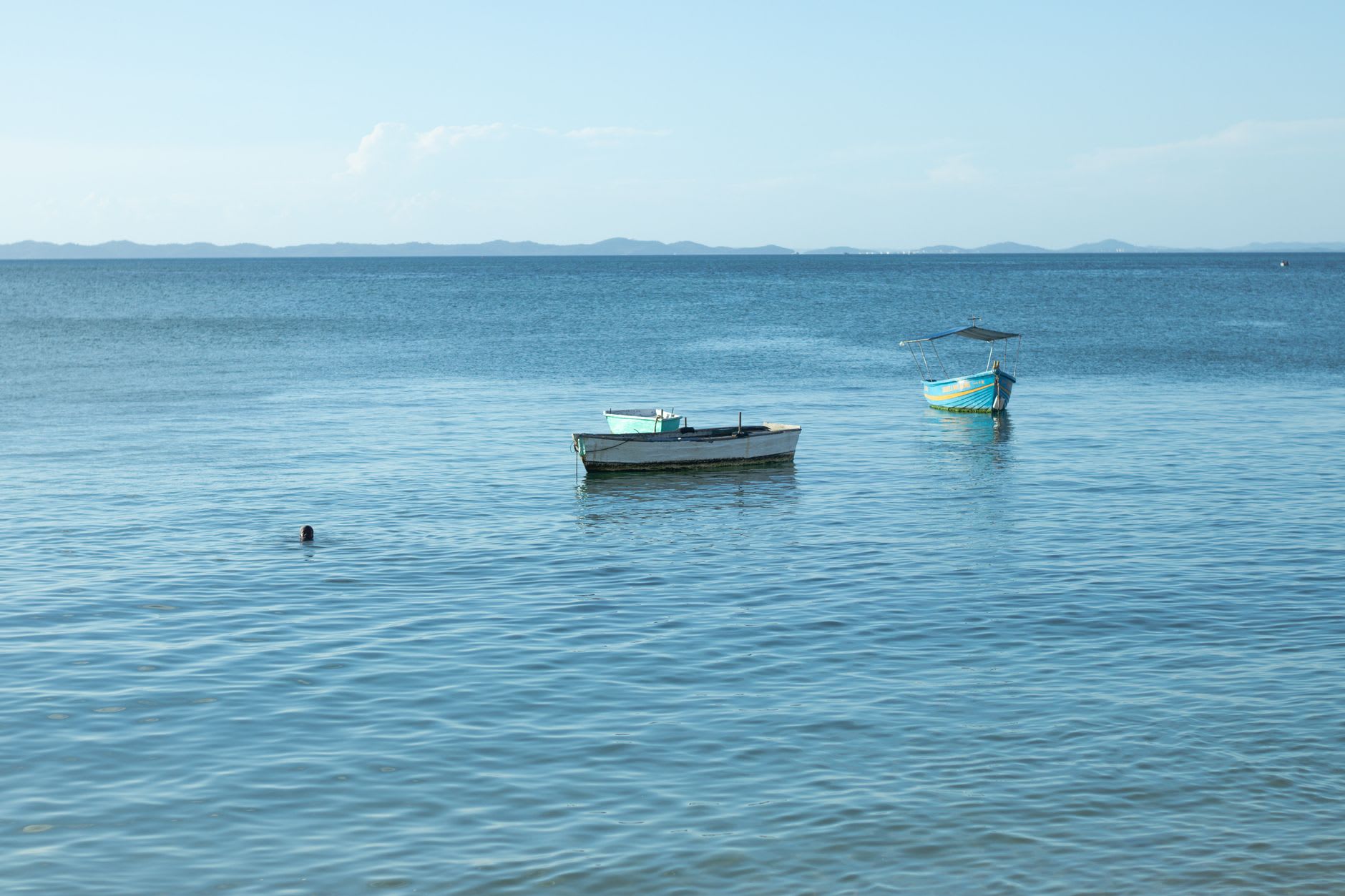
Beach, river, and the village across the water
The geography here is generous. On one side is the open Atlantic, a long unbroken beach where the surf comes in hard and the wind keeps the heat honest. On the other is the calm brown river, warm and shallow, perfect for the end of a hot day. And directly across the river mouth sits the indigenous Pataxó village of Barra Velha, whose people have lived on this coast since long before the Portuguese, and who run boat trips and sell crafts and cook in the village. I took a canoe upriver one morning with a Pataxó guide who pointed out medicinal plants and told me, without sentiment, how much of this coast his grandparents had watched change.
For all its remoteness, Caraíva is not austere. The pousadas are simple but comfortable, the kind of place where breakfast is fruit you have not tasted before and coffee strong enough to file a complaint about. In the evening the handful of restaurants serve moqueca — fish stewed in coconut milk, dendê palm oil and coriander, the dish Bahia does better than anywhere — and the bars put out small tables in the sand. There is forró music some nights, and people dance in pairs in a way that makes you aware of how little Northern Europeans touch each other.
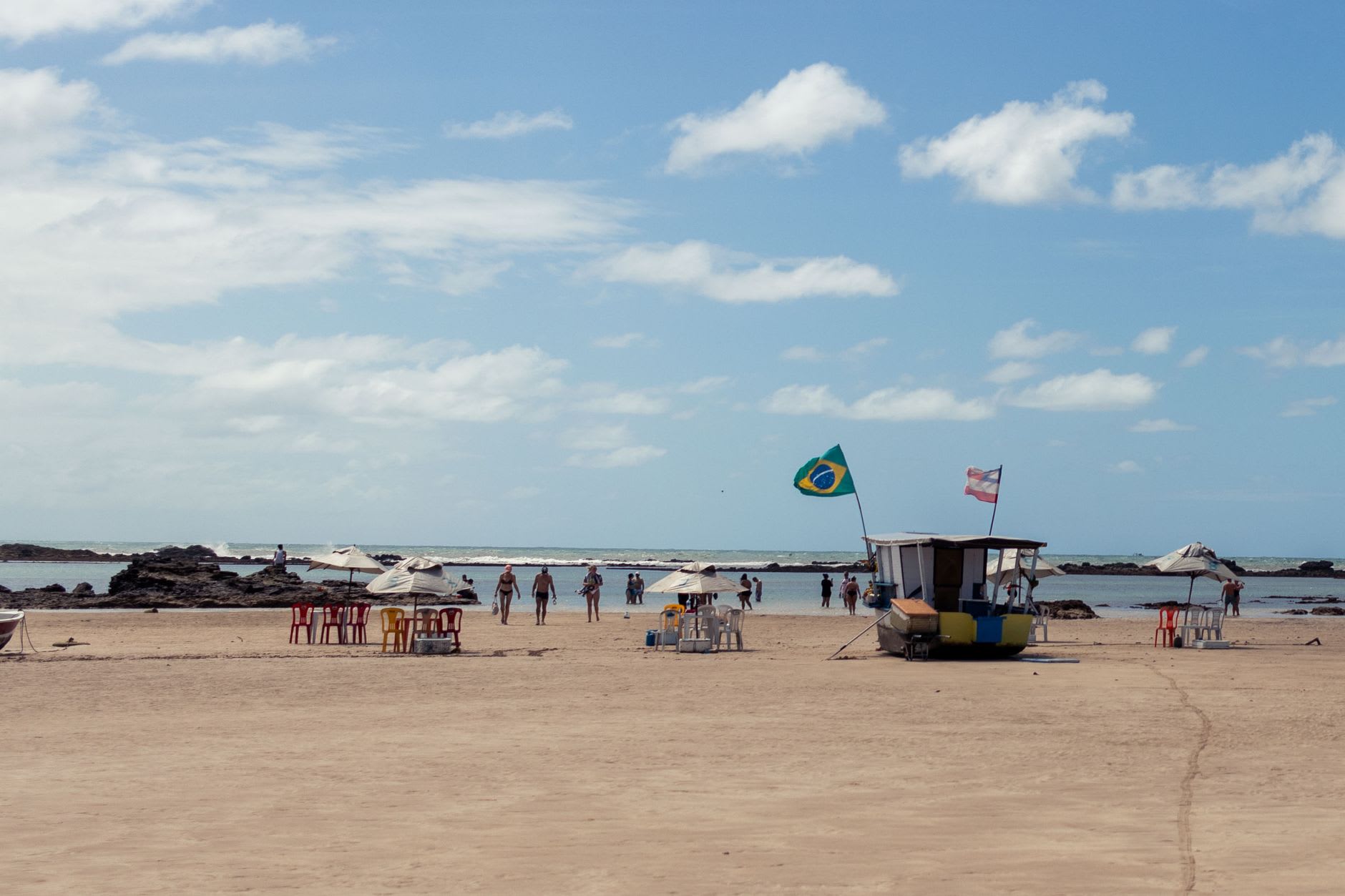
Letting it be slow
The thing to understand about Caraíva is that there is, deliberately, almost nothing to do, and that is the point. You swim, you read, you cross the river, you eat, you watch the stars, you go to bed early because there is no reason not to. I came intending to stay two nights and changed it to four within a day, which the pousada owner accepted with the unsurprised air of someone who has seen this happen many times.
When to go: December to March is hot, lively and the high season, when the beach bars are busiest and the nights are warm. April to June brings rain and a quieter, greener village. The dry winter months of July to September are mild and calm, my favorite, though the sea is rougher. Bring cash — there is no ATM in the village — and a torch for the sandy streets.