San Salvador
"Whatever beach it actually was, the whole island still feels like the edge of something, which is probably the more honest history anyway."
The remote island where Columbus is traditionally said to have first stepped ashore in the Americas, now ringed by some of the best wall diving in the hemisphere.
San Salvador sits alone in open Atlantic water, roughly two hours by small plane from Nassau, far enough from the rest of the archipelago that it never developed the ferry-hopping, island-to-island rhythm of the Exumas or the Abacos. It is traditionally identified as the site of Christopher Columbus’s first landfall in the Americas in October 1492, and the island leans into that claim with a modesty I found likeable — a plain white cross on a beach near Long Bay, a small stone monument, and a low-key museum, rather than anything approaching a theme park. Historians still argue about which island Columbus actually reached first, and San Salvador itself has changed names twice over the centuries as different claims rose and fell, but standing on that beach with the same trade wind that would have filled his sails, the argument felt academic in the best sense.
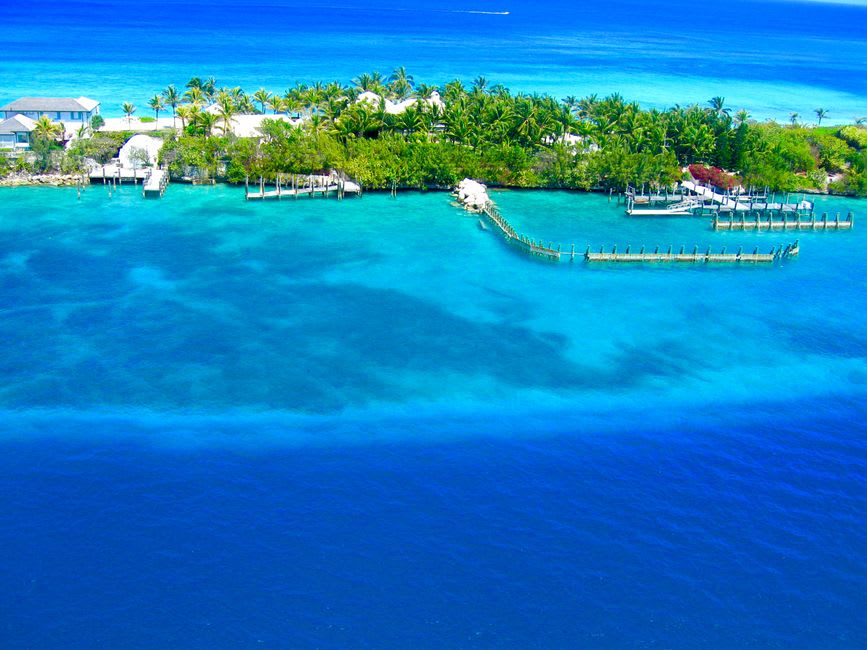
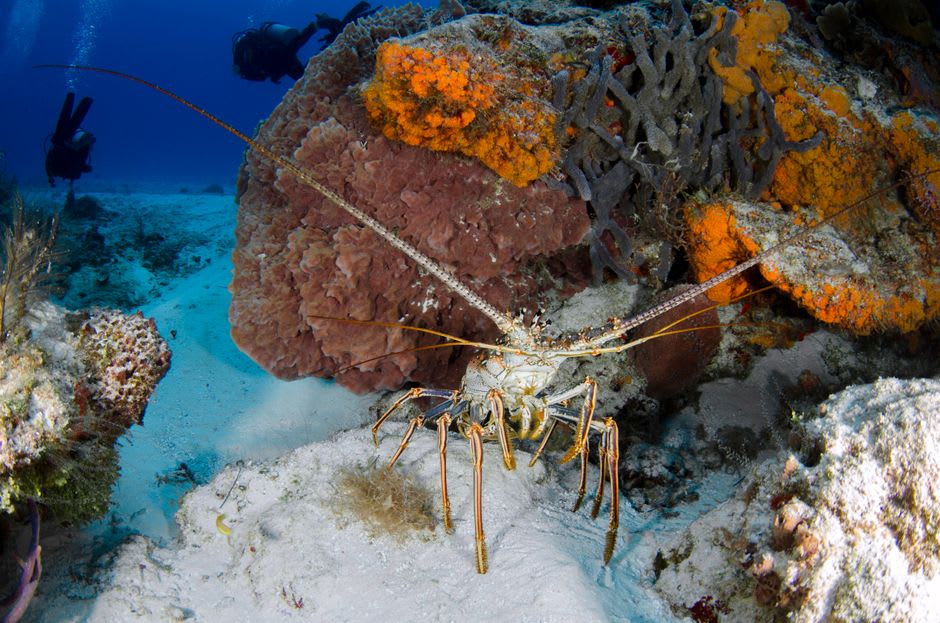
What actually justifies the trip today, history aside, is the diving. San Salvador drops off into a nearly vertical wall just offshore in several places, dropping from thirty feet to well over a thousand within a short swim, and the water clarity here regularly exceeds a hundred feet of visibility because there’s so little runoff or boat traffic to cloud it. I did a wall dive at Telephone Pole that started in a garden of soft coral and ended staring down into genuinely intimidating blue nothing, with reef sharks passing below at a depth I couldn’t estimate. The island’s interior holds several landlocked saline lakes, remnants of an ancient reef system, where American flamingos sometimes gather in the shallows, feeding in that oddly mechanical, head-down posture that makes them look like they’re searching for something they dropped.
Cockburn Town, the island’s only real settlement, is small enough to walk end to end in twenty minutes, and evenings there are quiet in a way that felt earned rather than merely remote — a few bars, a dock, and a sky with almost no competing light, so the stars come in dense and immediate the moment the sun is fully down.
When to go: April through July offers the calmest seas and best diving visibility. Flights are limited, so book well ahead and confirm connections through Nassau.
Keep exploring
More from The Bahamas
 bahamas
 Spanish Wells
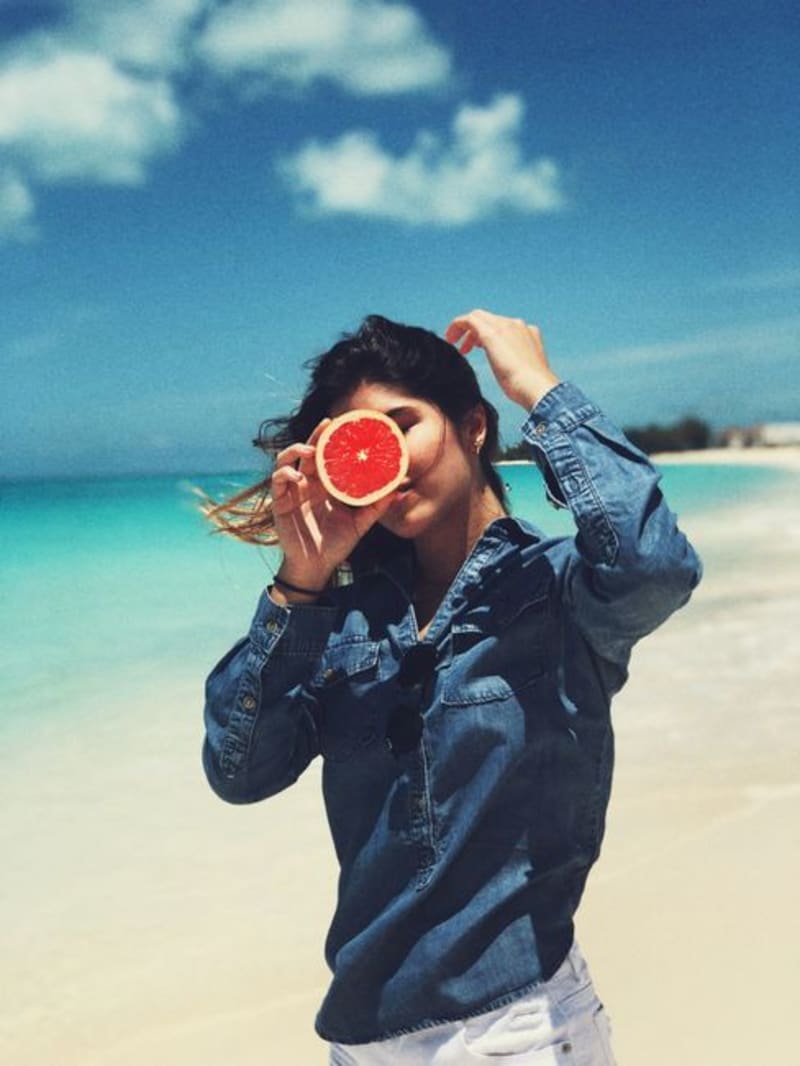
A tidy fishing town on its own small cay off Eleuthera, built by lobster money and populated almost entirely by descendants of the same handful of Loyalist families.
Explore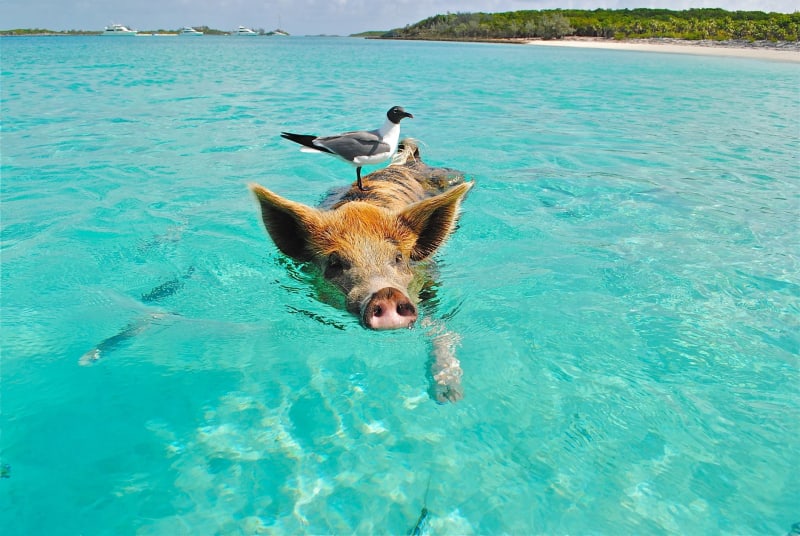 bahamas
 Staniel Cay
A tiny Exumas village where swimming pigs paddle out to your dinghy and a Bond villain's sea cave waits in the next bay.
Explore bahamas
 Acklins
Crooked Island's quieter sister across the Bight, where bonefish outnumber tourists by a margin nobody bothers to calculate.
Explore bahamas
 Andros
The Bahamas' largest and least-visited island — a tangle of mangroves and blue holes wrapped around the world's third-longest barrier reef.
Explore bahamas
 Bimini
The nearest Bahamian shore to Florida, where Hemingway drank and fished and a wall of standing stones convinced someone it was Atlantis.
Explore bahamas
 Cat Island
A quiet ridge of an island with an eccentric stone monastery on its highest hill and beaches so empty they feel personally addressed to you.
Explore