Ragged Island
"Hurricane Irma all but erased Duncan Town in 2017. The people who came back did it because it's theirs, not because it was easy."
A near-abandoned salt-raking outpost at the southern edge of the archipelago, flattened by Hurricane Irma and rebuilding on its own quiet terms.
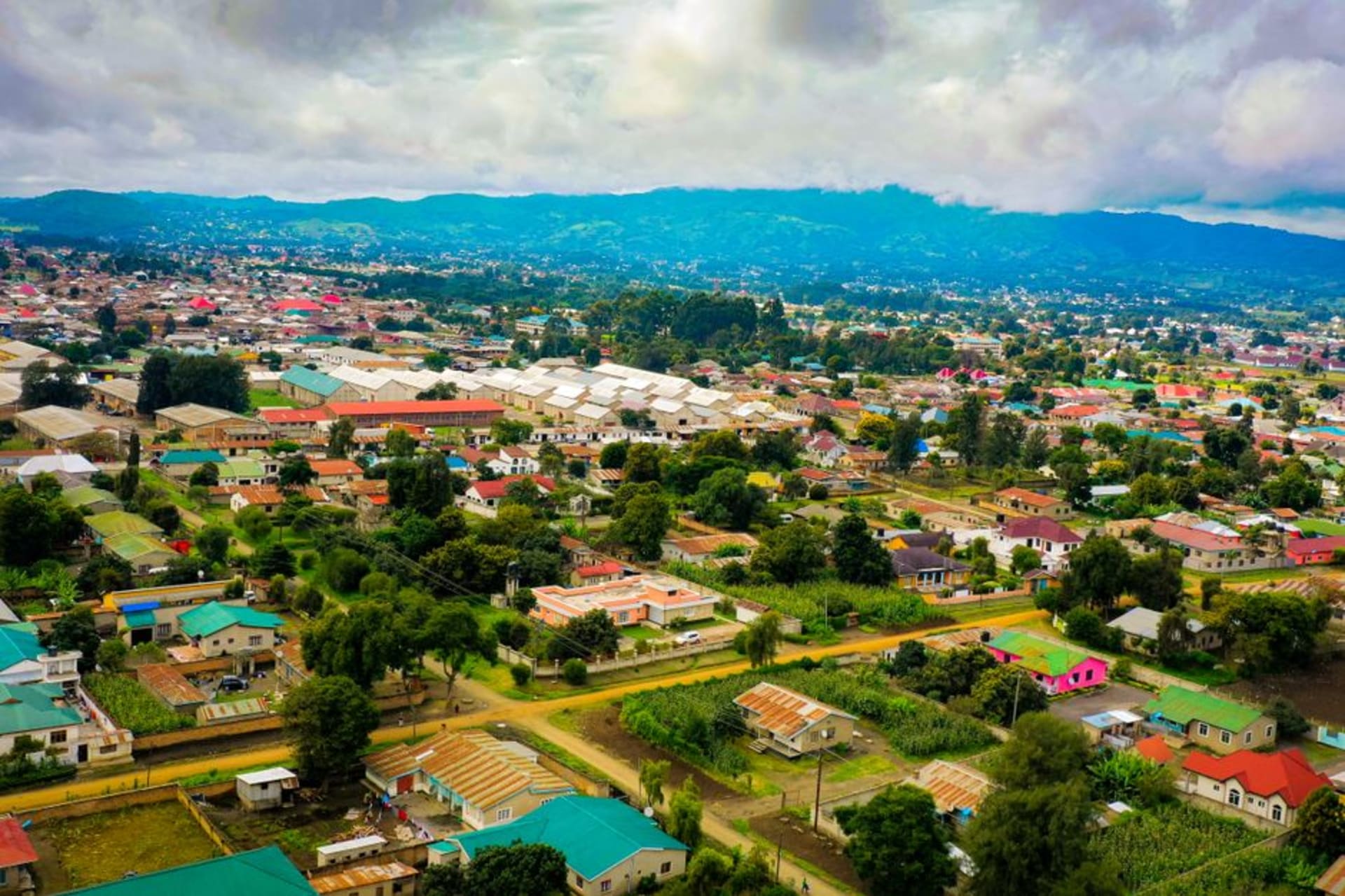
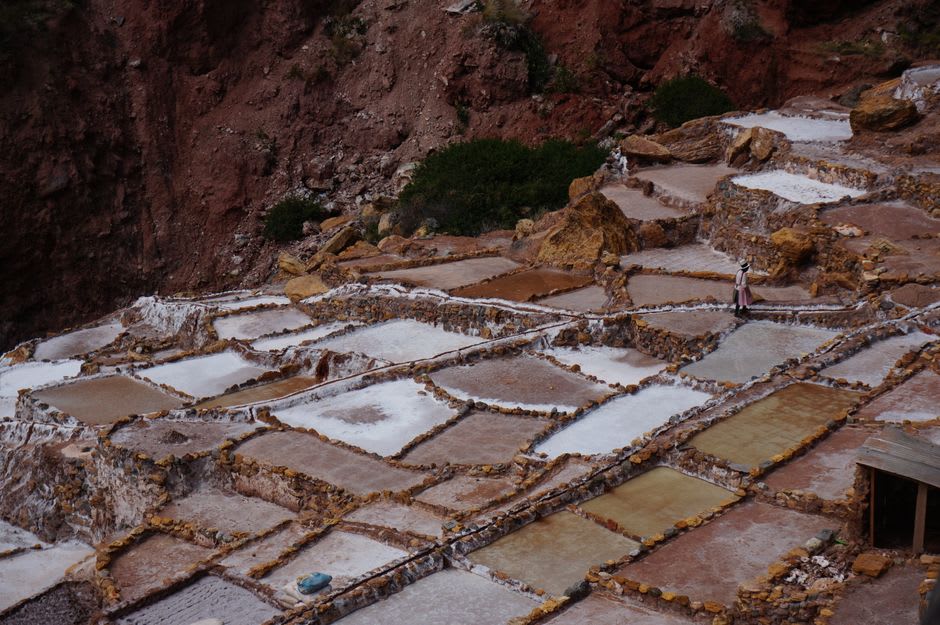
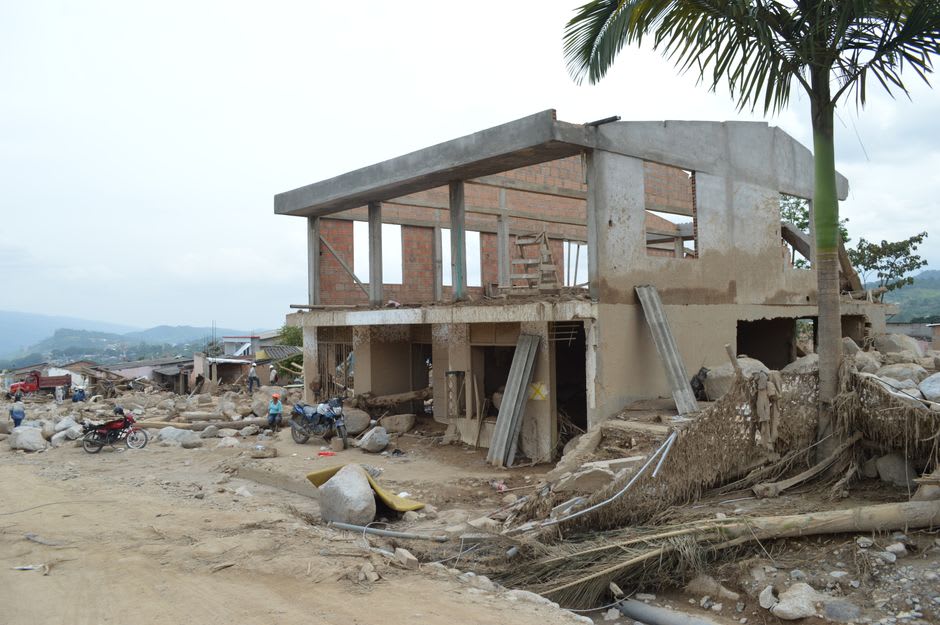
Ragged Island sits at the far southern tip of the Bahamian archipelago, closer to Cuba than to most of the country it belongs to, and its only settlement, Duncan Town, was for generations one of the last places in the Bahamas where salt raking survived as a real, working industry rather than a historical footnote — men and women out on the flats with rakes and baskets, harvesting sea salt from shallow pans the way it had been done here since the eighteenth century. Hurricane Irma passed directly over the island in September 2017 and did close to total damage to Duncan Town, destroying homes, the clinic, and most public buildings, and for a period the government evacuated nearly the entire remaining population, leaving the settlement close to empty.
What’s happened since struck me as one of the more quietly remarkable stories in the Bahamas: a small, determined group of residents came back, and Ragged Island became the pilot site for a government plan to convert the island entirely to solar power, an ambition explicitly framed as turning the storm’s devastation into a chance to rebuild differently rather than simply replace what was lost. When I visited, Duncan Town was still clearly a place in slow recovery — some buildings restored, others still roofless — but the handful of people I met there spoke about the island with a proprietary warmth that had nothing performative in it.
The waters around Ragged Island and its surrounding cays are part of a large, still relatively undisturbed marine environment, and the fishing here, both commercial and recreational, remains excellent precisely because so few boats work these grounds. I went out for a half-day with one of the returning fishermen, who talked more about the storm than about the fish, in the matter-of-fact way people describe events too large to editorialize about anymore.
When to go: Access is limited and irregular — flights and mailboat service run infrequently, so this is a trip for travelers with flexible schedules and low expectations for infrastructure. Confirm current conditions before planning, given the island’s ongoing rebuilding.