Andros
"Andros doesn't perform for visitors. It just exists, on its own terms — which is the highest compliment I can give a place."
The ferry from Nassau crosses the Tongue of the Ocean — a deep-water channel that drops six thousand feet in a straight line between the capital and the island — and takes two hours and thirty minutes. I spent most of the crossing watching flying fish skim the surface in short, silvery arcs, and thinking about the fact that Andros is the largest island in the Bahamas by a wide margin, covers an area larger than all the other islands combined, and is also the least visited. Nobody markets Andros aggressively. The roads are rough. The accommodations are modest. The interior is a vast, partially unmapped tangle of mangroves and tidal flats that the Bahamian government has been trying to understand for decades. This is precisely why I came.

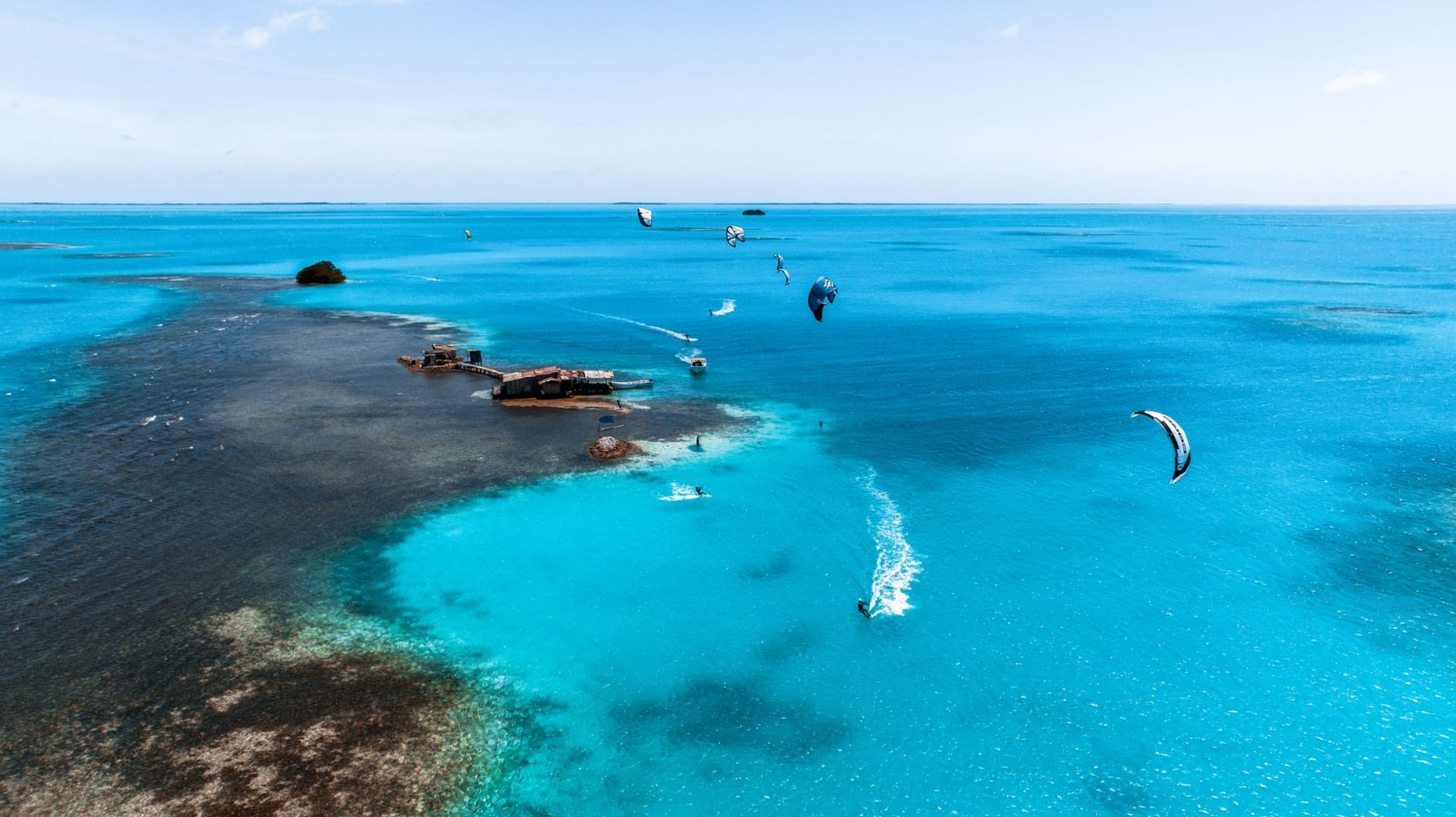
The reef runs along the island’s eastern edge for a hundred and forty miles and drops from the shallows into the Tongue’s walls with the abruptness of a cliff. Divers have described the wall dive there — the reef surface at twenty metres, then the wall vanishing into deep blue below — as one of the most dramatic in the Atlantic. I am not a certified diver, so I took a guided snorkel along the reef flat instead and watched angelfish move through brain coral formations while a barracuda hung motionless at the edge of my vision, doing what barracudas always do, which is to exist just outside the range where you feel comfortable ignoring them. The bonefishing flats on the western side of the island are a different relationship with water entirely. Andros is often called the bonefish capital of the world — the vast shallow tidal flats produce conditions where the silver fish thrive and the sport of finding and stalking them on foot has a small, devoted following. My guide, a man from Fresh Creek who had been doing this since his father taught him, walked through ankle-deep water reading the bottom with his eyes and said almost nothing for three hours. When he finally pointed — “there, moving left” — I couldn’t see it until it was gone.

Andros Town has the Androsia batik factory, which has been producing hand-printed fabric on the island since 1973 using a traditional wax-resist process and dyes in the colors of the Andros reef — sea-blue, turquoise, coral red. The factory floor is open to visitors and the smell of hot wax and cotton fabric in a warm room is its own specific sensory experience. Women work the tables with metal stamps and steady hands, and the fabric comes out in patterns that look, if you stare long enough, like aerial photographs of the very flats and channels outside. I bought a piece the size of a tablecloth and have used it as one ever since.
When to go: November through April for the calmest weather and clearest reef visibility. Bonefishing is excellent year-round but peaks in the cooler months of January through March when the fish are more active. Andros’s interior blue holes are best accessed with a local guide; several operators in Fresh Creek and Andros Town run day trips.