
Everyone tells you the Azores are green and grey and dramatic, a place of fog and crater lakes and weather that changes its mind before you finish a sentence. They are mostly right. Then there is Santa Maria, the oldest and most southeasterly island of the archipelago, which apparently never got the memo. Lia and I flew over on a tiny inter-island plane from São Miguel, expecting more of the same, and instead found white sand, whitewashed houses with terracotta roofs, and a sun that stayed out all day like it had something to prove.
The island that smells of warm stone
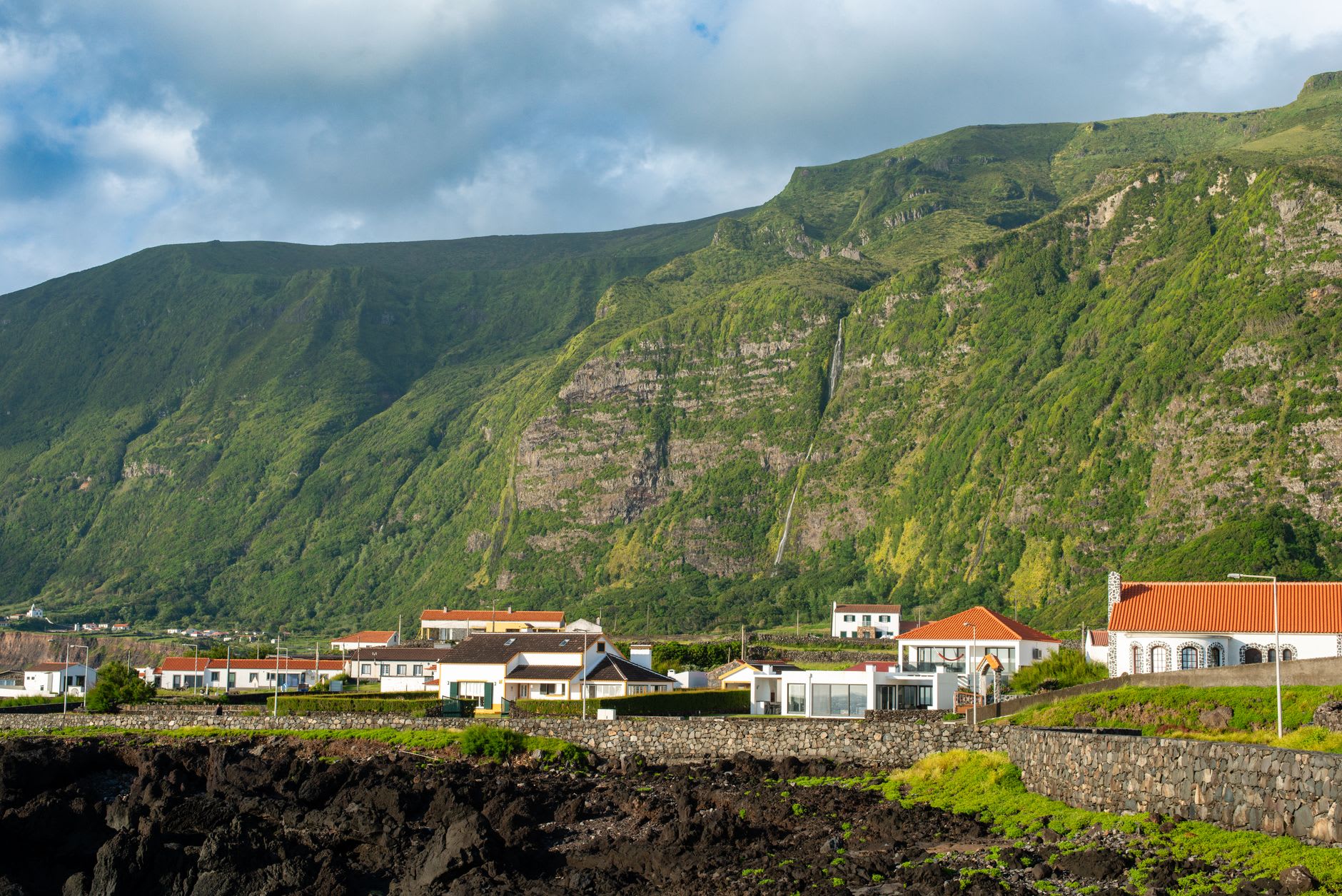
Santa Maria was the first Azorean island the Portuguese settled, in the 1430s, and it has the lived-in calm of somewhere that has had centuries to relax. The capital, Vila do Porto, runs along a single long street down to a working harbour. The villages inland — Santo Espírito, Almagreira — have a Moorish-tinged architecture you find nowhere else in the Azores: those tall, ornate chimneys, the bright trim around windows, a sense that someone here once cared a great deal about looking cheerful.
We drove the whole island in a day, which is entirely possible and slightly absurd. Around every bend the landscape shifted: vineyards in stone-walled pens near the coast, then a sudden lush green interior, then the red-earth badlands of the Barreiro da Faneca, a desert in miniature that locals call, with admirable bluntness, the Red Desert. Lia stood in the middle of it and said it looked like Mars had a Portuguese cousin. She was not wrong.
São Lourenço, and the swimming
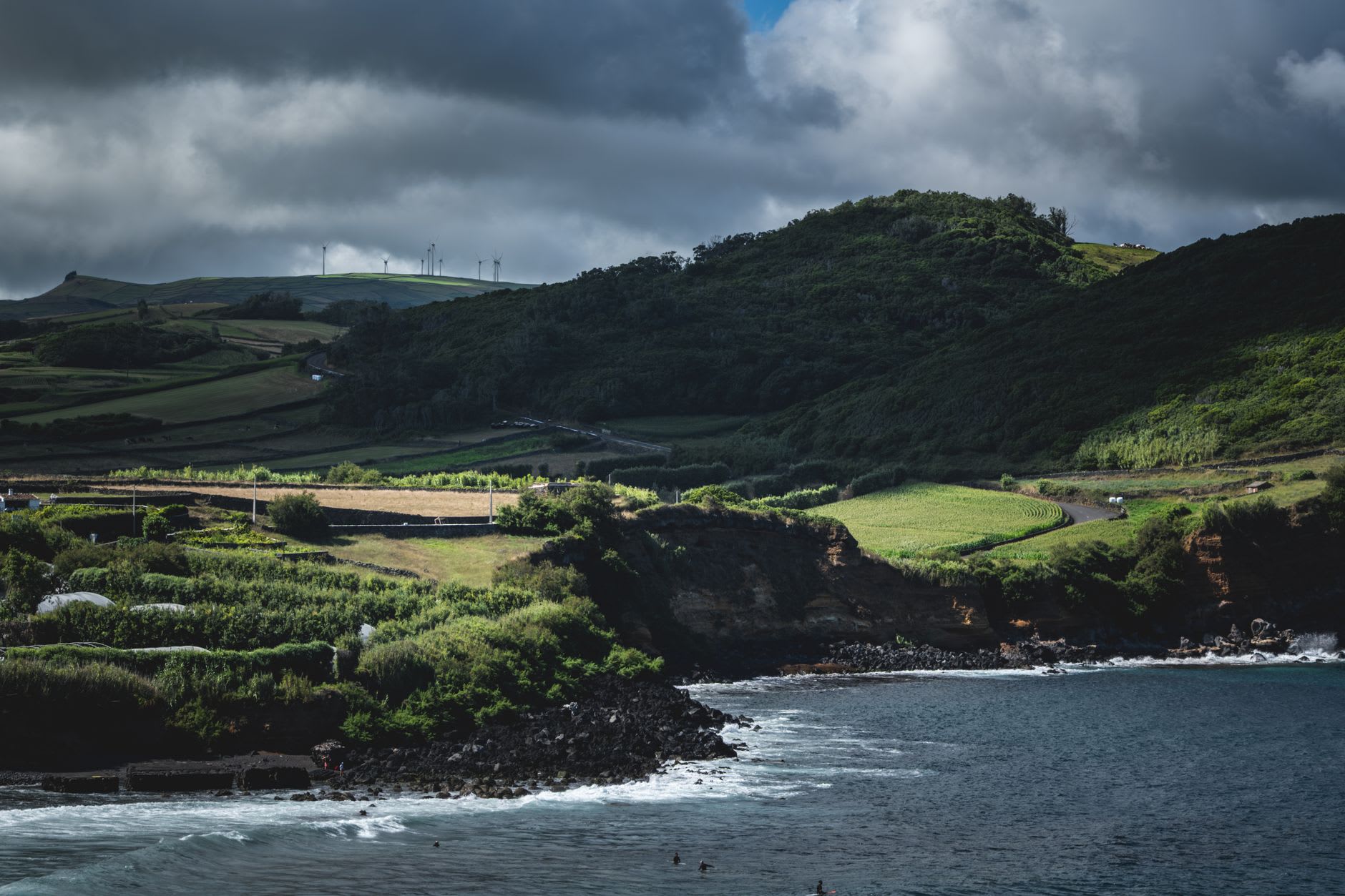
The thing I will remember longest is the Baía de São Lourenço, a near-perfect amphitheatre of a bay where vineyards climb the steep slopes in stone terraces right down to the water. We parked at the top, walked down more steps than my legs appreciated, and swam in water so clear I could count the pebbles two metres below my feet. A handful of locals were doing the same with the unhurried confidence of people who have this beach essentially to themselves.
Santa Maria also has actual sand, which in the Azores is a small miracle — most beaches here are black volcanic shingle. Praia Formosa is genuine golden sand, and it hosts a big music festival in August that turns the sleepy island briefly raucous. We went in shoulder season instead, had the beach nearly to ourselves, and ate grilled limpets and drinking too much of the crisp local wine at a shack that did not appear to have a menu, a sign, or any urgency whatsoever.
How to do it
There are flights from São Miguel that take well under an hour, and ferries in summer. You want at least two nights — a day feels rushed and the island rewards slowness. Rent a car; public transport exists in theory. Go between May and September for the warmth and the swimming, though even in those months pack a layer, because this is still the Atlantic and it occasionally remembers as much.
Santa Maria is the Azorean island people skip on the way to the famous ones. Skip the skipping. It is the rare place that lets you do almost nothing, beautifully.