
Pico Island
"The mountain is always there, even when you can't see it — you feel its weight."
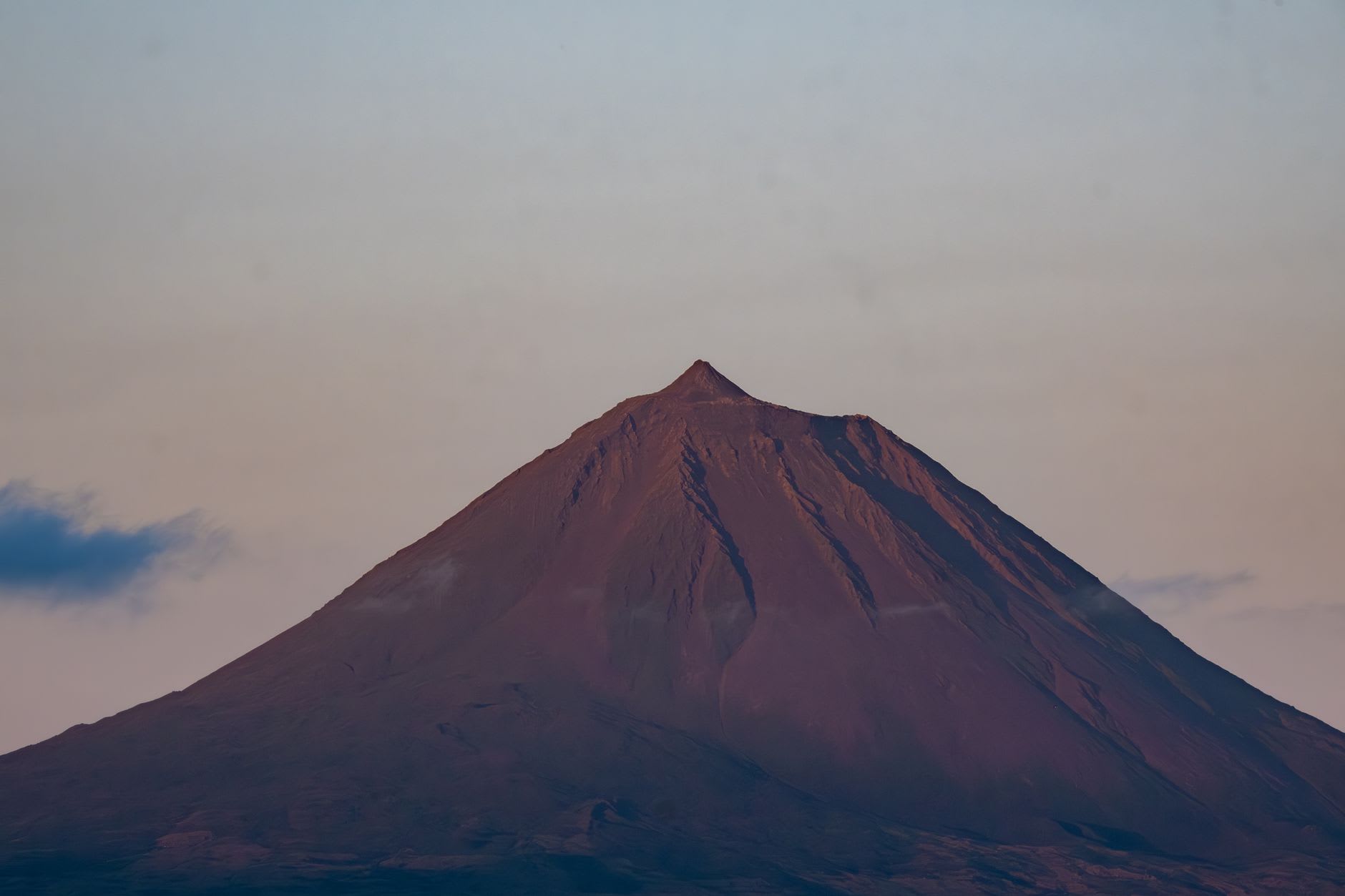
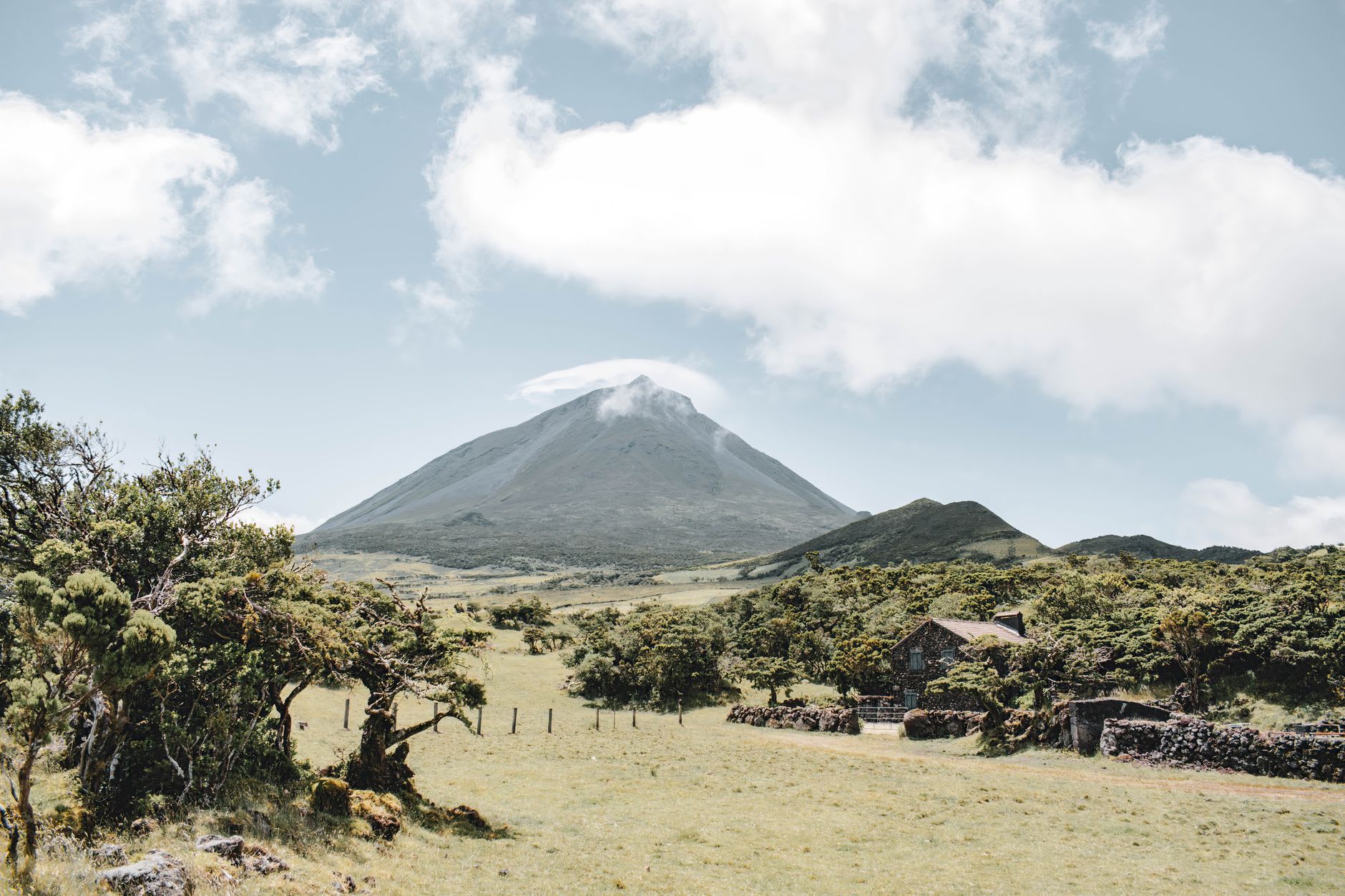
Pico is defined by its mountain the way some cities are defined by a river. Mount Pico — 2,351 metres, the highest point in Portugal — dominates the island from every angle, and the remarkable thing is that it can disappear entirely. Clouds wrap the summit for days at a time, and when it finally clears, the reappearance is startling: this vast black cone emerging from the mist as if the island had been hiding something. I was eating breakfast at my guesthouse when it happened on my third morning, and the owner, who had clearly seen this response before, just poured more coffee without comment.
I didn’t summit — the hike requires a guided permit and takes eight to ten hours round trip — but I walked the lower flanks at dawn on a windless morning, through lava fields where ferns and mosses had found purchase in every crack, and the silence up there was the kind that has texture. The volcanic rock is black and rough, the kind that shreds a hand if you fall. Nothing about the landscape is soft, which makes the vineyards all the more extraordinary.
Pico’s wine landscape is a UNESCO World Heritage Site, and it earns the designation. Generations of farmers built a labyrinth of low black basalt walls — currais — across the coastal lowlands to protect vines from Atlantic wind and salt spray. From above, the pattern looks like a vast irregular grid drawn by someone who loved geometry but was working freehand. The wine produced here, Verdelho, is dry and mineral with a faint salinity I couldn’t tell was real or imagined. I drank it at a cellar in Madalena with cheese from Pico’s cows and considered my life choices favourably.
Whale watching off Pico is arguably the best in the Azores, which makes it arguably among the best in the world. I went out at six in the morning on a small rigid inflatable with a guide who’d been doing this for twenty years and could read the ocean’s surface with a focus I found moving. We saw sperm whales — three of them, spending time on the surface after a dive, the sound of their exhalations close enough to make the air smell like the deep sea, which smells like nothing you can place and everything you might have dreamed. When one dived and showed its fluke, the guide just said, quietly, “magnificent,” and I didn’t disagree.
The town of Lajes do Pico holds a small whaling museum in a converted factory — the Azores hunted sperm whales until 1987, and the museum is honest and unsentimental about this history. The old factory smells of oil and salt. Black-and-white photographs show men in small boats alongside animals of implausible scale. It’s not comfortable viewing, but it’s important, and the transition from hunting to watching that happened here over a single generation is itself a story worth spending time with.
When to go: May through October for whale watching, with June through August the most reliable. Summit climbers should target the short weather windows in summer; the mountain can close to climbing for days. October is excellent for wine harvest season, fewer crowds, and dramatic Atlantic weather that makes the landscape even more itself.