Seefeld in Tirol
"The plateau sits above the valley clouds like it has been quietly getting away with something for centuries."
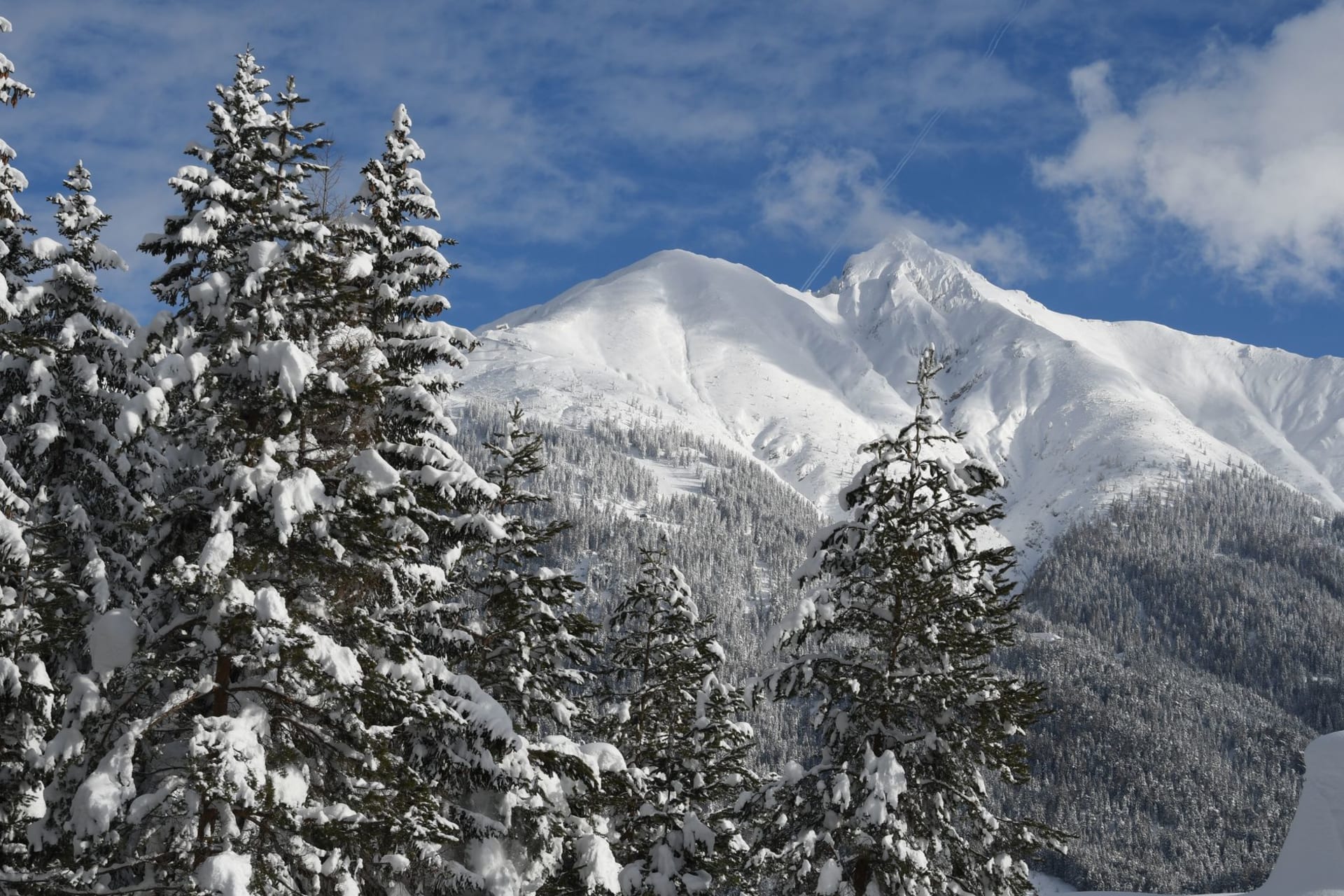
The Mittenwaldbahn train from Innsbruck climbs out of the Inn valley through a series of tunnels and emerges on the Seefeld plateau as though the mountains had agreed to step aside for a moment. The plateau sits at 1,200 meters above sea level, which in Tyrolean terms is still valley altitude, but it feels elevated in a more fundamental sense: the air is drier, the light is different, the pace of things shifts by the time you get off the train. Seefeld itself is spread across the plateau in a way that village architecture rarely is — spacious, park-edged, with long views to the surrounding mountains that in the Inn valley below would be interrupted every hundred meters by something else.
I first came to Seefeld in February, the wrong time to understand the town properly but the right time to understand why people make pilgrimages here for Nordic skiing. The plateau’s flat-to-rolling terrain, surrounded by forest and ringed by the Wetterstein range to the north and the Karwendel to the south, produces some of the finest classical and skating trail networks in the Alps — 270 kilometers of groomed track in a good winter, maintained with the Austrian seriousness about these things that means the tracks are perfect by seven in the morning. I cross-country skied for four hours on a Tuesday when the overnight snowfall was still sitting undisturbed on the pine branches overhead and the only tracks on the trail were mine going out and mine coming back.
The Seekirchl, the small Gothic chapel on its hill above the village center, is the kind of landmark that repays the short climb. It dates from 1683 and sits at the high point of the plateau with a view in every direction that explains immediately why someone would build a church here: the impulse to mark the best viewpoint as sacred is among the most understandable human ones. The interior is plain and whitewashed, with a side altar dedicated to a Miracle of Seefeld in 1384 that involves a communion wafer and a local knight of some arrogance — the story is told in a small painting that has the flat seriousness of all medieval devotional art, which is to say it rewards careful looking.
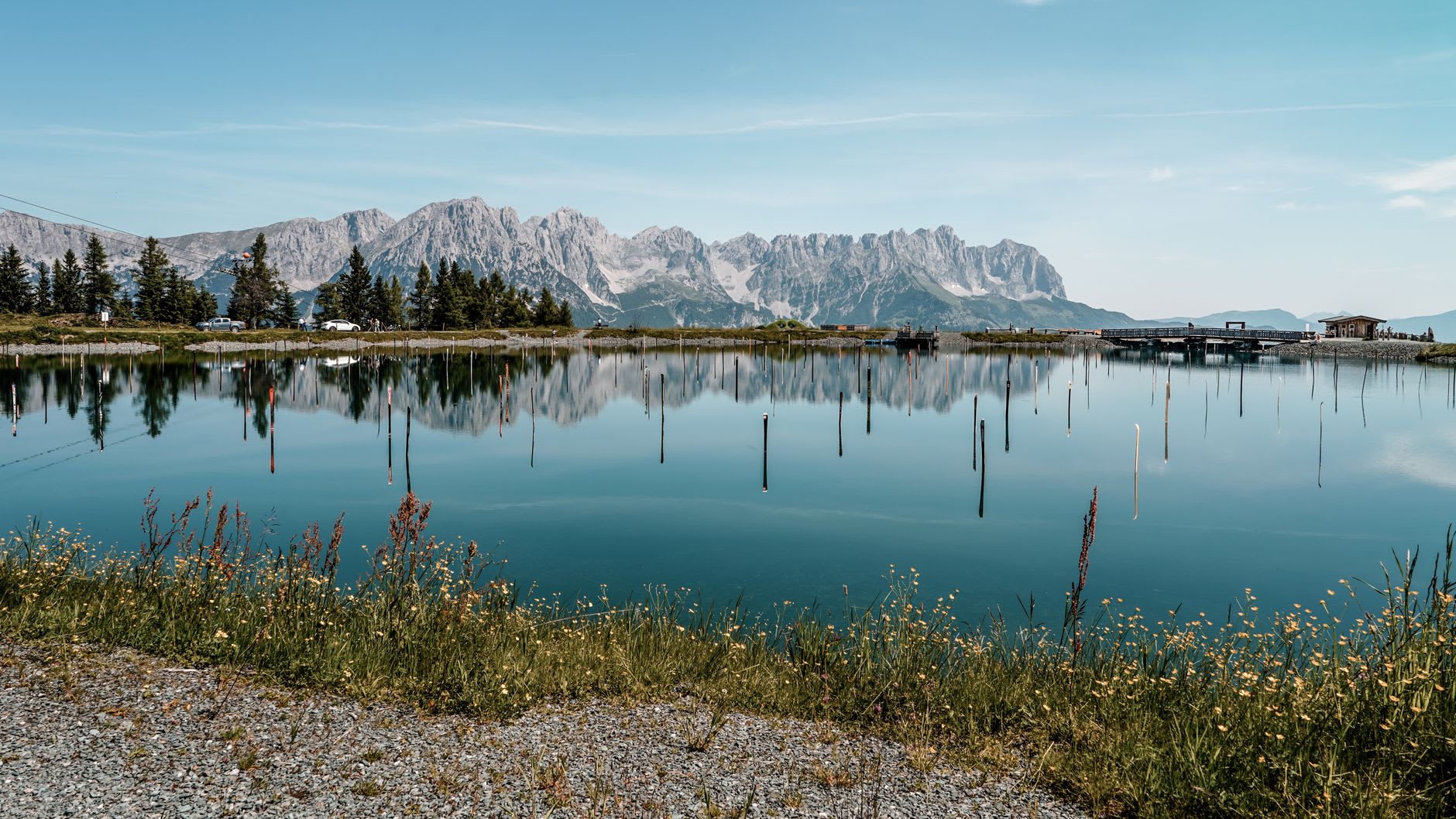
The Wildsee lake, east of the village center, is small and surprisingly cold even in August — the plateau holds water that doesn’t warm the way lower-altitude lakes do. I swam there in the late morning of a July day when the air temperature was 24 degrees and the lake temperature was closer to 15, and the combination of warm air and cold water was exactly as good as that combination always is. The lake path around the perimeter takes twenty minutes at a slow walk and passes through stands of old pines whose roots have lifted the path surface into something like sculpture.
The village has a casino, which sat incongruously in the center when I walked past it at ten on a Tuesday morning — an international-hotel-adjacent building with a certain self-assurance about its own necessity. I did not go in. I went instead to the Konditorei on the main street and ate a Topfenstrudel — the quark-filled version of Strudel, lighter than Apfelstrudel and made locally with cheese that tasted of actual things — with a coffee that came with a small glass of cold water on the side, which is the Tyrolean custom and one I find every time more civilized the more I encounter it.
The pine forest north of the village, running toward the German border at Scharnitz, is good walking country in all seasons — the trees providing shade in summer and windbreak in winter, the ground beneath them carpeted with needles that absorb sound the way thick fabric does. I walked two hours north one afternoon and turned back only when I realized I was still in Tyrol but getting farther from dinner.
When to go: February and March for Nordic skiing at its best — trails groomed, snow reliable, the plateau in its full winter identity. July and August for lake swimming and forest walks without skis. September and October are quiet and often underestimated: the pine forests don’t turn, but the surrounding peaks do, and the plateau light in October has a particular quality.