
Great Barrier Reef
"Putting my face in the water and seeing the reef for the first time was like discovering a parallel world."
The Great Barrier Reef is not a single reef but a constellation — nearly three thousand individual reef systems and nine hundred islands stretching over 2,300 kilometres along the Queensland coast, from the tip of Cape York to just north of Bundaberg. It is the largest living structure on the planet, assembled over millennia by organisms the size of a fingernail, and the first encounter with it — face down in the water, mask fogging slightly at the edges — tends to rearrange a person’s understanding of what nature is capable of building.
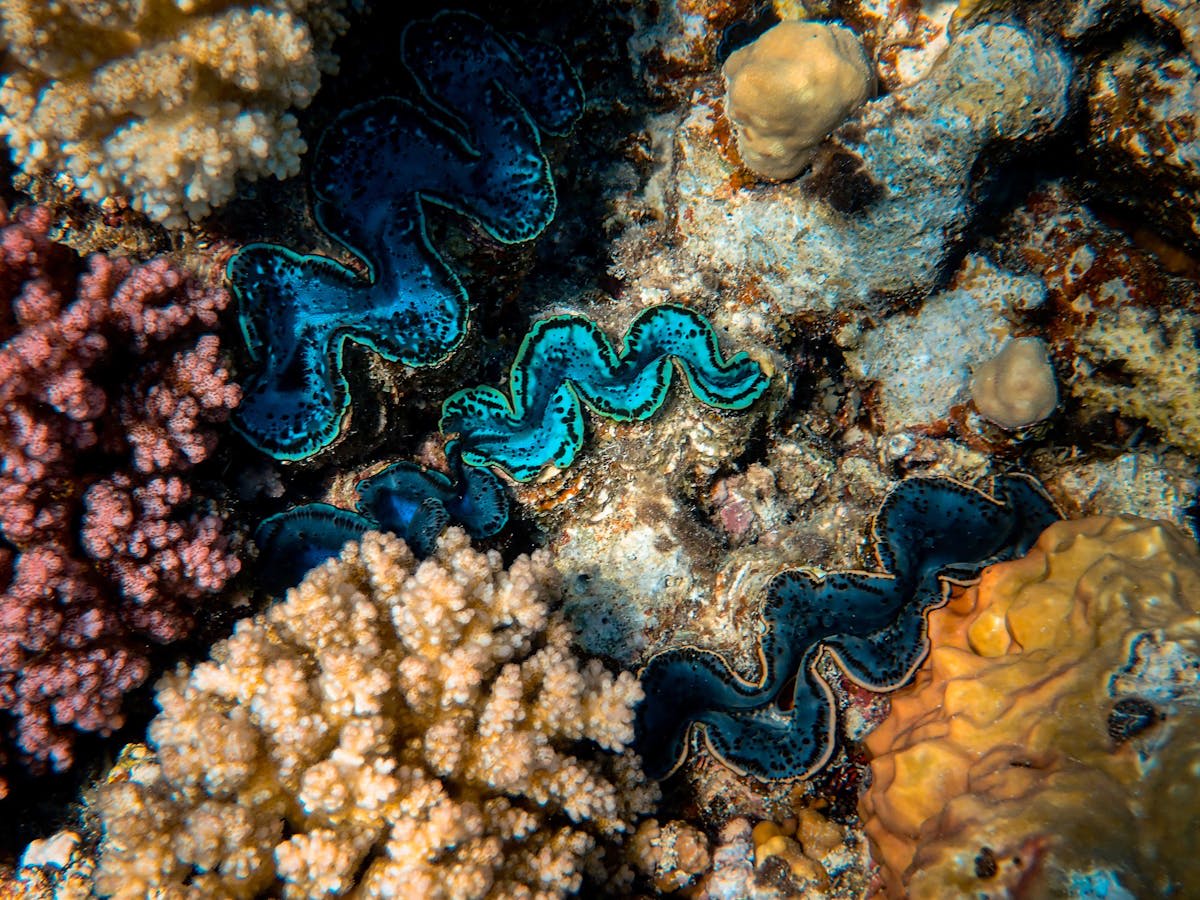
The reef begins in the shallows with hard corals: branching staghorn formations that look like underwater antlers, massive brain corals etched with labyrinthine grooves, and plate corals extending in broad shelves that create shade for the fish below. The colours are not the oversaturated blues and purples of stock photography — they are subtler and stranger, shifting between olive greens, dusty pinks, deep ochres, and sudden bursts of electric violet where soft corals sway in the current. Snorkelling offers an intimate, unhurried perspective — floating at the surface, breathing steadily, watching the reef unfold beneath like a slow-moving dream. Diving takes you deeper into the architecture, where walls drop away into blue water and the scale of the structure becomes properly disorienting.
Access to the reef typically flows through two gateway towns: Cairns and Port Douglas. Cairns is the larger, busier hub, with a wide selection of day-trip operators running boats to the outer reef and pontoon platforms anchored above prime snorkelling sites. Port Douglas, an hour north, is smaller and more refined, and serves as the departure point for the Agincourt Reef — a ribbon reef on the outer edge where visibility regularly exceeds thirty metres and the coral condition is among the best in the system. The Ribbon Reefs, accessible primarily by liveaboard vessels, stretch along the continental shelf in a series of narrow formations that attract pelagic life: reef sharks, barracuda, and, during the winter months, dwarf minke whales that approach divers with a curiosity that borders on companionship.
The marine life is staggering in both its diversity and its apparent indifference to human presence. Green sea turtles glide through with the unhurried grace of creatures whose lineage predates the dinosaurs. Manta rays, with wingspans that can exceed five metres, perform slow barrel rolls at cleaning stations where small wrasses pick parasites from their gills. Clownfish — made famous but not fully represented by animation — nestle into anemones with a territorial aggression that belies their size. Giant clams sit on the reef floor, their mantles rippling in iridescent blues and greens. Schools of fusiliers move in coordinated silver clouds, parting and reforming around the reef’s contours.
Liveaboard trips offer the deepest immersion — three to seven nights aboard a vessel that moves between dive sites, allowing access to remote sections of the reef that day boats cannot reach. Dawn dives, night dives where the reef reveals its nocturnal inhabitants, and the simple pleasure of sleeping above the water you will enter at first light — these experiences transform the reef from a destination into something closer to a residency.
The conservation reality, however, shadows every visit. Mass bleaching events driven by rising ocean temperatures have affected large sections of the reef in recent years, turning vibrant coral white and, in the worst cases, killing it entirely. The reef possesses a remarkable capacity for recovery, but the frequency and severity of bleaching events are accelerating, and the science is unambiguous about the cause. To visit the Great Barrier Reef now is to witness both an ecological marvel and a system under profound stress — a combination that makes every hour in the water feel simultaneously like celebration and elegy.
When to go: June through October offers dry season conditions, mild air temperatures, and the best underwater visibility, often exceeding twenty-five metres. Minke whale encounters occur from June through July. November brings the annual coral spawning — a single night when the reef releases billions of eggs and sperm in a synchronised event that turns the water into a slow-motion snowstorm. Summer (December through March) brings warmer water and marine stinger season; a stinger suit is essential. The outer reef maintains better conditions year-round than the inner reef sites closer to shore.