
Valle de la Luna
"The silence here has weight. It presses on your ears like altitude."
I went to the Valle de la Luna at the wrong time first — midday, in a tour van with eleven other people — and it was fine. The salt formations were dramatic, the terrain alien, the photos I took were the photos everyone takes. Then I went back alone at four in the afternoon, walked in past the gate, and understood why this place has the name it does.
The light changes everything here. At midday the Valle is harsh, white, stark. By late afternoon, something happens to the angle of sun relative to the salt ridges and the whole landscape turns violet, then amber, then a color I don’t have a word for — somewhere between rust and rose, the color of old embers. I walked the main trail for two hours and passed exactly three other people. The wind makes a low, continuous note through the rock formations. That, and nothing else.
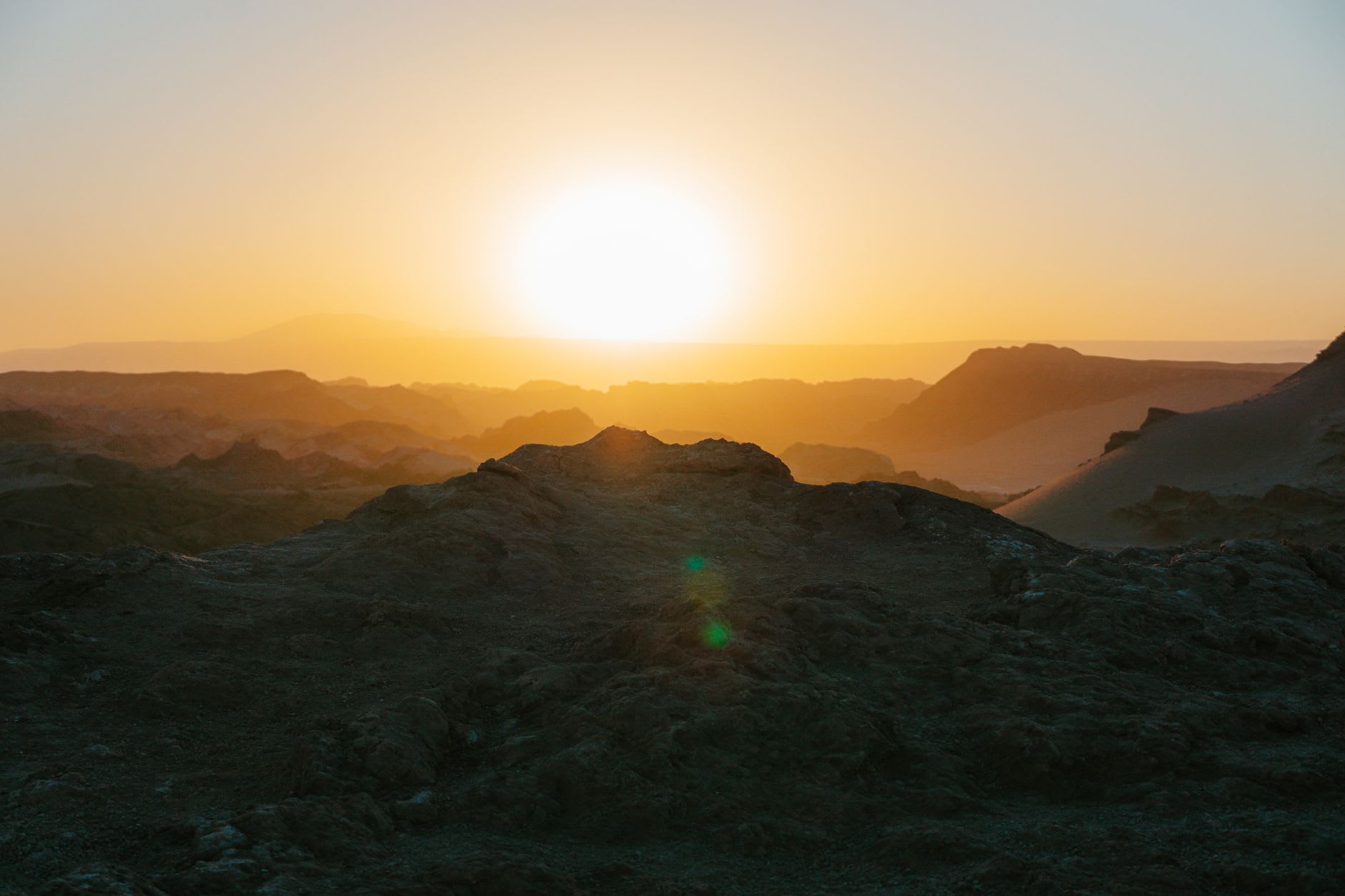
The geography here is the result of sedimentary layers being compressed and then thrust upward, twisted by tectonic forces into ridges and spires and hollow chambers that the wind has been carving for millions of years. When you walk through the narrow slot canyons, the walls are streaked in shades of grey and cream and rust, and the salt crystals embedded in the rock catch the light differently at every angle. It is one of those places where the science — plate tectonics, wind erosion, mineral deposits — somehow makes the beauty more intense rather than less. The knowledge that these formations took twenty million years to build does not diminish them. It makes the five minutes I spent sitting inside one of the salt chambers feel more significant somehow, more borrowed.
There is a dune at the far end of the valley that you can climb. I sat on top of it as the light failed and watched the shadow line crawl across the basin below. The mountains in the distance — the Licancabur volcano in particular, its perfect cone floating above the horizon — went from brown to red to silhouette to nothing. A man sitting nearby said nothing. We both just watched until there was nothing left to watch, and then we climbed down in the dark with our phones out, picking the path by screen light.
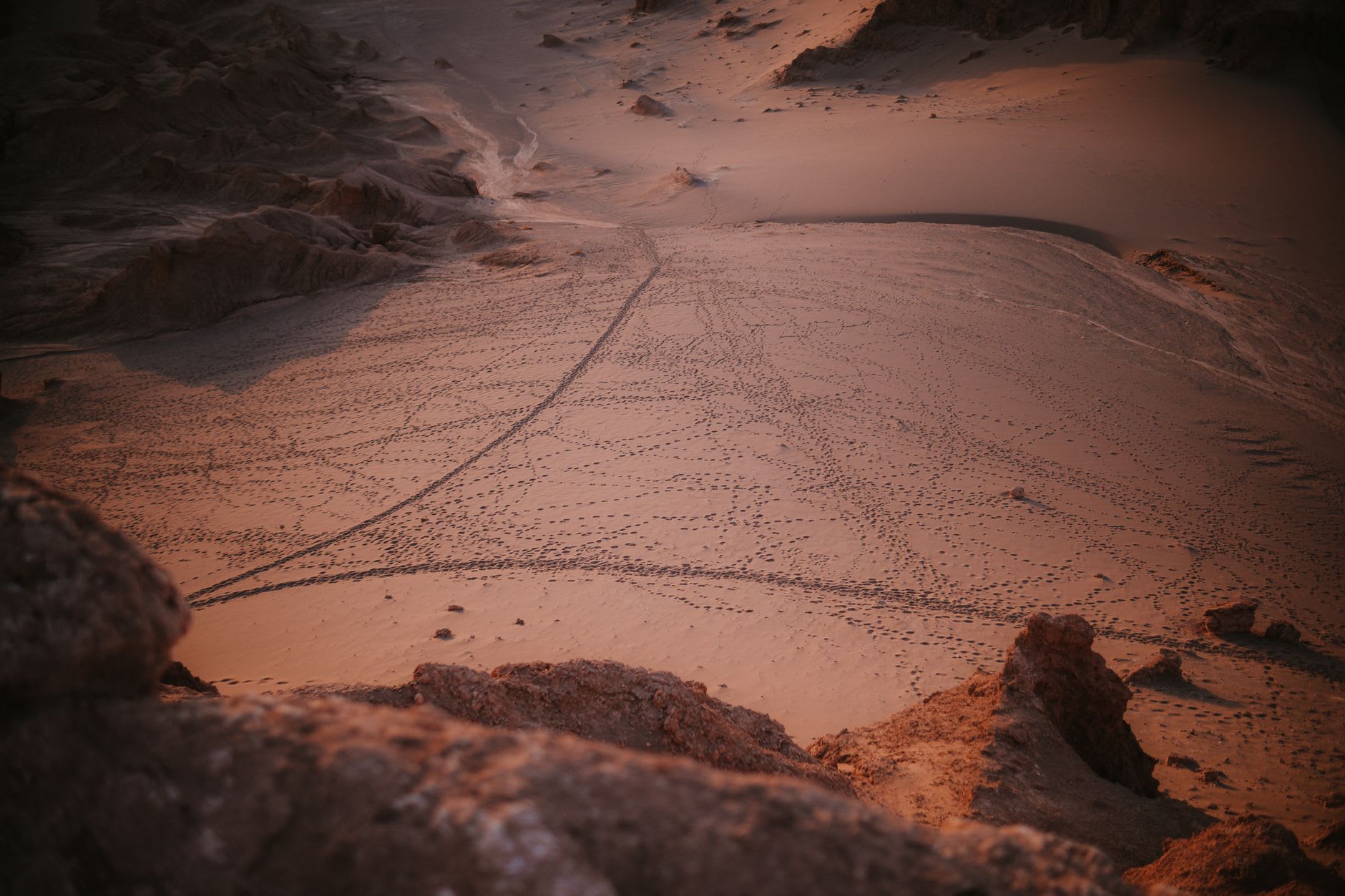
The Tres Marías formation — three salt pillars named for Orion’s belt, though the Spanish nomenclature has stuck — is the place everyone photographs, and it earns the attention. But the best walk in the valley is the longer circuit that takes you up through the salt ridge and down into the amphitheatre below, where the acoustics are strange and your footsteps echo off walls that look like something from a Dalí painting. The echo is not dramatic. It is just slightly wrong. Enough to notice.
When to go: Any clear evening, year-round. The valley is open until sunset and the entry fee is modest. Avoid midday tours if you can manage it. Come at 3pm, stay until the first stars appear. That is the whole instruction.