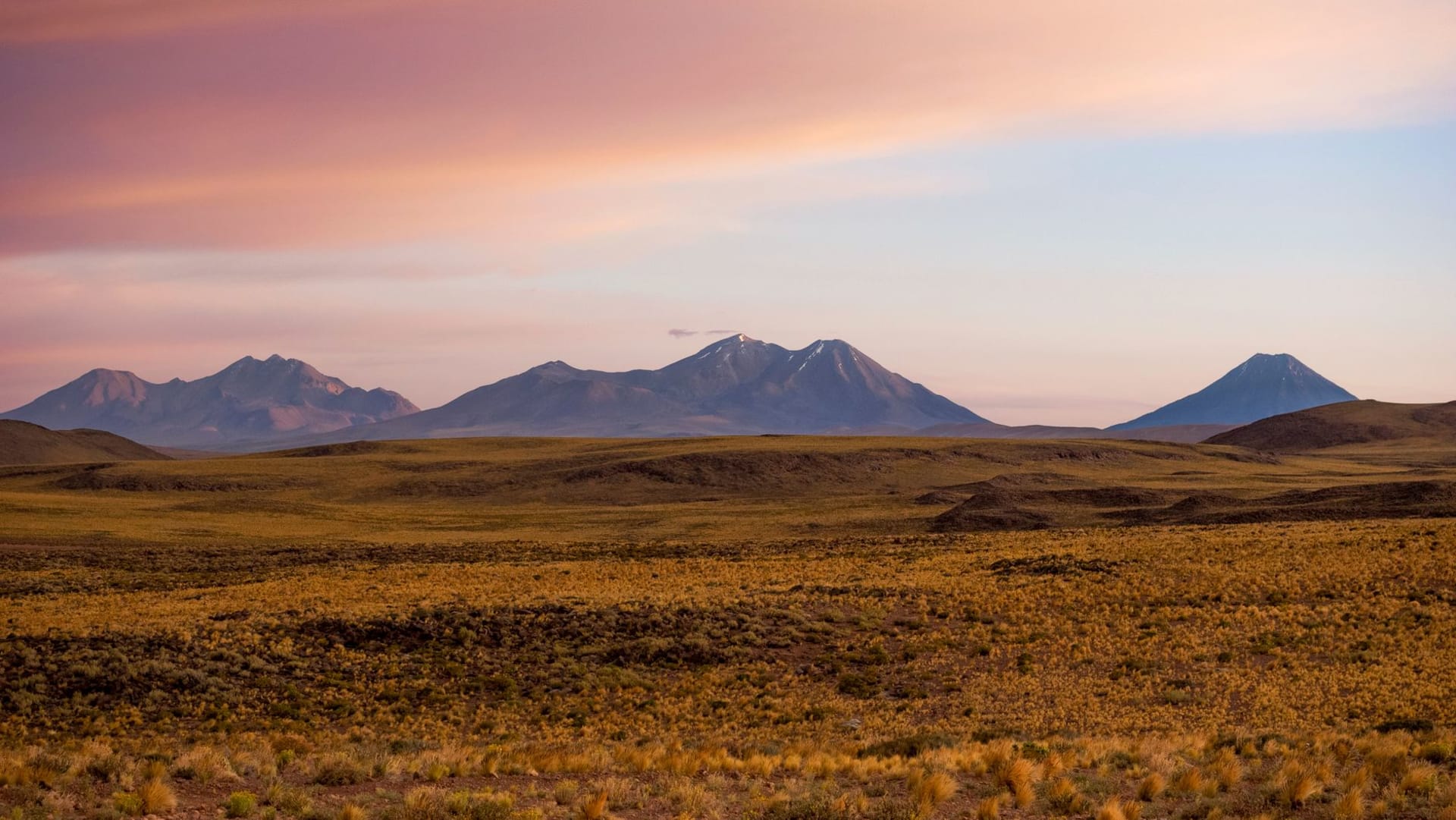
Piedras Rojas
"At four thousand meters I was too dizzy to take a good photo, which is probably why the place still feels like mine."
A long climb for a short walk
Piedras Rojas is a couple of hours’ drive south of San Pedro, out past the village of Socaire, and the journey is half the point. You climb steadily through the altiplano, the road unspooling between volcanoes, the air thinning until your ears pop and your thoughts go slightly woolly. I had thought I was acclimatized after a few days in San Pedro. The roughly four-thousand-meter altitude here corrected that assumption within ten minutes of getting out of the van. Move slowly, I had been told. I now understood that this was not advice but physics.
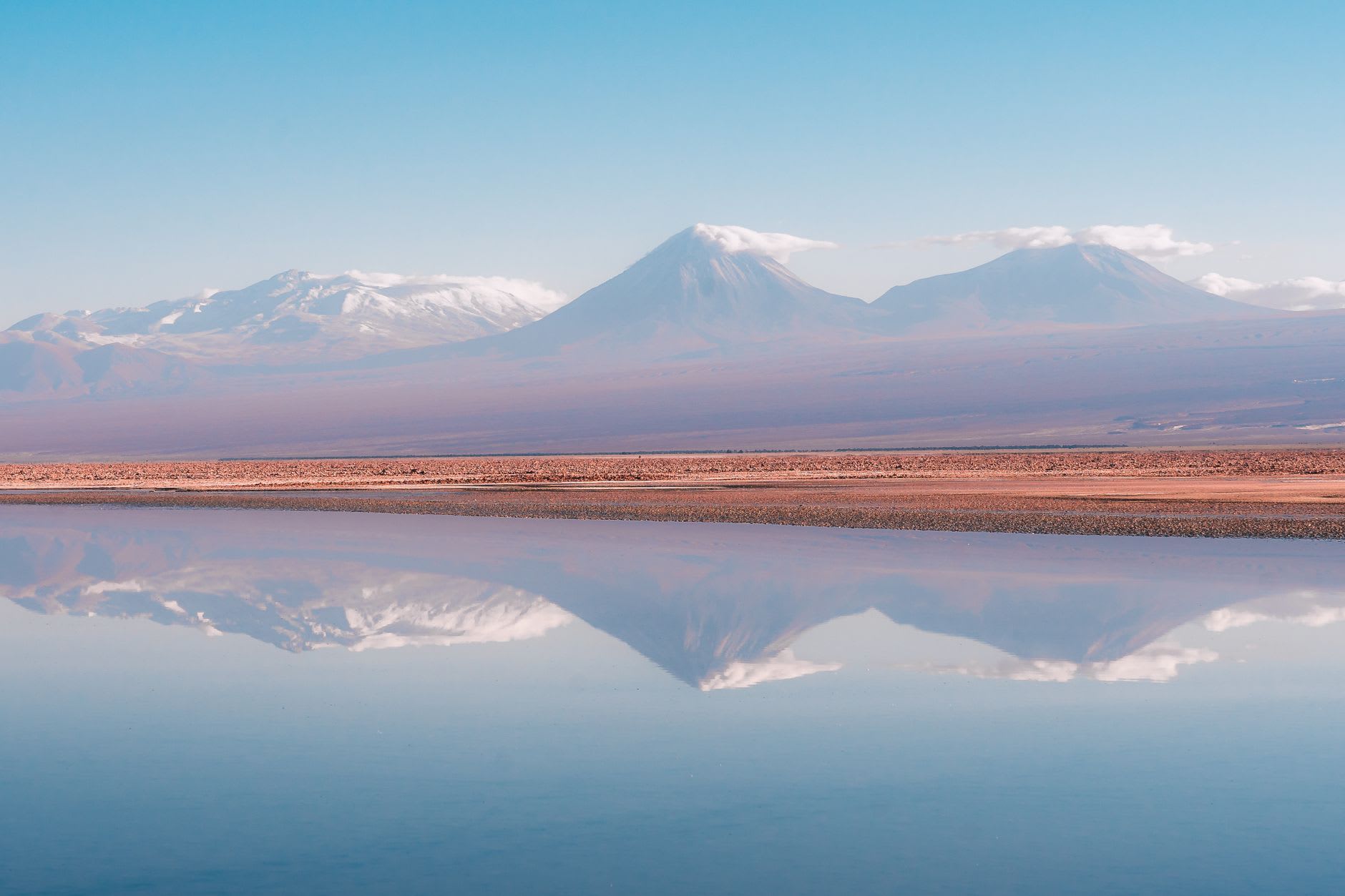
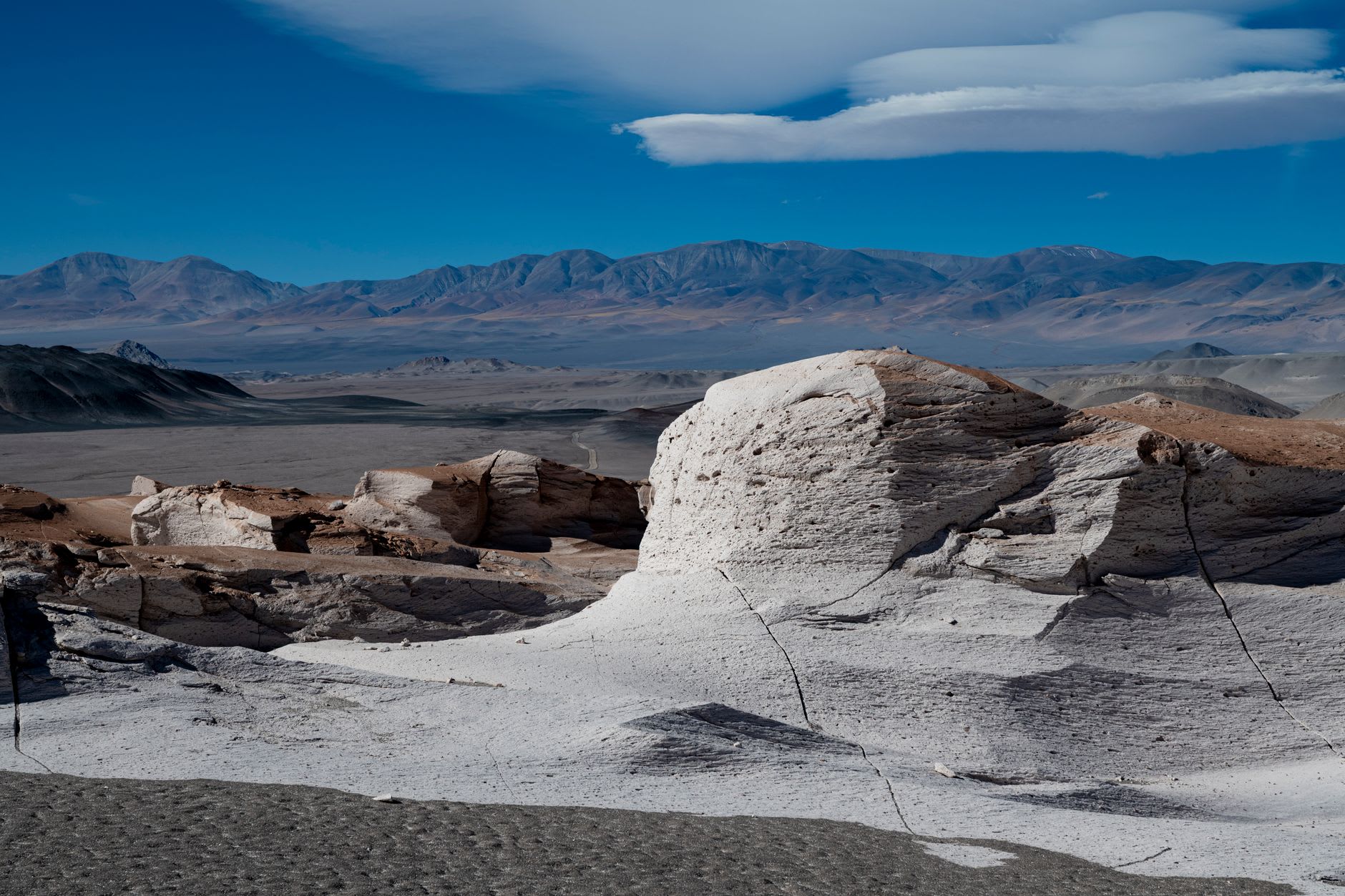
The name means red stones, and they are exactly that — outcrops of rock stained deep rust and brick-orange by oxidized iron, scattered across a pale plain and ringed around a lagoon so intensely turquoise it looks like someone has been at the saturation slider. The contrast is genuinely hard to believe in person, harder still to photograph in a way that does not look fake. Lia stood at the rope line for a long time and finally just said, quietly, that she had not known the earth did that.
What the colors actually are
It helps to know what you are looking at, because the place rewards a little geology. The red is iron oxide, the same chemistry as rust, blooming across rock that has sat in this thin dry air for ages. The turquoise of the Laguna Cejas comes from dissolved minerals and the way the shallow, salty water scatters light at altitude — the same reason the sky here is a blue you do not get at sea level. There is a white crust of salt around the margins, and a fringe of yellowed altiplano grass where vicuñas sometimes graze, indifferent to the people. The whole scene is protected now, fenced off behind a single path, partly because too many visitors were trampling the fragile crust. Watching people respect the rope, for once, I did not begrudge it.
We were there in the late morning, which is when the light is flat and honest, and I would actually argue against the famous golden hour here — the midday glare makes the turquoise almost violent, and you want that. The wind, however, is relentless and cold regardless of the hour, and it carries grit. I wore everything I had brought.
Doing it without wrecking yourself
Almost everyone visits Piedras Rojas as part of a long day tour out of San Pedro that also takes in the Salar de Atacama and the high lagoons of Miscanti and Miñiques, which is a sensible way to do it given the distance and the altitude road. If you drive yourself, fill the tank in San Pedro, carry water, and do not plan anything strenuous afterward — the altitude tax comes due in the evening. There is a small entrance fee collected by the local Socaire community, which I was glad to pay; it is their land, and they manage the visits.
When to go: April to November is the dry, stable season with clear skies and the most reliable access. The Bolivian winter rains of January and February can flood the road and close the site without warning. Mornings are bitterly cold year-round at this altitude, so dress in layers and start the day earlier than feels reasonable.