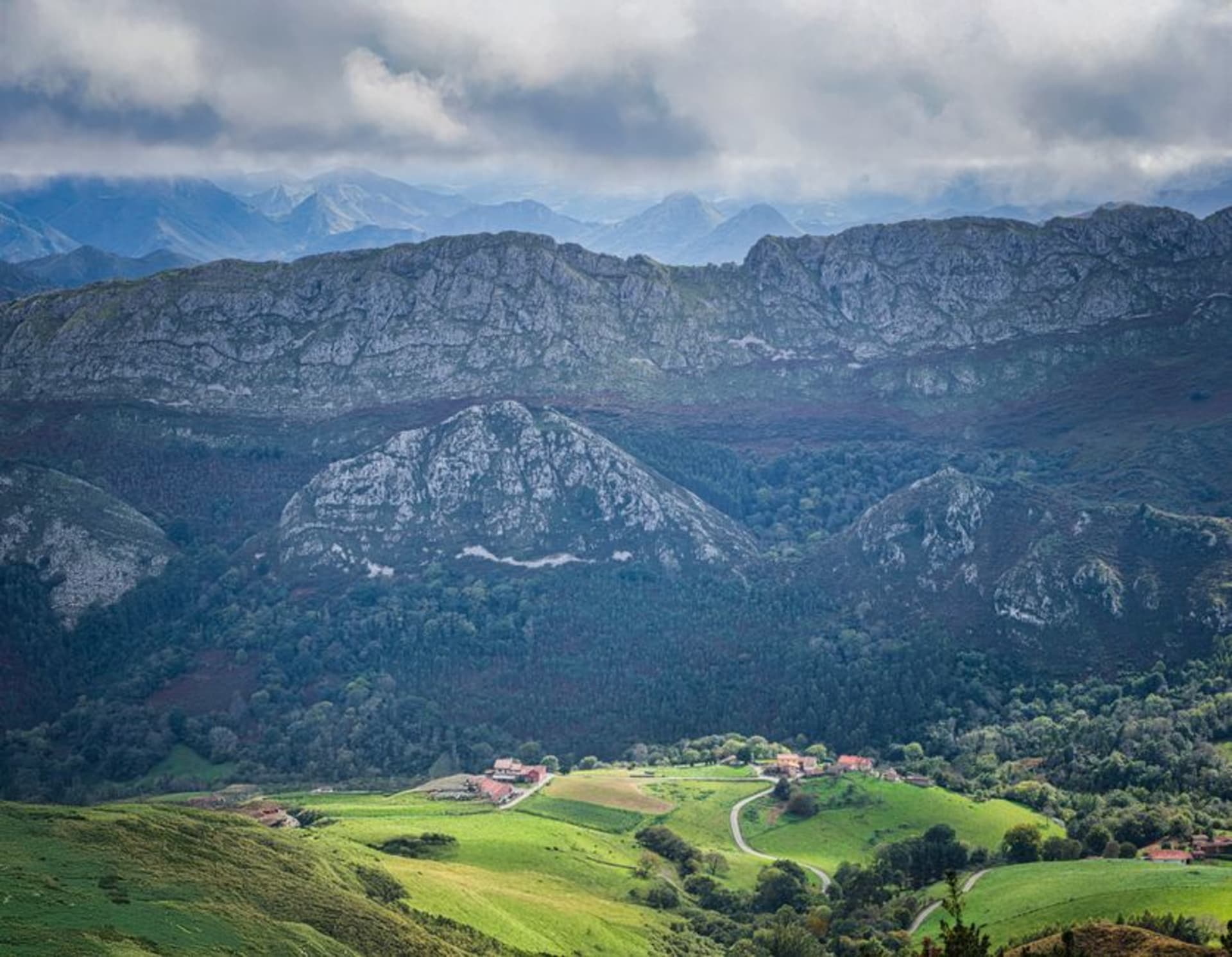
Teverga
"We drove into the Teverga gorge with the windows down and I remember thinking the temperature dropped five degrees just from the shade of the rock walls."
A rural council of limestone gorges and painted caves in the interior mountains, an hour from Oviedo but decades slower in pace.

Teverga is the kind of place you end up in because you were looking at a map for something else and a green squiggle of a road caught your eye. That’s more or less what happened to us — we were driving from Oviedo toward the Somiedo reserve, took the AS-228 instead of the highway on a whim, and found ourselves in a gorge so narrow that the road and the river seemed to be arguing over who got the valley floor. Cliffs rise sheer on both sides, sometimes close enough that I instinctively slowed the car, and there are three separate defiles — Peñas Xuntas, Las Xanas, and the main Teverga gorge — strung along the same route like the mountains couldn’t decide on just one dramatic entrance.
The town itself, if you can call the collection of hamlets that make up the council a town, is mostly quiet stone houses and hórreos, those raised granaries on stilts you see all over rural Asturias. We stopped in Villamejín to see the Colegiata de San Pedro, a Romanesque collegiate church that felt wildly oversized for such a small hamlet until someone at a bar explained that Teverga used to matter a lot more than it does now, back when the mountain passes carried real traffic between the coast and León.

What I actually came back for, a year later with Lia, was the Cova Rosa, one of the show caves near the village of La Plaza. It’s not the biggest cave system in Spain by a long shot, but the guide walked us through chambers with formations that genuinely looked painted, streaked in reds and ochres from mineral deposits, and there’s a stretch where you cross a small underground lake on a walkway with your headlamp as the only light. I’m not usually a cave person — something about the ceiling height makes me twitchy — but this one didn’t feel claustrophobic so much as quietly theatrical.

Teverga isn’t a place with a single headline attraction, and I think that’s exactly its appeal. It’s a council you drive through slowly, stopping for a gorge here, a Romanesque church there, a cave you half-planned and half-stumbled into. We ended the day at a small restaurant in Entrago eating fabada that had clearly been simmering since morning, and I remember thinking this was the Asturias I’d come looking for — not the coast, but this folded, green, half-forgotten interior.
When to go: Late spring or early autumn, when the gorge roads are clear of snow and the cave tours run on full schedule; weekday visits mean you’ll likely have the trails to yourself.
Keep exploring
More from Asturias
 asturias
Avilés
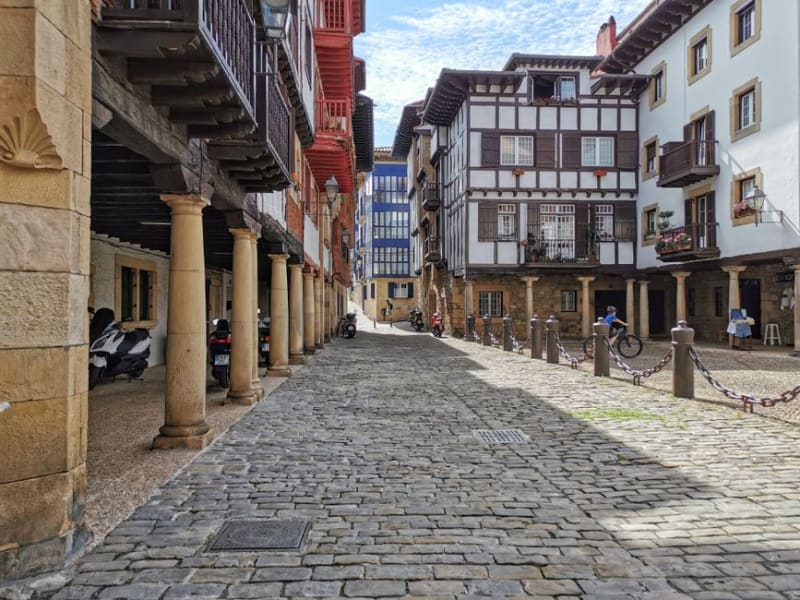
A working port town where a restored medieval quarter and Oscar Niemeyer's curving white cultural center sit a ten-minute walk apart.
Explore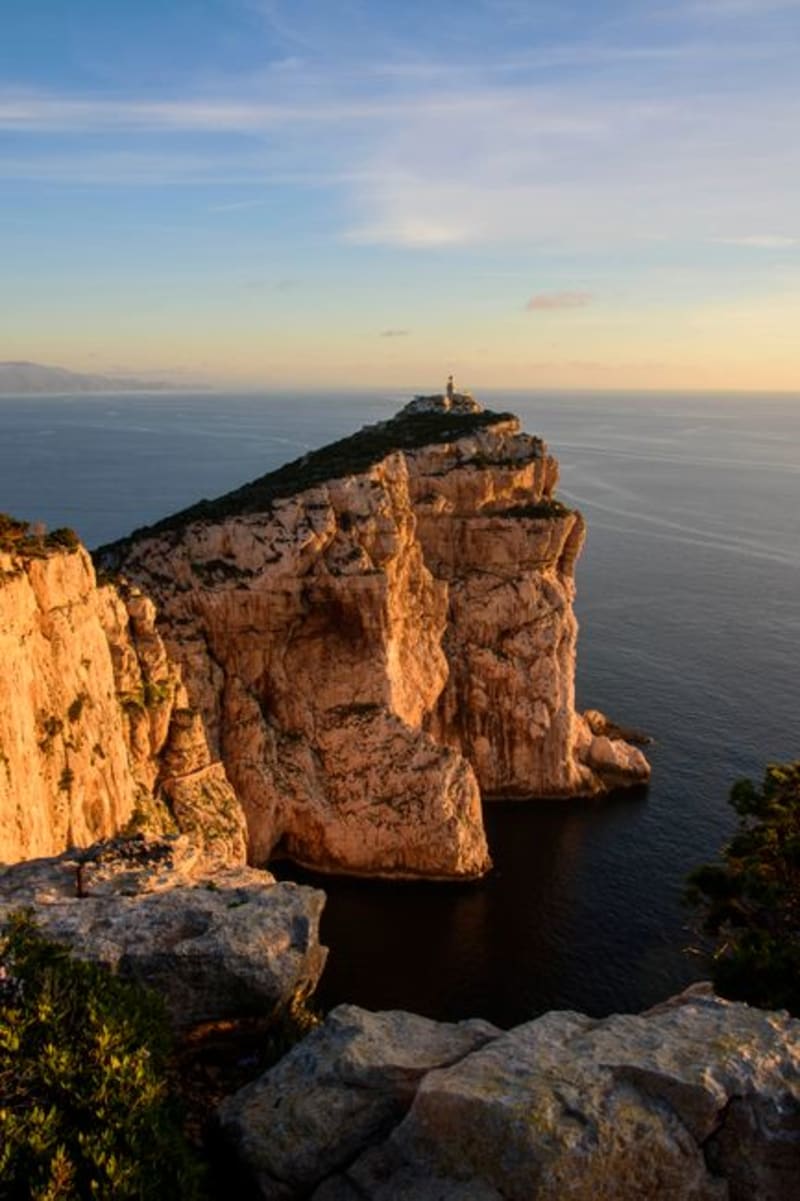 asturias
Cabo de Peñas
The northernmost tip of Asturias, where cliffs fall into the Bay of Biscay and a 19th-century lighthouse still watches over the fog.
Explore asturias
Cangas de Onís
A medieval bridge over a turquoise river, the gateway to the Picos, and a Monday market that has been running since the Romans were using this road.
Explore asturias
Cangas del Narcea
Spain's northernmost wine country, hidden in the mountains of western Asturias, where terraced vineyards meet one of Europe's last untouched oak forests.
Explore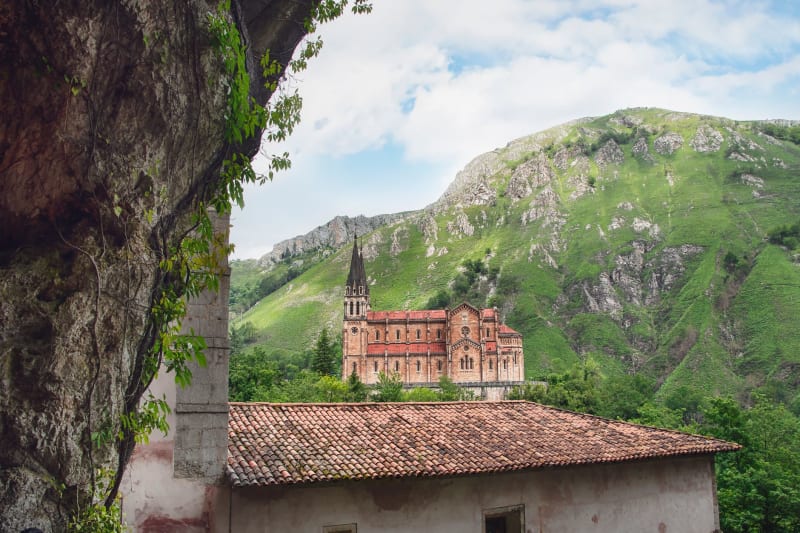 asturias
Covadonga
A pink basilica, a sacred cave with a waterfall, and two mountain lakes that feel entirely too beautiful to be real — all stacked in a single valley.
Explore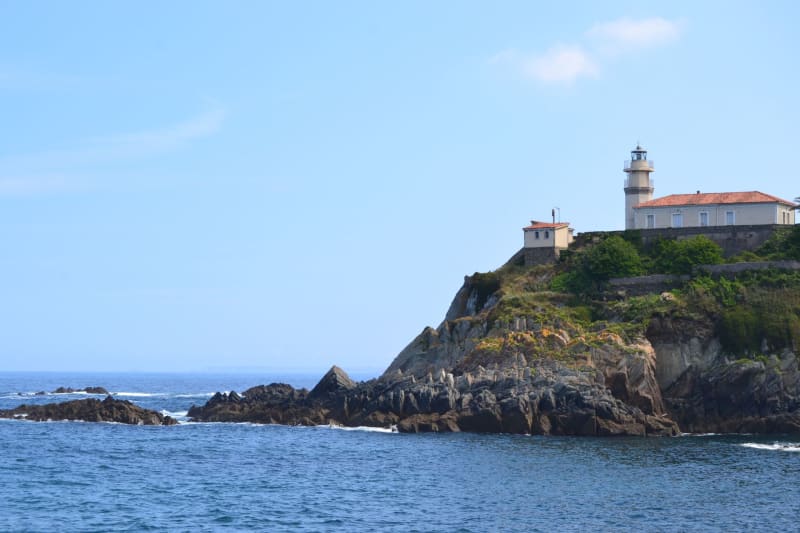 asturias
Cudillero
A fishing village stacked so steeply into its own cove that houses seem to grow from the rock face, all looking down at the same small harbor.
Explore