Avilés
"I came to Avilés expecting an ugly industrial stop and left arguing with Lia about whether it was better than Oviedo."
A working port town where a restored medieval quarter and Oscar Niemeyer's curving white cultural center sit a ten-minute walk apart.

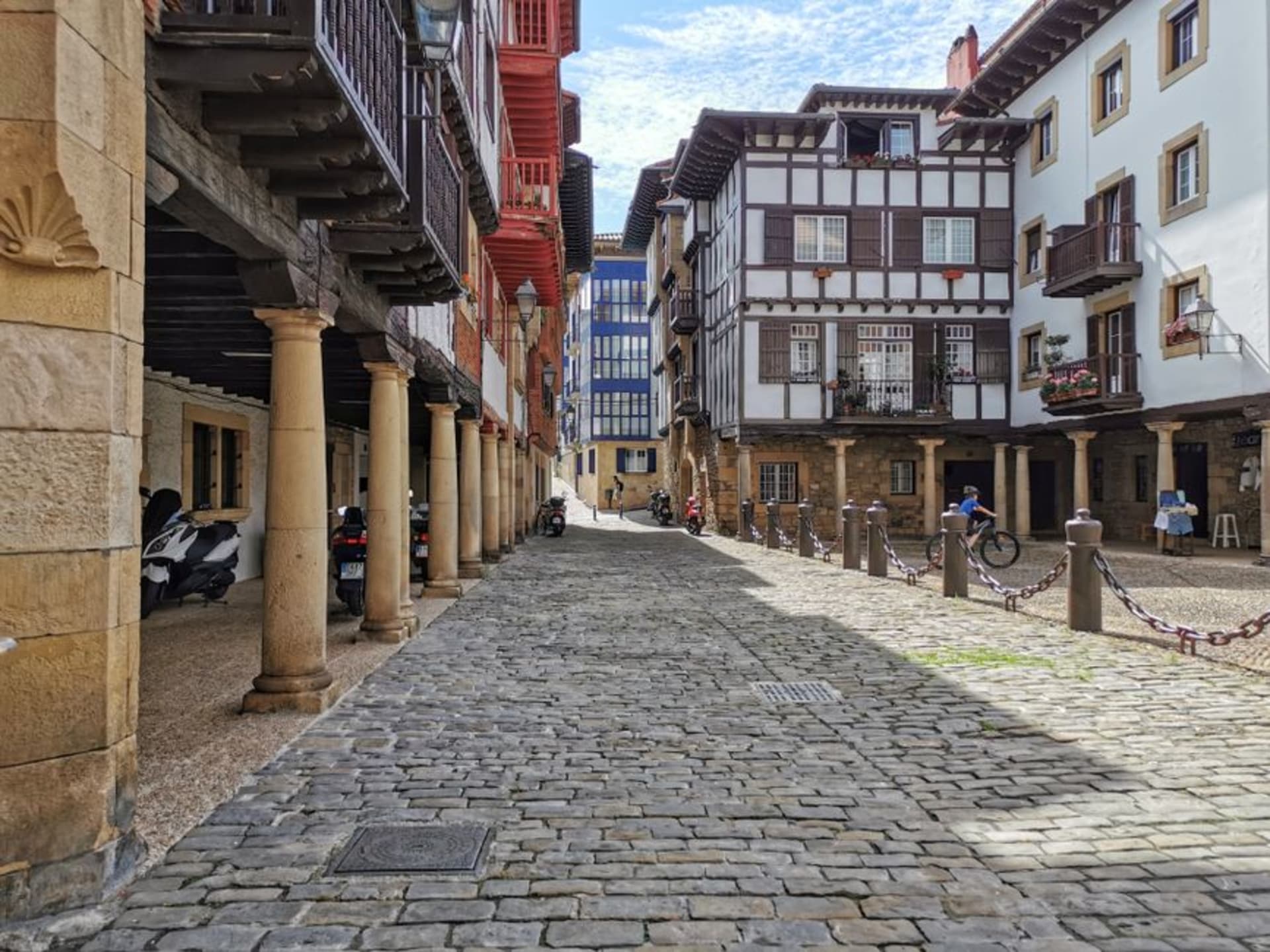
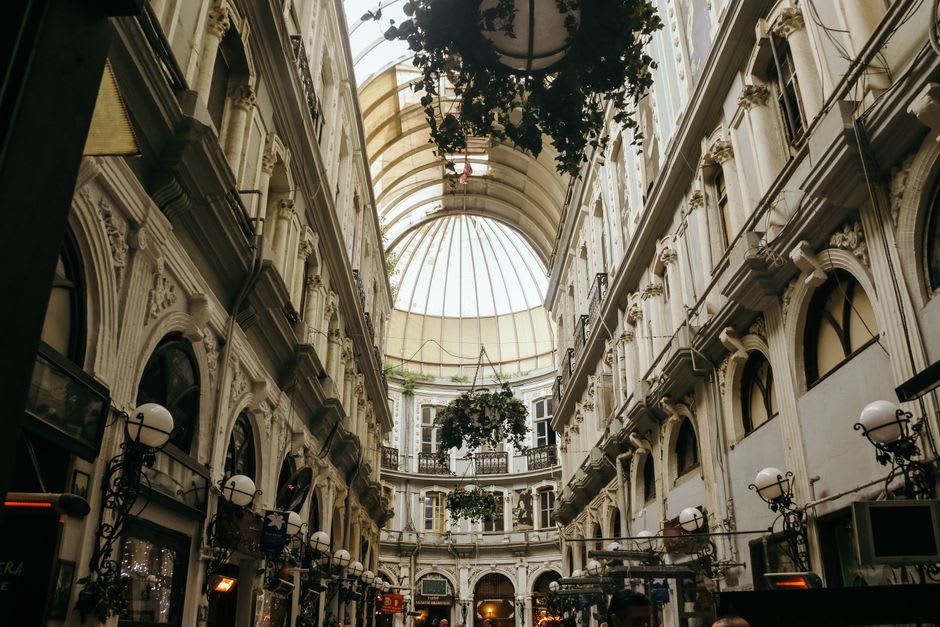
I’ll admit I almost skipped Avilés. Every guidebook I’d flipped through in Gijón mentioned it in passing, usually with a word like “industrial” attached, as if that settled things. What actually happens when you get off the FEVE train is that you walk maybe eight minutes from the station and end up under a row of glassed-in balconies — galerías, they call them here — painted mustard and teal and rust, with the smell of the estuary somewhere behind you and old men playing cards through an open café door. It’s one of those towns that punishes you for judging it from a highway sign.
The old town is small enough to cover in an afternoon, which I liked — no guilt about missing something three neighborhoods over. Calle Galiana is the postcard street, all covered arcades and low doorways, and I remember Lia stopping every twenty meters to photograph another cast-iron balcony rail. We ducked into the Palacio de Camposagrado, now the town hall, mostly to get out of a sudden rain shower, and stayed twenty minutes longer than planned just admiring the courtyard.
Then there’s the other Avilés, the one across the river mouth, where Oscar Niemeyer — yes, the guy who designed Brasília — built his last major work before he died. The Centro Niemeyer is this white, curved, almost alien complex plopped down next to what used to be a steel plant, and it took the town’s industrial decline money (EU regional funds, basically) to build it. Whether it “worked” as urban renewal is a fair question locals will debate with you over cider if you bring it up. I just liked walking around the dome and the tower at golden hour, when the white concrete goes pink and the container cranes across the water go black in silhouette.
We ate at a sidrería near the port that Lia found by smell more than by review — grilled chorizo, a wedge of cabrales cheese that made my eyes water, and the waiter pouring cider from shoulder height without spilling a drop, which I still can’t do after three attempts of my own.
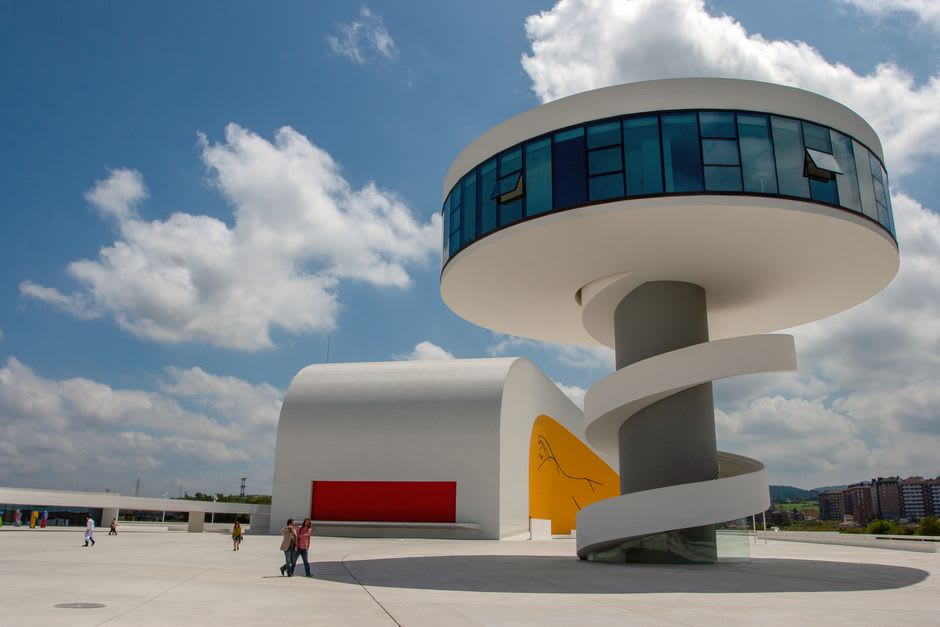
What stuck with me about Avilés is the contrast, not resolved but sort of held in place — a 13th-century church tower and a spaceship-white cultural center within sight of each other, both paid for by different centuries of the same estuary’s industry. It’s not a place I’d build a whole Asturias trip around, but as a half-day detour from Gijón or Oviedo, it earns its keep.
When to go: Come for the Semana Santa processions in the old town if your dates line up, otherwise a dry afternoon between April and October lets you enjoy both the arcades and the Niemeyer plaza without rushing.
Keep exploring
More from Asturias
 asturias
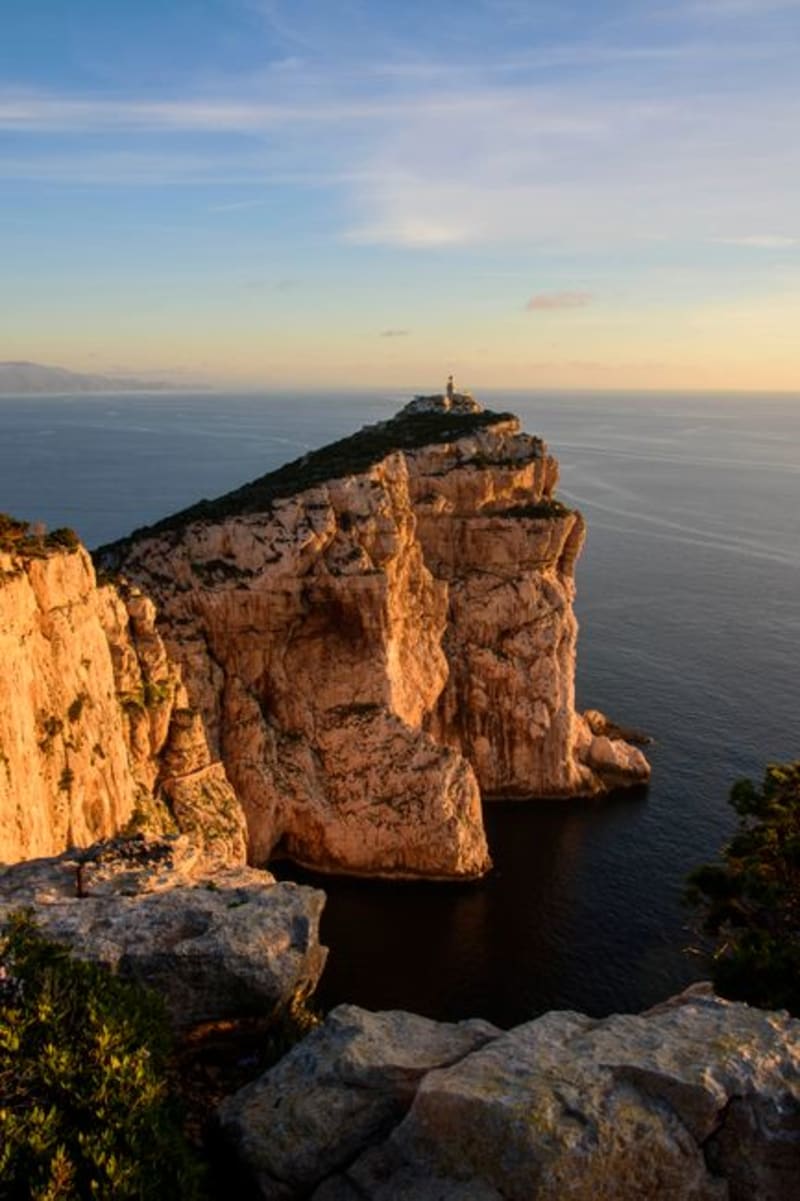
Cabo de Peñas
The northernmost tip of Asturias, where cliffs fall into the Bay of Biscay and a 19th-century lighthouse still watches over the fog.
Explore asturias
Cangas de Onís
A medieval bridge over a turquoise river, the gateway to the Picos, and a Monday market that has been running since the Romans were using this road.
Explore asturias
Cangas del Narcea
Spain's northernmost wine country, hidden in the mountains of western Asturias, where terraced vineyards meet one of Europe's last untouched oak forests.
Explore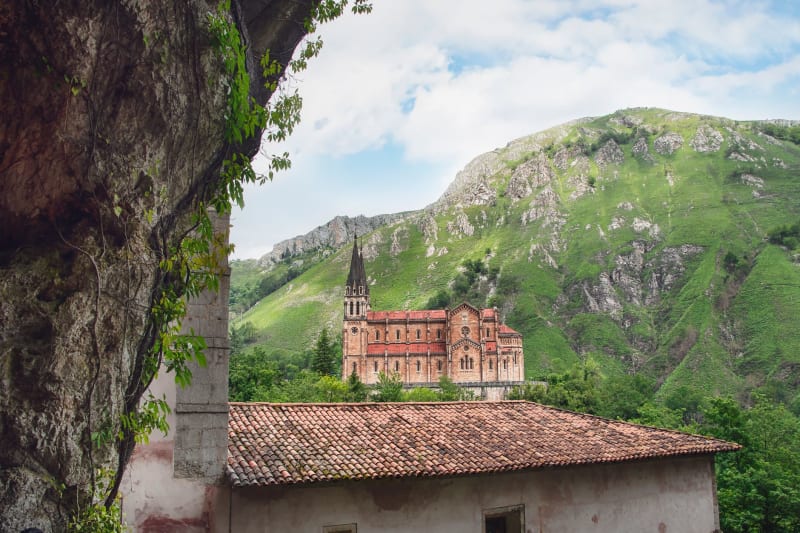 asturias
Covadonga
A pink basilica, a sacred cave with a waterfall, and two mountain lakes that feel entirely too beautiful to be real — all stacked in a single valley.
Explore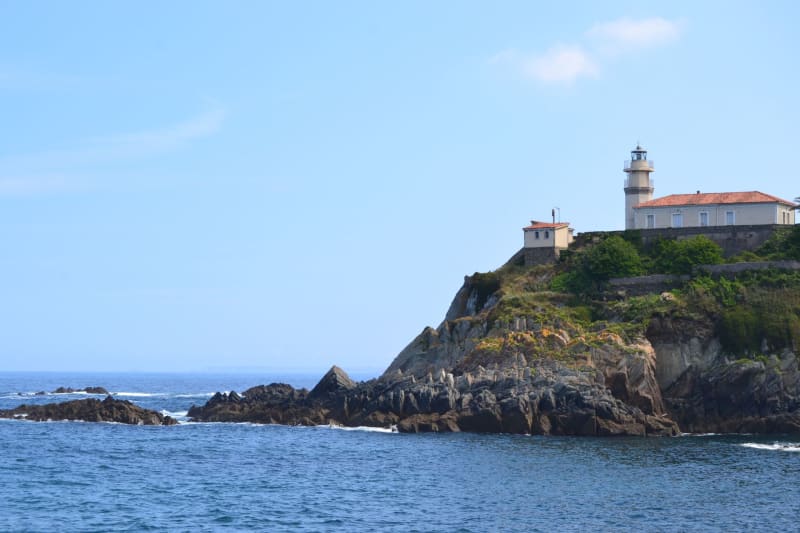 asturias
Cudillero
A fishing village stacked so steeply into its own cove that houses seem to grow from the rock face, all looking down at the same small harbor.
Explore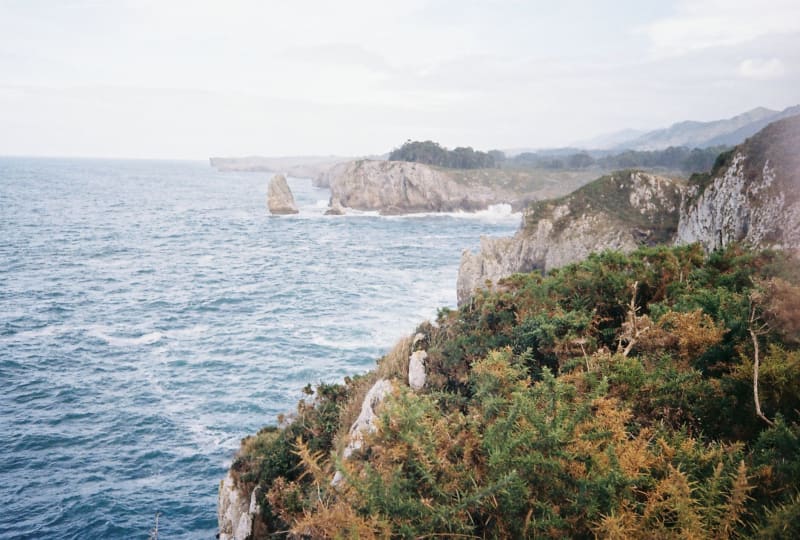 asturias
Gijón
Asturias's largest city wears its industrial past openly — a working port, a long beach, and a cider scene that needs no tourist permission to exist.
Explore