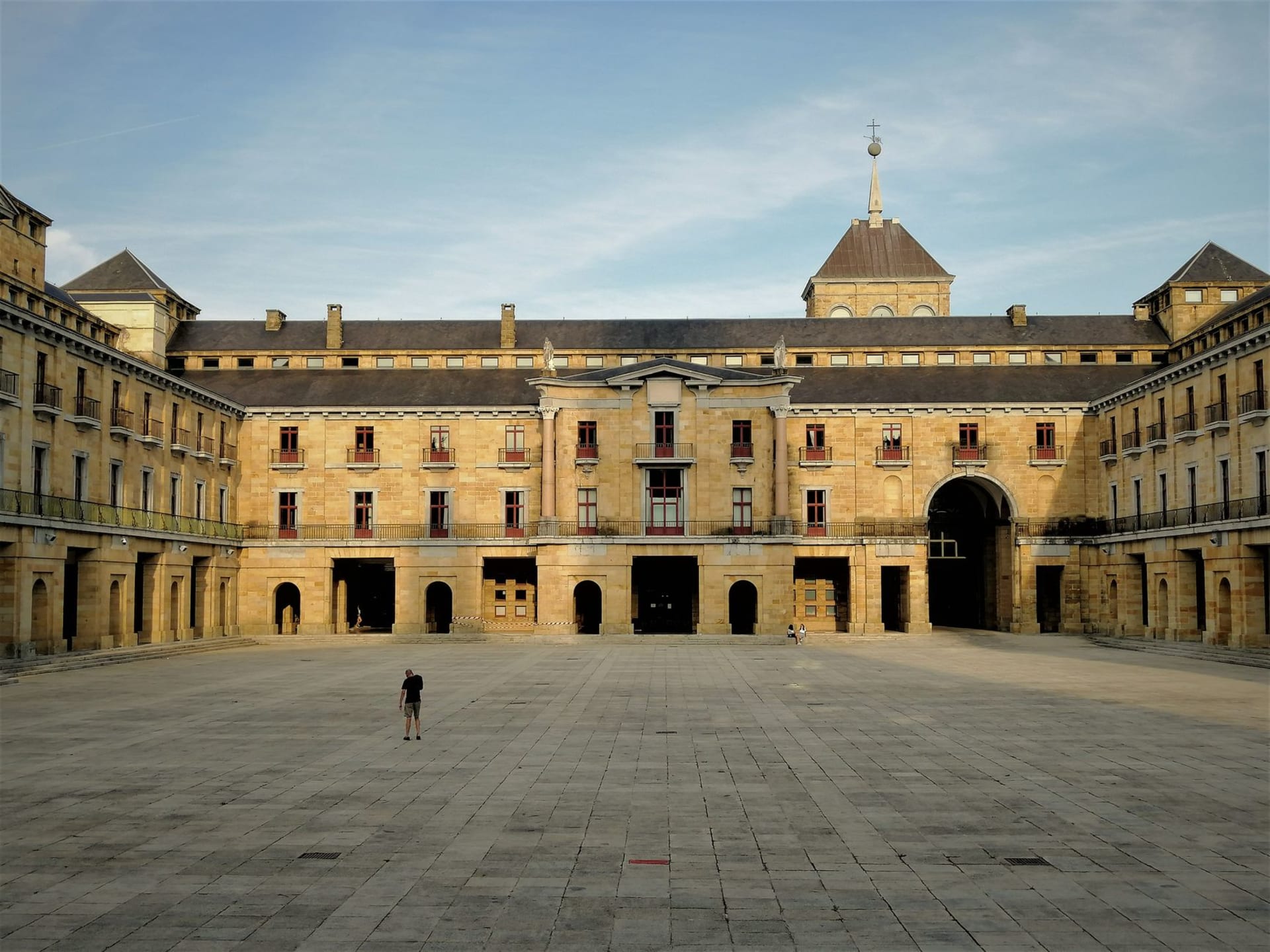
Oviedo
"Calle Gascona at ten on a Thursday — the cider already on the floor, the conversation already at full volume."
I got off the bus from Santander and walked into Oviedo under that particular drizzle that northern Spain does so quietly you almost don’t notice it’s raining until your jacket is soaked through. The old town announces itself with a sudden tightening of the streets — cobblestones, sandstone facades, a cathedral spire threading up through the low cloud. I had no plan beyond finding Calle Gascona, the street everyone calls the Boulevard of Cider, where the sidrías run end to end and the cider goes down before the glass even touches a table.
The escanciado ritual — pouring the cider from shoulder height to aerate it — is not a performance for visitors. Inside any of the Gascona bars, the bartender holds the bottle above their head without looking, the thin amber arc hits the glass at the correct angle, and you drink what’s there before the fizz dies, which takes about four seconds. By the third time you spill it on your shoes, you start to understand that the waste is part of the point.
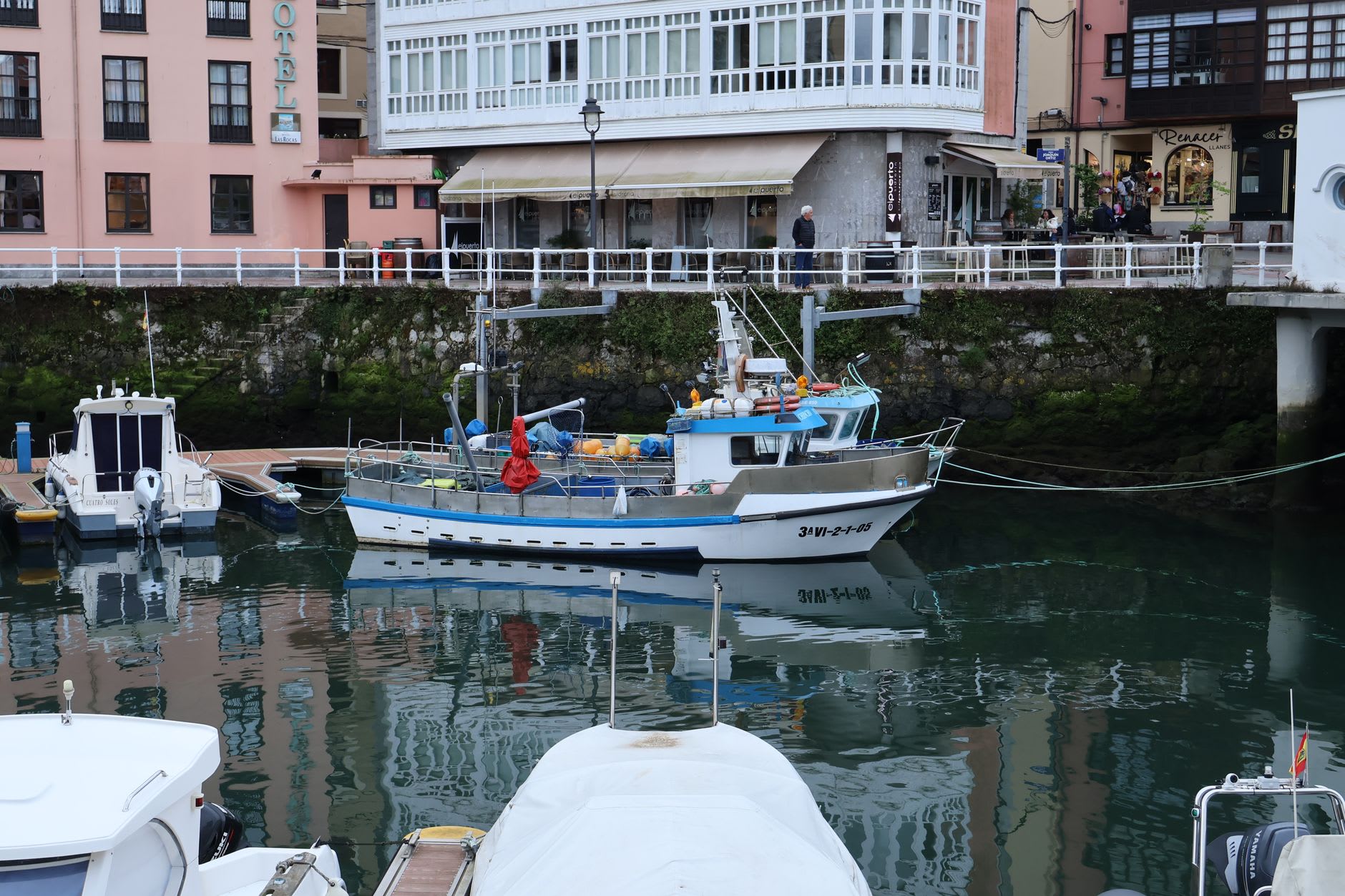
But Oviedo is not only cider bars. The Cathedral of San Salvador, begun in the 14th century on foundations even older, holds what locals call the Holy Chamber — a pre-Romanesque chapel from the 9th century containing relics that medieval pilgrims considered more potent than Santiago itself. And outside the city, up a hill that takes twenty minutes to walk, Santa María del Naranco is a royal hall built in 848 that was converted into a church and then left largely alone for twelve centuries. You can run your hand along the carved stone columns and feel the particular vertigo of touching something older than the concept of Spain as a country. The pre-Romanesque trail through Oviedo and its surroundings carries a UNESCO designation that hasn’t, for once, been over-packaged into an experience.
The cheese shop on Calle Cimadevilla will give you a sliver of Cabrales if you hover near the counter looking confused. I did this three times on separate visits. The third time the woman behind the counter gave me a larger piece and said something in Asturian that I couldn’t fully translate but understood perfectly as “that’s enough now.” El Fontán market, an arcaded neoclassical square, runs through the mornings with vendors selling Afuega’l Pitu wrapped in cloth, sea-salted butter, and the wild mushrooms that come down from the mountains each autumn. It’s not a tourist market. The locals are doing their weekly shopping, and you are briefly in the way, which is exactly the right way to encounter a place.
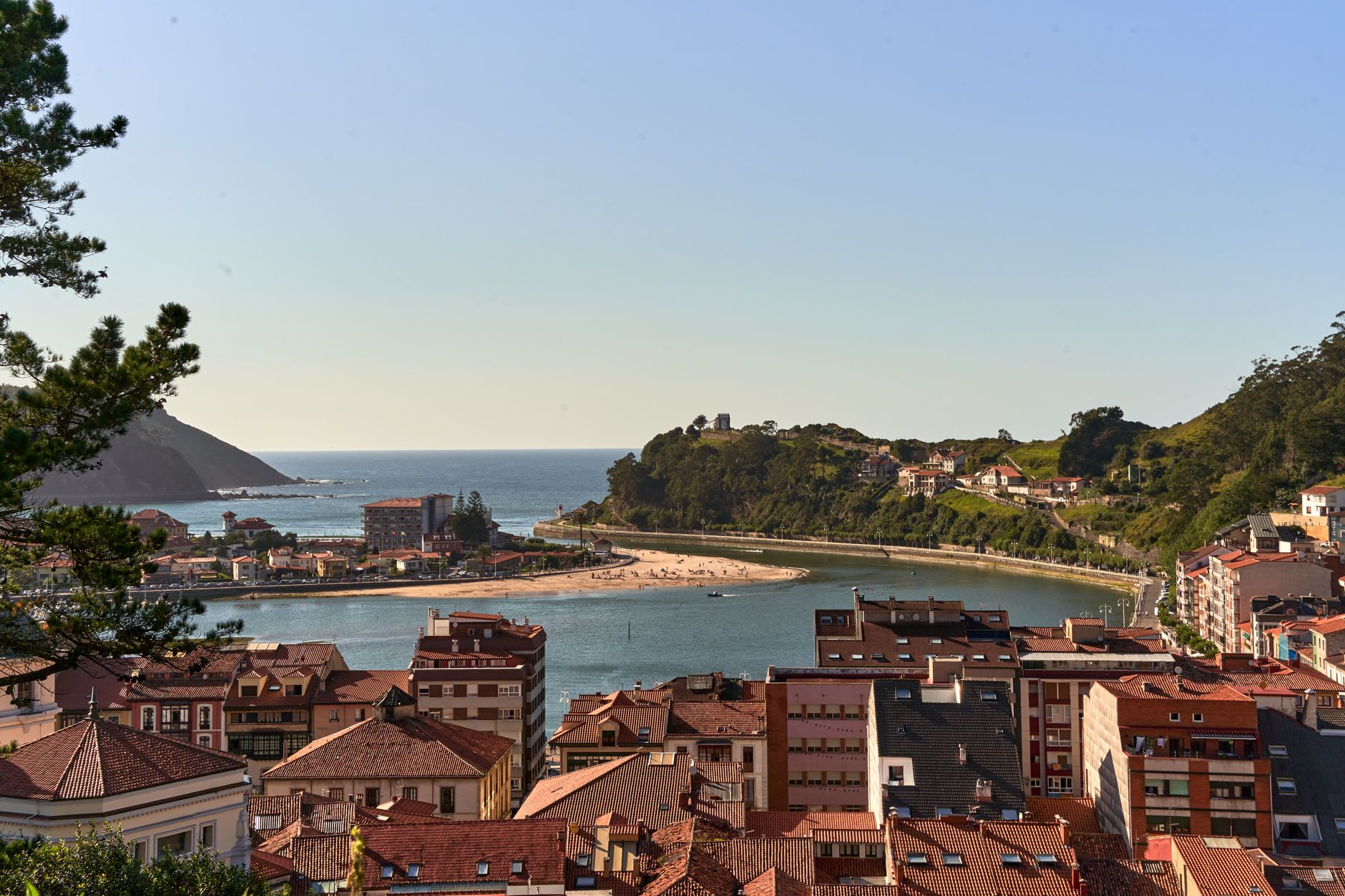
What stays with me about Oviedo is its complete indifference to its own appeal. There are no selfie installations. No illuminated hashtags. The old town is beautiful and the people who live in it go about their lives with total focus, and if you happen to be there too, fine. It is a city that rewards the visitor who submits to its rhythms — late lunches at two in the afternoon, slow walks through streets that have barely changed in a century, a second cider at a bar that doesn’t have a menu posted outside.
When to go: September and October bring the most comfortable temperatures, golden afternoon light, and mushroom season. July and August are busier but still manageable — Oviedo is not a beach resort and doesn’t swell the way the coast does. Avoid January and February unless you like your cider accompanied by steady horizontal rain and the specific pleasure of being the only foreigner in a bar where the television is showing regional news.