Sedona
"I came skeptical of the vortexes and left believing that something is different about the air here."
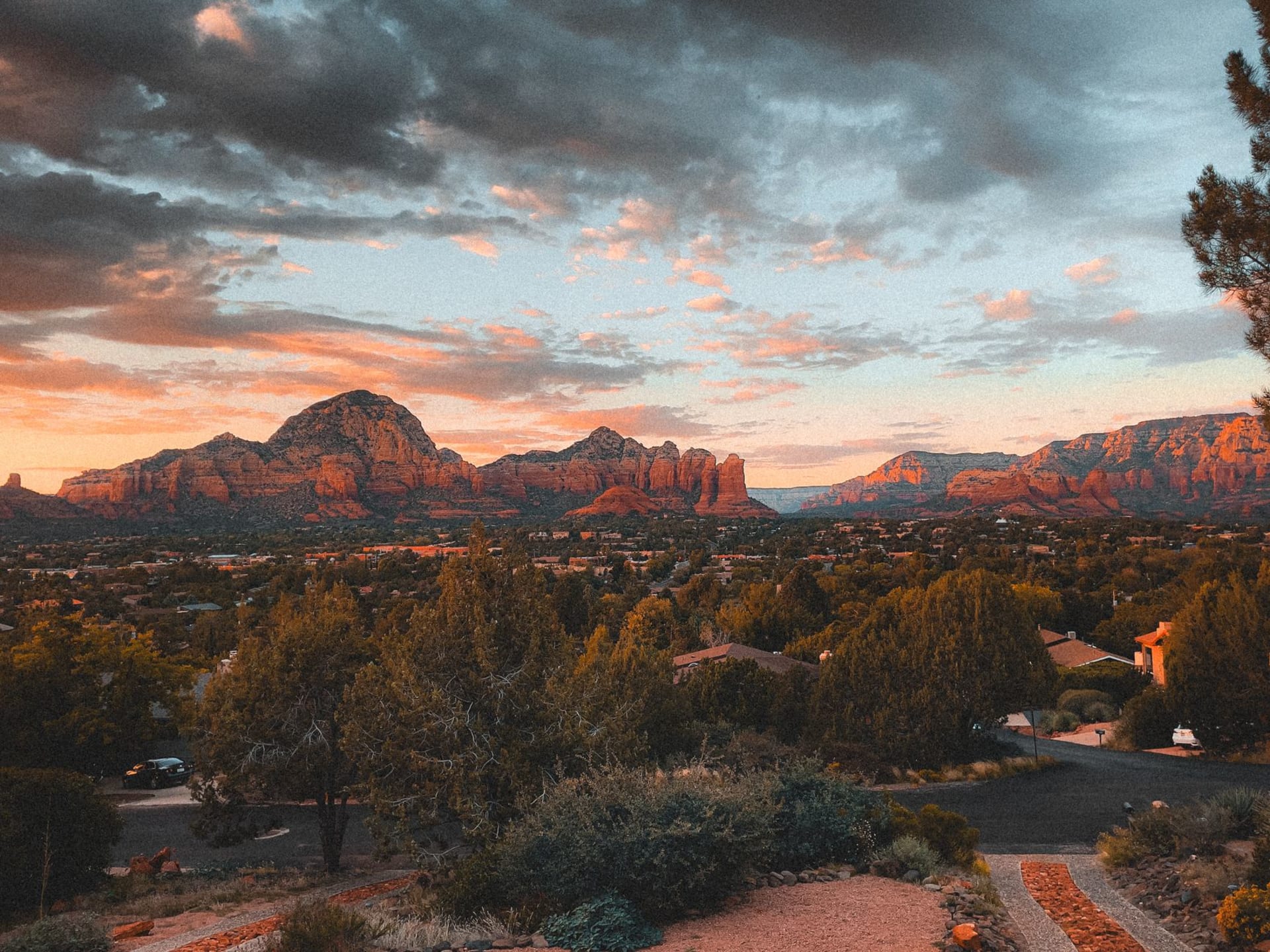
The first thing Sedona does is arrive before you do. Driving south from Flagstaff on Route 89A through Oak Creek Canyon, the walls close in from both sides — ponderosa pines giving way to scrub oak, the canyon narrowing, the creek below you turning jade green — and then the canyon opens and you descend and the red rocks are simply there, filling the windshield, more vivid than any photograph has the right to promise. Schnebly Hill Road rises to the east in switchbacks. Cathedral Rock stands in the distance to the southwest, two spires of Schnebly Hill sandstone catching the afternoon light and doing something to the color spectrum that I struggle to describe: they glow. Not metaphorically. They emit light the way an ember does.
I had been skeptical about Sedona’s famous energy vortexes — those allegedly electromagnetic focal points where the earth’s energy spirals up through the rock and sensitizes you to something larger than yourself. The crystal shops and psychic readers on Route 179 did not help my skepticism. But I hiked out to Bell Rock at dusk on a Tuesday, with the trails mostly empty, and sat against the sandstone and watched the light change, and whatever I felt there — the particular quality of silence, the warmth radiating from the rock into my back, the color of the sky going from blue to violet to deep orange over forty minutes — I will not be dismissive about. The rock is real. The silence is real. What you make of it is your own business.
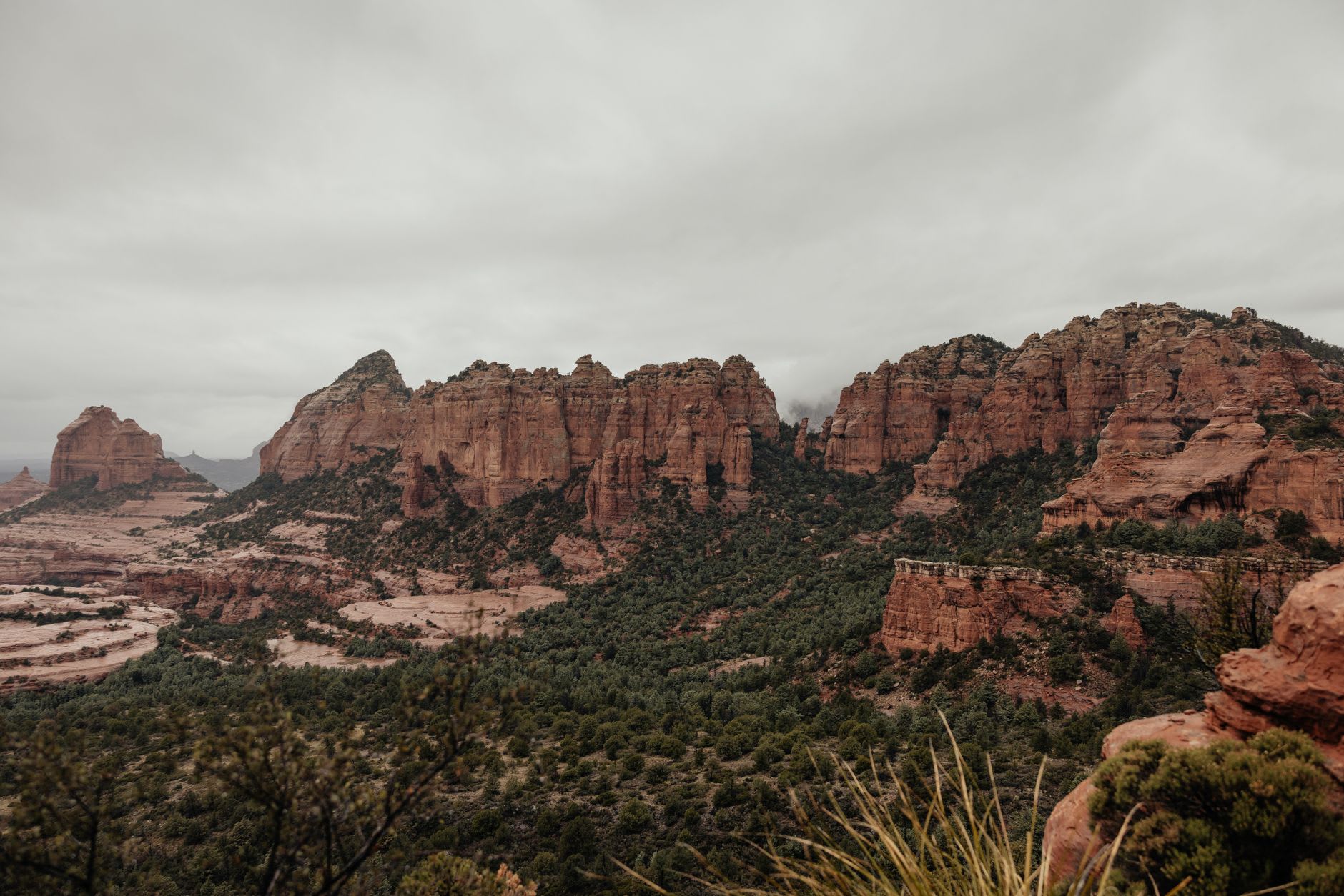
The hiking here is some of the best in the American Southwest, and the variety surprises you. The West Fork Trail follows Oak Creek upstream through a narrow slot canyon where the creek has to be crossed a dozen times — cold, clear water at the ankles in spring — and the canyon walls turn from red to cream to rust overhead. The Cathedral Rock trail is short and vertical, scrambling up exposed rock faces with your hands in places, but the view from the top of the creek valley below and the town of Sedona spread out between formations repays every scrape. Devil’s Bridge spans a natural sandstone arch 150 feet above the canyon floor, and on weekday mornings before the Instagram crowd arrives you can stand alone at the center of it with nothing but red rock and blue sky in every direction.
The town itself is a compromise. The restaurants on Route 179 range from genuinely good (Mariposa’s Latin-inspired dishes against a backdrop of canyon views) to tourist-grade mediocre, and the pink Jeep tour operators and crystal boutiques crowd the main drag in a way that can feel exhausting if you arrive expecting wilderness. I made my peace with it by waking early — at 6am the trails are nearly empty, the light is horizontal and red, and the town hasn’t started selling itself yet. That hour belongs to the rock.
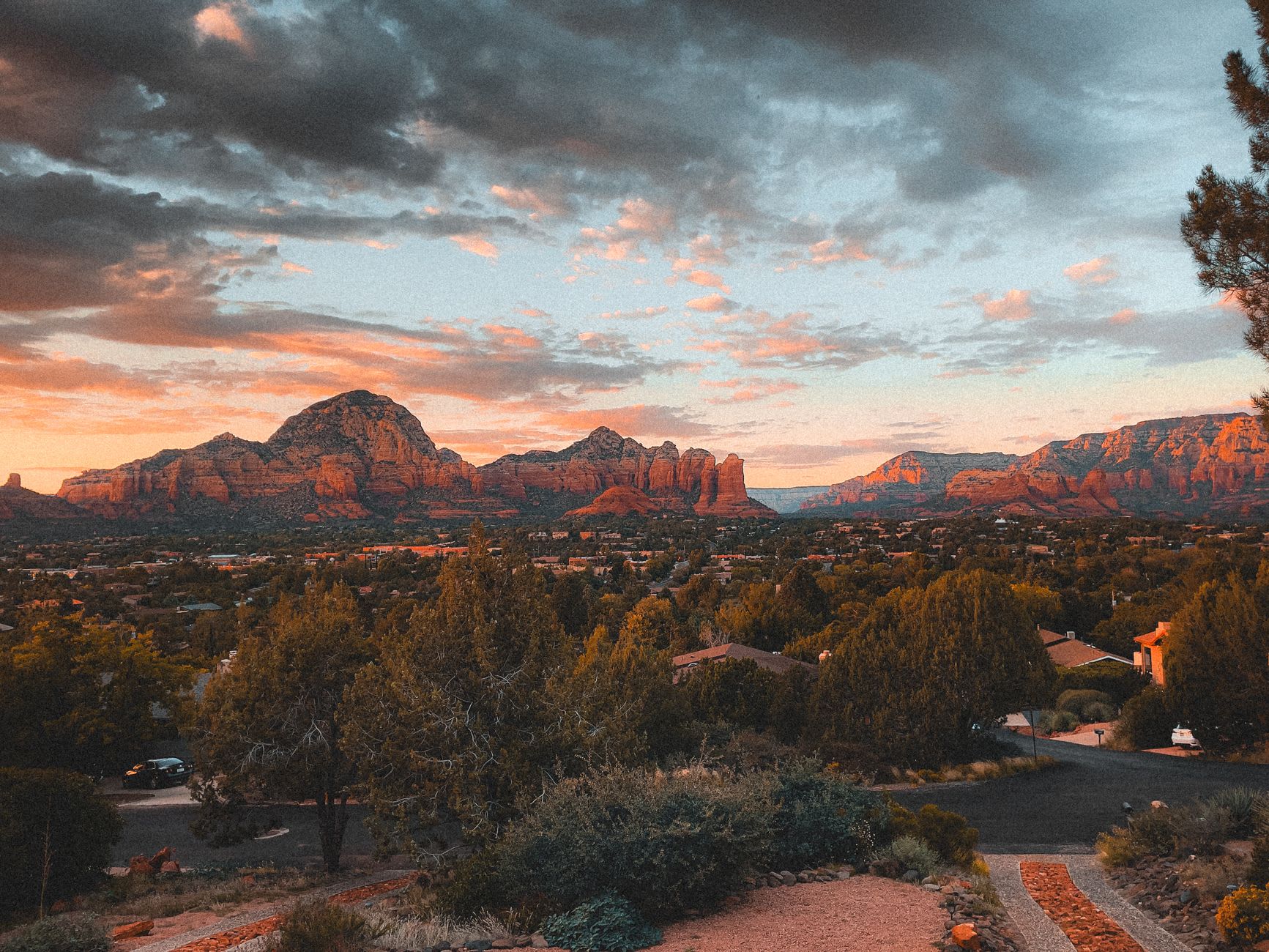
What stays with me from Sedona is not a vortex or a restaurant or a Jeep tour. It’s the light at 6:30am on the red rocks — that specific moment when the sun clears the Mogollon Rim to the east and the formations go from shadow to fire in a matter of seconds, and the whole landscape seems to hold its breath. I have seen that transition three times now, on three different visits, and it still makes me stand very still.
When to go: March through May and September through November are ideal — temperatures in the mid-20s Celsius, trails dry and navigable, crowds manageable outside of spring break. Summer brings extreme heat and afternoon monsoon thunderstorms that can make flash floods a genuine concern in the canyons. Winter is cold but often clear, and the red rocks against snow is a combination worth seeking out if you catch it.