Zapala
"Zapala doesn't try to charm you, and after the lake district, I found that oddly restful."
A no-frills steppe crossroads town in Neuquén, gateway to volcanic plateau scenery few visitors bother to see.
Zapala is not a place anyone travels to for its own sake, and the town seems entirely at peace with that fact. It exists because the roads do — a crossroads settlement on the arid steppe of central Neuquén, the kind of place where you refuel the car, maybe eat a milanesa at a roadside comedor, and keep moving toward somewhere more photogenic. We stopped originally for gas and ended up staying the night after a front tire picked up a screw on the gravel outside Villa Pehuenia, and I’m oddly grateful for the accident, because Zapala turned out to have more character than its reputation suggests.
The landscape around town is classic Patagonian steppe — flat, windswept, covered in low grey-green shrubs, punctuated by the occasional volcanic cone or basalt outcrop breaking the horizon. It photographs as monotonous and feels, once you’re standing in it with the wind actually hitting you, like something closer to a physical experience than a visual one. Lia went for a walk while the tire was being fixed and came back saying the emptiness had a kind of clarity to it she hadn’t expected, the wind so constant it became a texture rather than a nuisance.
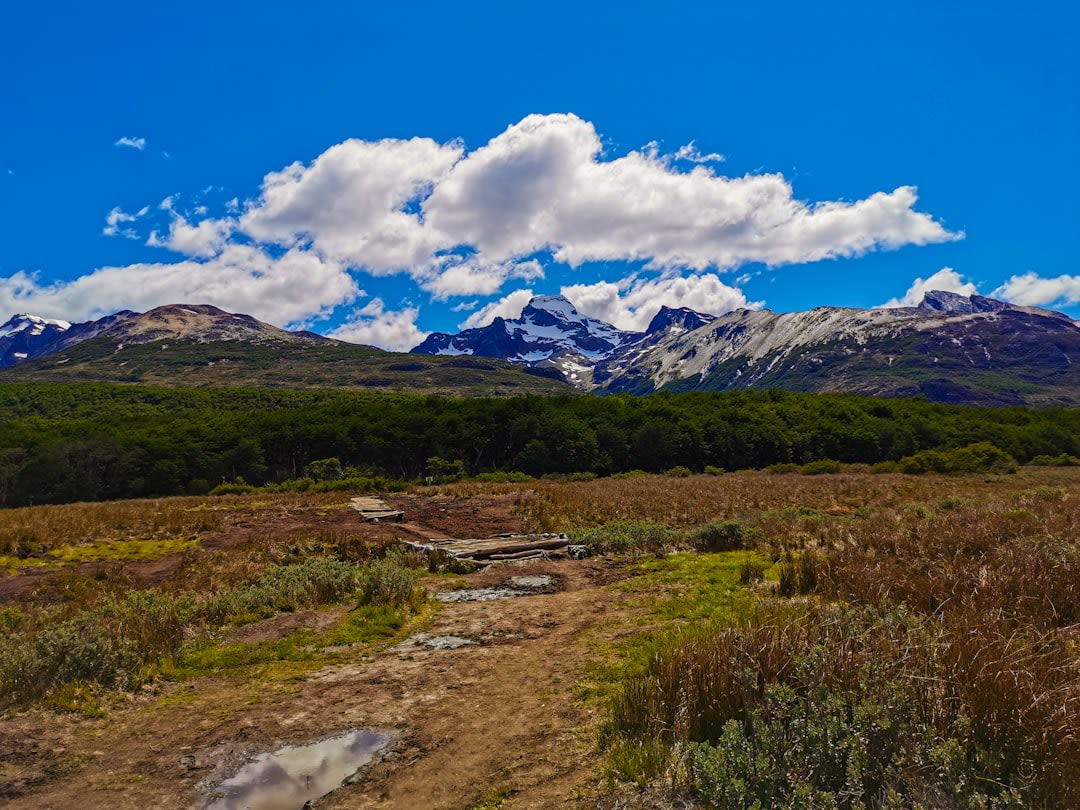
About forty minutes outside town sits Laguna Blanca National Park, a small reserve built around a shallow lake that draws flocks of black-necked swans and flamingos, an incongruously delicate sight against all that volcanic starkness. We drove out on a whim the next morning while waiting for the tire shop to open, and had the entire reserve to ourselves except for a park ranger who seemed pleasantly surprised anyone had come. The lake’s edges were lined pink and white with birds, and beyond them, more of that endless grey-green steppe rolling toward a horizon broken only by old lava flows.
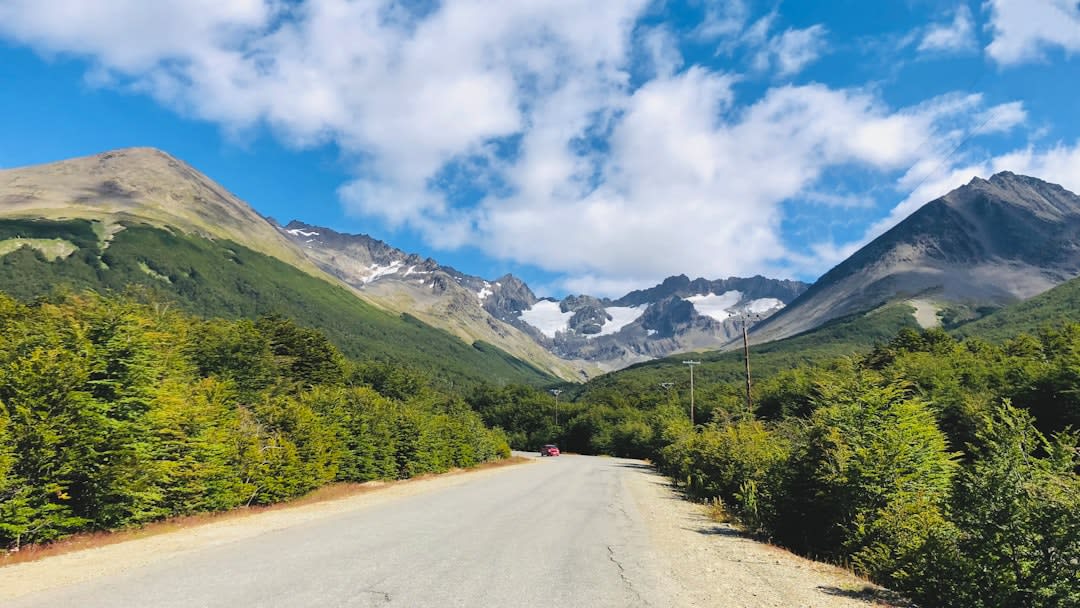
Zapala also holds a modest paleontological museum with fossils pulled from the surrounding badlands, a reminder that this stretch of Neuquén has become one of the richest dinosaur fossil regions on the planet, quietly rivaling more famous sites elsewhere. I wouldn’t build a trip around Zapala. But as an unplanned overnight between the lake district and the desert towns further north, it gave me a version of Patagonia — flat, harsh, strangely beautiful — that the postcard towns don’t show you.
When to go: September through April, when the steppe winds are less brutally cold. Laguna Blanca’s bird populations are most active in the warmer months.
Keep exploring
More from Argentina
 argentina
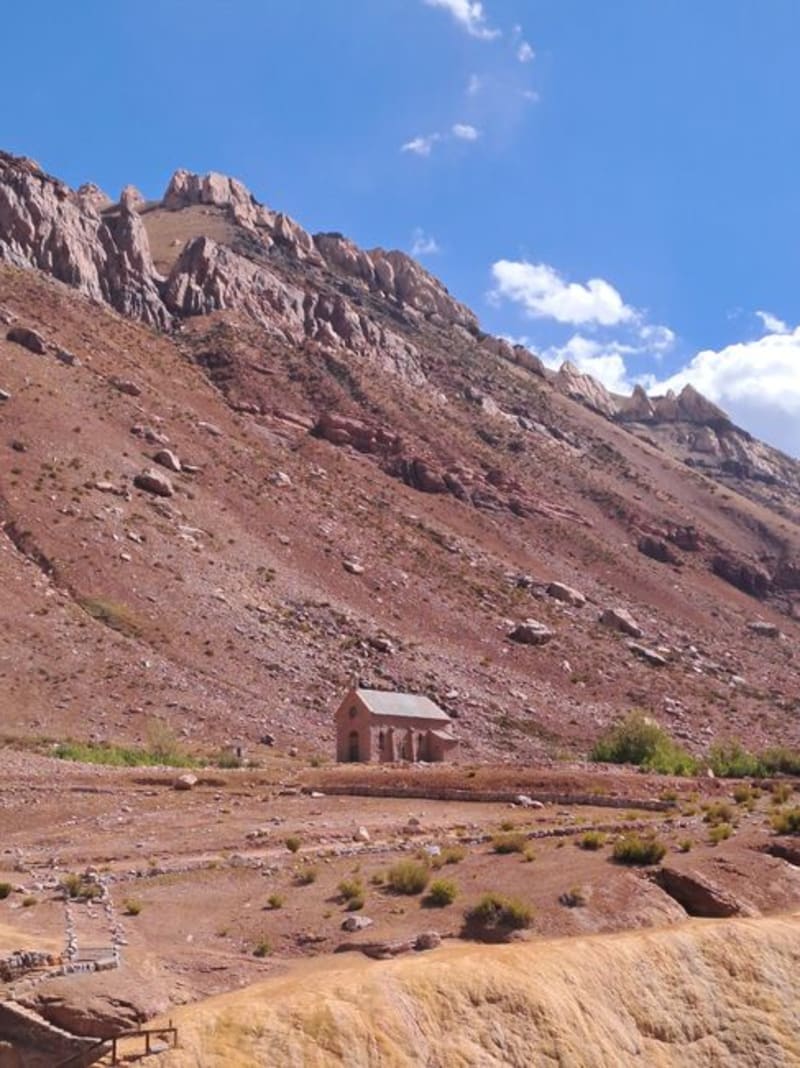
 Aconcagua Base Camp
The trekking approach to the Americas' tallest peak, reachable without a summit permit or technical climbing experience.
Explore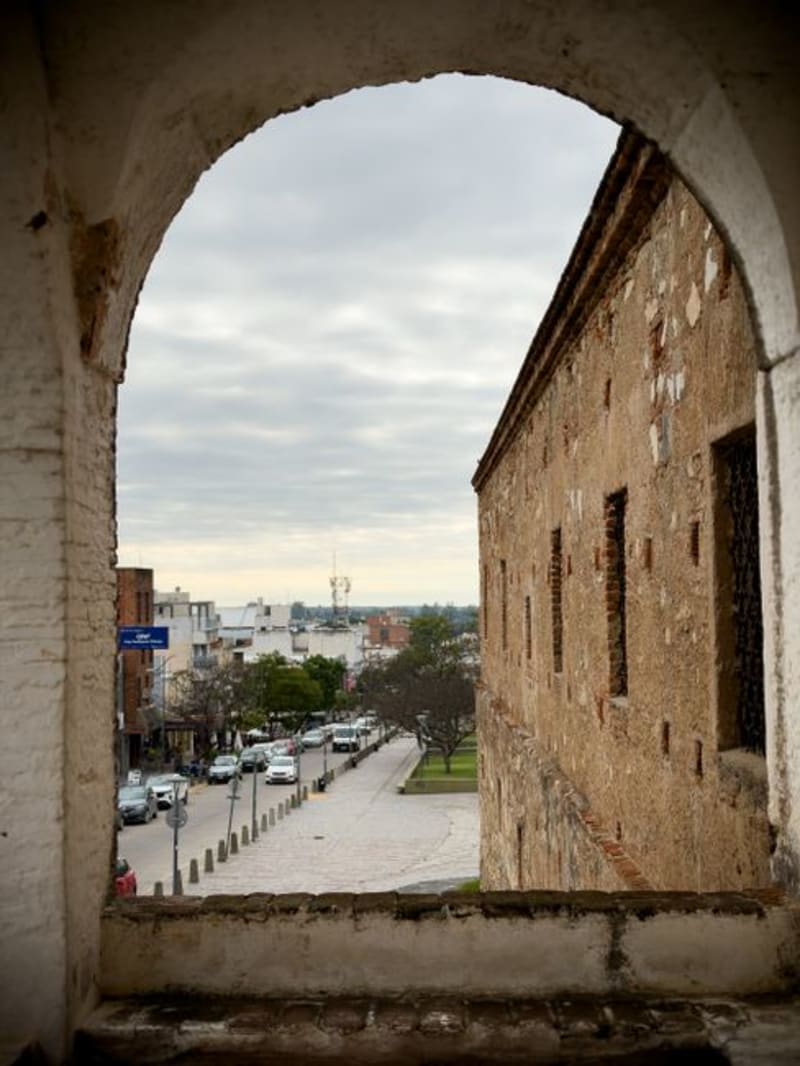 argentina
 Alta Gracia
A colonial Jesuit town near Cordoba where a young Che Guevara grew up, now home to his childhood house turned museum.
Explore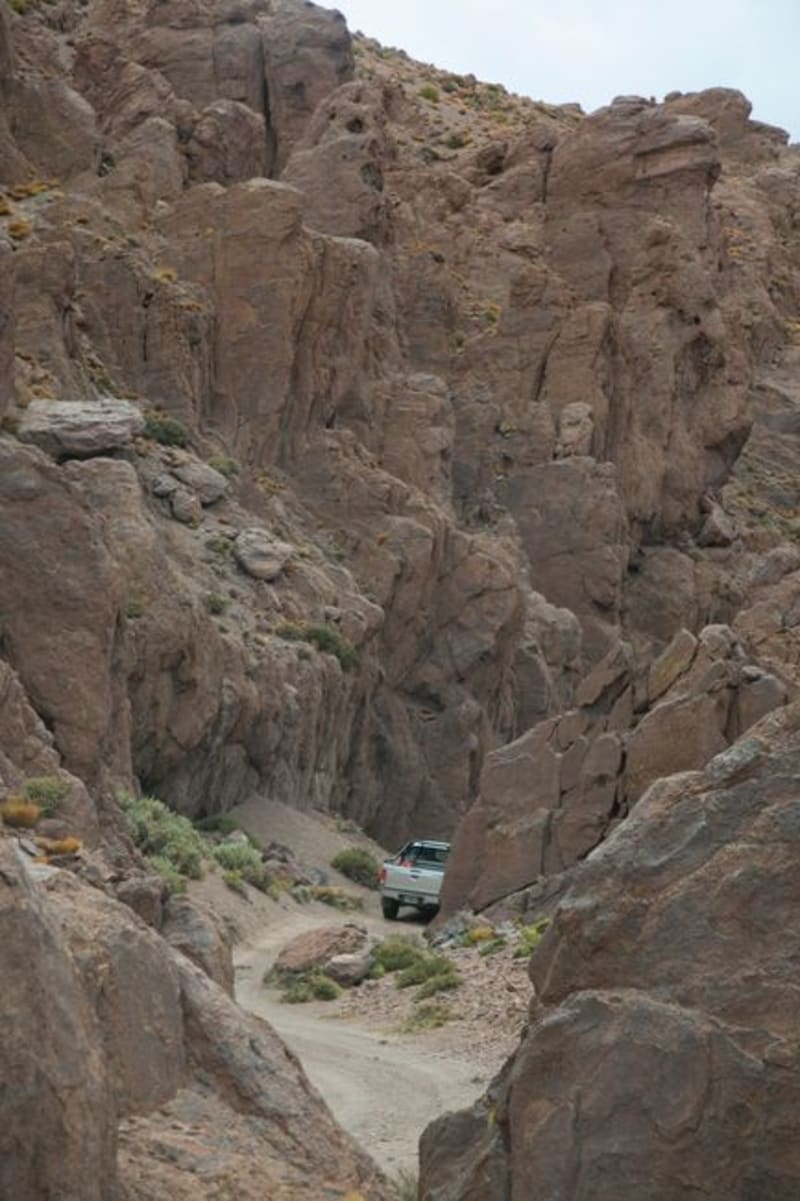 argentina
 Antofagasta de la Sierra
A remote village on the Puna plateau at 3,300 meters, surrounded by salt flats, volcanoes, and more silence than I've found anywhere else.
Explore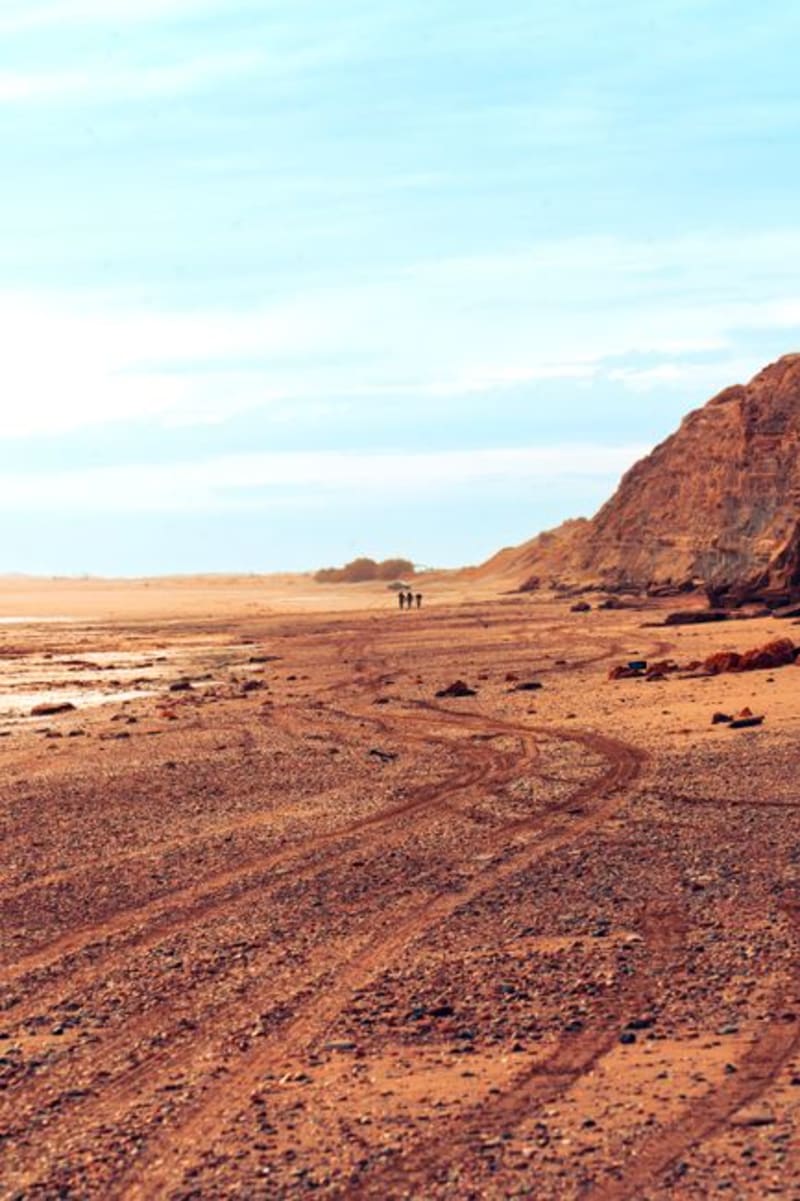 argentina
 Bahía Blanca
A working port city at the southern edge of Buenos Aires province, home to the country's main naval base and a grain economy that runs the town's rhythm.
Explore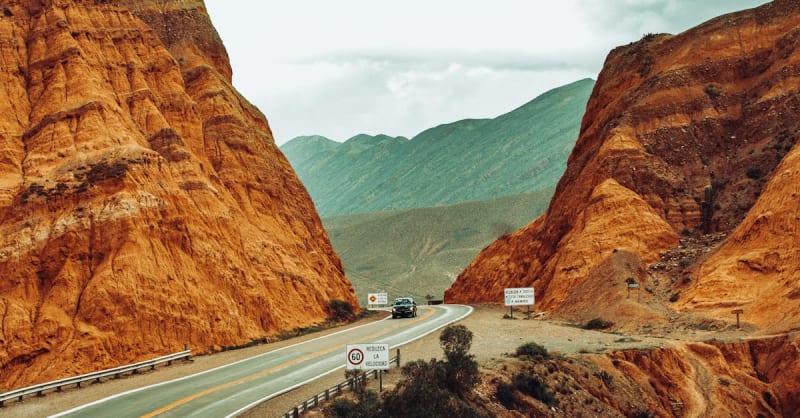 argentina
 Bariloche
The Argentine Lake District's chocolate-box town — alpine scenery, craft beer, and Patagonian charm.
Explore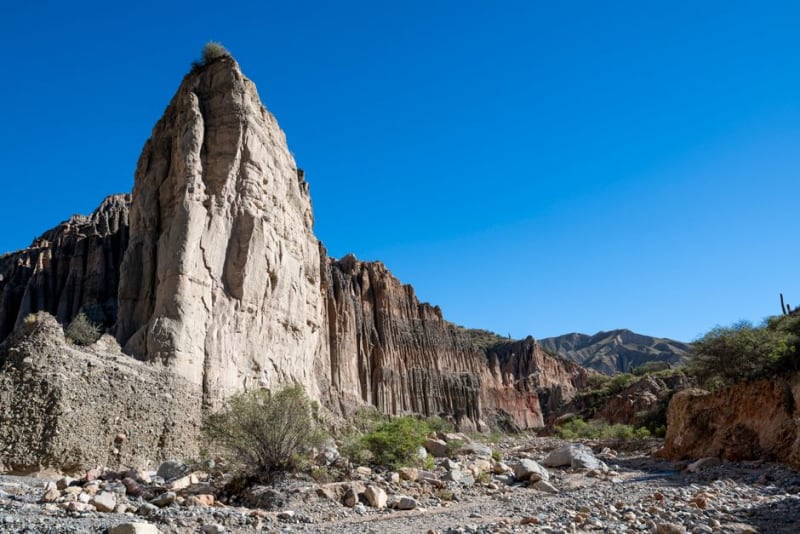 argentina
 Barreal
A high desert valley in San Juan province where the wind drives sailcarts across a dry lakebed under some of Argentina's darkest skies.
Explore