Villa Pehuenia
"The pehuén trees here were already centuries old when the town around them was founded in the 1980s."
A young lakeside town in Neuquén ringed by ancient monkey-puzzle forests and volcanic scenery.
Villa Pehuenia is a strange thing to encounter in Argentina’s lake district: a genuinely young town, founded only in the 1980s, sitting among trees that have been alive for four or five centuries. The araucaria, known locally as pehuén, is the species the town is named for — a conifer with a silhouette so distinctive, all radiating spiky branches like something drawn by a child who’d only heard trees described rather than seen one, that it’s impossible to mistake for anything else. The Pehuenche people considered the tree sacred and harvested its pine nuts as a staple food for centuries before this stretch of Neuquén had a settlement at all.
The town sits on the shore of Lago Aluminé, split into two halves — a quieter residential side and a small commercial strip — connected by not much more than a single road. I liked how unfinished it still felt in places, cabañas going up alongside stretches of open forest, none of the manicured polish of Bariloche. Lia and I stayed in a cabin with a wood stove that the owner insisted on lighting for us personally, apologizing the whole time for a chill that felt, to two people who’d just come from Villa Traful, entirely reasonable for the altitude.
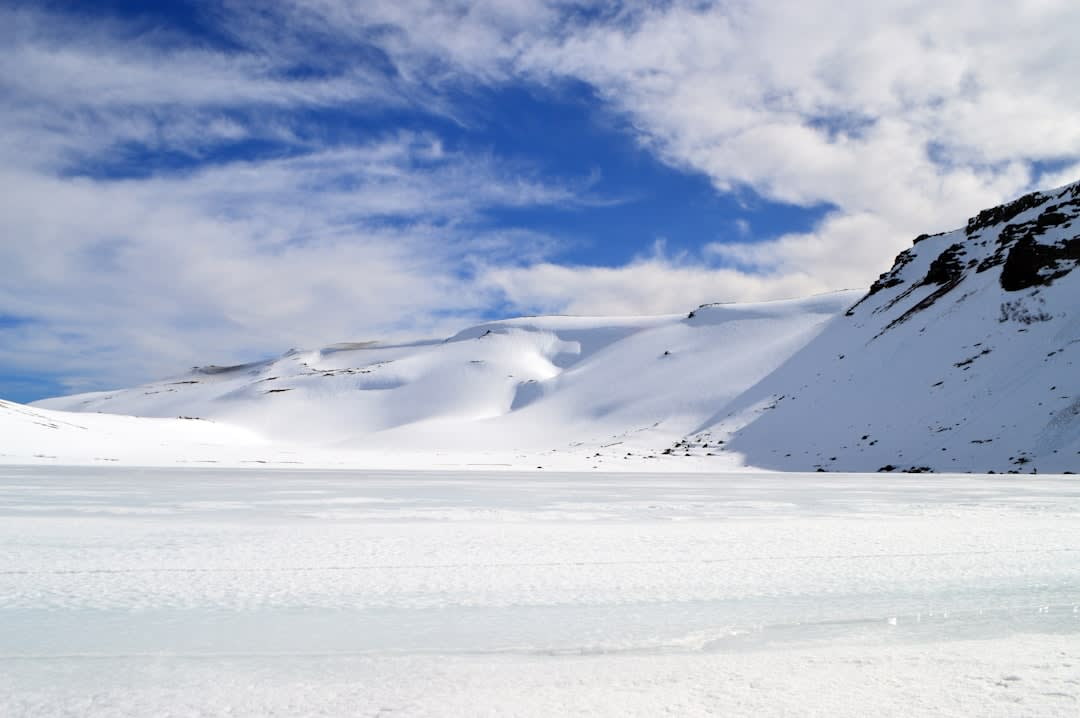
The real draw is the Circuito Pehuenia-Moquehue, a loop drive connecting Villa Pehuenia to its smaller neighbor Villa Moquehue, threading through some of the densest and oldest araucaria forest left in Argentina. We stopped at a mirador partway around where a whole hillside of them stood silhouetted against a sky that had gone the particular deep blue that only shows up at altitude. I’ve seen these trees in botanical gardens elsewhere in the world, isolated specimens behind little signs. Seeing an entire forest of them, wild and ancient and unbothered, recalibrated my sense of what the species actually is.
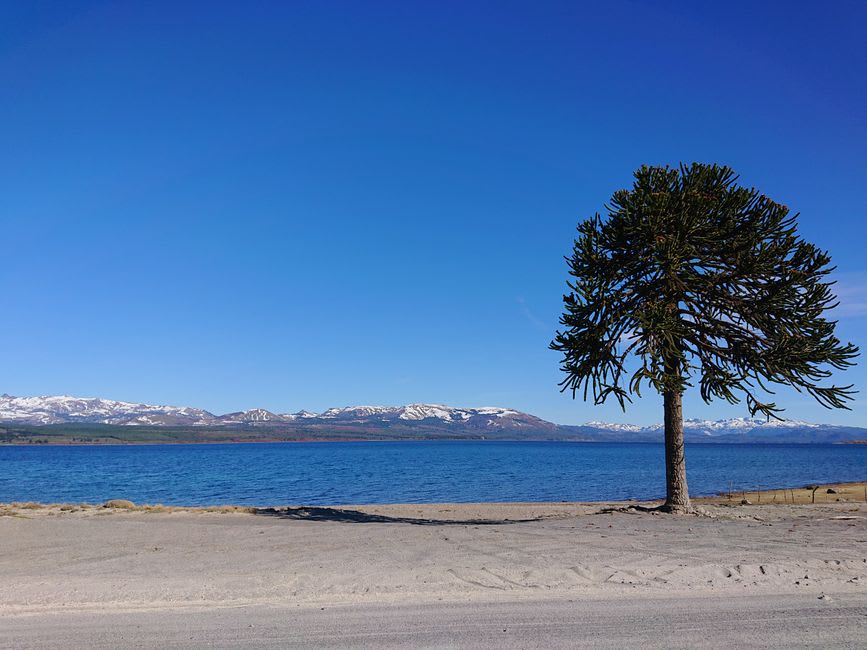
Volcán Batea Mahuida rises just behind the town, its crater holding a small lake you can hike to in a few hours, and the ski area on its slopes runs a modest winter season managed in part by the local Mapuche-Pehuenche community. We didn’t make the hike ourselves — an afternoon storm rolled in and Lia made the sensible call to turn back — but the mountain stayed visible from the cabin for the rest of our stay, a reminder of how much of this region’s geology is still doing something.
When to go: December through March for hiking and the Aluminé lake. Villa Pehuenia has a modest winter season too, roughly June through August, centered on Batea Mahuida’s small ski area.
Keep exploring
More from Argentina
 argentina
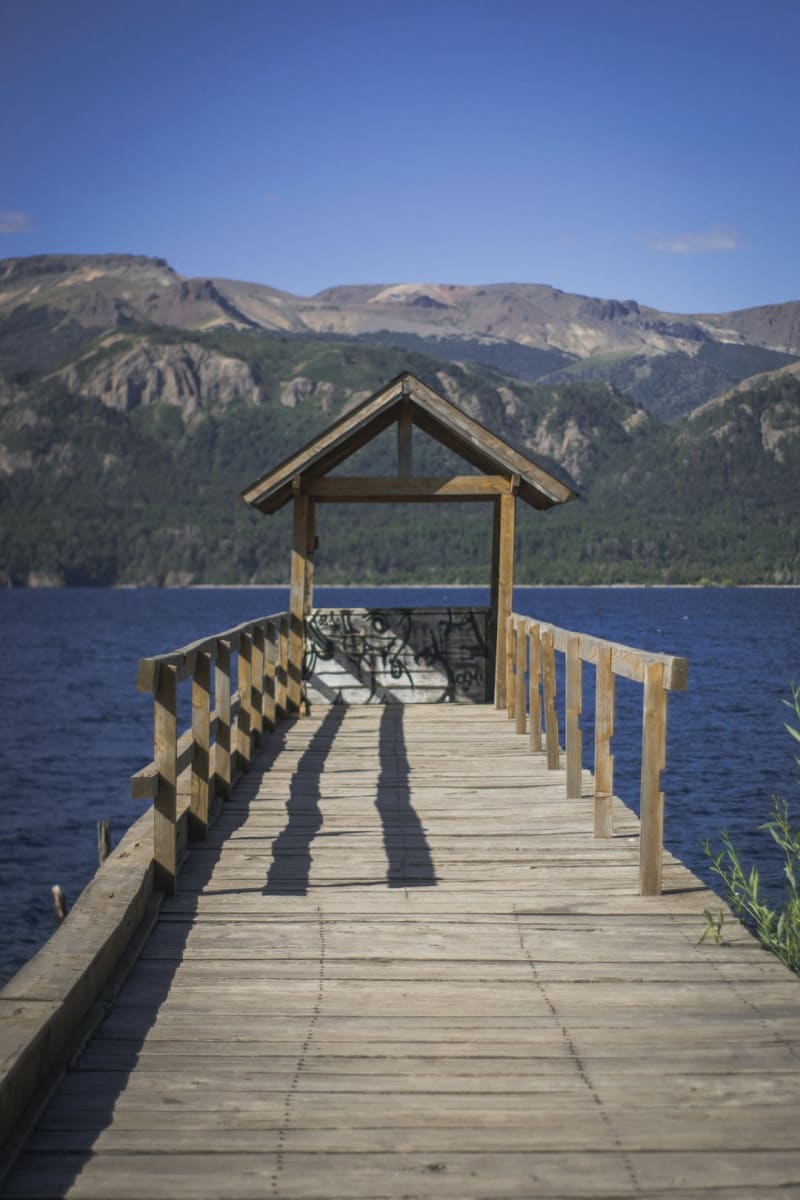
 Villa Traful
A remote village of a few hundred people on a turquoise lake most visitors to the lake district never see.
Explore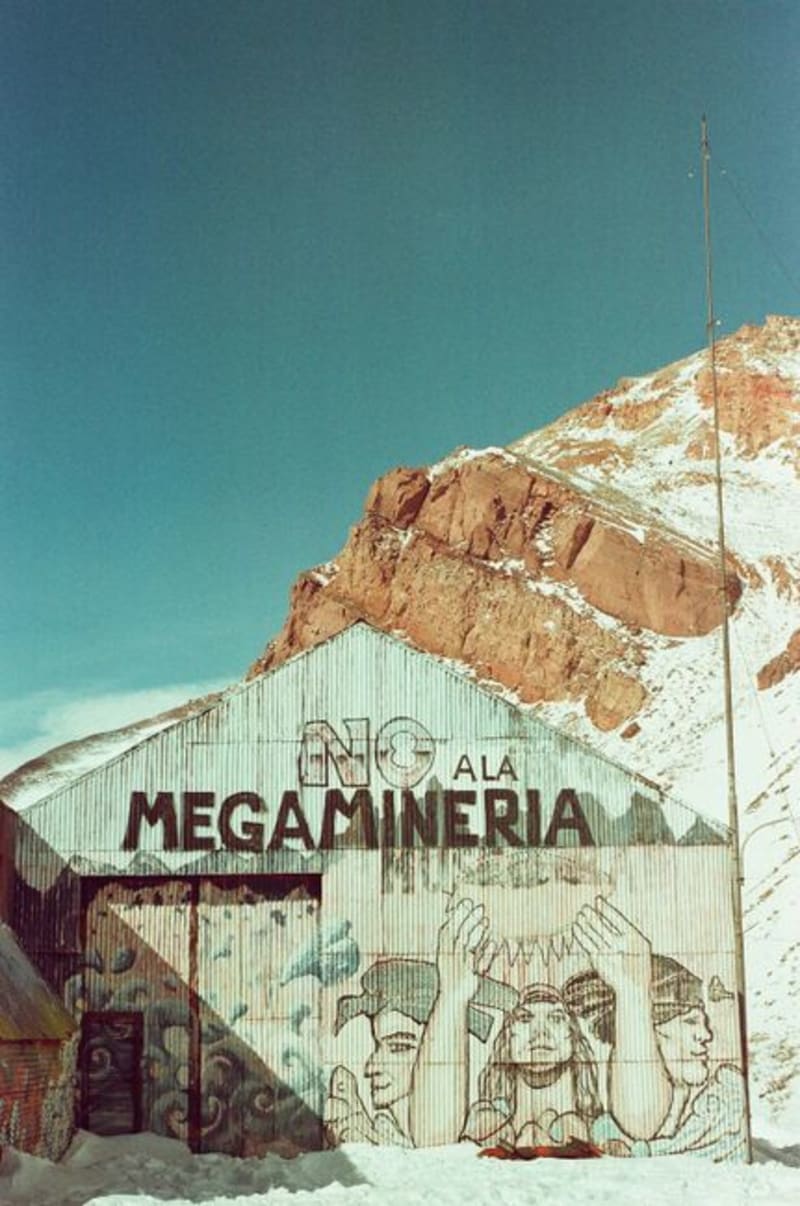 argentina
 Wanda Mines
Semi-precious stone mines near Iguazú where amethyst geodes the size of refrigerators sit exposed in red earth quarries.
Explore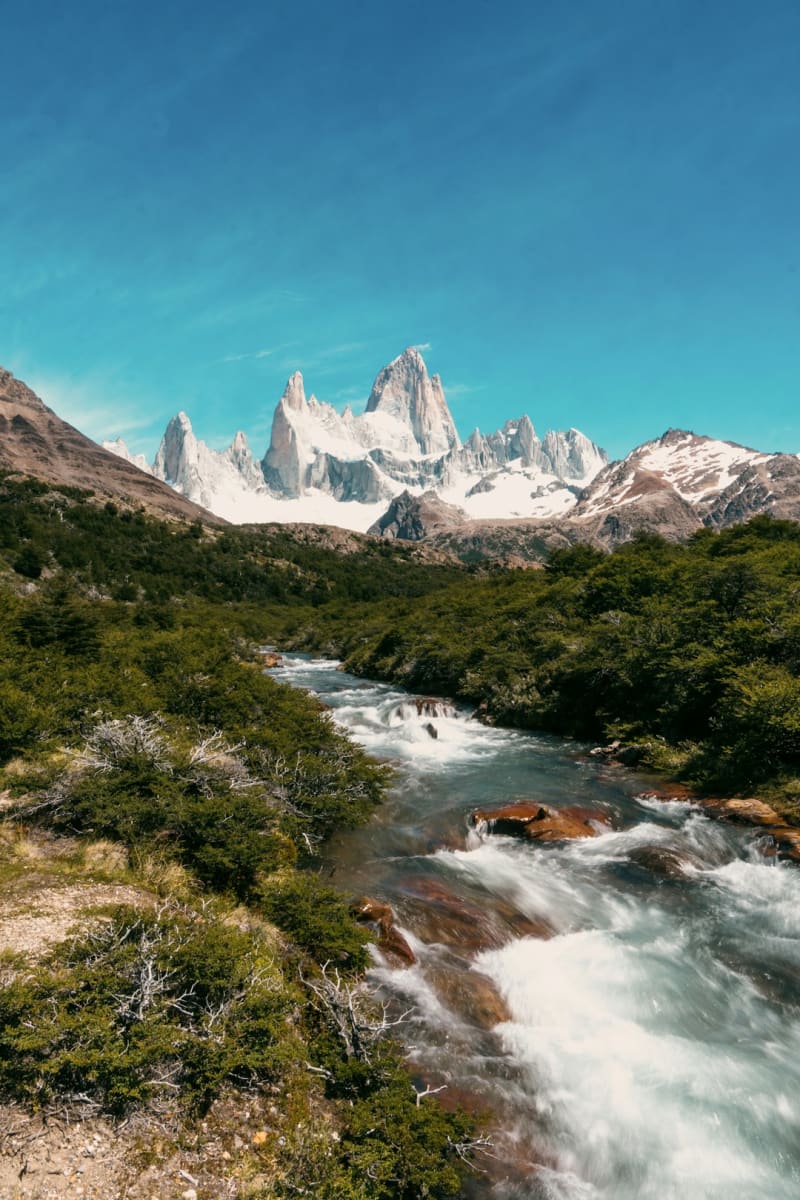 argentina
 Zapala
A no-frills steppe crossroads town in Neuquén, gateway to volcanic plateau scenery few visitors bother to see.
Explore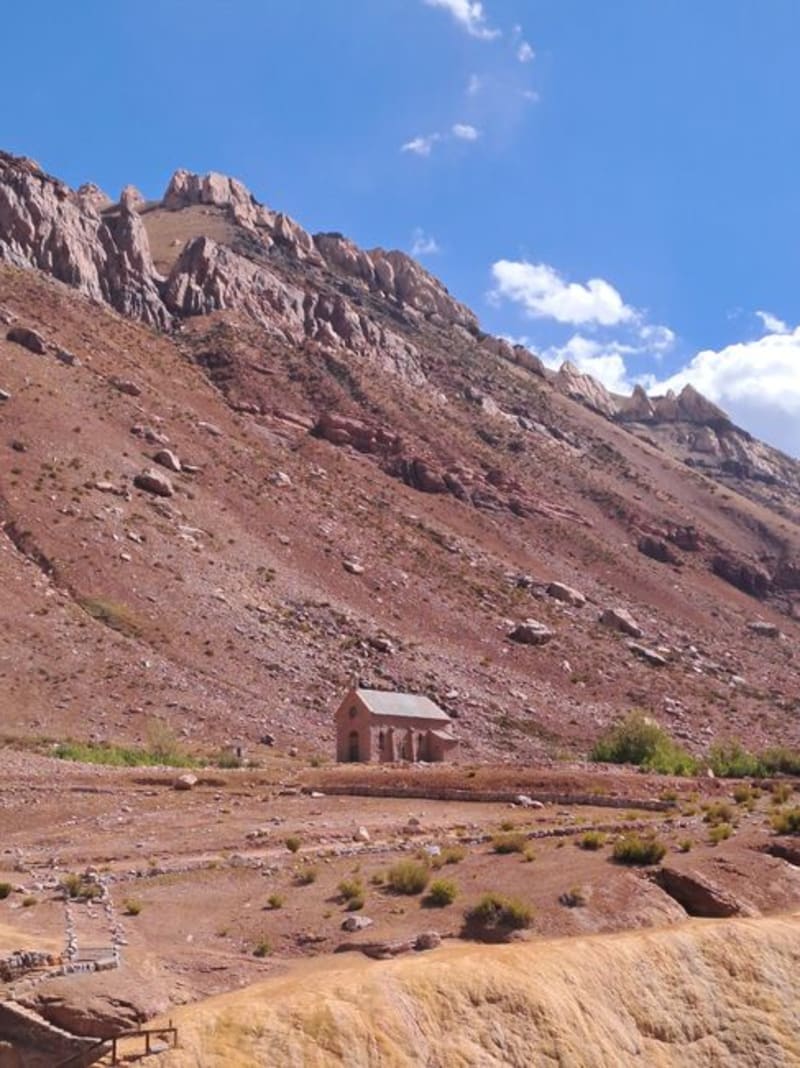 argentina
 Aconcagua Base Camp
The trekking approach to the Americas' tallest peak, reachable without a summit permit or technical climbing experience.
Explore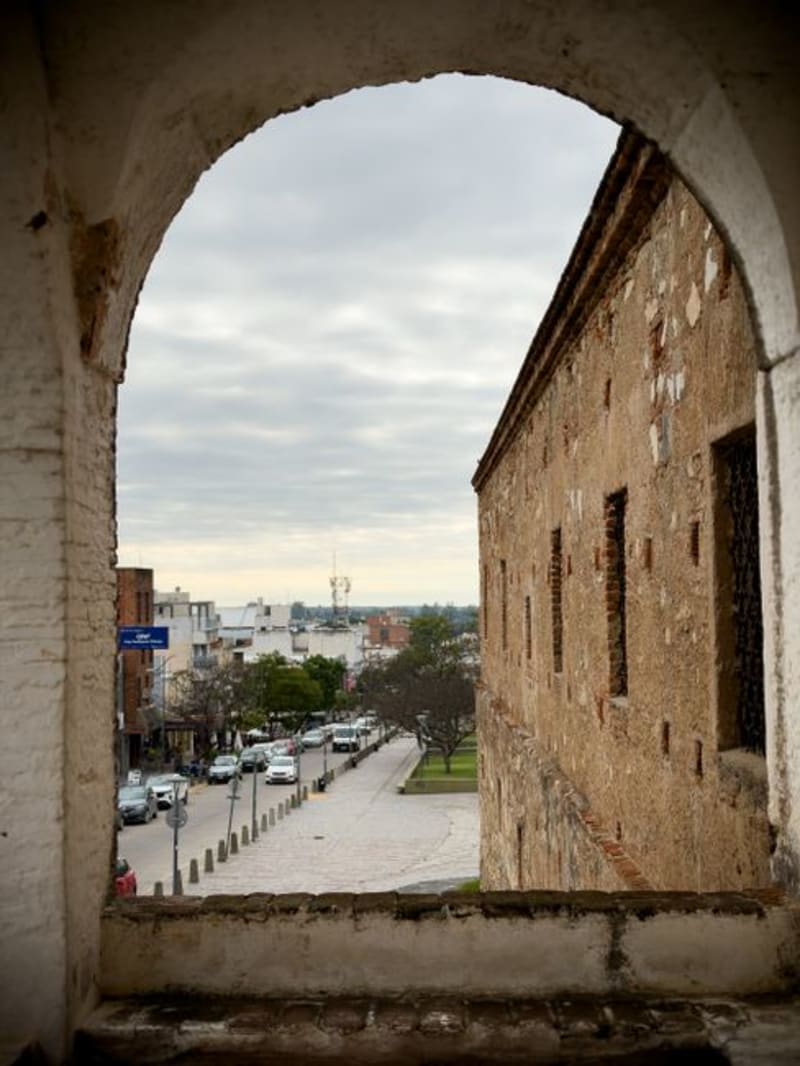 argentina
 Alta Gracia
A colonial Jesuit town near Cordoba where a young Che Guevara grew up, now home to his childhood house turned museum.
Explore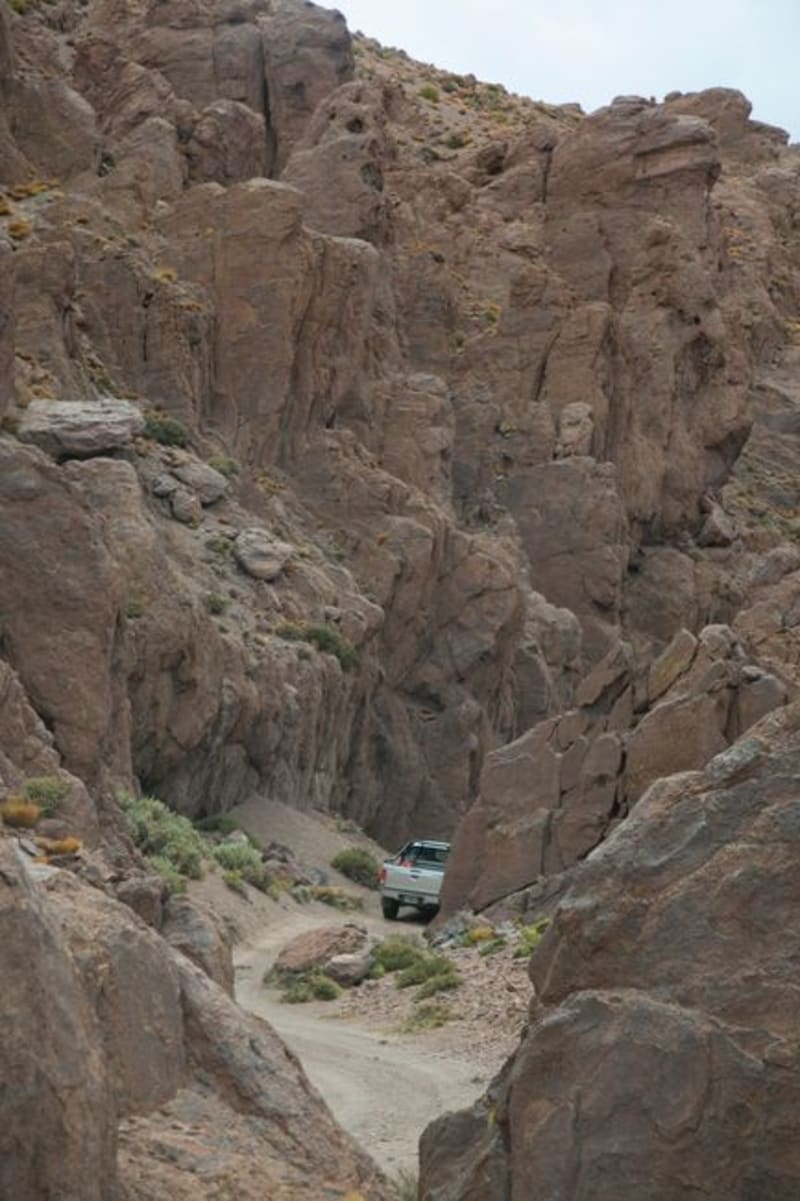 argentina
 Antofagasta de la Sierra
A remote village on the Puna plateau at 3,300 meters, surrounded by salt flats, volcanoes, and more silence than I've found anywhere else.
Explore