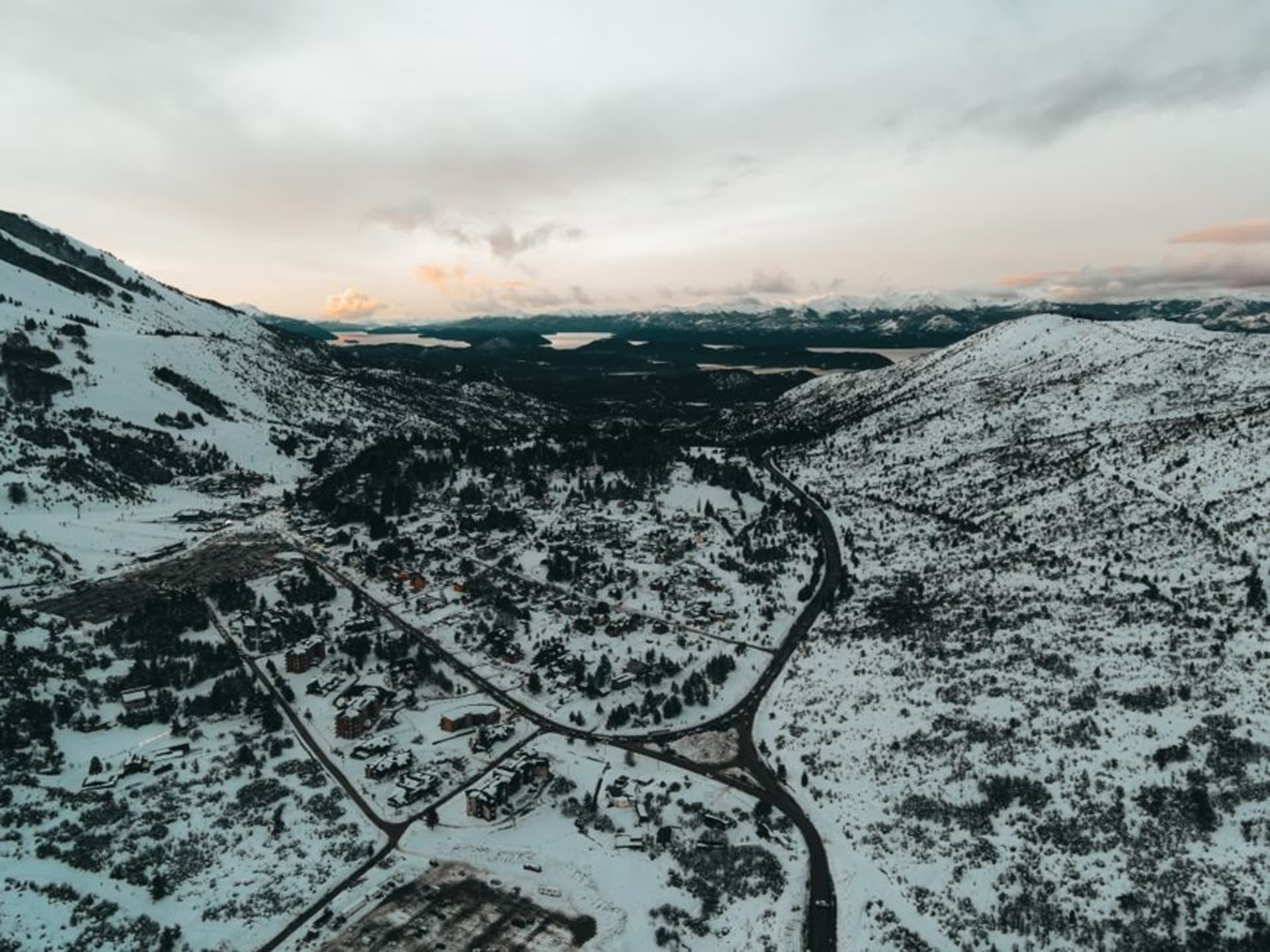
Villa General Belgrano
"A slice of the Black Forest, two hours from Cordoba's fernet bars."
A Germanic-Bavarian town in the Cordoba sierras founded by shipwreck survivors, famous for South America's biggest Oktoberfest.
I did not expect to feel disoriented in the middle of Argentina, but Villa General Belgrano managed it within about ten minutes of arriving. Half-timbered facades, steep gabled roofs, hand-painted signs advertising strudel and homemade beer — if you cropped out the eucalyptus and the sierra ridgeline behind the town, you could convince someone this was a village in the Alps. Lia grew up partly in the Black Forest and she kept stopping mid-sentence, pointing at a window box or a roofline, saying it looked exactly right, which felt like the strangest possible compliment to pay a town in Cordoba province.
Shipwreck Survivors and Bakeries
The story behind the town is stranger than the architecture suggests. Villa General Belgrano was settled in the 1930s and 40s by German, Austrian, and Swiss immigrants, among them sailors who had escaped internment after the Admiral Graf Spee was scuttled off Montevideo in 1939. They chose these hills because the climate and topography reminded them of home, and then they built accordingly — chalet-style guesthouses, breweries, chocolate shops, bakeries selling a version of strudel that a woman at Confiteria Viena insisted, without a trace of irony, was more authentic than anything currently sold in Vienna.
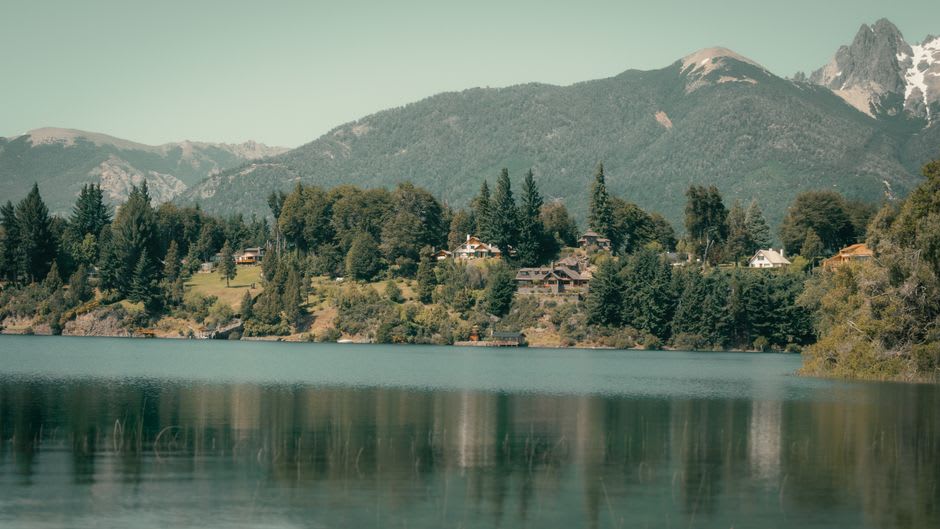
We wandered Avenida Julio A. Roca at midday, when the town runs at the unhurried pace of somewhere that knows exactly what it is. Beer gardens were already filling with day-trippers up from Cordoba city. A brass band rehearsed somewhere out of sight. It felt curated, yes, but curated with enough sincerity — three generations of families still running the same bakeries — that the theme-park comparison never quite landed for me.
Oktoberfest, and the Rest of the Year
In October, none of this restraint applies. Villa General Belgrano hosts the largest Oktoberfest in South America, and the town’s population multiplies several times over for nine days of beer, brass bands, and lederhosen that somehow don’t look absurd on the older Cordobese men wearing them with total conviction. I have not been for the festival itself, only heard about it from a brewer at Cerveceria Berlina who described the main square as “impossible to cross” during peak days, said with visible pride rather than complaint.
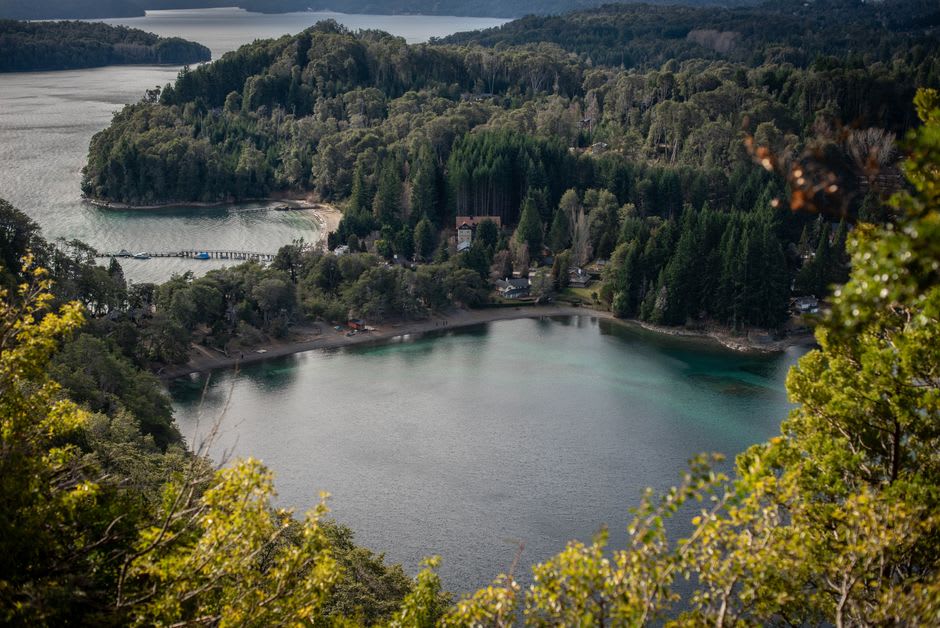
Outside festival season, the appeal shifts to the surrounding sierras — trails up toward Cerro de la Virgen for a wide view back down over the rooftops, and the Rio del Medio, where a short walk from the plaza gets you to clear pools cold enough to make you gasp. We spent an hour there with our feet in the water, saying very little, which is not something Villa General Belgrano typically invites — but the river had other ideas.
When to go: Early October for Oktoberfest, though book accommodation months ahead. April through June and September offer the town at its most peaceful, with cool sierra air and empty river trails.
Keep exploring
More from Argentina
 argentina
 Villa Gesell
A pine-forested coastal town built by a Danish immigrant, quieter and stranger than its bigger neighbor Mar del Plata.
Explore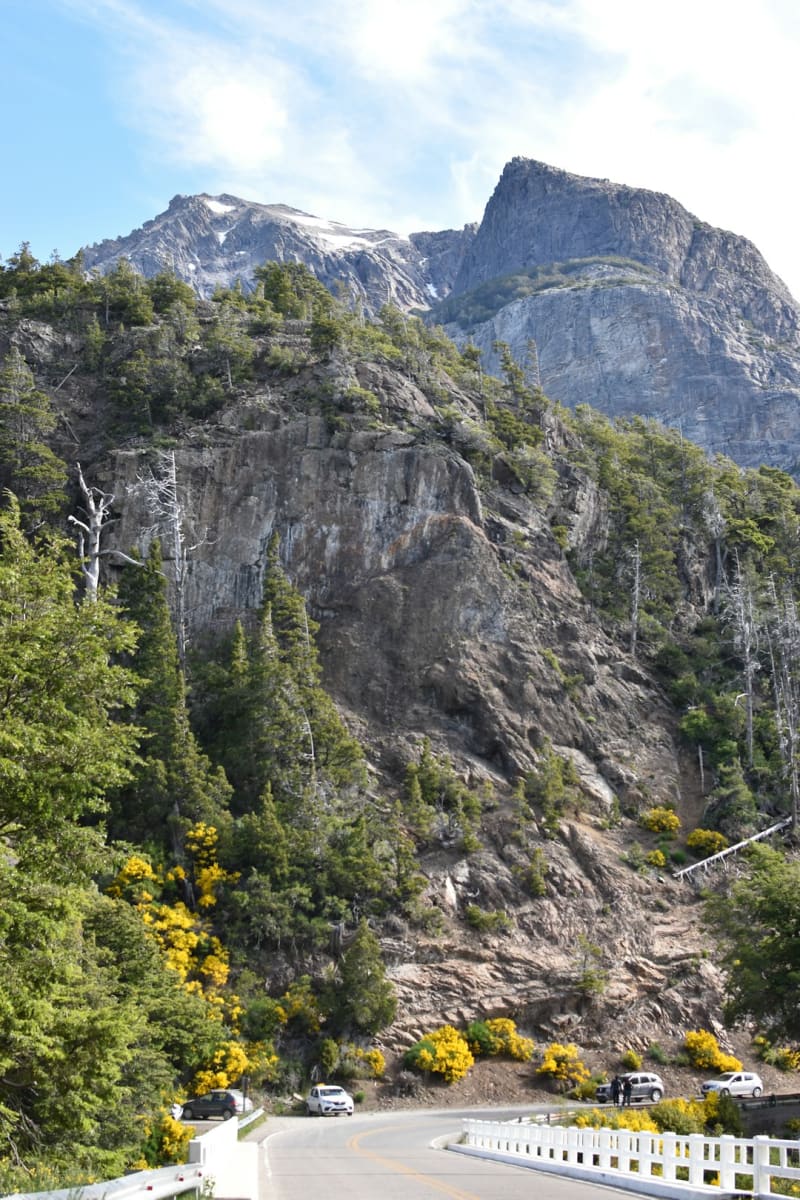 argentina
 Villa La Angostura
A quiet lakeside town on Nahuel Huapi's northern shore, guarding the cinnamon-barked Arrayanes forest.
Explore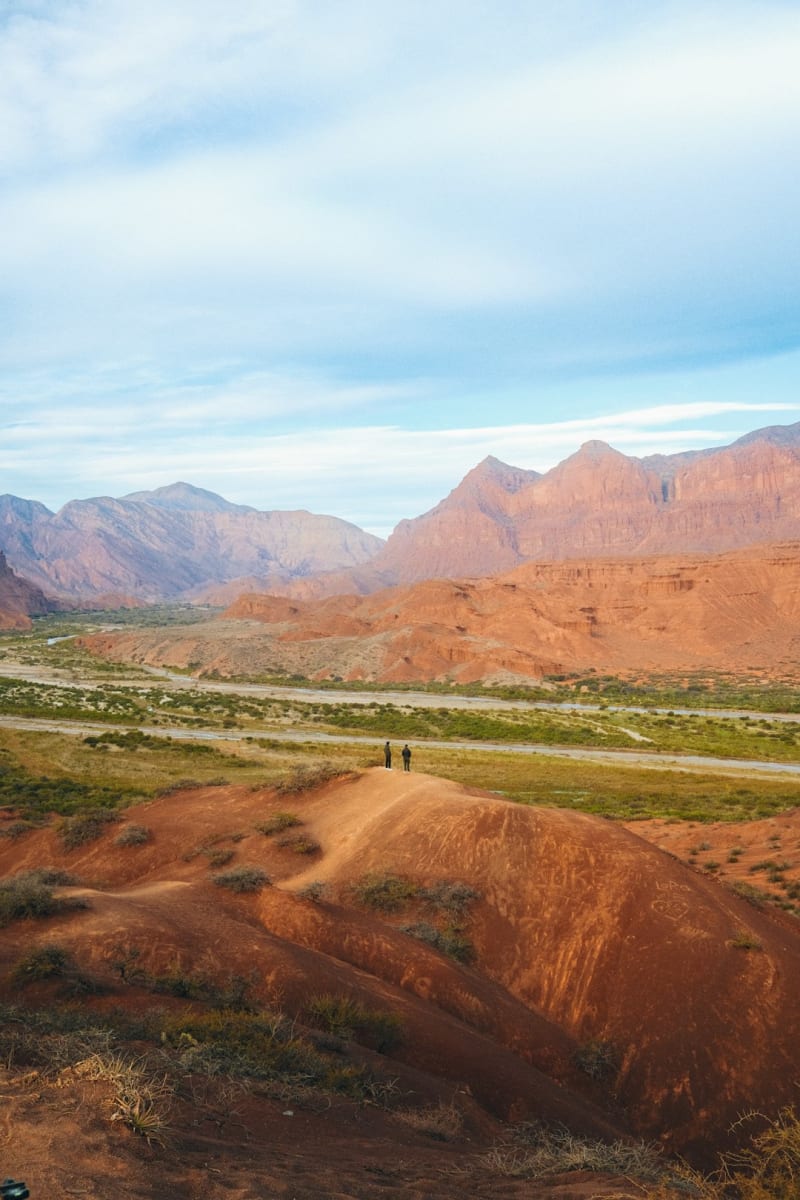 argentina
 Villa Pehuenia
A young lakeside town in Neuquén ringed by ancient monkey-puzzle forests and volcanic scenery.
Explore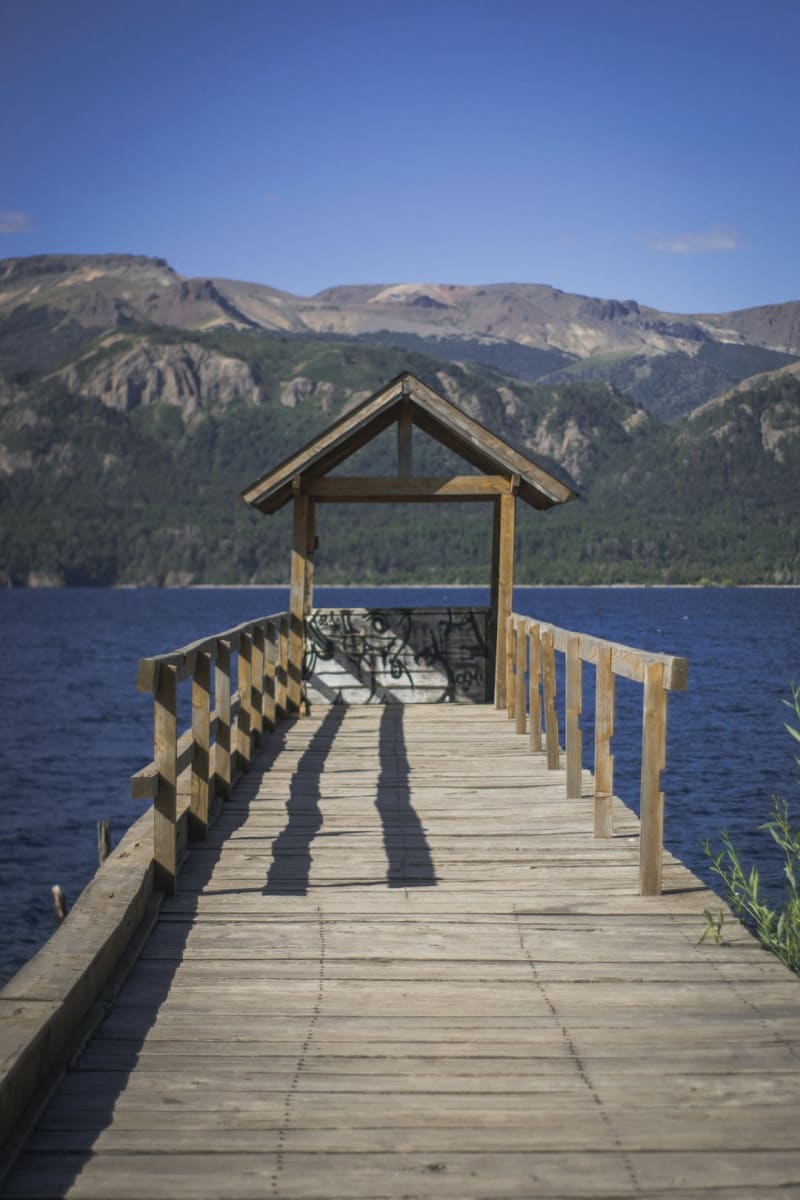 argentina
 Villa Traful
A remote village of a few hundred people on a turquoise lake most visitors to the lake district never see.
Explore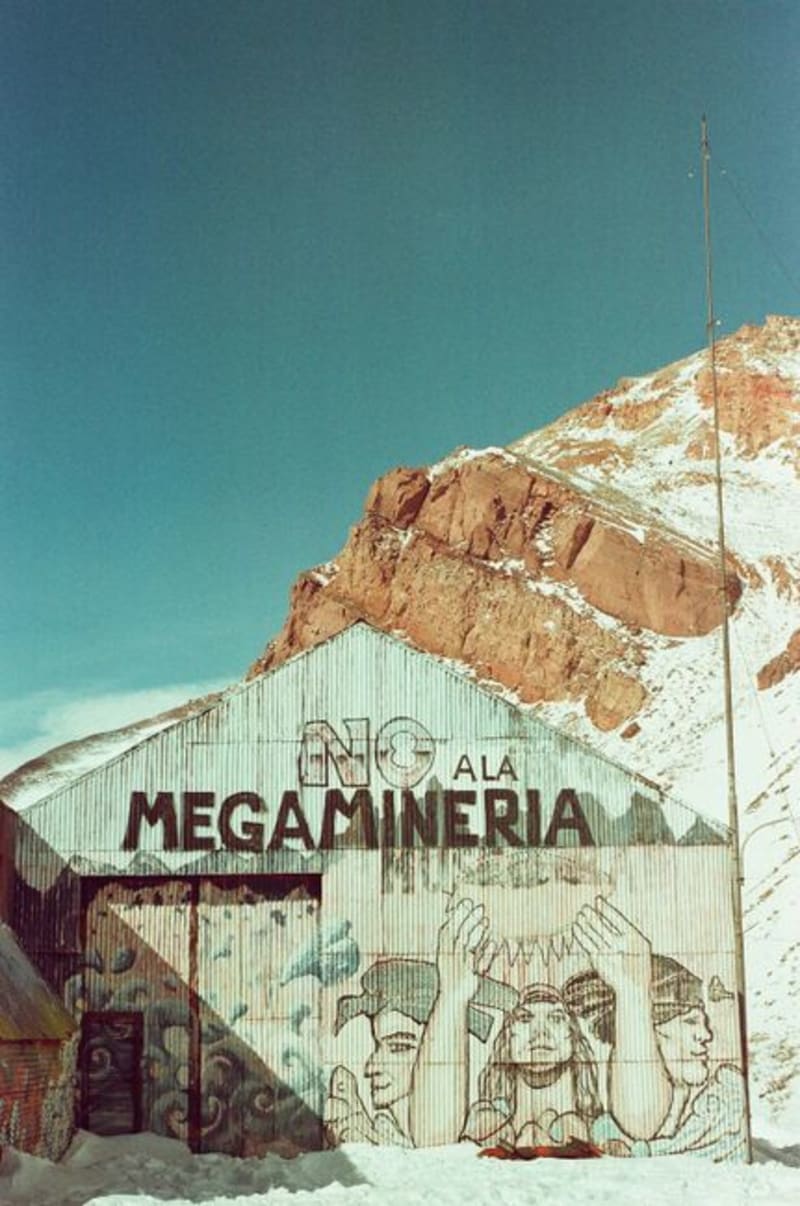 argentina
 Wanda Mines
Semi-precious stone mines near Iguazú where amethyst geodes the size of refrigerators sit exposed in red earth quarries.
Explore argentina
 Zapala
A no-frills steppe crossroads town in Neuquén, gateway to volcanic plateau scenery few visitors bother to see.
Explore