Trevelin
"Somewhere between the Andes and the Atlantic, someone is still baking Welsh scones from a recipe older than the town itself."
A Welsh settlement in the Andean foothills of Chubut where teahouses still serve the recipes settlers brought over a century ago.
Trevelin sits close enough to Esquel that Lia and I did it as a half-day trip, and it turned out to be one of those places that quietly rewires your assumptions. The name means “mill town” in Welsh, and the whole settlement was founded in 1888 by Welsh colonists who pushed west from the original Chubut valley settlements toward the Andes in search of fertile land. What I didn’t expect was how alive that heritage still feels, more than a century later, in a corner of Patagonia that has every reason to have forgotten it.
Tea and Stone Chapels
We stopped at a teahouse called Nain Maggie, run by descendants of the original settlers, and the ritual was unmistakably, stubbornly Welsh: a pot of strong tea, torta galesa layered with dulce de leche, scones, and enough jam and cream to make the whole table groan. The woman who served us spoke Spanish with her customers and switched to a lilting, half-remembered Welsh when she greeted an older regular by name. I asked her about it, and she said her grandmother had refused to let the language die at home, even after it had all but vanished from public life.
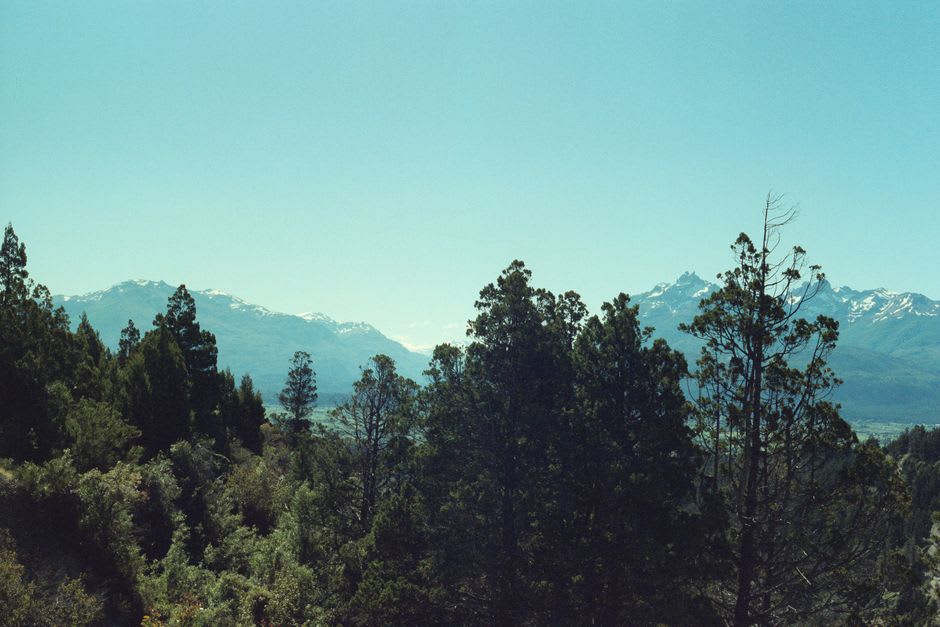
The old flour mill that gave the town its name has been converted into a small museum, its original machinery still intact, and standing inside it I got a clearer sense of how precarious that first settlement really was — droughts, isolation, a fifteen-day journey on horseback just to reach Trelew on the coast. The chapel nearby, plain and whitewashed, could have been lifted directly out of rural Wales and set down against a backdrop of Andean peaks, which is a strange and specific kind of dissonance.
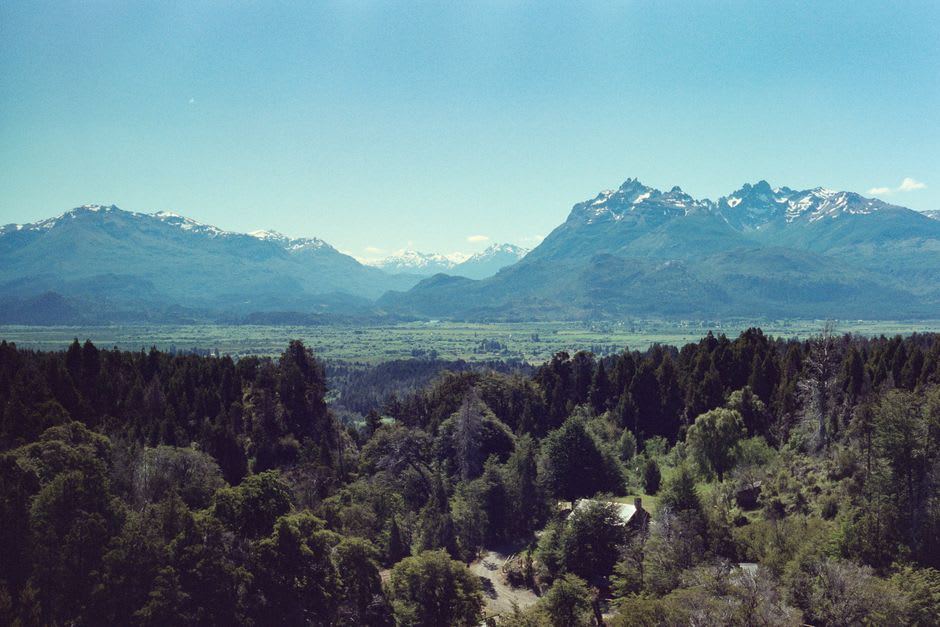
Lia, who has family in Cardiff, kept muttering that it felt like a hallucination — biscuit tins and hymn boards under condor-patrolled peaks. I don’t think either of us fully processed it until we were back on the road to Esquel, still full of scones, still turning it over.
When to go: November through March for the warmest weather and full teahouse hours, though the museums and chapels are open year-round. I’d pair it with Esquel as a single relaxed day, with the afternoon reserved for tea — do not rush the tea.
Keep exploring
More from Argentina
 argentina
 Tunuyán
A high-altitude Uco Valley wine town where the Andes feel close enough to touch from the vineyard rows.
Explore argentina
 Ushuaia
The southernmost city in the world — gateway to Antarctica, ringed by mountains and the Beagle Channel.
Explore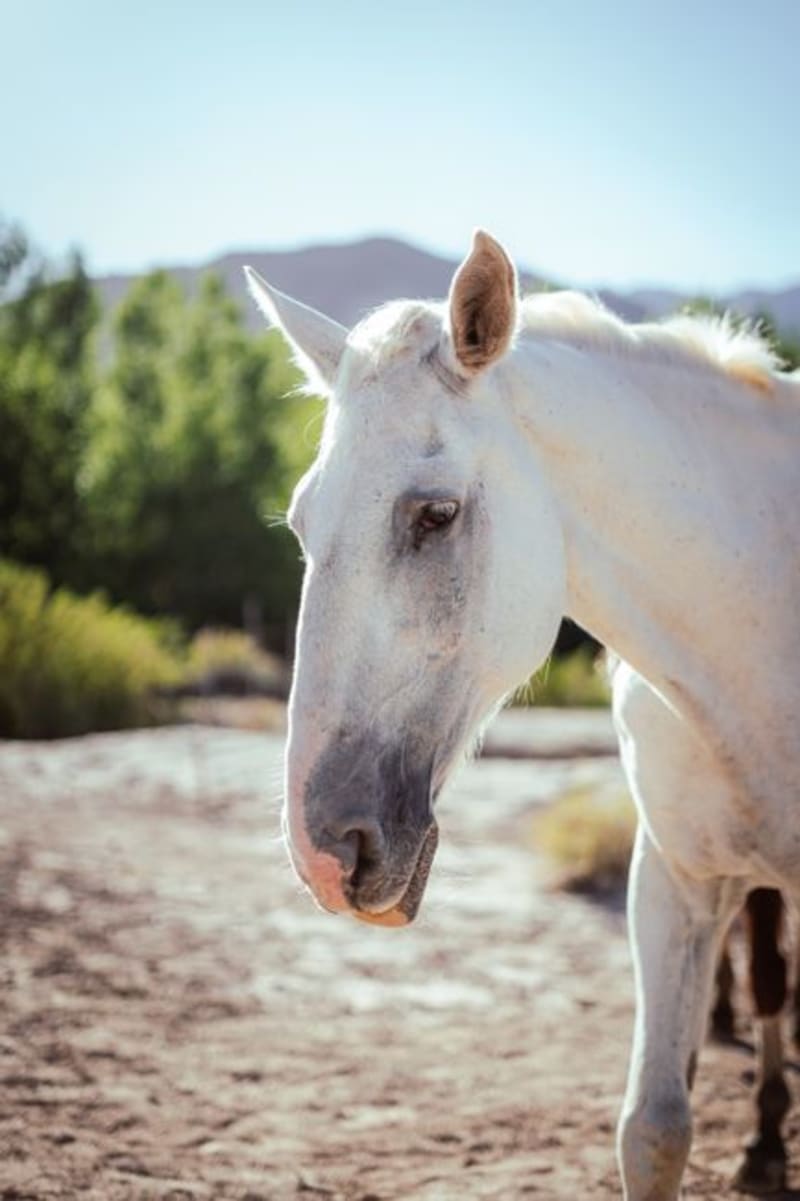 argentina
 Uspallata
A high desert valley on the road to Chile, framed by red rock formations and some of the widest Andean skies in the province.
Explore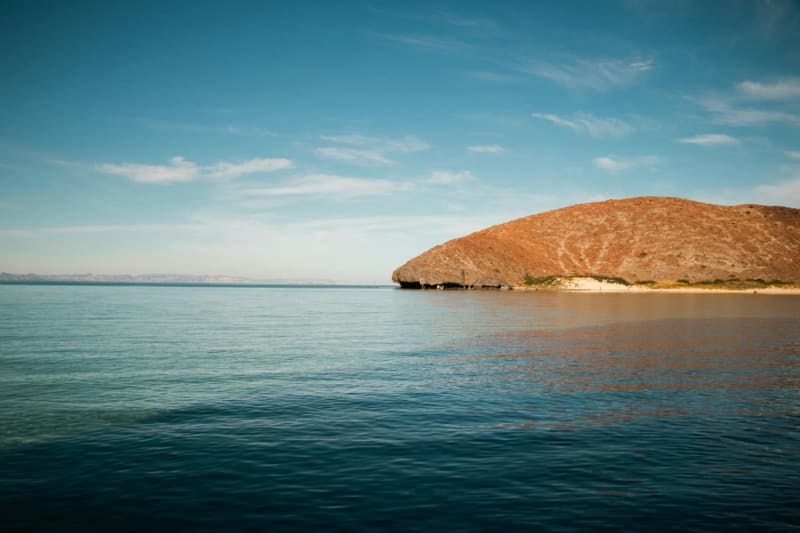 argentina
 Valdes Peninsula
Right whales breach offshore while penguins waddle ashore on this UNESCO-listed Patagonian wildlife sanctuary.
Explore argentina
 Viedma
The quiet river capital of Rio Negro province, once slated to become Argentina's new federal capital.
Explore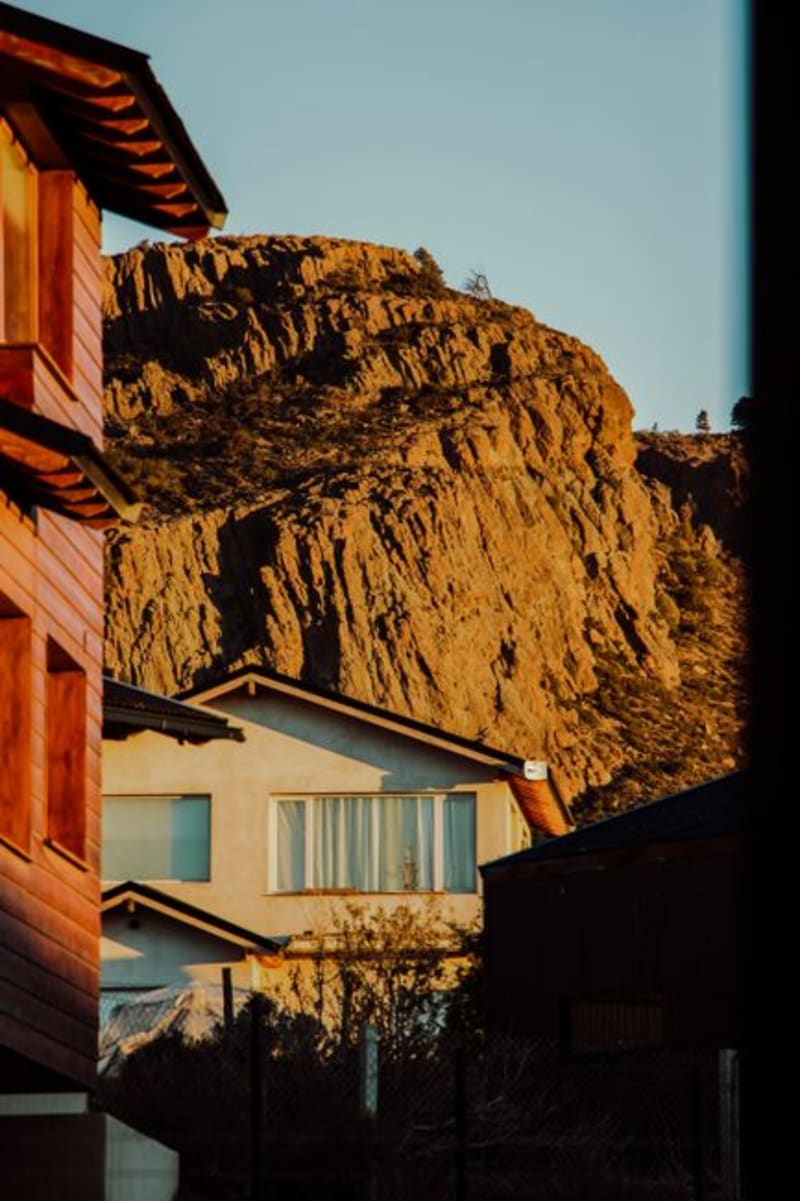 argentina
 Villa Carlos Paz
Córdoba province's classic lake resort town, built around Lago San Roque and famous, unavoidably, for its giant cuckoo clock.
Explore