Tren de la Costa
"The best way out of Buenos Aires isn't a bus. It's a train nobody outside the suburbs seems to know about."
A restored coastal railway linking Buenos Aires's northern suburbs, ending at the delta town of Tigre.
I found out about the Tren de la Costa almost by accident, reading a forum thread about Tigre where someone mentioned, in passing, that the nicer way to get there was a light rail line that most guidebooks skip in favor of the regular commuter train. Lia and I took it on a whim on a Saturday morning, and it turned out to be one of those small logistical decisions that ends up defining the whole day.
Boarding at Maipú
The line runs about fifteen kilometers from Estación Maipú, in the northern suburb of Olivos, up to Delta station in Tigre, with a handful of stops along the way built more like shopping-and-leisure complexes than transit stations — Barrancas station has a small amusement park attached, Borges station backs onto an arts and crafts market. It felt less like public transit and more like a slow-motion tour of how Buenos Aires’s wealthier suburbs spend a weekend.
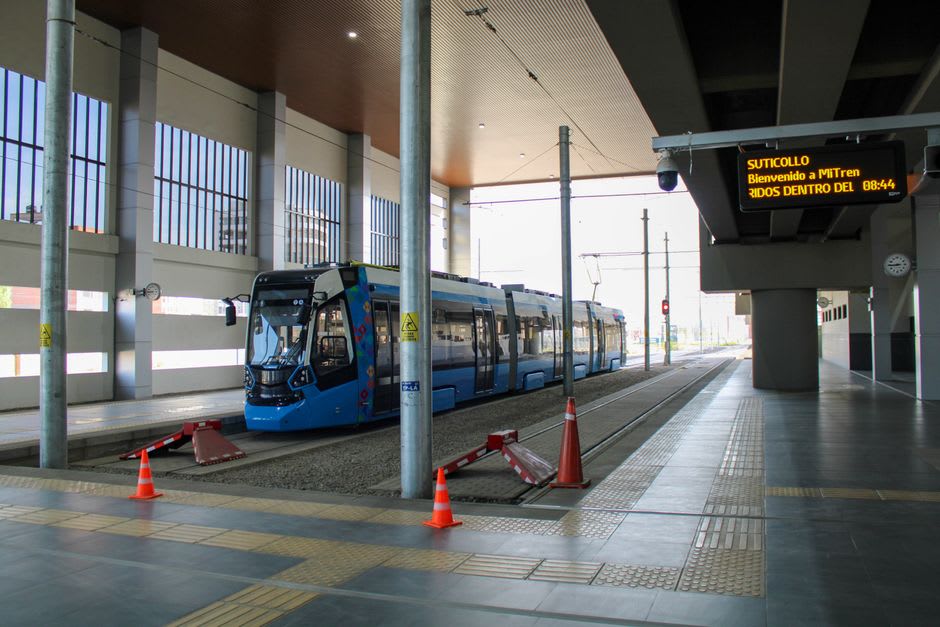
The trains themselves are a nice touch — modern cars styled to nod at the old British-built railways that once crisscrossed this whole region, and the ride runs mostly elevated, giving glimpses into backyards, marinas, and the leafy private streets of San Isidro that you’d never see from a car.
San Isidro Detour
We broke the trip with a stop in San Isidro, whose neo-Gothic cathedral and riverside cliffs are worth an hour on their own, then got back on for the final stretch into Tigre. By the time the train crossed into the delta’s edge, the scenery had shifted entirely — from manicured suburb to the first glimpses of the brown, slow-moving channels that define the Paraná Delta.
The full one-way trip takes under an hour, and I’d argue it’s worth doing even if Tigre itself weren’t the destination — it’s a quiet, scenic decompression from the density of the capital that most visitors skip entirely in favor of a direct bus or car.
When to go: Weekend mornings, when the stations along the route have their markets and fairs running. The ride is pleasant year-round, but spring and autumn keep the open-air platform stops comfortable.
Keep exploring
More from Argentina
 argentina
 Trevelin
A Welsh settlement in the Andean foothills of Chubut where teahouses still serve the recipes settlers brought over a century ago.
Explore argentina
 Tunuyán
A high-altitude Uco Valley wine town where the Andes feel close enough to touch from the vineyard rows.
Explore argentina
 Ushuaia
The southernmost city in the world — gateway to Antarctica, ringed by mountains and the Beagle Channel.
Explore argentina
 Uspallata
A high desert valley on the road to Chile, framed by red rock formations and some of the widest Andean skies in the province.
Explore argentina
 Valdes Peninsula
Right whales breach offshore while penguins waddle ashore on this UNESCO-listed Patagonian wildlife sanctuary.
Explore argentina
 Viedma
The quiet river capital of Rio Negro province, once slated to become Argentina's new federal capital.
Explore