Tren a las Nubes
"Somewhere around the ninth tunnel, I stopped checking my phone for signal and just watched."
The Train to the Clouds, an engineering marvel that climbs through 21 tunnels and over a curved viaduct to cross the Andes above 4,200 meters.
The Tren a las Nubes leaves Salta at an hour early enough that Lia questioned my life choices, and by the time we reached the Polvorilla viaduct some four hours later, at 4,220 meters, neither of us was thinking about the alarm clock anymore. This is a railway built in the 1920s and 30s by American engineer Richard Maury, originally to move goods and minerals across the Andes toward Chile, and it remains one of the most audacious pieces of railway engineering I’ve encountered — 21 tunnels, 13 viaducts, and a series of zigzags where the train reverses direction on switchbacks to gain altitude too steep for a straight climb.
The Climb Itself
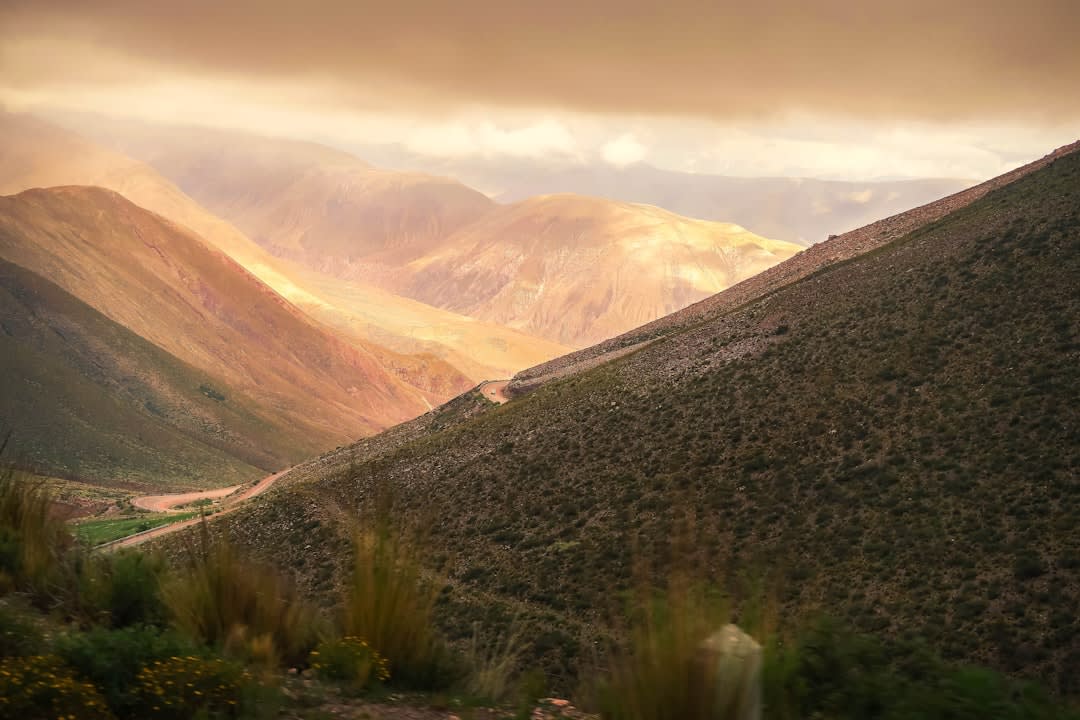
The route out of Salta starts in green valley farmland and by the time you reach San Antonio de los Cobres, a few hours in, the landscape has stripped itself down to Puna scrubland and bare rock. The train ascends in stages, and there’s a genuine physical sensation to it — ears popping, the air thinning, the vegetation disappearing window by window until it’s just stone and sky. We stopped at a small station partway up where vendors sold coca tea for the altitude, which I drank without shame.
La Polvorilla Viaduct
The viaduct itself is the reason anyone takes this trip — a curved steel structure 224 meters long and 63 meters high, spanning a ravine at the roof of the journey. The train crosses it slowly, almost ceremonially, and passengers get about twenty minutes to disembark at the far end and stand beneath it, looking up at an achievement that feels slightly absurd given how remote and thin the air is up here. Someone nearby was visibly short of breath just from walking to take a photo. I didn’t feel much better.
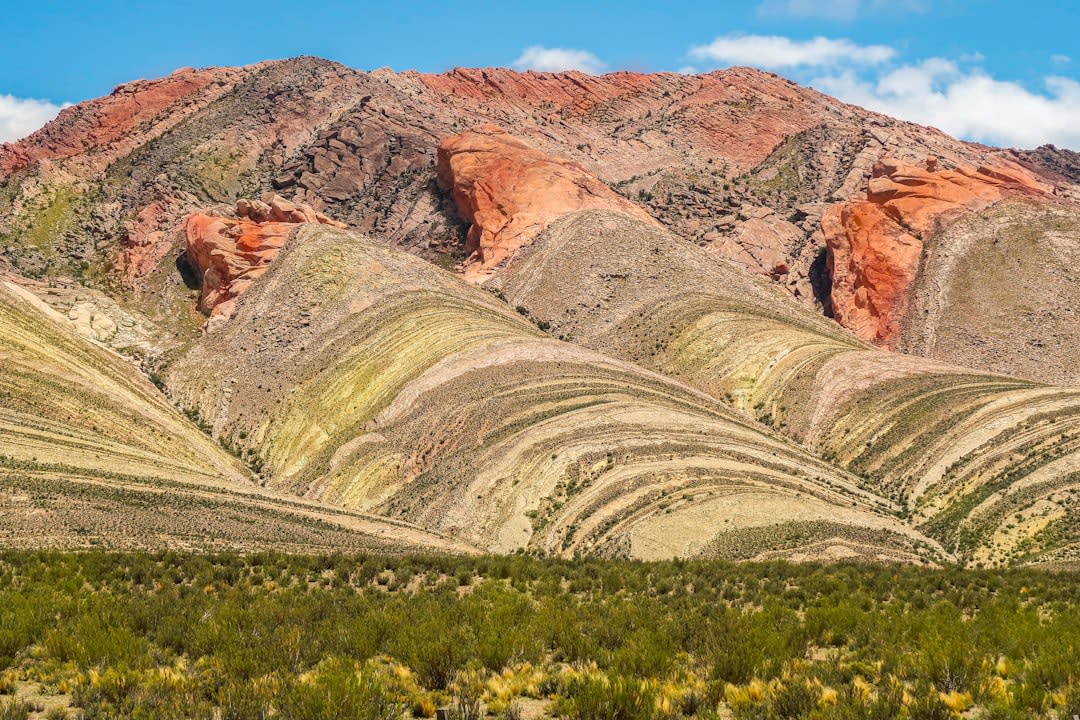
It’s a long day — nearly fifteen hours round trip from Salta — and I won’t pretend the return leg doesn’t drag. But the sheer improbability of the thing, a train climbing this high through this much rock, stays with you longer than the fatigue does.
When to go: April through November, when the service runs most reliably and skies are clearest. It typically pauses during the peak of the summer rainy season.
Keep exploring
More from Argentina
 argentina
 Tren de la Costa
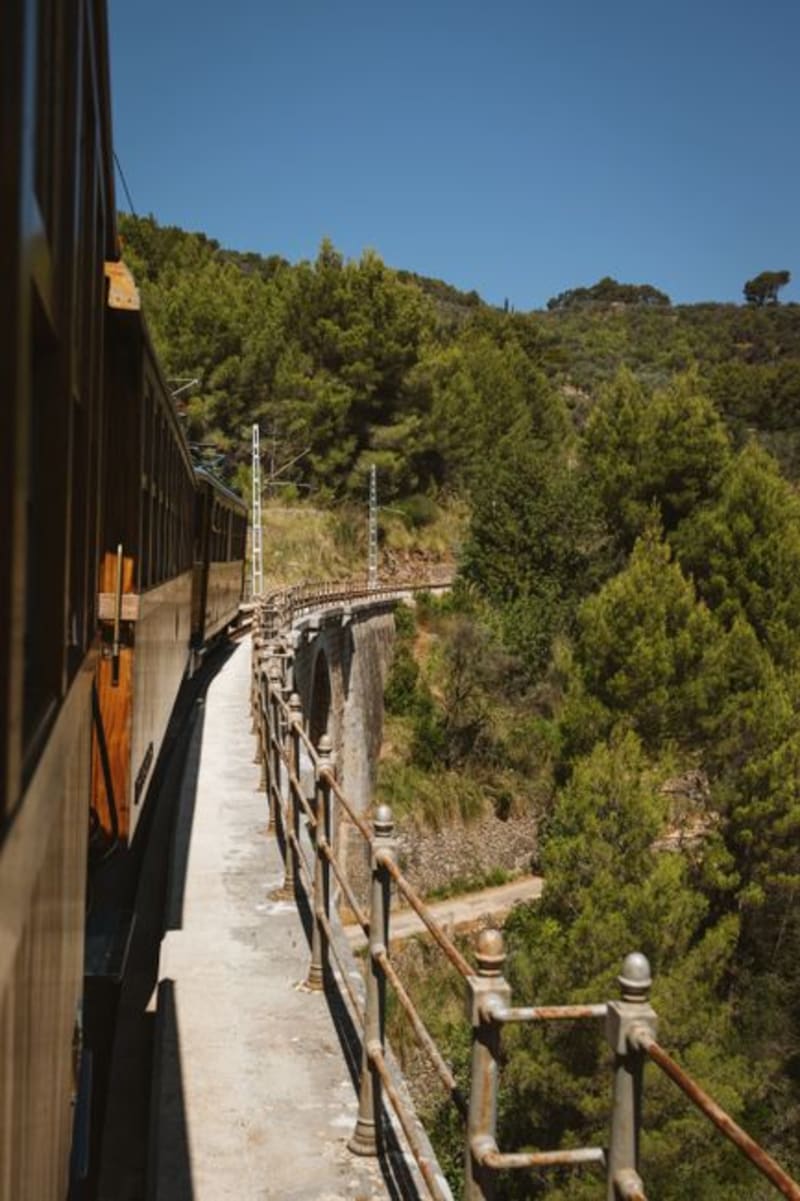
A restored coastal railway linking Buenos Aires's northern suburbs, ending at the delta town of Tigre.
Explore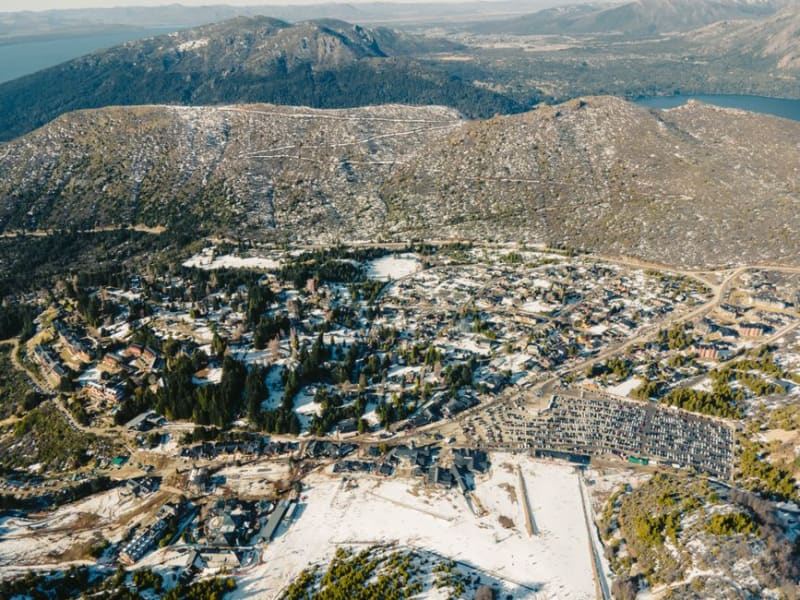 argentina
 Trevelin
A Welsh settlement in the Andean foothills of Chubut where teahouses still serve the recipes settlers brought over a century ago.
Explore argentina
 Tunuyán
A high-altitude Uco Valley wine town where the Andes feel close enough to touch from the vineyard rows.
Explore argentina
 Ushuaia
The southernmost city in the world — gateway to Antarctica, ringed by mountains and the Beagle Channel.
Explore argentina
 Uspallata
A high desert valley on the road to Chile, framed by red rock formations and some of the widest Andean skies in the province.
Explore argentina
 Valdes Peninsula
Right whales breach offshore while penguins waddle ashore on this UNESCO-listed Patagonian wildlife sanctuary.
Explore