Trelew
"I came for dinosaurs and left thinking about sheep-farming Welsh preachers instead."
The commercial heart of Welsh Patagonia, home to one of Argentina's finest dinosaur museums.
Trelew surprised me twice in one afternoon, which is a good ratio for a town most people treat as a bus interchange. Lia and I stopped here on the way between Puerto Madryn and Gaiman, expecting little more than a place to change vehicles, and ended up staying long enough to see both faces of the town: the paleontological and the Welsh.
MEF and the Bones of Patagonia
The Museo Paleontológico Egidio Feruglio, known locally as MEF, is one of the best natural history museums I’ve been to anywhere, and I say that as someone who does not go out of his way for museums. Patagonia has produced some of the largest dinosaur fossils ever found — including Patagotitan mayorum, a titanosaur whose reconstructed skeleton is so long it doesn’t fit inside a single gallery, its neck craning out into the hallway. Lia stood under its ribcage for a long time, quiet in a way she rarely is around large things.
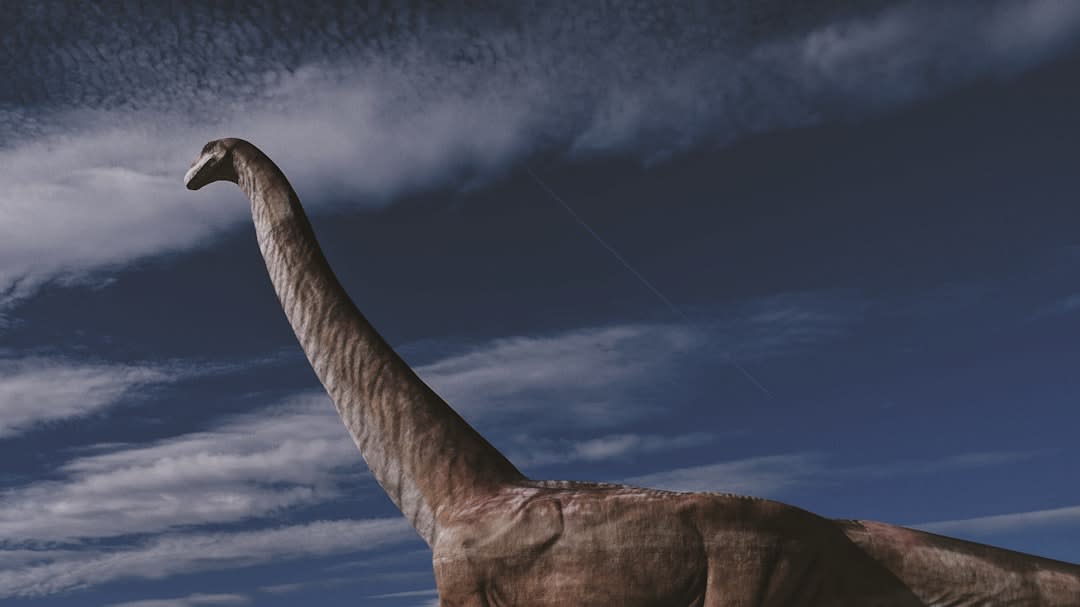
The exhibits trace the deep logic of why Patagonia keeps producing these finds — an arid climate, exposed sedimentary layers, decades of active excavation nearby at Cerro Cóndor. A researcher happened to be giving a small tour to a school group while we were there, and I eavesdropped shamelessly. She described unearthing a femur bone longer than she is tall, and she still said it with the same astonishment as if it had happened that morning.
The Welsh Foundation
Trelew itself was founded in 1886 by Lewis Jones, one of the original Welsh colony leaders, as a rail junction connecting the agricultural valley towns to the port at Puerto Madryn. The name is a contraction of “Tre” (town) and “Lewis.” Salón San David, the old chapel and community hall downtown, still hosts an eisteddfod, a Welsh cultural and poetry festival, every October — a tradition transplanted wholesale from Wales and kept running continuously since the 1880s.
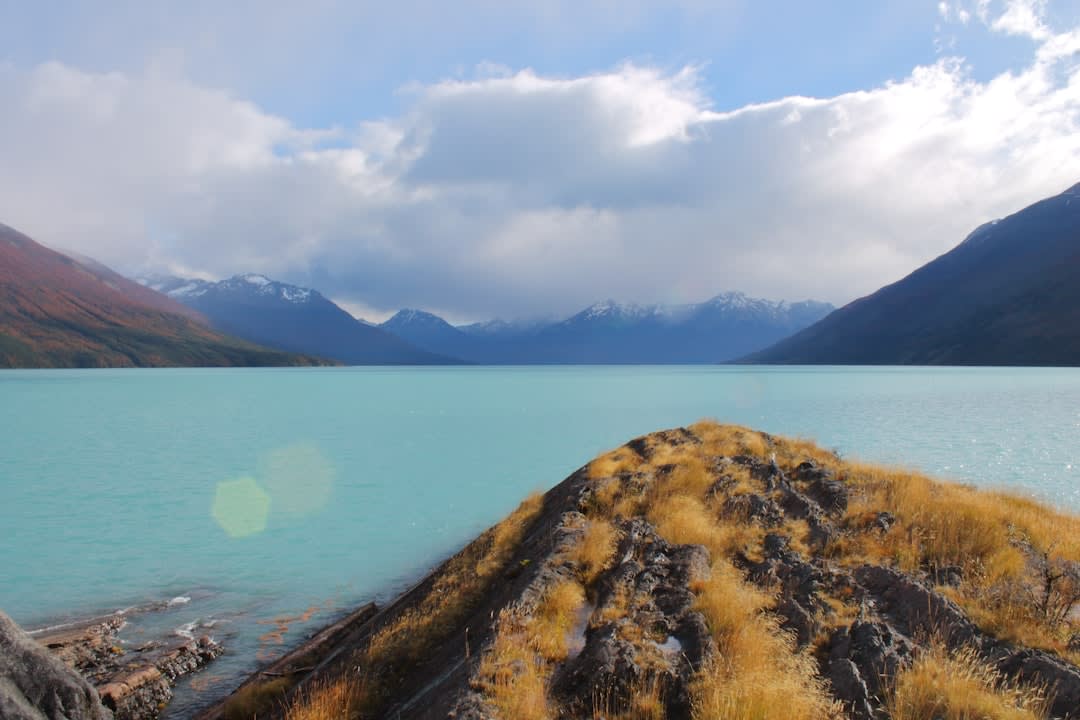
We wandered the plaza afterward, past grain silos and low brick buildings that could pass for a small English market town if you squinted, and had a coffee at a bakery selling both facturas and Welsh torta negra side by side on the same counter, which felt like the whole town summarized in a display case.
When to go: Year-round for the museum, though October brings the eisteddfod festival if you want the Welsh heritage side in full swing. Spring and autumn keep the heat manageable for walking the town on foot.
Keep exploring
More from Argentina
 argentina
 Tren a las Nubes
The Train to the Clouds, an engineering marvel that climbs through 21 tunnels and over a curved viaduct to cross the Andes above 4,200 meters.
Explore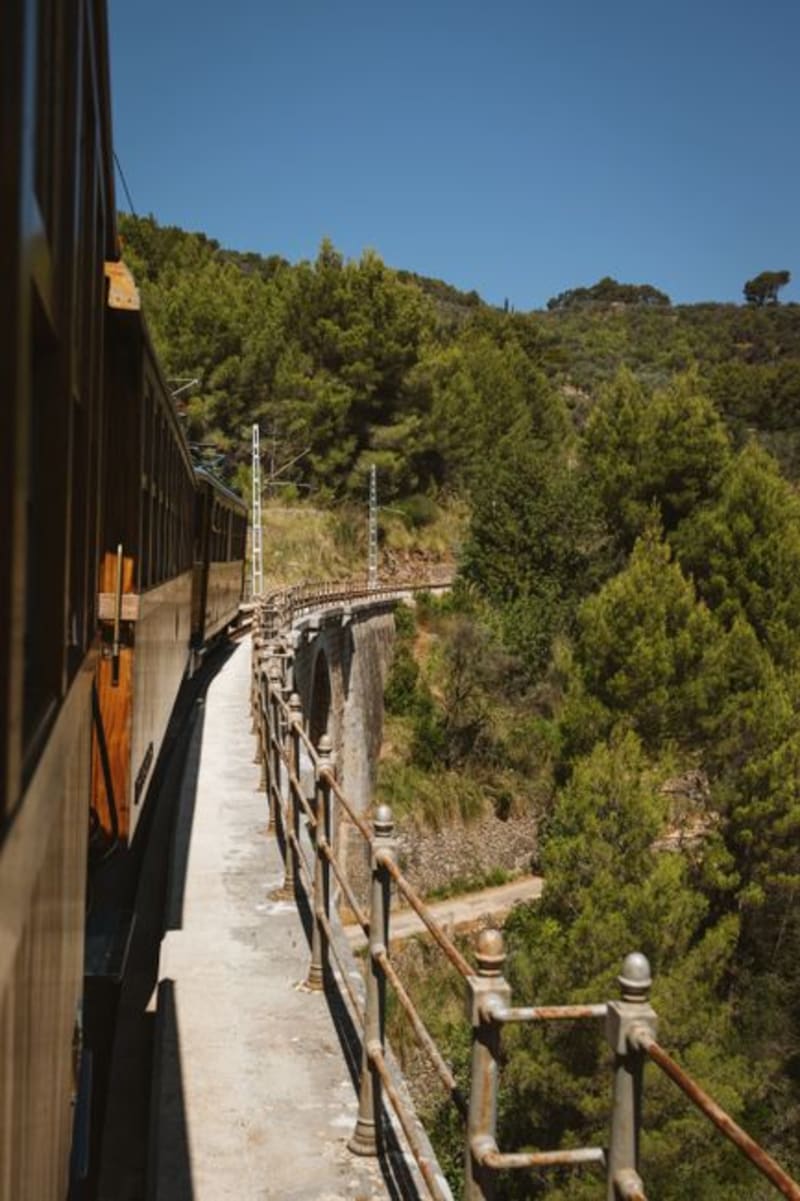 argentina
 Tren de la Costa
A restored coastal railway linking Buenos Aires's northern suburbs, ending at the delta town of Tigre.
Explore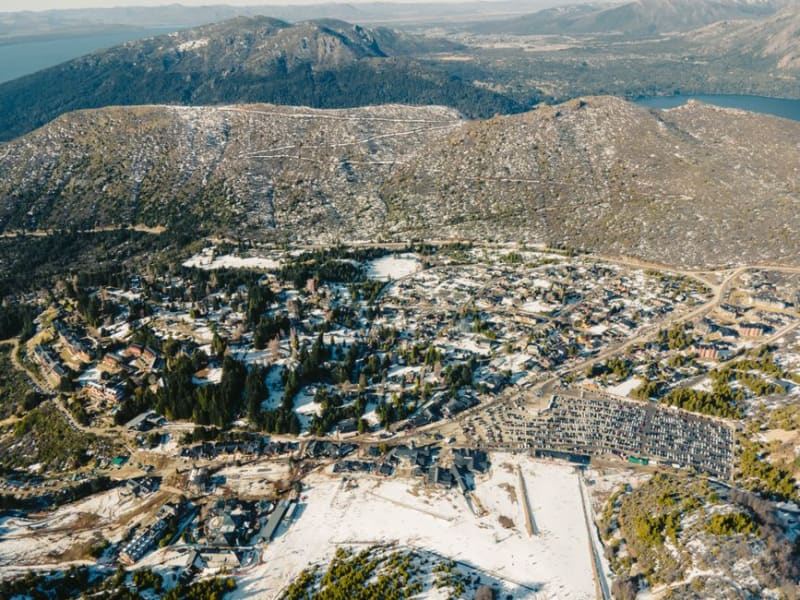 argentina
 Trevelin
A Welsh settlement in the Andean foothills of Chubut where teahouses still serve the recipes settlers brought over a century ago.
Explore argentina
 Tunuyán
A high-altitude Uco Valley wine town where the Andes feel close enough to touch from the vineyard rows.
Explore argentina
 Ushuaia
The southernmost city in the world — gateway to Antarctica, ringed by mountains and the Beagle Channel.
Explore argentina
 Uspallata
A high desert valley on the road to Chile, framed by red rock formations and some of the widest Andean skies in the province.
Explore