Santa Fe
"One of the oldest cities in Argentina, and it still moves like it has nowhere urgent to be."
A colonial river capital on the Paraná basin, carrying the layered history of Jesuit missions and one of the country's oldest surviving Spanish settlements.
Santa Fe surprised me by feeling older than its neighbors in a way that had nothing to do with architecture and everything to do with pace. This is one of the original Spanish settlements in Argentina, founded in 1573 and relocated to its current site on the Paraná basin in 1651 after the first location kept flooding, and something about that seventeenth-century patience seems to have stuck around. Nobody in Santa Fe was in a hurry, and after a week of Buenos Aires and Rosario, neither were we by the second day.
A City Built on Missions and Water
The historic center holds onto its colonial bones better than most Argentine cities its size — the Convento de San Francisco, dating to the 1600s, has a wooden ceiling and a collection of religious art that survived flood, fire, and relocation, and standing inside it I had the specific feeling of being somewhere genuinely old rather than restored-to-look-old. The city’s whole founding story is tangled up with the Jesuit and Franciscan mission network that pushed up the Paraná and into the Chaco and Guaraní territories beyond, and Santa Fe still carries some of that missionary-outpost character: solid, slightly austere, built to last through things.
Life Along the Basin
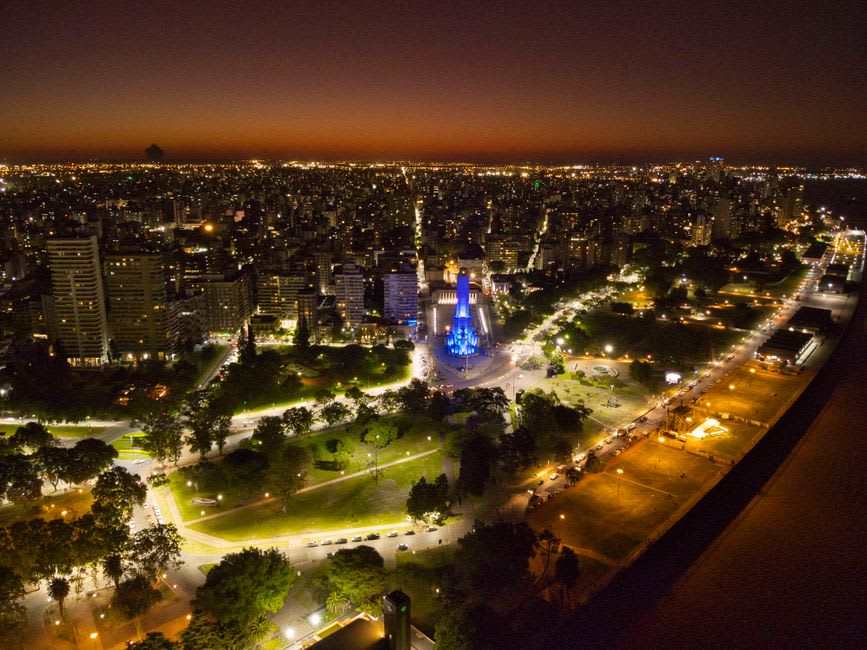
The city sits within an intricate system of rivers, lagoons, and wetlands — the Laguna Setúbal runs right along the edge of downtown, and the Costanera Este there fills every evening with runners, families, and the inevitable mate-drinking crowds watching the sun go down over the water. Lia and I rented kayaks one afternoon and paddled a channel through the wetlands just outside the city, herons lifting off the reeds as we passed, and it was startling how quickly the urban center gave way to something that felt like proper wilderness.
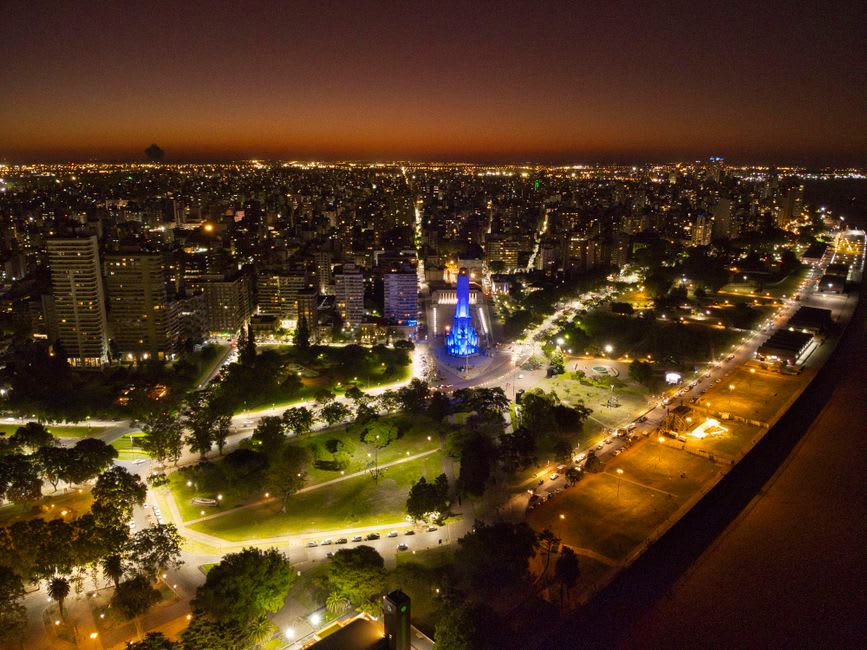
Downtown, around Plaza 25 de Mayo, the Casa de Gobierno and the cathedral anchor a square that still functions as the social center of the city the way plazas did three hundred years ago — old men on benches, kids playing after school, nothing performative about it.
When to go: March through May and September through November avoid both the humid Paraná-basin summer and the damp winter. The wetlands and lagoons are at their most alive in spring, when bird activity picks up noticeably.
Keep exploring
More from Argentina
 argentina
 Sierra de la Ventana
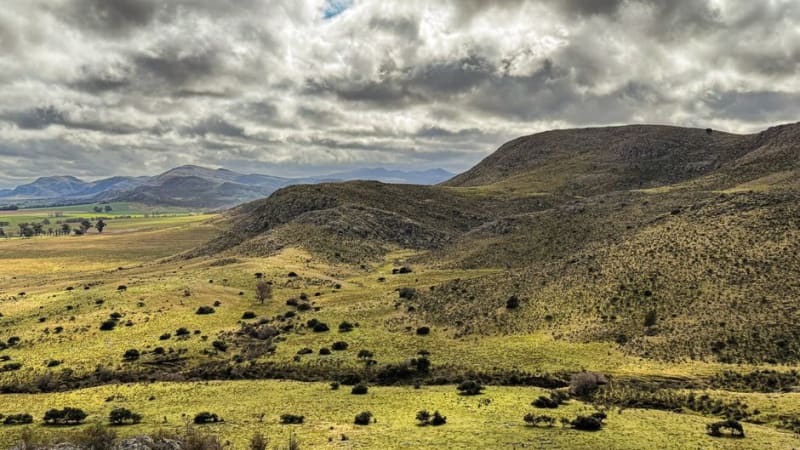
A range of ancient, wind-scoured hills rising unexpectedly out of the Pampas, anchored by the hiking village of Villa Ventana and the summit of Cerro Tres Picos.
Explore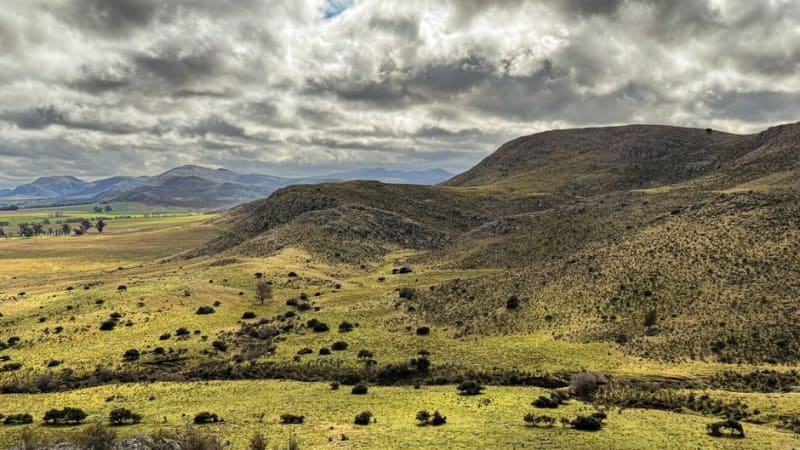 argentina
 Sierra Grande
A former iron-mining town on Rio Negro's coastal steppe, quietly reinventing itself around diving and wind.
Explore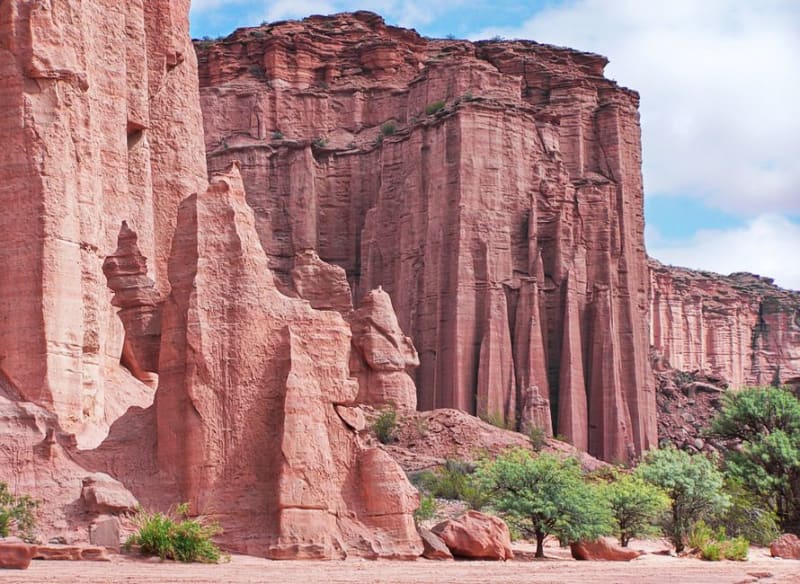 argentina
 Talampaya National Park
A red sandstone canyon in La Rioja province where condors ride the thermals between walls carved by a vanished river.
Explore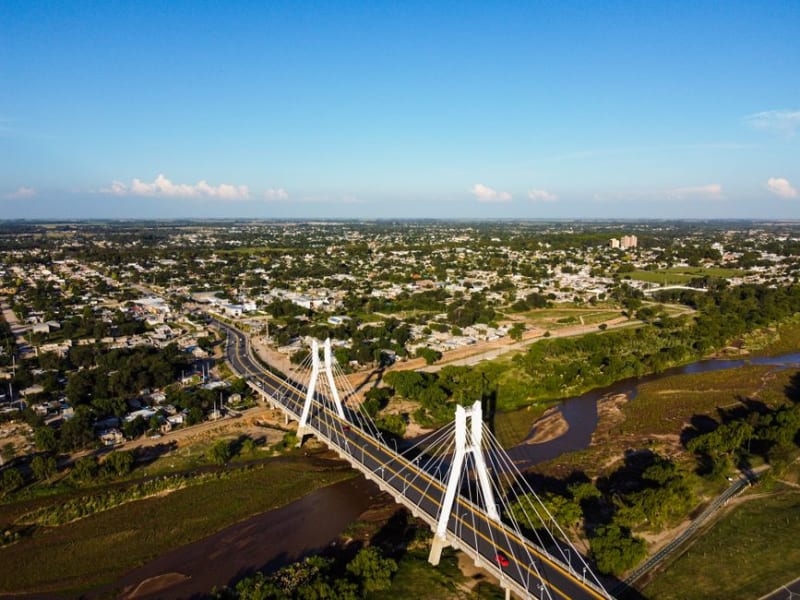 argentina
 Tandil
A sierra town famous for its balancing rock, its cured meats, and a food culture built entirely around cheese and salami.
Explore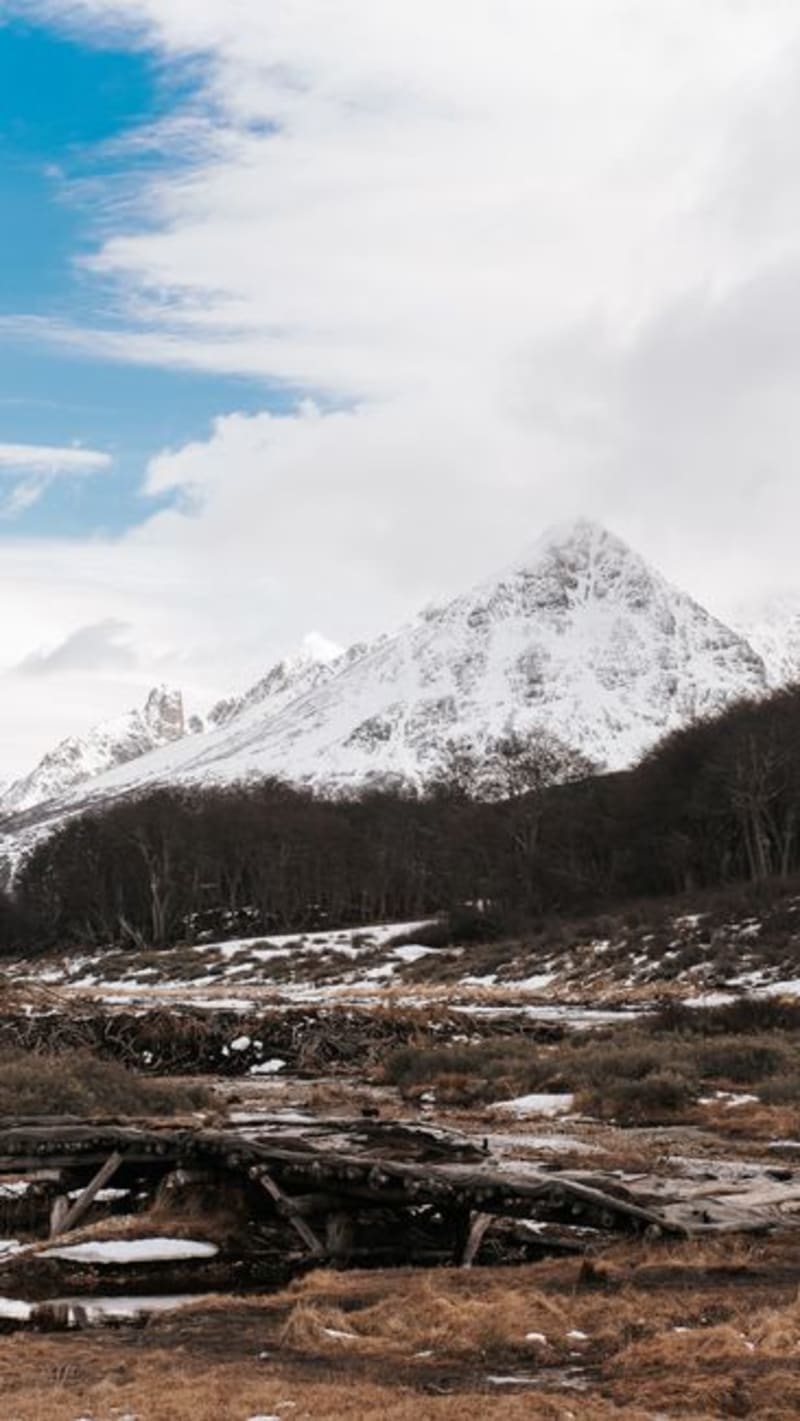 argentina
 Tierra del Fuego National Park
Windswept coastal forest at the southern tip of the Americas, minutes from Ushuaia and the end of the road.
Explore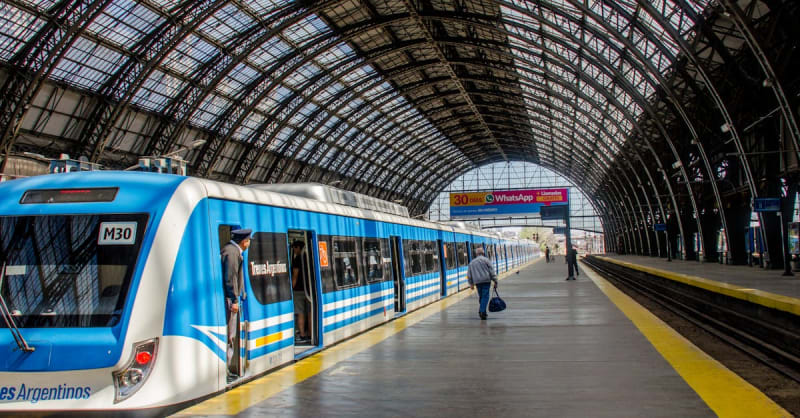 argentina
 Tigre
A river delta of islands and channels just outside Buenos Aires — a watery escape from the capital's hustle.
Explore