San Martín de los Andes
"Volcán Lanín follows you around this town like it has opinions about your itinerary."
A lake-district town beneath the perfect cone of Volcán Lanín, quieter and less polished than Bariloche.
We arrived in San Martín de los Andes at the end of the Ruta de los Siete Lagos, tired in the specific way that comes from stopping the car every four minutes to photograph another impossible lake. The town itself, sitting on the eastern tip of Lake Lácar, felt like an exhale after that drive — smaller streets, less traffic than Bariloche, and a main square where locals seemed to actually outnumber tourists on the Tuesday afternoon we rolled in. Lia declared it her favorite lake-district town before we’d even checked into the cabin, which she does not do lightly.
Volcán Lanín dominates the region in a way that’s hard to overstate once you’ve seen it. The volcano’s cone is close to a perfect triangle, snow-capped even in the warmer months, and it appears and reappears from different angles as you move around the area — over a ridge on one drive, framed between two hills on another, suddenly enormous at the end of a straight stretch of road. I found myself doing a double take at it more than once, the way you do with a mountain that looks almost too symmetrical to be real. Lanín National Park surrounds it, protecting stands of monkey-puzzle araucaria trees that look prehistoric because, functionally, they are.
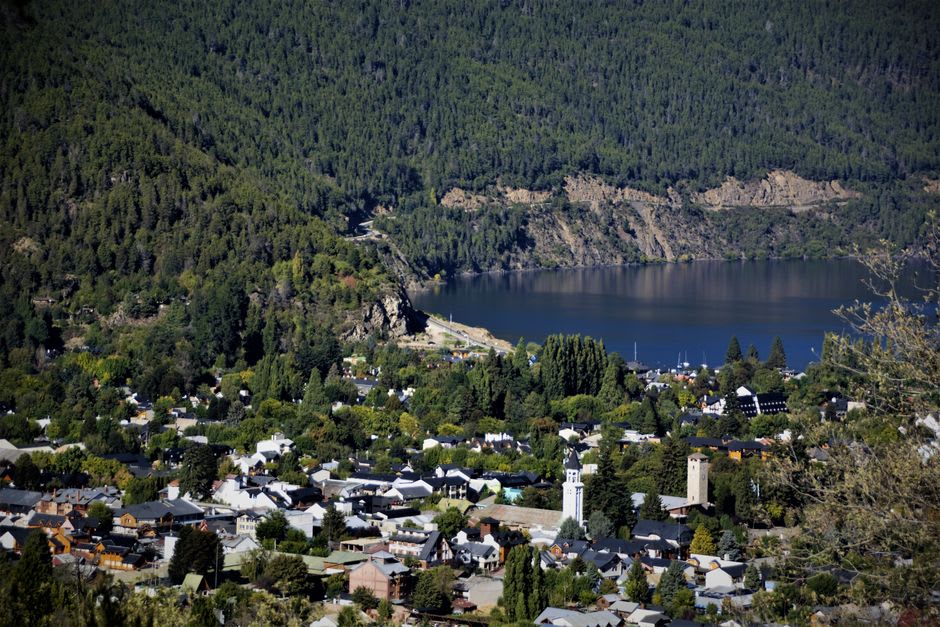
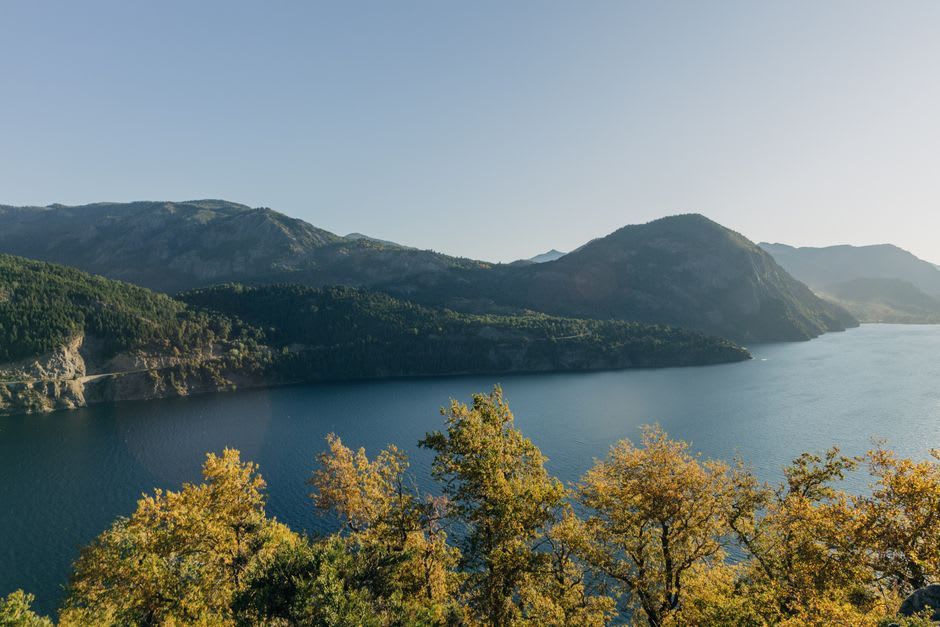
Lake Lácar itself has a different character than Nahuel Huapi — narrower, more intimate, framed tightly by forested slopes that seem to lean in over the water. We took a short boat trip out toward Hua Hum, near the Chilean border, and the captain cut the engine at one point just so we could hear how quiet it got. Lia and I didn’t say anything for a full minute, which for the two of us is genuinely rare. On the way back into town we stopped at a mirador above the lake and watched the color shift from steel-blue to something closer to bottle green as clouds moved over the water.
The town has quietly become a hub for trout fishing and mountain biking, and Cerro Chapelco gives it a serious ski season too, though a smaller and more local one than Bariloche’s. What struck me most was the pace — restaurants here didn’t feel like they were performing for visitors, the chocolate shops existed for the town itself rather than the bus tours, and the whole place had an unhurried, lived-in quality that Bariloche, for all its beauty, has mostly traded away.
When to go: December through March for hiking, fishing, and warm lake days. April for autumn color along the Siete Lagos route. July and August for skiing at Cerro Chapelco.
Keep exploring
More from Argentina
 argentina
 San Rafael
A quieter Mendoza adventure town where canyon rafting and desert wineries share the same dusty roads.
Explore argentina
 San Salvador de Jujuy
Jujuy's understated provincial capital, a colonial city of cathedrals and hillside barrios that most travelers rush straight through.
Explore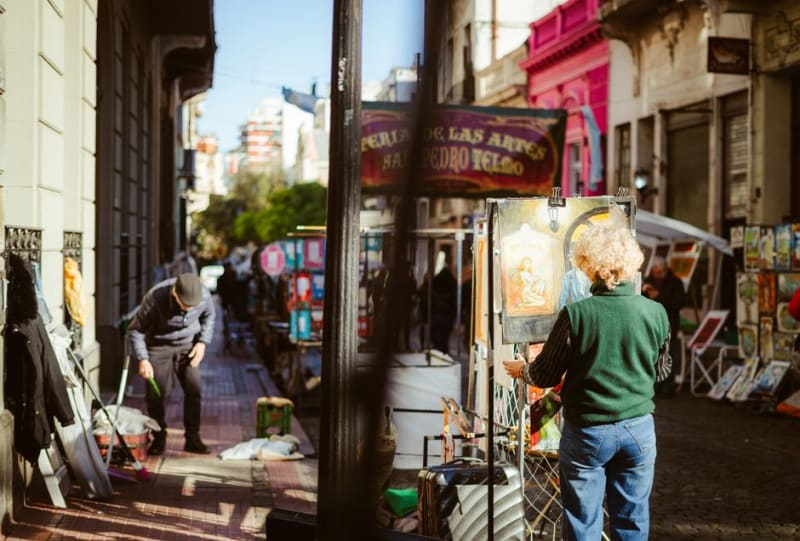 argentina
 San Telmo
Buenos Aires's oldest barrio — cobblestones, antique shops, and a Sunday market that swallows the whole neighborhood.
Explore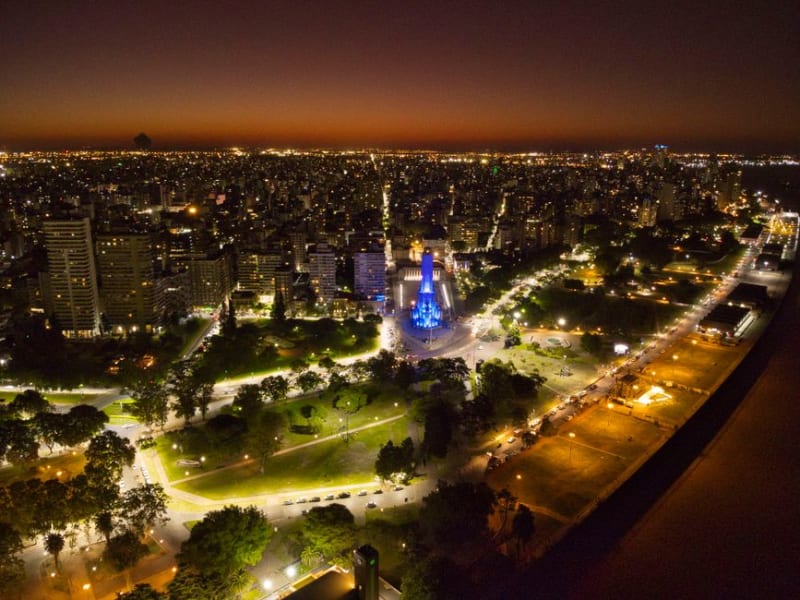 argentina
 Santa Fe
A colonial river capital on the Paraná basin, carrying the layered history of Jesuit missions and one of the country's oldest surviving Spanish settlements.
Explore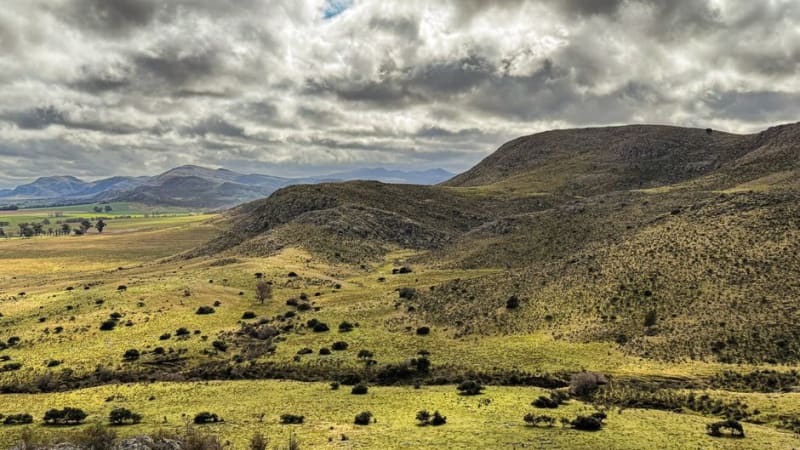 argentina
 Sierra de la Ventana
A range of ancient, wind-scoured hills rising unexpectedly out of the Pampas, anchored by the hiking village of Villa Ventana and the summit of Cerro Tres Picos.
Explore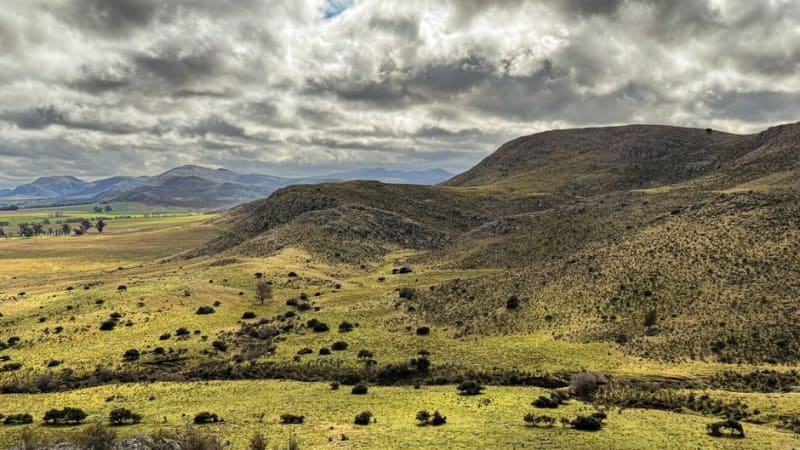 argentina
 Sierra Grande
A former iron-mining town on Rio Negro's coastal steppe, quietly reinventing itself around diving and wind.
Explore