San Juan City
"San Juan doesn't perform for visitors. It just gets on with making excellent wine."
A wine city rebuilt from rubble at the foot of the Andes, quieter and more sincere than its famous neighbor Mendoza.
I almost skipped San Juan. Every guidebook treats it as a footnote to Mendoza, three hours north, the wine region people mention only after they’ve exhausted the first one. That turned out to be a mistake on the guidebooks’ part, and I said as much to Lia over a bottle of syrah on our first night, sitting on a nearly empty terrace on Avenida de Circunvalación while the Andes went pink behind us.
A City That Started Over
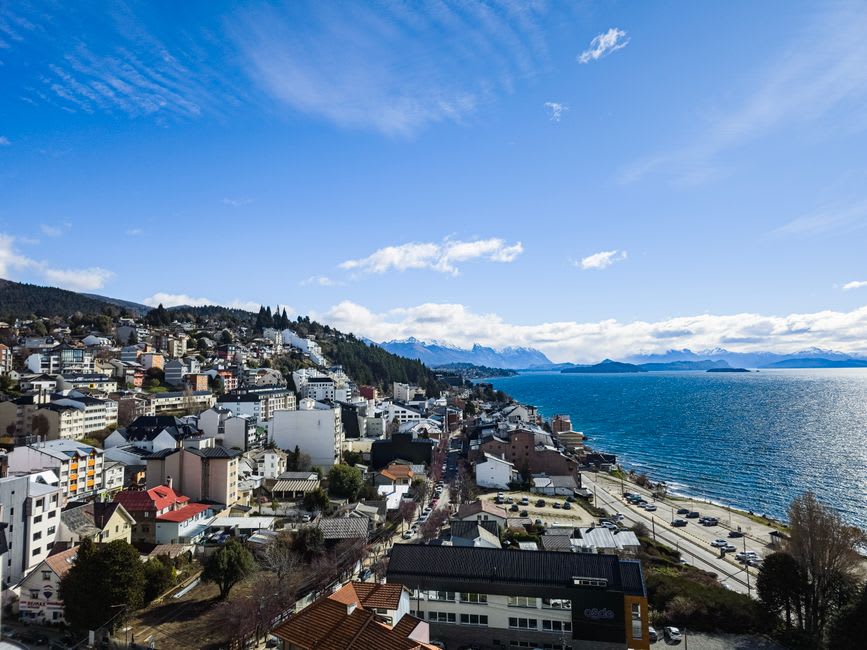
The thing you notice first is how wide everything is — the avenues, the plazas, the sidewalks shaded by rows of planted trees. That’s not an accident of urban planning fashion. In 1944, an earthquake leveled San Juan almost completely, killing thousands, and the city that rose afterward was designed deliberately: wide streets so falling buildings couldn’t block escape routes, low construction limits, plazas as refuge points. Walking Plaza 25 de Mayo, I kept thinking about how a disaster shaped the calm I was standing in. It’s not a monument city. It’s a practical one, still carrying its history in its bones rather than its façades.
Wine Without the Crowd
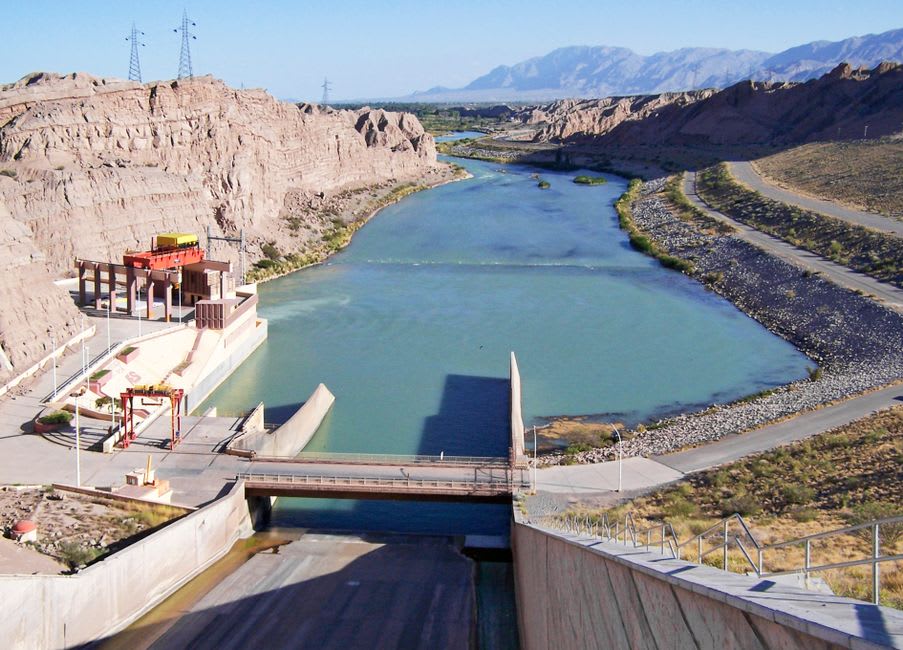
San Juan is Argentina’s second-largest wine region by volume, and almost nobody outside the country seems to know it. I spent an afternoon at a family bodega on the outskirts, in the Zonda valley, where the owner poured me a Bonarda so dark it looked almost black in the glass and told me, without a trace of resentment, that his grandfather sold grapes to bodegas that now put “Mendoza” on labels using San Juan fruit. Bonarda and Syrah both do something special here — the extra heat and altitude push the fruit further than Mendoza’s cooler pockets allow, and the wines land heavier, riper, more direct.
Lia found a small enoteca near the cathedral that poured five wines for the price of a single glass in Mendoza, and we sat there long enough to watch the light change twice.
The Mountains Are Right There
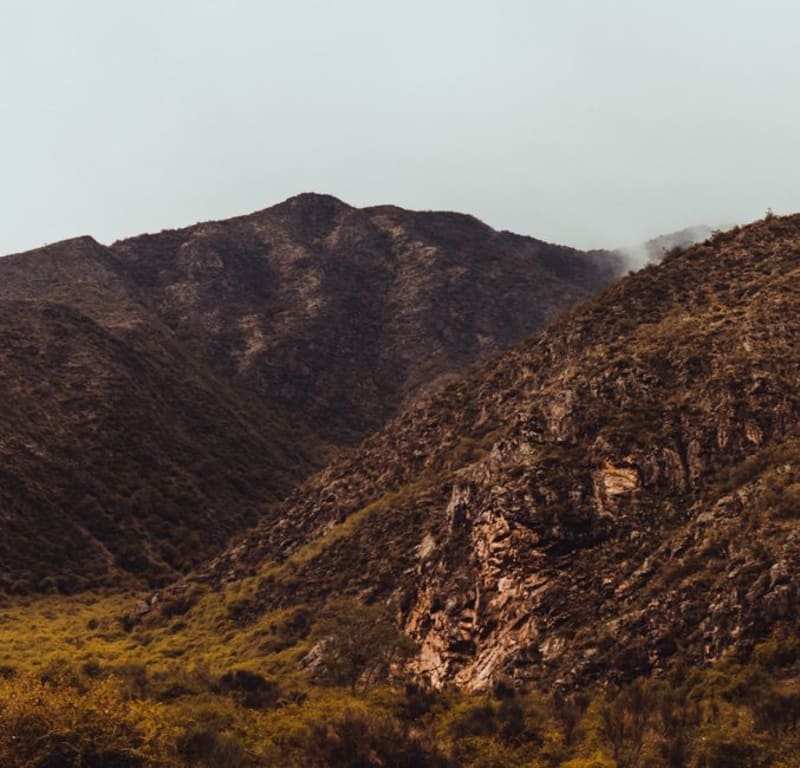
What San Juan has that Mendoza’s flatter approach lacks is proximity — the pre-cordillera rises abruptly at the edge of town, all ochre rock and hard light, and you can be standing in genuine desert-mountain terrain twenty minutes after leaving your hotel. I drove out toward Vallecito on a whim one afternoon and found myself alone on a dirt road with nothing but wind and scrub for company, the city a memory behind me.
When to go: March through May for the wine harvest and the mildest daytime heat; September through November also works well, before summer turns the valley into an oven.
Keep exploring
More from Argentina
 argentina
 San Marcos Sierras
A hippie village in Cordoba's Punilla valley sierras, built around the clear waters of the Rio de los Espinillos.
Explore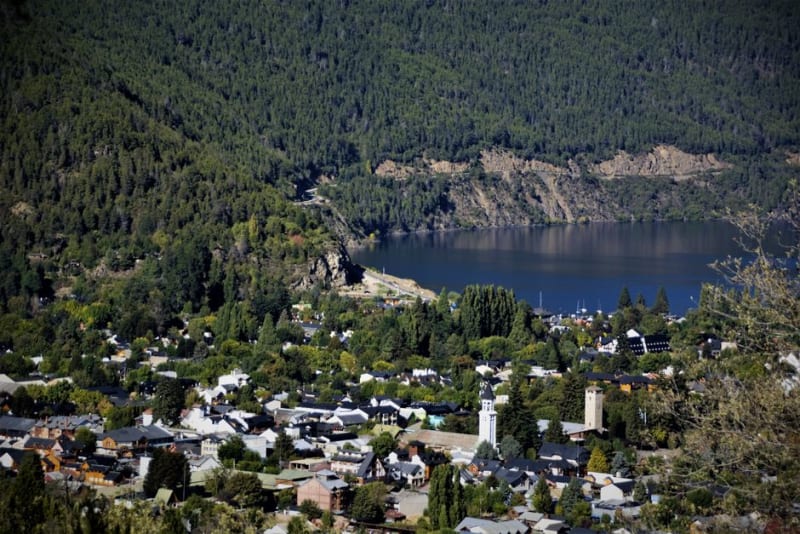 argentina
 San Martín de los Andes
A lake-district town beneath the perfect cone of Volcán Lanín, quieter and less polished than Bariloche.
Explore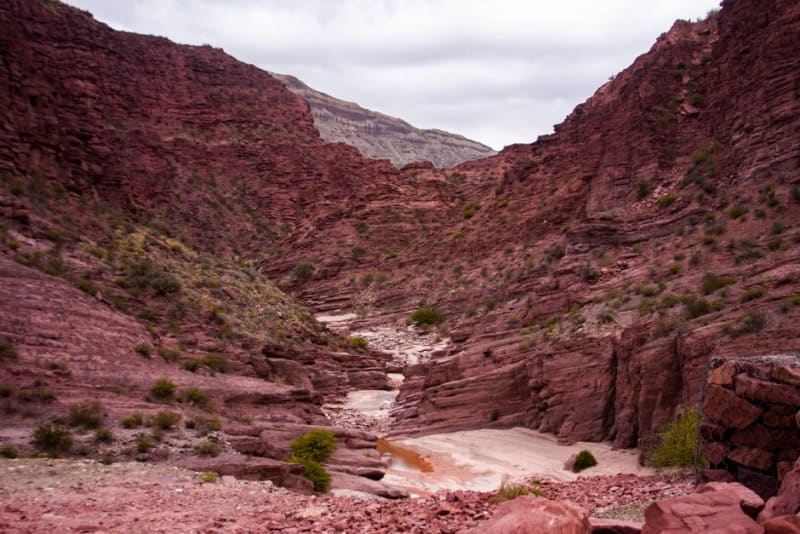 argentina
 San Rafael
A quieter Mendoza adventure town where canyon rafting and desert wineries share the same dusty roads.
Explore argentina
 San Salvador de Jujuy
Jujuy's understated provincial capital, a colonial city of cathedrals and hillside barrios that most travelers rush straight through.
Explore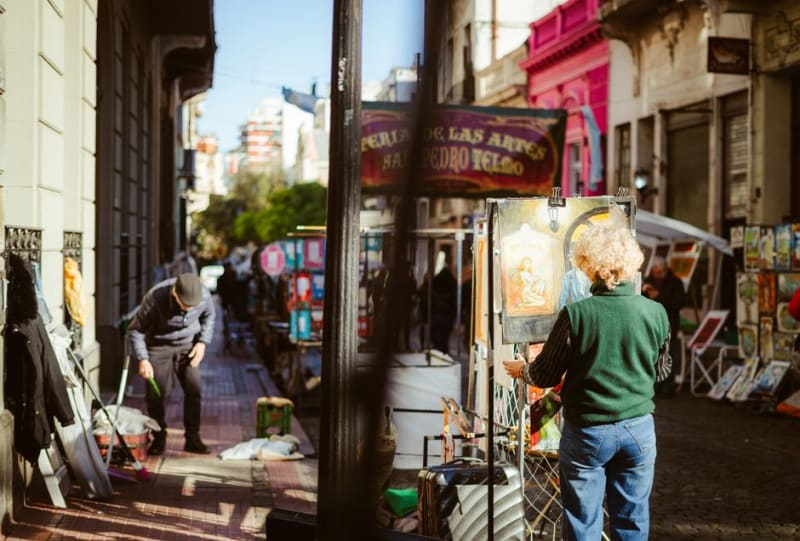 argentina
 San Telmo
Buenos Aires's oldest barrio — cobblestones, antique shops, and a Sunday market that swallows the whole neighborhood.
Explore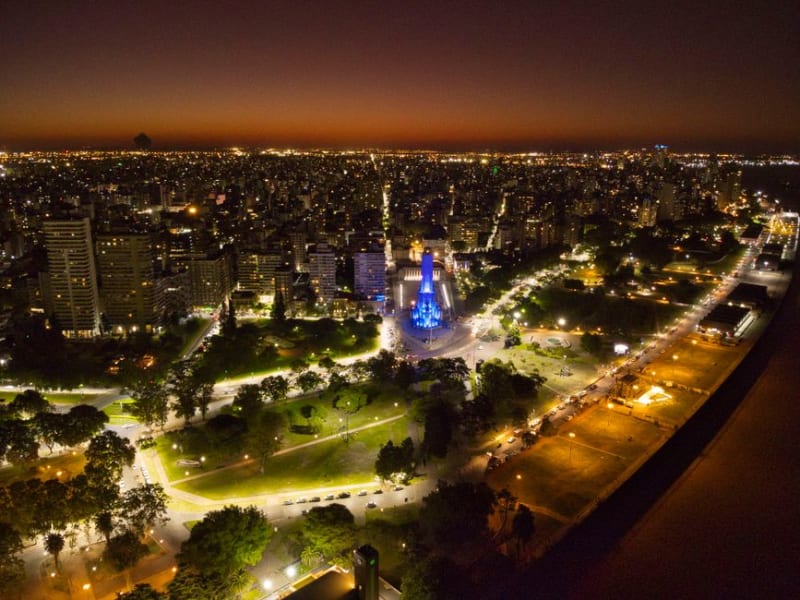 argentina
 Santa Fe
A colonial river capital on the Paraná basin, carrying the layered history of Jesuit missions and one of the country's oldest surviving Spanish settlements.
Explore