The best-preserved Jesuit-Guaraní mission ruins in Argentina, a UNESCO site swallowed by red earth and jungle in Misiones.
I did not expect a UNESCO site in the middle of Misiones province to move me the way San Ignacio Miní did. Lia and I arrived a little after opening time, before the tour buses, and walked into a plaza the size of a football field ringed by red sandstone walls carved with angels and vines — the remains of a Jesuit reduction founded in 1632, home at its peak to several thousand Guaraní residents living under a mission system that was, by the standards of colonial history, startlingly self-governing.
Walking Through What Is Left
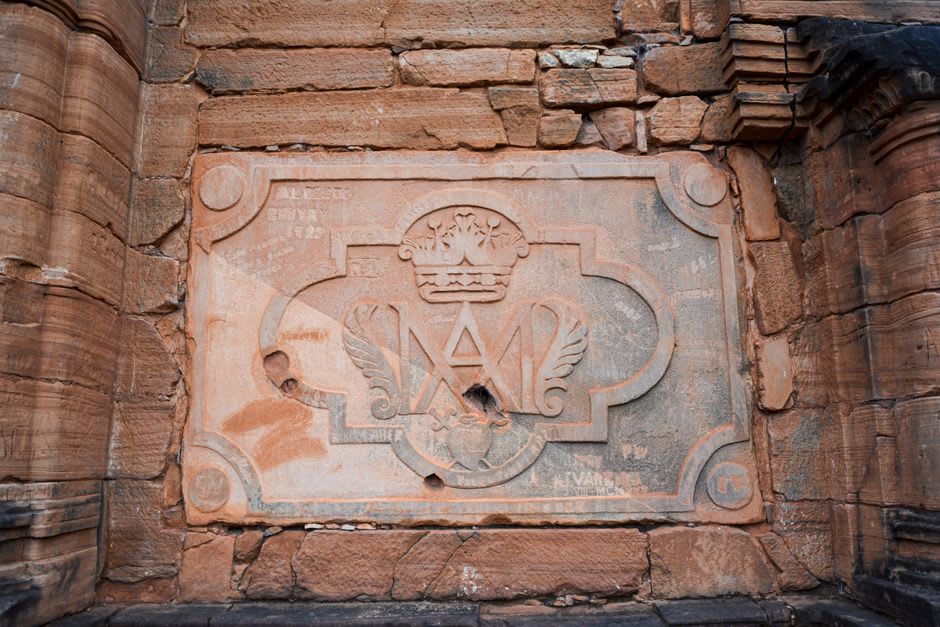
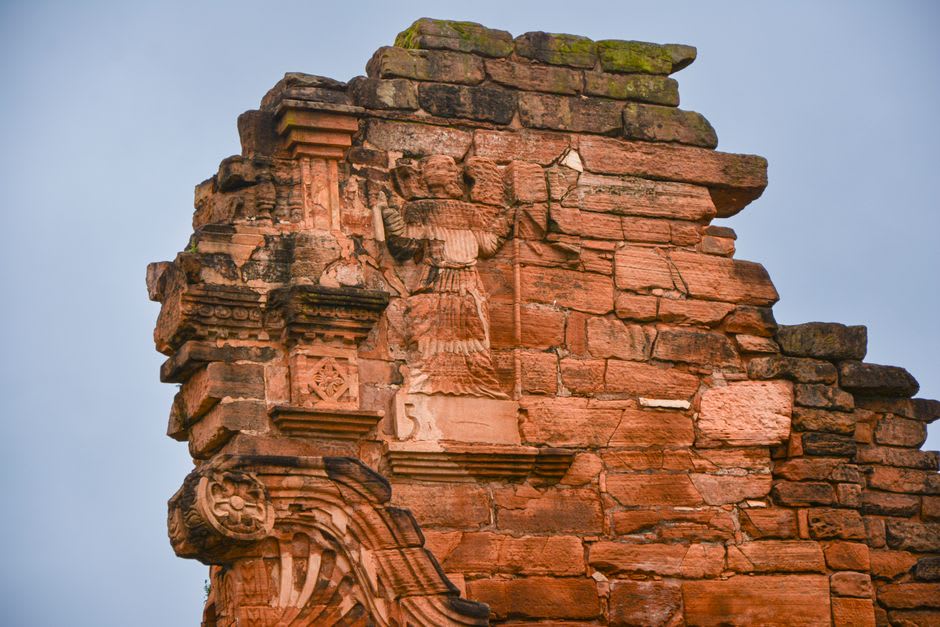
The stone here is a deep ochre-red, quarried locally, and three centuries of jungle humidity have softened every carved edge without erasing it. You can still make out the details on the church facade — grapevines, cherubs, geometric borders — worked by Guaraní artisans who fused European religious imagery with their own decorative instincts. Walking the nave of the ruined church, roofless now and open to the sky, past workshop rooms and housing blocks arranged in orderly rows, I kept stopping to touch the stone, which is not something I usually do at ruins.
There is a sound-and-light show in the evenings that projects onto the ruins and narrates the mission’s history, and I went in skeptical — these things are often cheesy — and came out won over. Watching the church facade lit gold while a recorded Guaraní choir plays is the kind of thing that should not work and somehow does, especially once the sun is fully down and the jungle noise around the site picks up in volume.
The Village Around It
The town of San Ignacio itself is small and unhurried, red dirt roads lined with modest houses and a surprising number of good little restaurants catering to the ruins’ visitors. We had lunch at a family place a few blocks from the entrance — chipa, the cheese bread that shows up everywhere in this part of the country, and a river fish stew that our host insisted on describing dish by dish before serving it. Horacio Quiroga, the Uruguayan writer, built a house nearby overlooking the Paraná, and his old property, now a small museum, makes for a quiet half-day add-on if the mission alone does not fill your afternoon.
When to go: April through September, when the heat and humidity ease and the ruins are far more pleasant to walk through slowly, which is the only way to see them properly.
Keep exploring
More from Argentina
 argentina
 San Juan City
A wine city rebuilt from rubble at the foot of the Andes, quieter and more sincere than its famous neighbor Mendoza.
Explore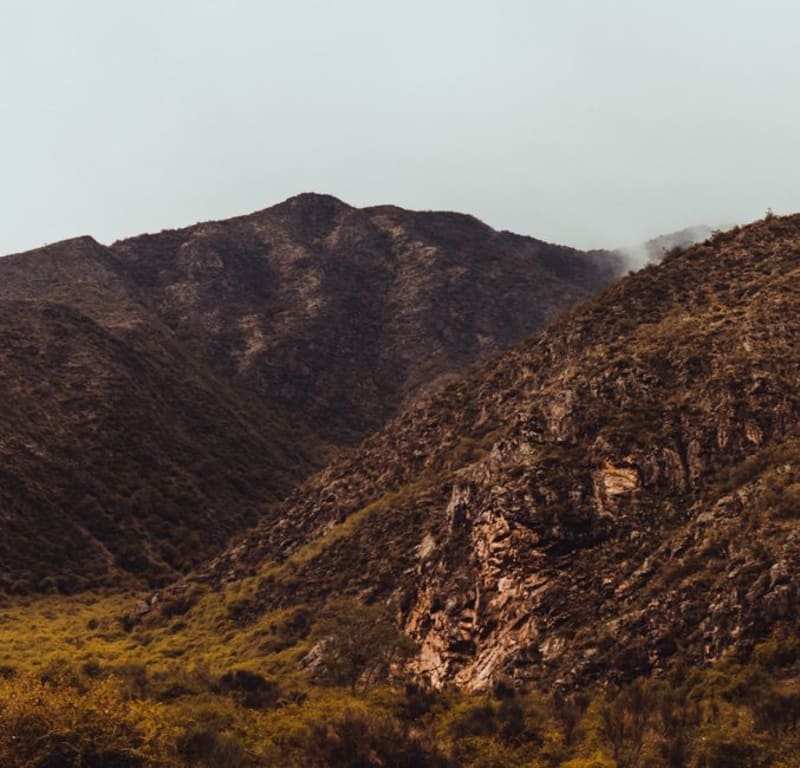 argentina
 San Marcos Sierras
A hippie village in Cordoba's Punilla valley sierras, built around the clear waters of the Rio de los Espinillos.
Explore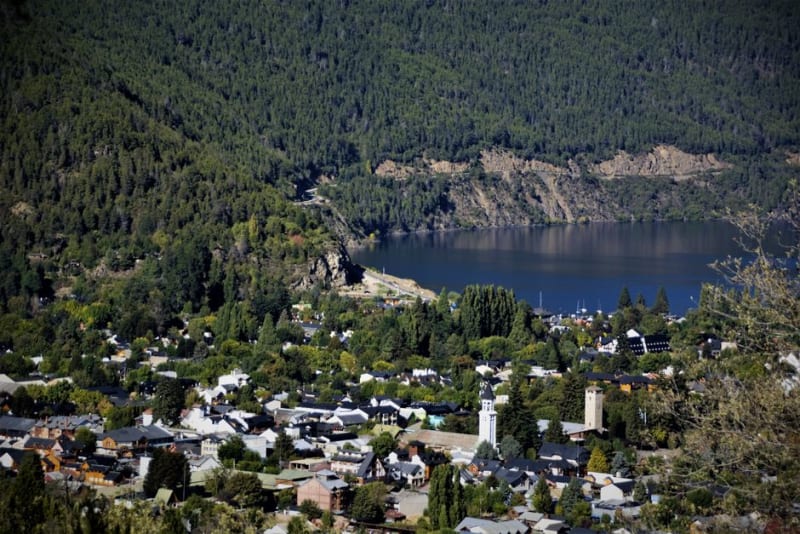 argentina
 San Martín de los Andes
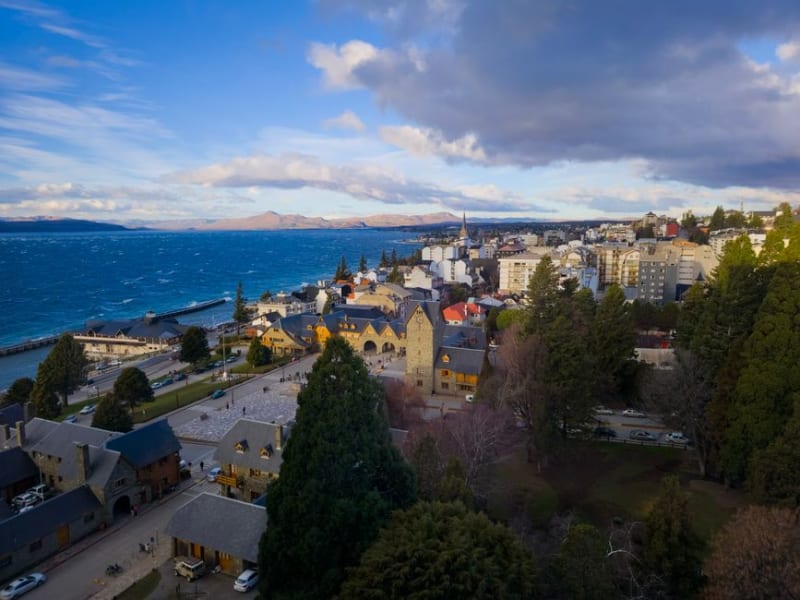
A lake-district town beneath the perfect cone of Volcán Lanín, quieter and less polished than Bariloche.
Explore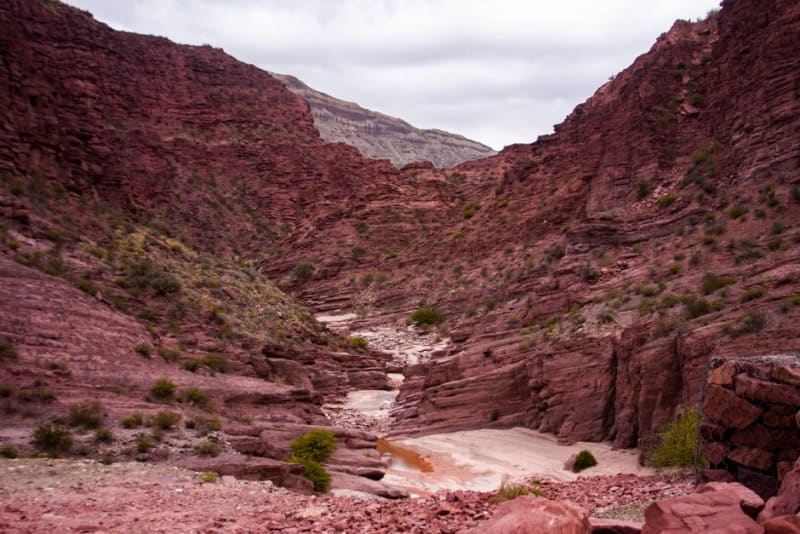 argentina
 San Rafael
A quieter Mendoza adventure town where canyon rafting and desert wineries share the same dusty roads.
Explore argentina
 San Salvador de Jujuy
Jujuy's understated provincial capital, a colonial city of cathedrals and hillside barrios that most travelers rush straight through.
Explore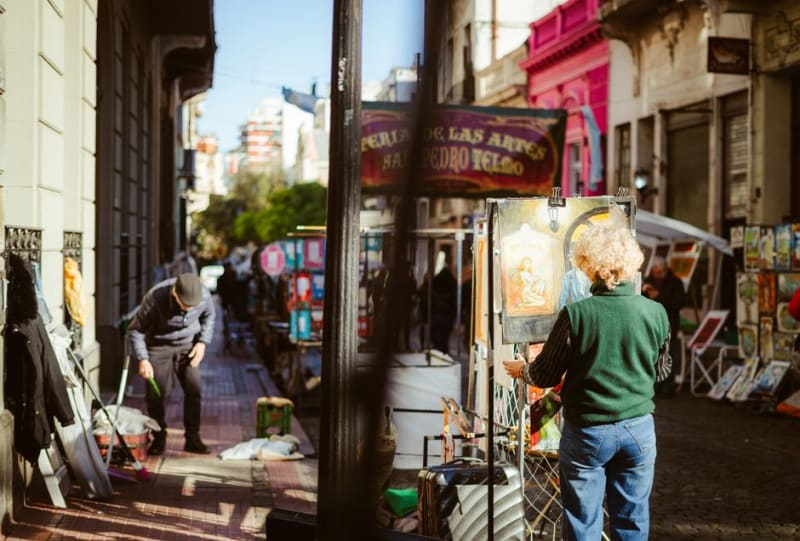 argentina
 San Telmo
Buenos Aires's oldest barrio — cobblestones, antique shops, and a Sunday market that swallows the whole neighborhood.
Explore