San Antonio de los Cobres
"Nothing about this town is trying to impress you. That's exactly why I couldn't stop looking at it."
A high-altitude Puna railway town at 3,775 meters, where copper mining history meets one of the loneliest, most beautiful plateaus in Argentina.
San Antonio de los Cobres sits at 3,775 meters on the Puna plateau, and the first thing I noticed getting off the bus was how thin and clean the air felt, followed almost immediately by how hard it was to breathe while carrying a backpack up a slight incline. This is a mining and railway town, named for the copper deposits worked here since colonial times, and it still functions as the last real settlement before the Tren a las Nubes crosses the Andes proper. Most visitors pass through it as a stop on that train or on the way to Chile via the Paso de Jama. We stayed two nights, which turned out to be exactly enough.
A Town Built for the Altitude, Not for Visitors
The architecture here is low, flat-roofed adobe, built to withstand a climate that swings from intense daytime sun to freezing nights, sometimes forty degrees apart within twelve hours. There’s no pretense of prettiness — this is a functional Puna town, home mostly to Kolla communities who have herded llama here for generations, and the streets have the unhurried quiet of a place that isn’t performing for tourists. Lia bought a wool blanket from a woman selling them off a blanket in the plaza, negotiated in a mix of Spanish and patience, and it remains one of our favorite souvenirs from the whole trip.
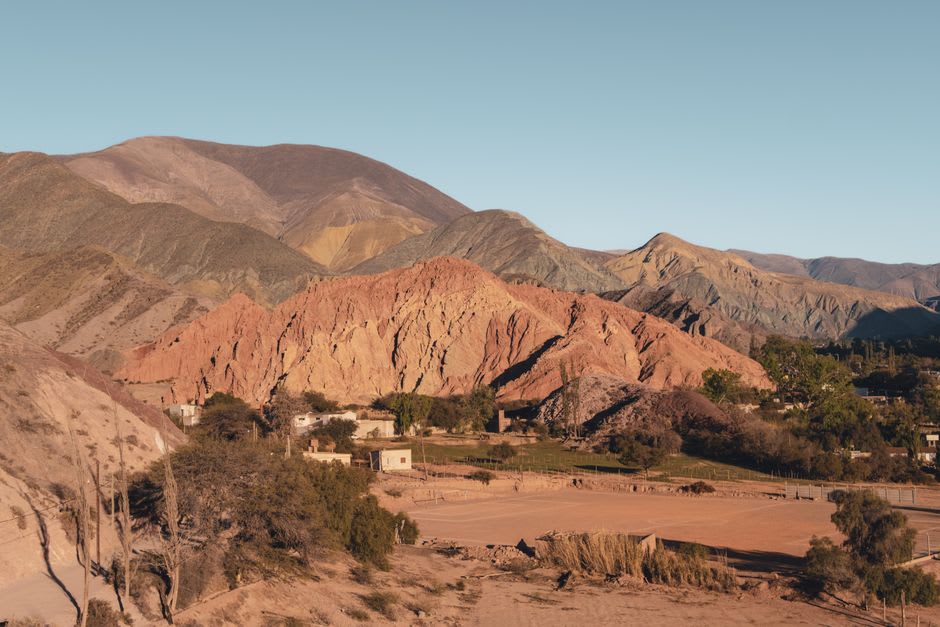
The Puna at the Edge of Town
What I’ll remember most is walking just past the last buildings at dusk and watching the plateau do what it does at that hour — flatten into gold, then grey, then a deep cold blue, with the surrounding volcanic peaks (some over 5,000 meters) catching the last light long after the ground had gone dark. Vicuña grazed unbothered a few hundred meters out. The silence up there has a texture to it, a kind of pressure in the ears that comes partly from altitude and partly, I think, from simply not being used to that much quiet.
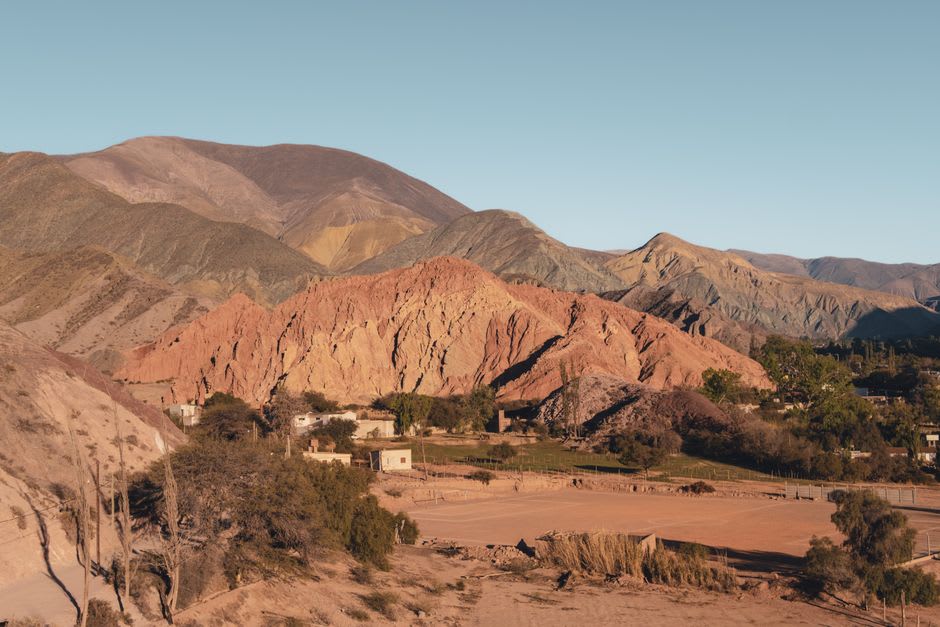
When to go: May through October. Altitude sickness is a real risk here regardless of season, so arrive acclimatized from a few days at a lower elevation like Salta or San Salvador de Jujuy.
Keep exploring
More from Argentina
 argentina
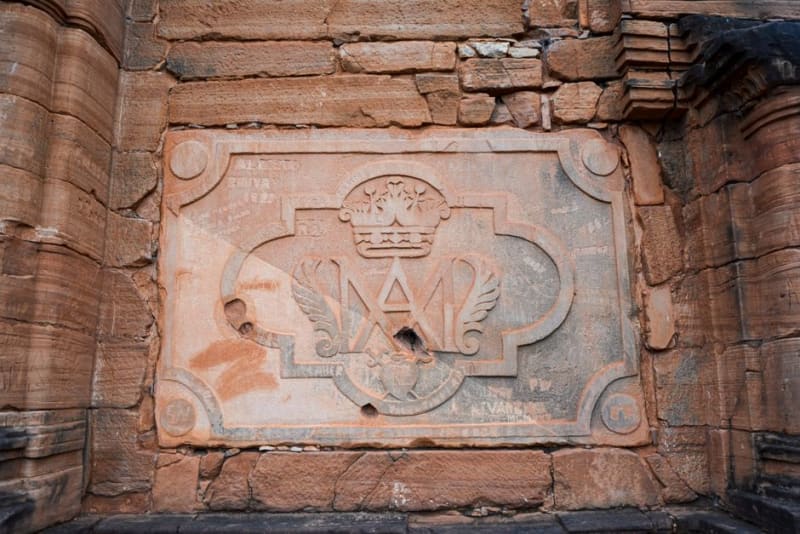
 San Ignacio Miní
The best-preserved Jesuit-Guaraní mission ruins in Argentina, a UNESCO site swallowed by red earth and jungle in Misiones.
Explore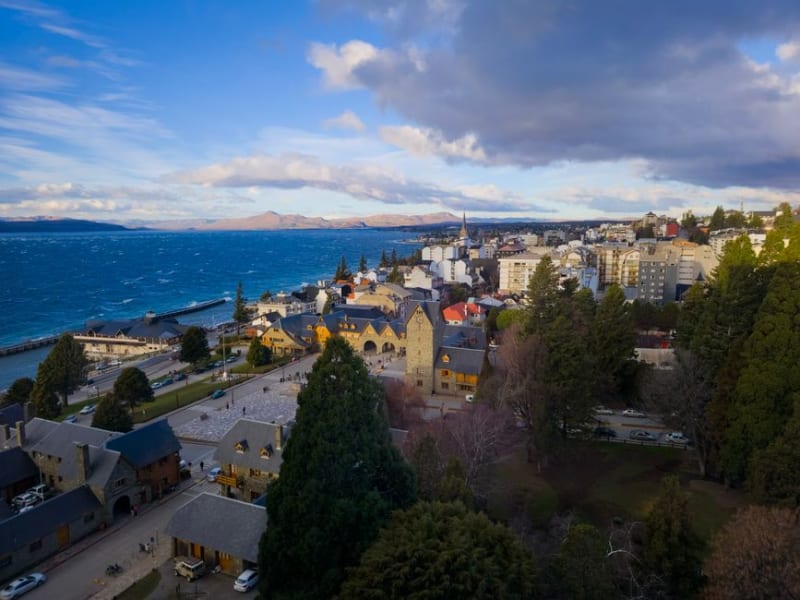 argentina
 San Juan City
A wine city rebuilt from rubble at the foot of the Andes, quieter and more sincere than its famous neighbor Mendoza.
Explore argentina
 San Marcos Sierras
A hippie village in Cordoba's Punilla valley sierras, built around the clear waters of the Rio de los Espinillos.
Explore argentina
 San Martín de los Andes
A lake-district town beneath the perfect cone of Volcán Lanín, quieter and less polished than Bariloche.
Explore argentina
 San Rafael
A quieter Mendoza adventure town where canyon rafting and desert wineries share the same dusty roads.
Explore argentina
 San Salvador de Jujuy
Jujuy's understated provincial capital, a colonial city of cathedrals and hillside barrios that most travelers rush straight through.
Explore