San Antonio de Areco
"San Antonio de Areco never got the memo that the gaucho era ended."
A pampas town frozen somewhere in the nineteenth century, home to Argentina's finest silversmiths and its most authentic gaucho culture.
Everyone in Buenos Aires told us the same thing before we left for San Antonio de Areco: it’s touristy, it’s a day trip, you’ll be back by dinner. We ignored the last part and stayed two nights, and it was the right call — the town needs more than an afternoon to reveal what it actually is, which is not a recreation of gaucho culture but a place where it never fully stopped.
The Town Itself
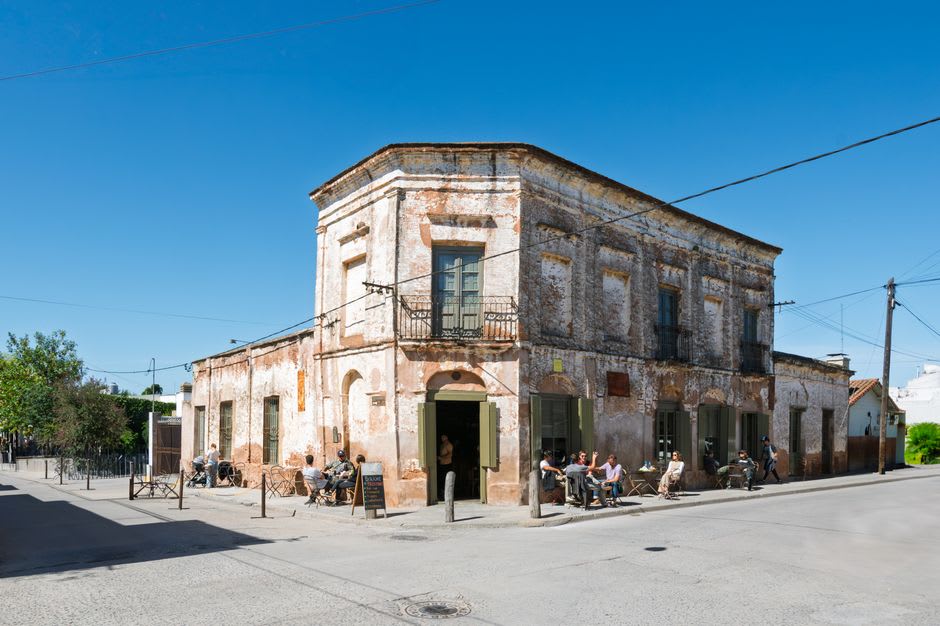
Areco sits about a hundred kilometers northwest of Buenos Aires, and the drive out is its own kind of decompression — the density of the capital thinning into flat pampas grassland dotted with eucalyptus windbreaks. The town center is low colonial buildings around a plaza, a river with a stone footbridge, and a stillness that felt almost suspicious after a week of Buenos Aires traffic.
Silverwork and the Museo Gauchesco
Areco has been Argentina’s center of criollo silversmithing for generations, and workshops around town still hand-forge the facón knives and rastra belt buckles that gauchos actually use, not souvenir versions. I watched a silversmith named Ricardo work a blade handle for nearly an hour in his shop off the plaza, and the precision of it — no rush, no performance for the one tourist watching — told me more about the town’s relationship to its own traditions than any museum plaque could.
The Museo Gauchesco Ricardo Güiraldes, set in a mock-colonial building on the edge of town, does the historical framing well, tracing the gaucho from marginalized nomad to national symbol through Güiraldes’s novel Don Segundo Sombra, which is essentially Areco’s founding myth.
The Estancias
The real reason to stay overnight is the estancias — working or semi-working ranches around town that host asados and horsemanship demonstrations, and the good ones don’t feel like a show. We spent an afternoon at one where the gauchos were, as far as I could tell, actually working, not performing, and the horsemanship on display during an impromptu game of pato was the most impressive riding I saw anywhere in Argentina.
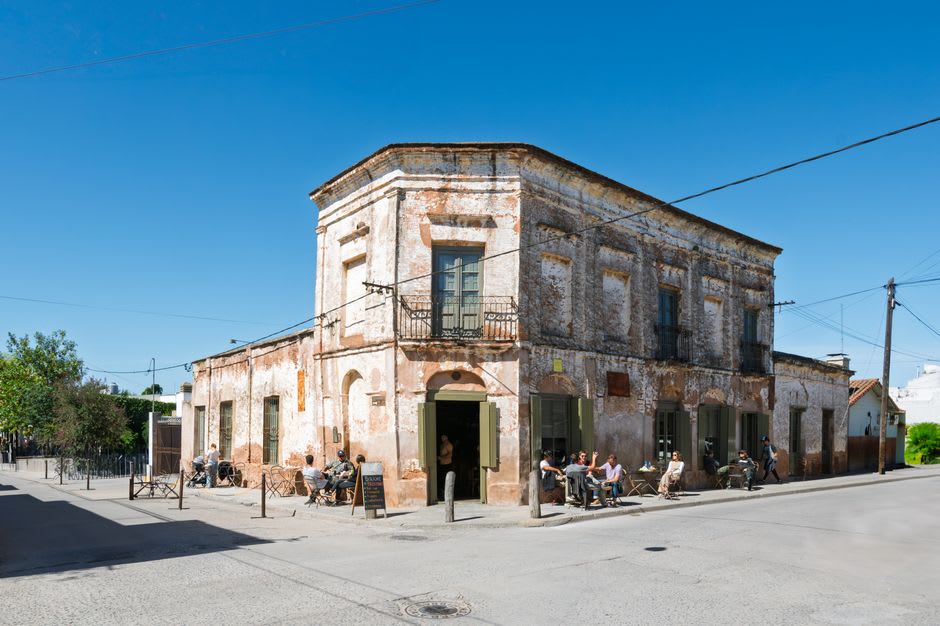
When to go: Autumn (March to May) for the mildest weather and the annual Día de la Tradición in November if you want the town at its most concentrated — gaucho parades, folk music, and an asado that seems to feed the entire province.
Keep exploring
More from Argentina
 argentina
 San Antonio de los Cobres
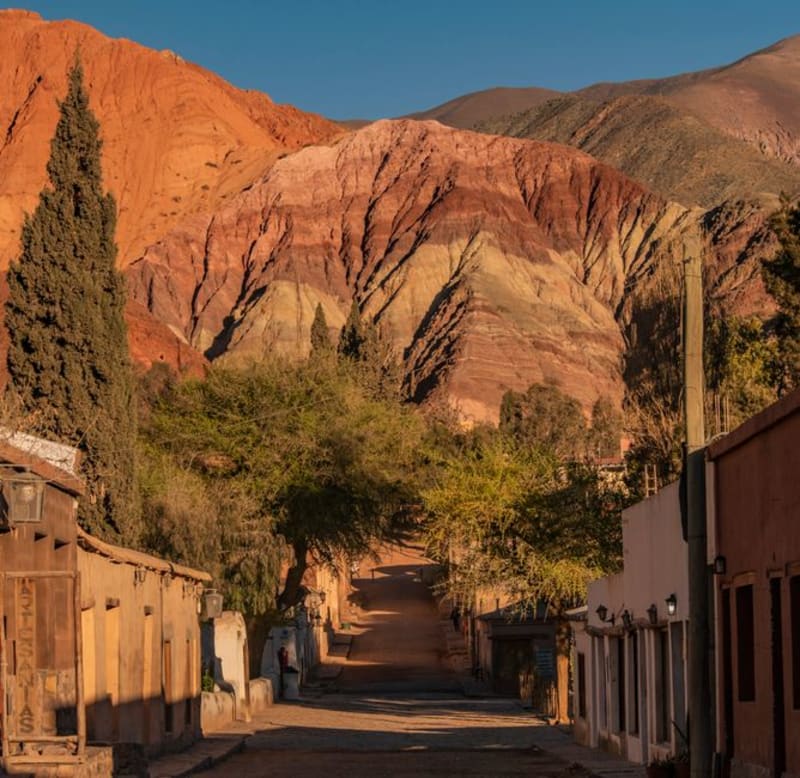
A high-altitude Puna railway town at 3,775 meters, where copper mining history meets one of the loneliest, most beautiful plateaus in Argentina.
Explore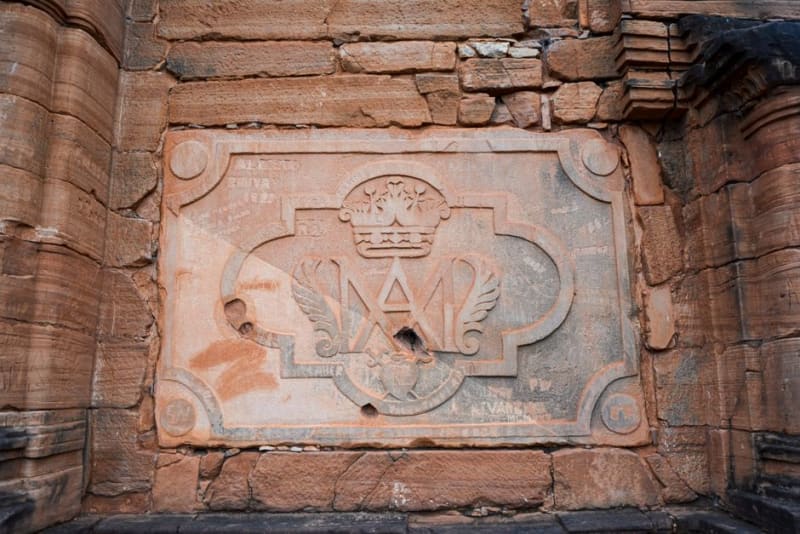 argentina
 San Ignacio Miní
The best-preserved Jesuit-Guaraní mission ruins in Argentina, a UNESCO site swallowed by red earth and jungle in Misiones.
Explore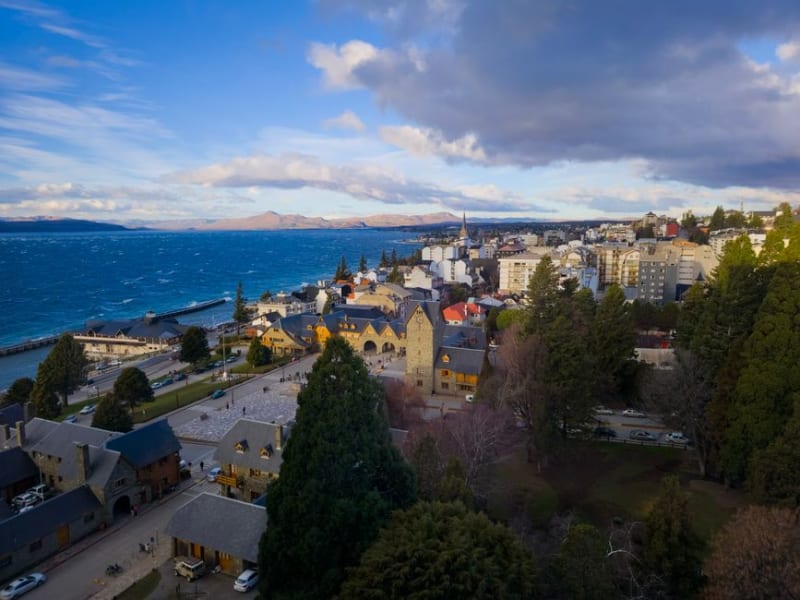 argentina
 San Juan City
A wine city rebuilt from rubble at the foot of the Andes, quieter and more sincere than its famous neighbor Mendoza.
Explore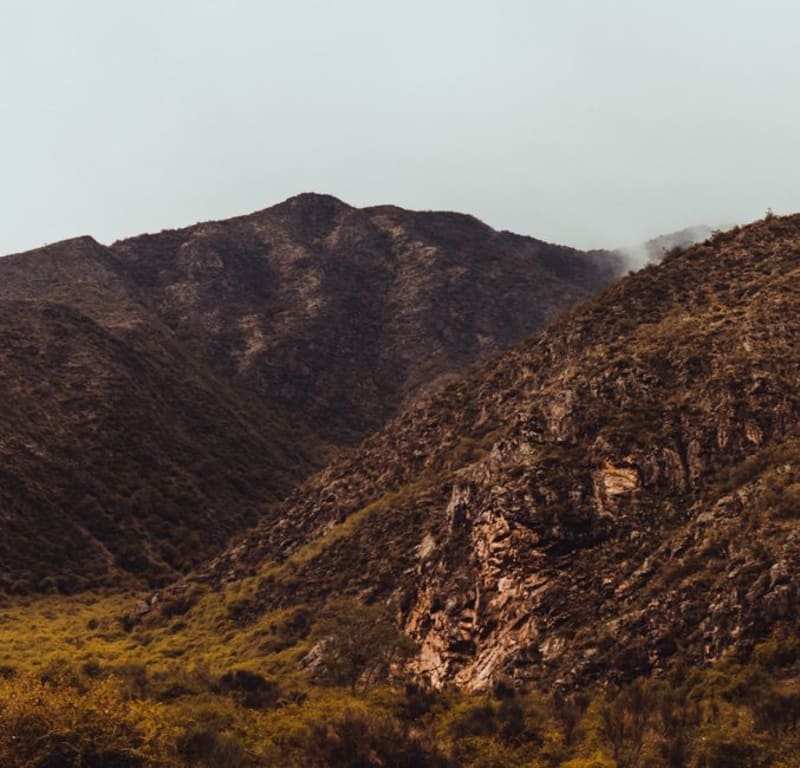 argentina
 San Marcos Sierras
A hippie village in Cordoba's Punilla valley sierras, built around the clear waters of the Rio de los Espinillos.
Explore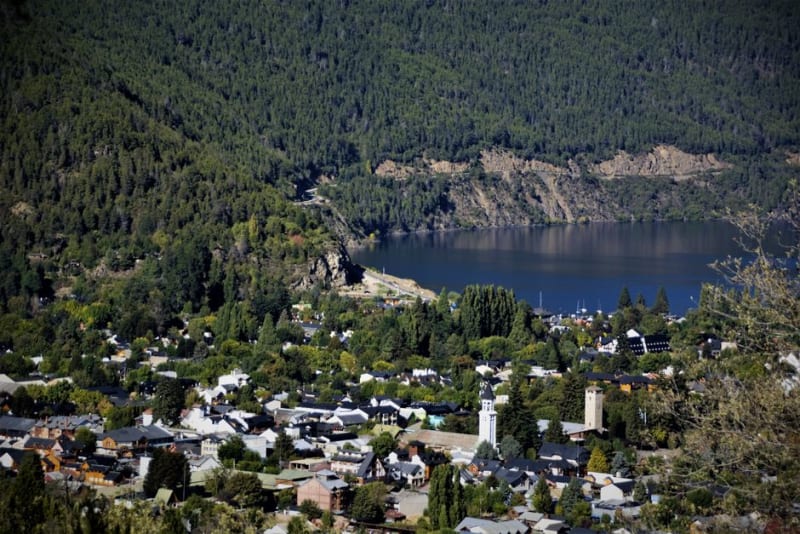 argentina
 San Martín de los Andes
A lake-district town beneath the perfect cone of Volcán Lanín, quieter and less polished than Bariloche.
Explore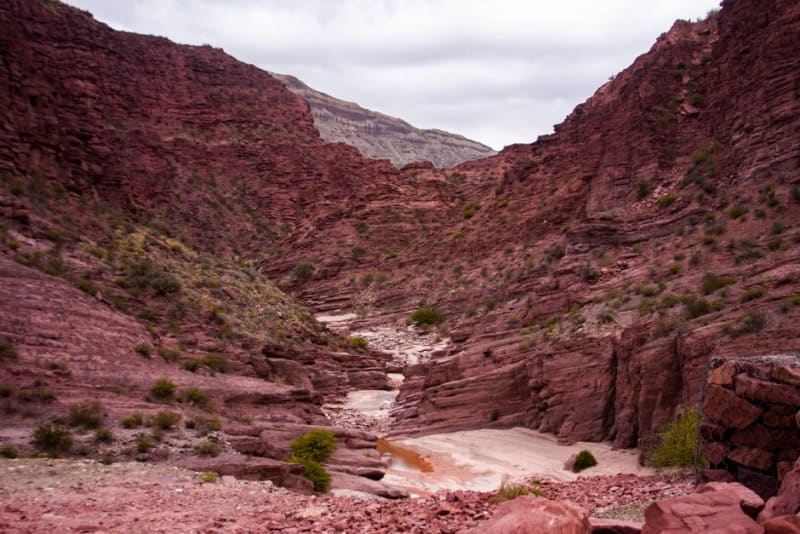 argentina
 San Rafael
A quieter Mendoza adventure town where canyon rafting and desert wineries share the same dusty roads.
Explore