Rio Gallegos
"Everyone passes through Rio Gallegos. Almost no one stays. I still think that's a mistake."
The windswept provincial capital of Santa Cruz, a practical waypoint for anyone crossing into deep Patagonia or Tierra del Fuego.
Rio Gallegos exists in most travelers’ itineraries as a connection point — the airport you fly into before a bus to El Calafate, or the last fuel stop before Tierra del Fuego. Lia and I treated it that way too on our first pass south, and only really saw the city on the way back north, when a delayed flight forced an overnight stay we hadn’t planned for. It turned out to be a better city than its reputation as a layover suggests.
Capital of a Province the Size of a Country
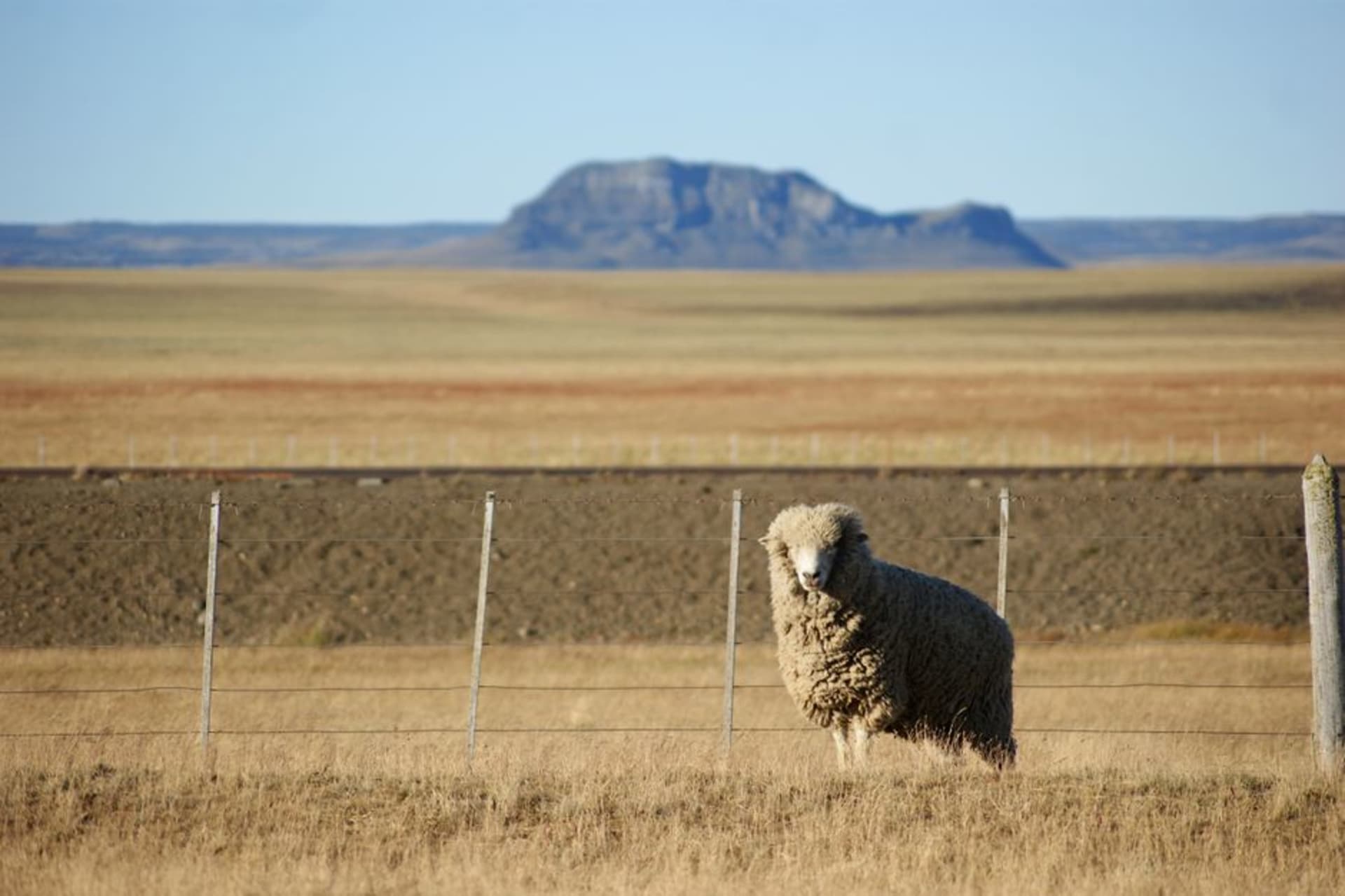
Rio Gallegos is the capital of Santa Cruz, a province larger than the United Kingdom with a population that would fit inside a mid-sized European city, and that imbalance defines the place. Wide streets built for a bigger city than actually exists, a legislature building with genuine civic ambition, and beyond the last roundabout, flat steppe stretching uninterrupted to a horizon that doesn’t seem to end. The Rio Gallegos itself is a wide, muddy tidal river with one of the most extreme tidal ranges I’ve seen anywhere in Argentina — the difference between high and low tide can expose or submerge hundreds of meters of riverbed in a matter of hours.
A Working Sheep and Oil Town
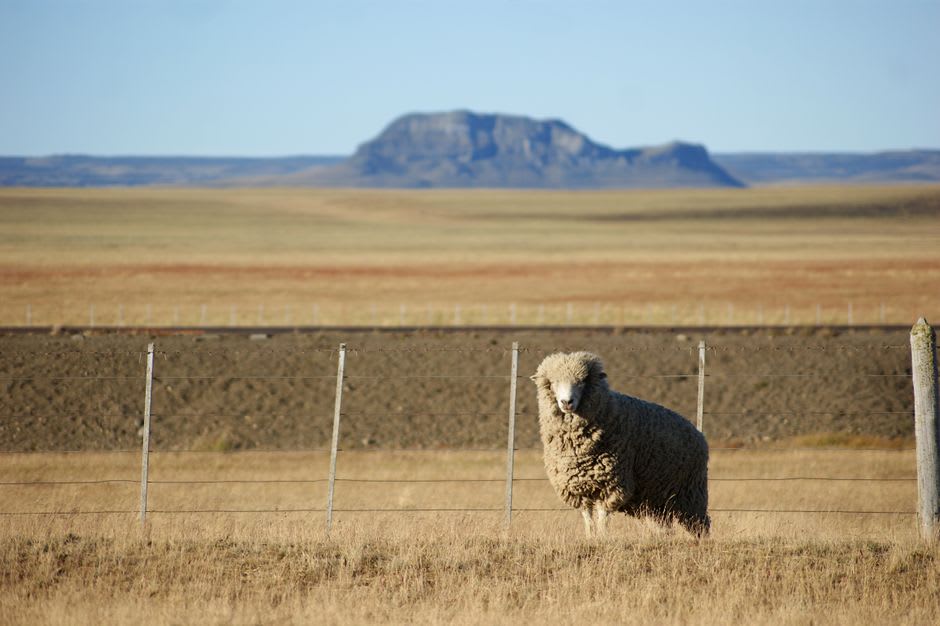
Like Comodoro further north, Rio Gallegos grew on a foundation of oil and sheep wool, and the old wool warehouses down by the port, some still standing, tell that story better than any museum plaque. We wandered past them on our unplanned evening, the wind driving sideways rain that never quite committed to a real storm, and ducked into a parrilla that turned out to be serving some of the best cordero patagónico — Patagonian lamb, slow-roasted whole over an open cross — either of us had eaten on the entire trip.
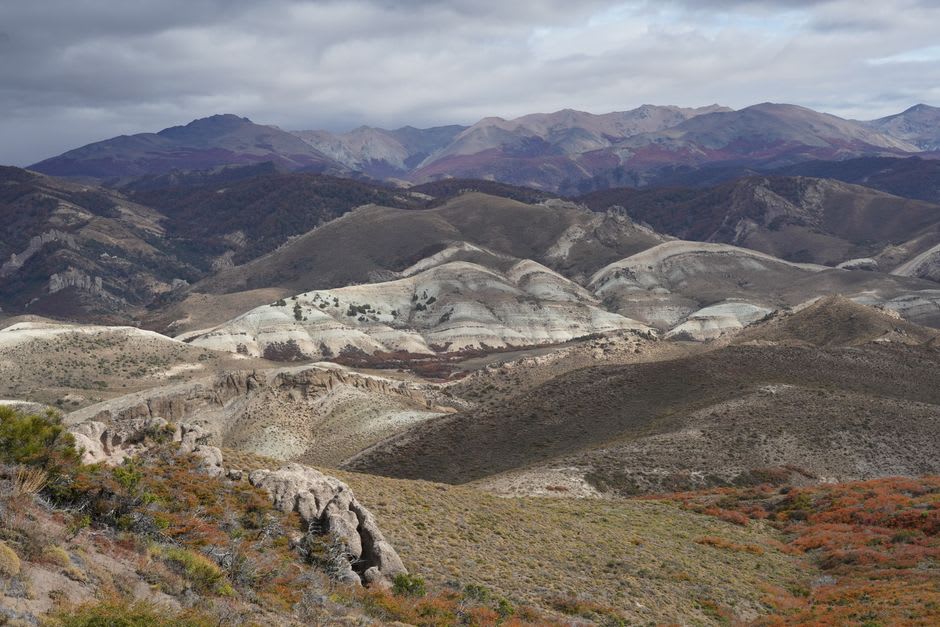
The city also holds a quieter historical weight as a flashpoint during Argentina’s 1920s rural labor uprisings, brutally suppressed by the army in events later chronicled in Osvaldo Bayer’s writing and the film La Patagonia Rebelde. None of that history is loudly signposted downtown, but knowing it changed how I read the plain civic architecture on the walk back to the hotel.
When to go: Most travelers pass through en route to El Calafate or Ushuaia year-round. If you have any flexibility, budget a genuine overnight rather than a rushed connection — summer (December to February) keeps the wind slightly more bearable for walking the waterfront.
Keep exploring
More from Argentina
 argentina
 Rosario
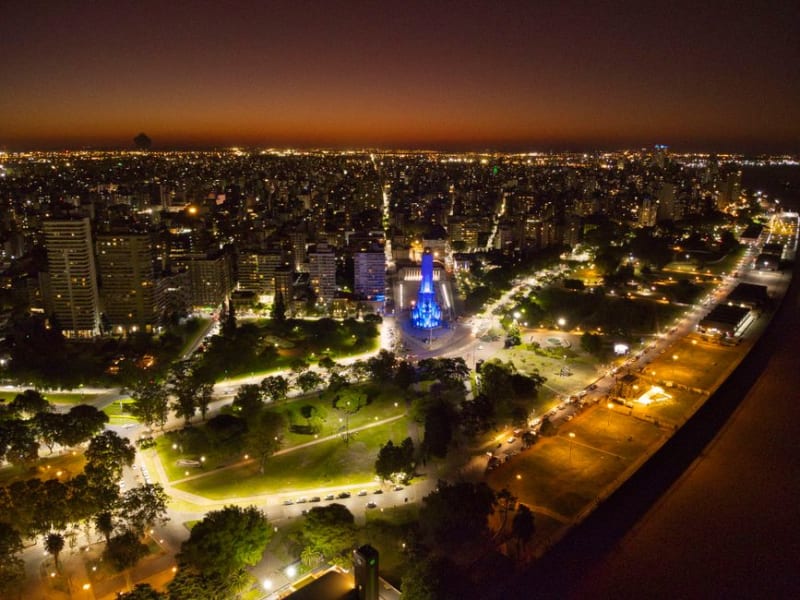
A confident river city on the Paraná, birthplace of Che Guevara and the national flag, with a riverside culture that rivals Buenos Aires without trying to be it.
Explore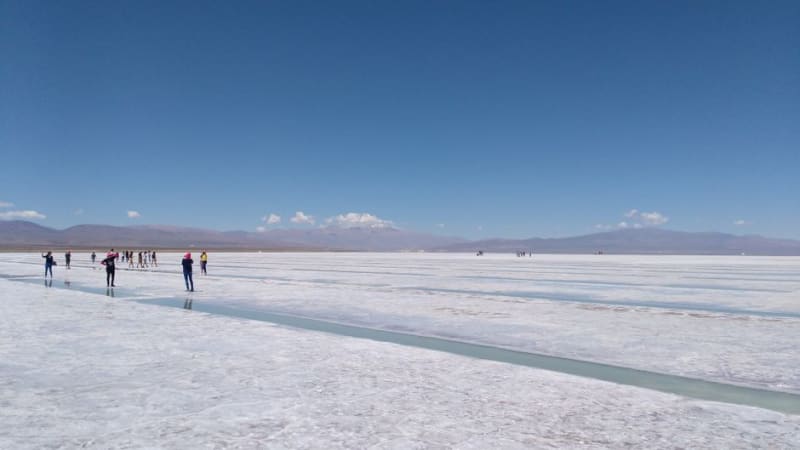 argentina
 Salinas Grandes
A vast white salt flat straddling the Jujuy-Salta border at 3,450 meters, where the sky doubles itself on a mirror of crystallized salt.
Explore argentina
 Salta
Colonial elegance in Argentina's northwest — red-rock canyons, empanadas, and Andean folk traditions.
Explore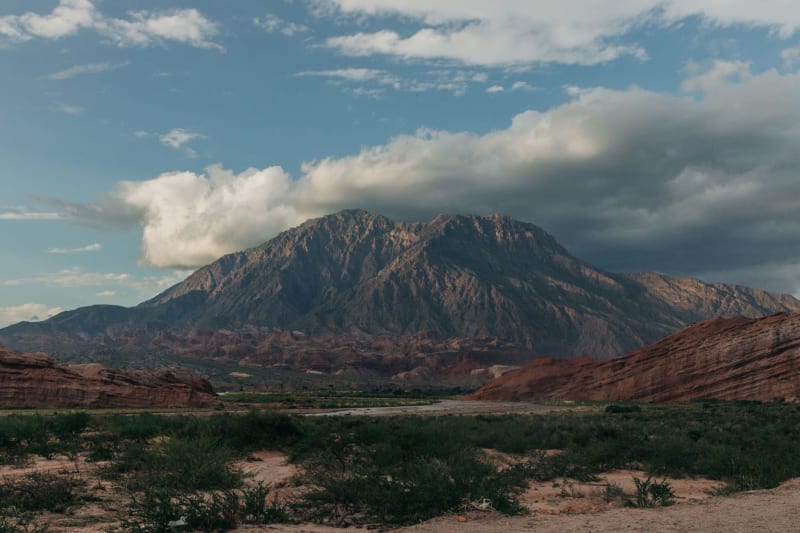 argentina
 Salta City
La Linda, they call it — this northwestern city of colonial churches and empanadas framed by Andean hills.
Explore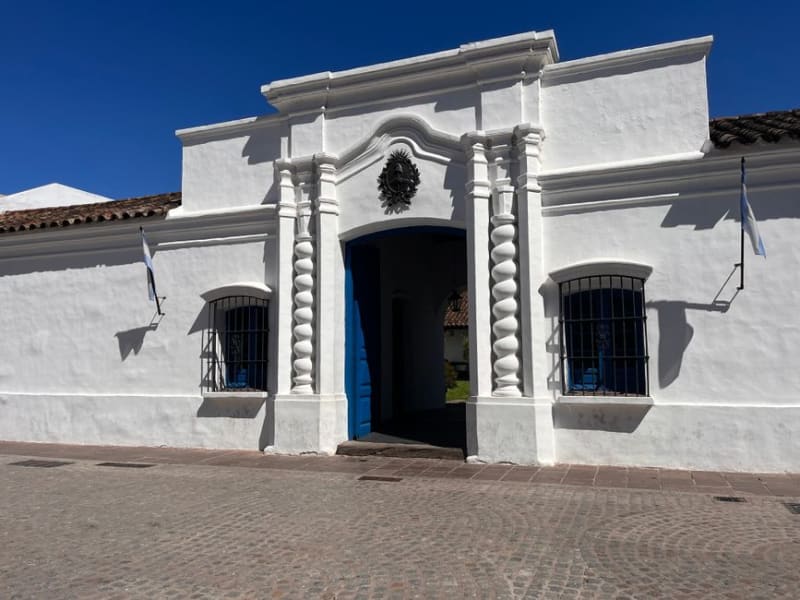 argentina
 San Antonio de Areco
A pampas town frozen somewhere in the nineteenth century, home to Argentina's finest silversmiths and its most authentic gaucho culture.
Explore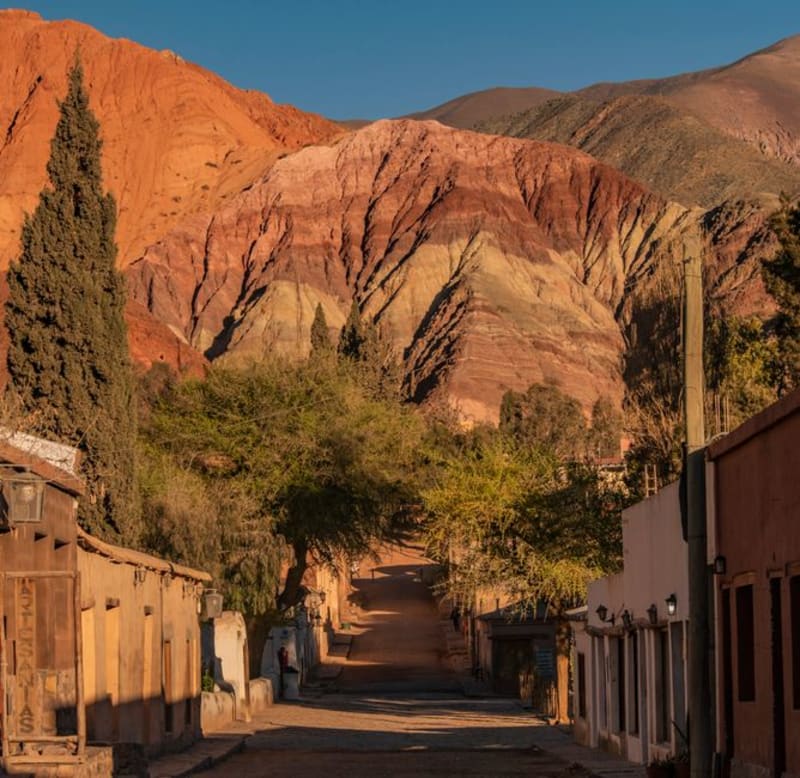 argentina
 San Antonio de los Cobres
A high-altitude Puna railway town at 3,775 meters, where copper mining history meets one of the loneliest, most beautiful plateaus in Argentina.
Explore