A tiny adobe village in Jujuy stacked against the seven-colored striations of Cerro de los Siete Colores.
Purmamarca is small enough that I walked its entire perimeter in under fifteen minutes on the first morning, and I still hadn’t found the edge of what makes it remarkable. The village sits at 2,192 meters in a fold of the Quebrada, its adobe houses the same ochre as the earth they’re built from, and behind all of it rises Cerro de los Siete Colores — a mountain that looks, quite literally, like someone dragged seven different paint cans across its face. Lia took one look from the plaza and said it looked fake, like a backdrop someone had propped up for a photo. It isn’t. The colors are mineral: iron oxides for the reds, copper for the greens, manganese for the purples, laid down over sixty million years and tilted upright by the same tectonic violence that built the Andes.
The Plaza and the Church
The Plaza 9 de Julio is shaded by an algarrobo tree that locals say is over a thousand years old, and next to it stands a whitewashed adobe church, Santa Rosa de Lima, with a bell tower that has been rung by hand since the 1600s. I sat on a bench there for a while in the late afternoon, watching a woman set up a blanket of woven textiles for sale — llama wool ponchos in colors that echoed the mountain behind her, which felt less like coincidence and more like a place that has always designed itself around its own geology.

The Paseo de los Colorados
There’s a short trail, about three kilometers, that loops out from the village directly into the base of the formation — the Paseo de los Colorados. Lia and I did it at seven in the morning before the tour buses arrived from Salta, and the light at that hour turns the reds almost fluorescent. We had the trail nearly to ourselves except for a man walking two donkeys loaded with firewood, unbothered by the fact that he was strolling through what most of us had traveled thousands of kilometers to see.

Salt, Sand, and the Road South
Purmamarca also works as a base for two of the region’s showpieces — the Salinas Grandes salt flats over the mountain pass to the west, and the broader Quebrada de Humahuaca stretching north. But I’d caution against treating it purely as a launchpad. The village itself, especially once the day-trippers clear out around five, settles into something quiet and worth sitting inside of. We ate empanadas de charqui — dried llama meat, a specialty up here — at a stall by the plaza while the mountain went from ochre to rust to a deep bruised purple as the sun dropped behind it.
When to go: April through November, avoiding the summer rainy season (December to March) which can wash out the unpaved roads. May through August brings the clearest skies and the sharpest color contrast on the mountain, though nights get properly cold at this altitude.
Keep exploring
More from Argentina
 argentina
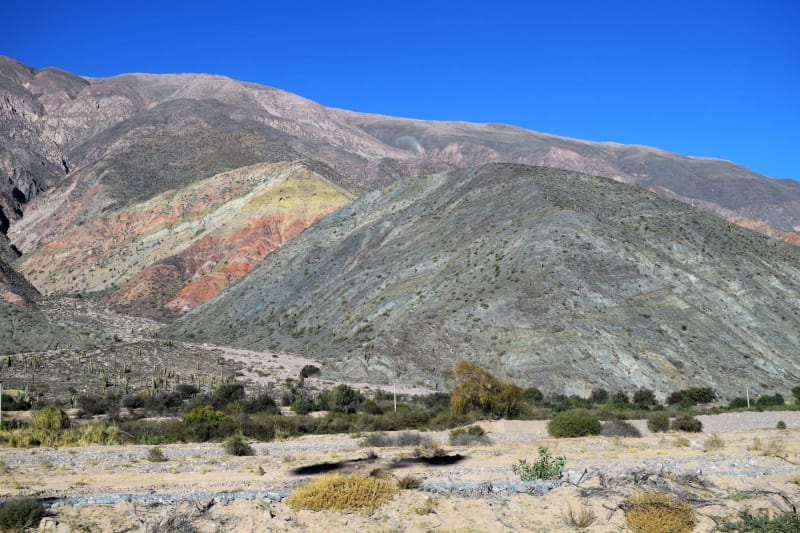
 Quebrada de Humahuaca
A UNESCO-listed gorge of 14 colors where ancient Andean cultures, cactus, and carnival traditions live together.
Explore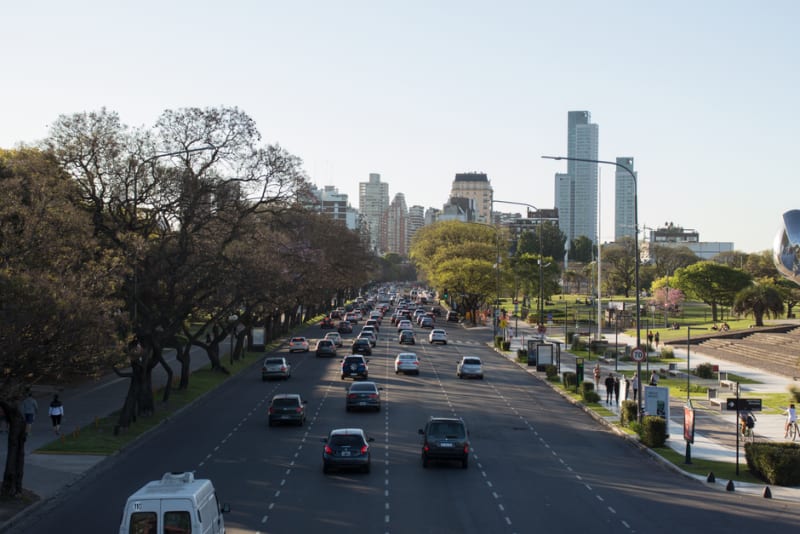 argentina
 Recoleta
Buenos Aires's grandest neighborhood, built around a cemetery of marble mausoleums and Evita's crowded tomb.
Explore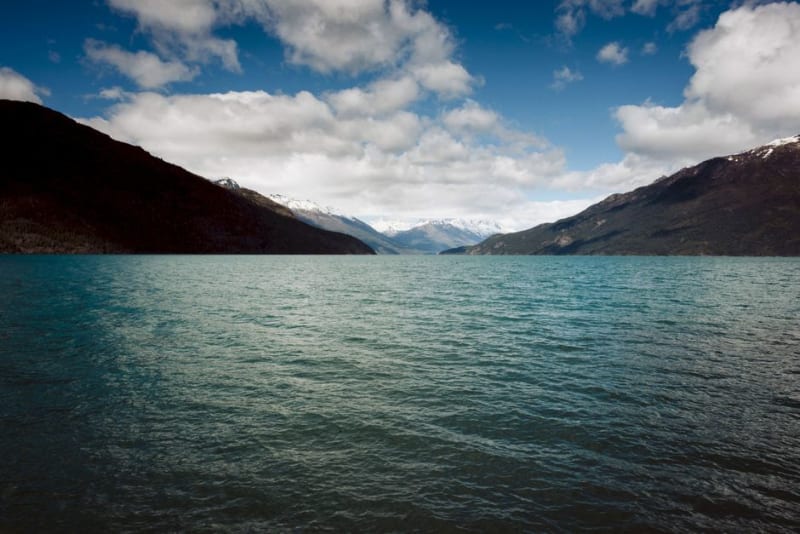 argentina
 Rio Gallegos
The windswept provincial capital of Santa Cruz, a practical waypoint for anyone crossing into deep Patagonia or Tierra del Fuego.
Explore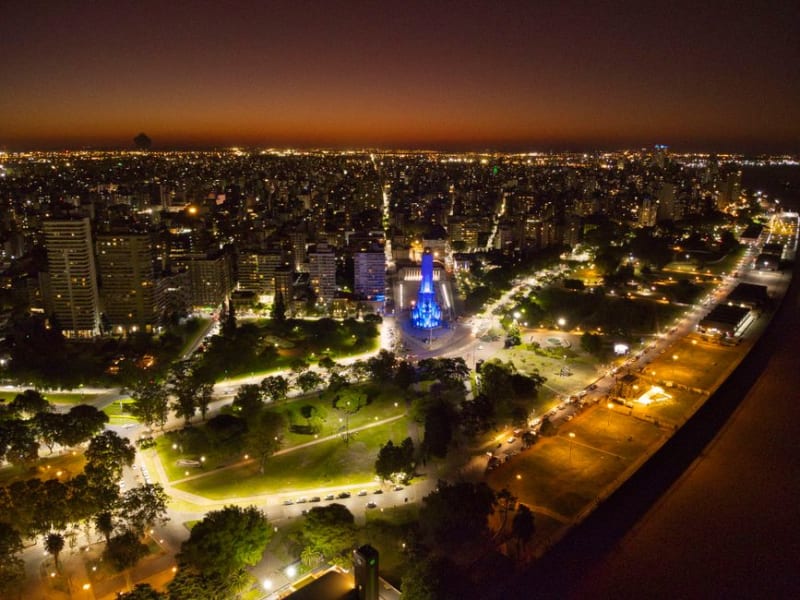 argentina
 Rosario
A confident river city on the Paraná, birthplace of Che Guevara and the national flag, with a riverside culture that rivals Buenos Aires without trying to be it.
Explore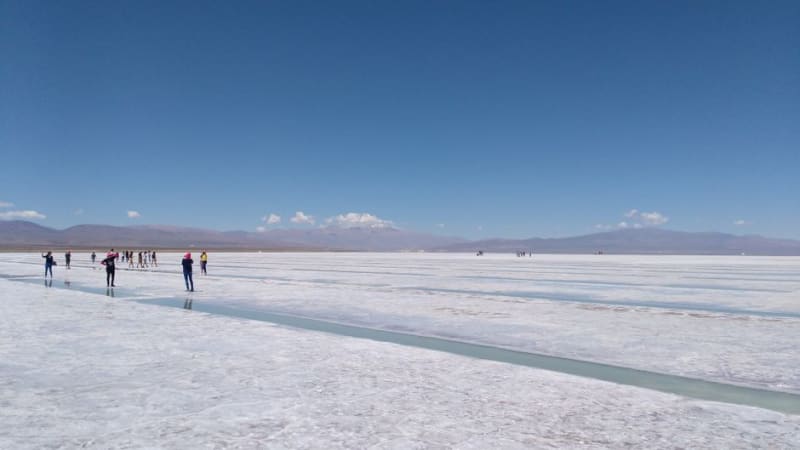 argentina
 Salinas Grandes
A vast white salt flat straddling the Jujuy-Salta border at 3,450 meters, where the sky doubles itself on a mirror of crystallized salt.
Explore argentina
 Salta
Colonial elegance in Argentina's northwest — red-rock canyons, empanadas, and Andean folk traditions.
Explore