Puerto Iguazú
"Three countries meet at one river bend, and somehow the town stays this relaxed about it."
The relaxed Argentine gateway town to Iguazu Falls, where the Paraná and Iguazú rivers meet three countries at once.
Puerto Iguazú does not try to compete with the falls it sits beside, and that restraint is exactly what makes it work as a base. Lia and I stayed here for four nights, using it as a launch pad for the Argentine side of the falls, and came away liking the town on its own terms — low-slung, red-earth streets lined with palms, restaurants that stay open late for travelers coming back exhausted and starving from a full day on the trails.
Where Three Countries Touch
The Hito Tres Fronteras, a small landscaped viewpoint at the edge of town, marks the exact spot where the Paraná and Iguazú rivers converge and Argentina, Brazil, and Paraguay all meet within view of each other. It sounds like a gimmick until you are standing there at sunset, watching the light hit three different national flags across two rivers, obelisks marking each country’s stake in the same muddy water. We went twice — once at midday out of curiosity, once at dusk on purpose — and the second visit is the one worth planning for.
The town itself rewards an evening or two of unhurried wandering. Avenida Brasil is the main strip, full of parrillas and ice cream shops, and we found our favorite meal of the whole Misiones leg at a small place a block off the main drag — river fish again, always river fish here, this time wrapped in banana leaf and grilled over coals.
Before and After the Falls
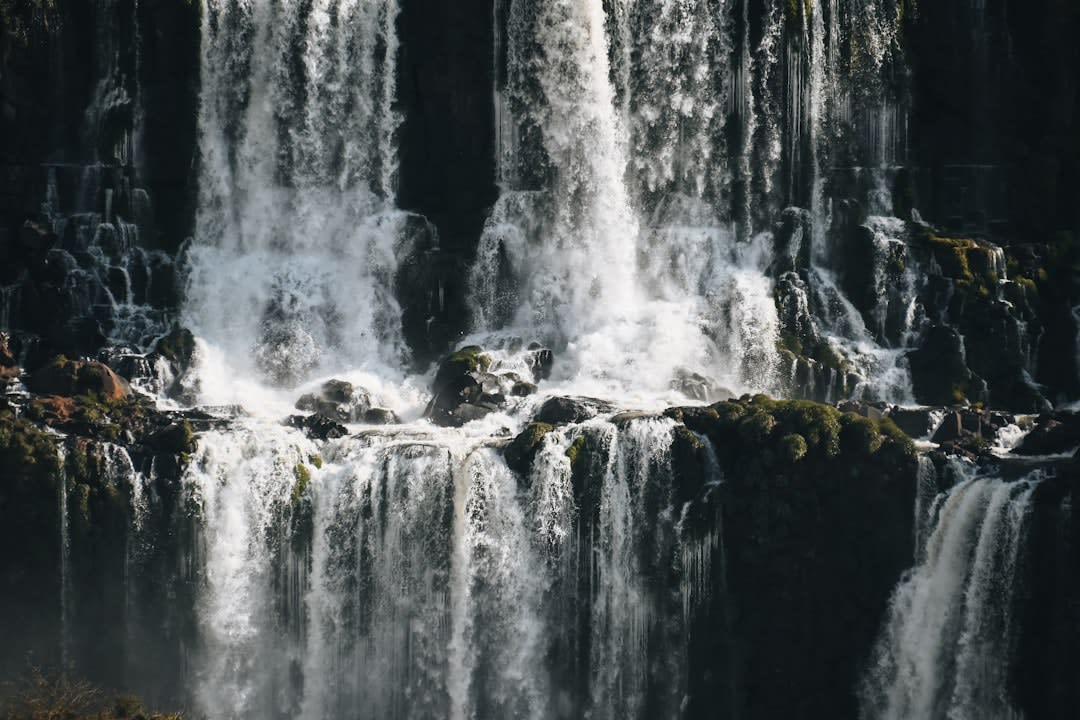
What surprised me most about Puerto Iguazú was how much decompression it offered after the sheer sensory overload of the falls themselves. We came back from our first day at Parque Nacional Iguazú soaked from the Garganta del Diablo catwalks and slightly stunned, and the town’s unhurried pace — a slow dinner, a walk past the guaraní craft stalls near the plaza — was exactly the reset needed before going back the next day for the trails we had missed.
When to go: May through September for cooler, drier conditions; the falls themselves are at their most dramatic in the months following the rainy season, roughly November through March, though the town is more bearable outside of that heat.
Keep exploring
More from Argentina
 argentina
 Puerto Madero
Buenos Aires's glass-and-steel waterfront reinvention, built around a curved white pedestrian bridge and a wild ecological reserve.
Explore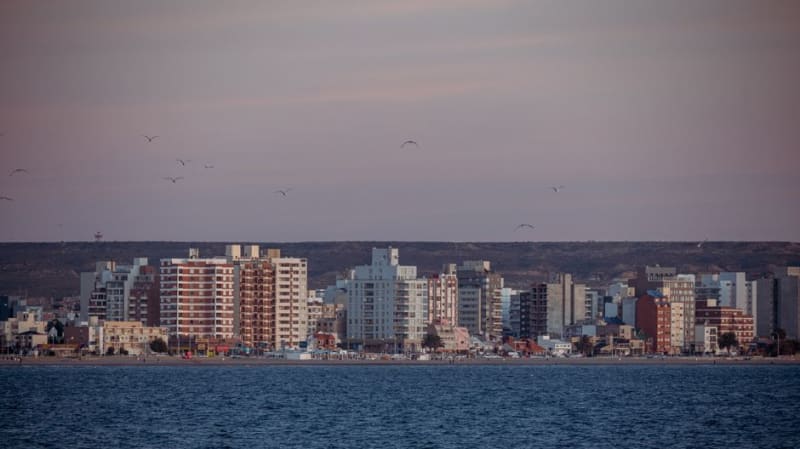 argentina
 Puerto Madryn
A low-key Atlantic coastal city in Chubut that serves as the gateway to whale watching and the wildlife of Peninsula Valdés.
Explore argentina
 Purmamarca
A tiny adobe village in Jujuy stacked against the seven-colored striations of Cerro de los Siete Colores.
Explore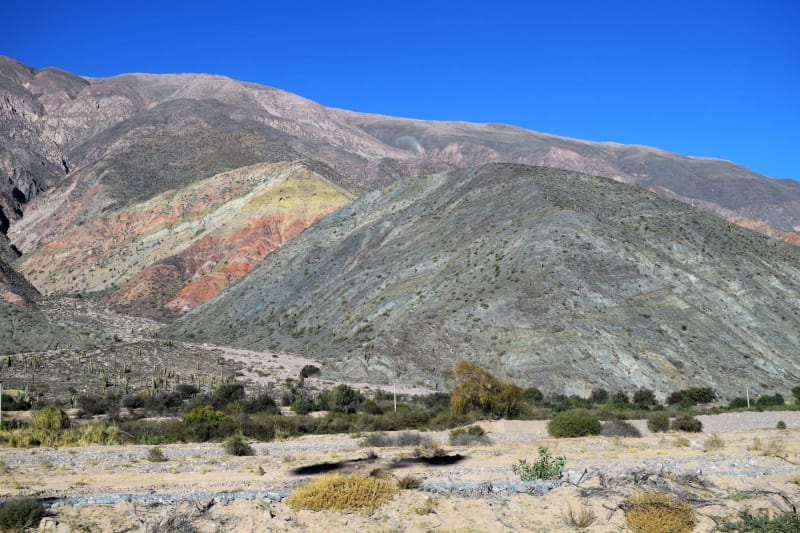 argentina
 Quebrada de Humahuaca
A UNESCO-listed gorge of 14 colors where ancient Andean cultures, cactus, and carnival traditions live together.
Explore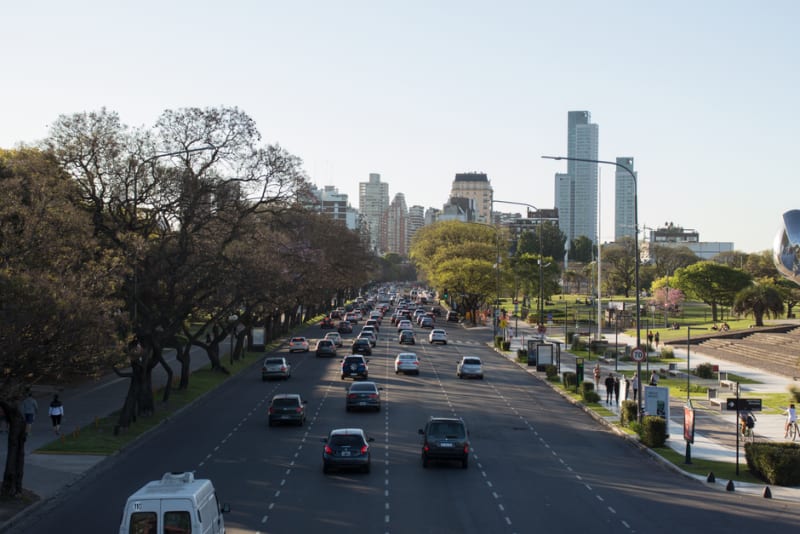 argentina
 Recoleta
Buenos Aires's grandest neighborhood, built around a cemetery of marble mausoleums and Evita's crowded tomb.
Explore argentina
 Rio Gallegos
The windswept provincial capital of Santa Cruz, a practical waypoint for anyone crossing into deep Patagonia or Tierra del Fuego.
Explore