A natural rock bridge stained sulfur-yellow by thermal springs, and the ruins of a spa town the mountain eventually reclaimed.
I had seen photographs of Puente del Inca before the trip and assumed they were exaggerated, the way travel photography usually oversaturates a color to make a point. They were not exaggerated. The natural stone arch spans the Río de las Cuevas at nearly 2,700 meters, and it is stained an almost unnatural sulfur yellow and burnt orange by mineral deposits from the thermal springs that still run beneath it.
The Bridge and Its Colors
The bridge itself formed over thousands of years as calcium and sulfur from the hot springs mineralized around the rock, and up close the surface looks less like stone than something poured and hardened, ridged and glossy in places. Lia crouched at the edge of the frozen-over pool beneath it for a long time, trying to work out whether the color was really as vivid as it looked through her camera. It was.
The Ruined Spa Hotel
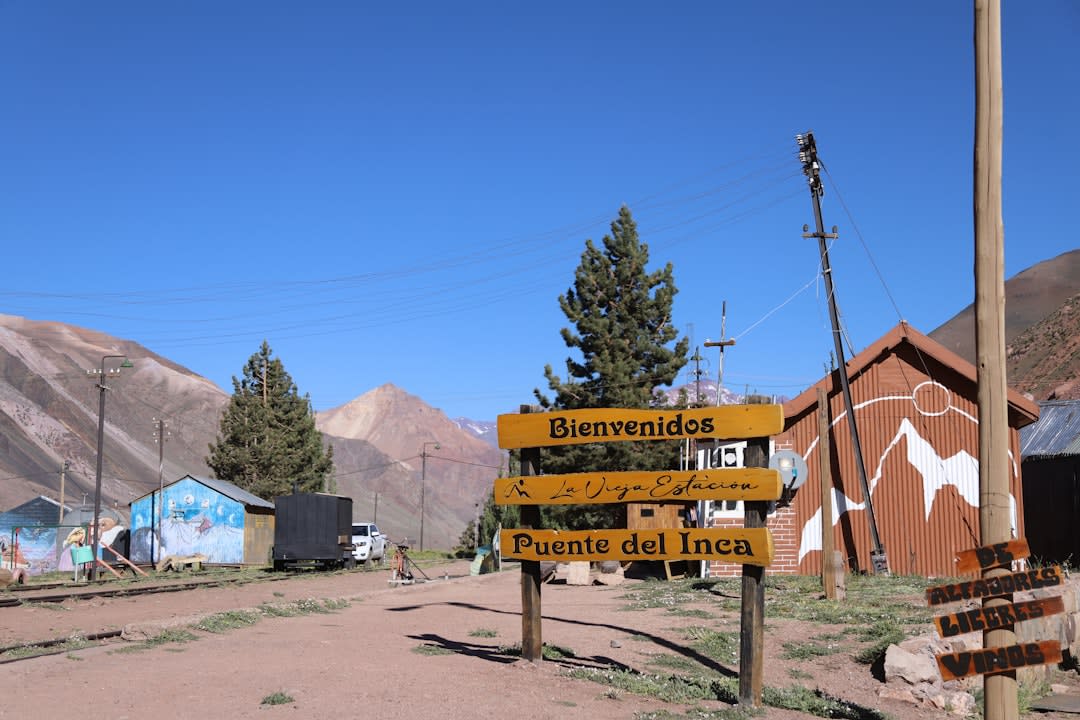
Beside the bridge sit the skeletal remains of a grand spa hotel, built in the early twentieth century to capitalize on the thermal waters and mostly destroyed by an avalanche and flood decades later. Walking through what’s left — archways, foundation walls, the ghost of a building that once drew European aristocrats to soak at the edge of the Andes — was stranger and more affecting than I expected from what I’d filed mentally as a quick roadside stop.
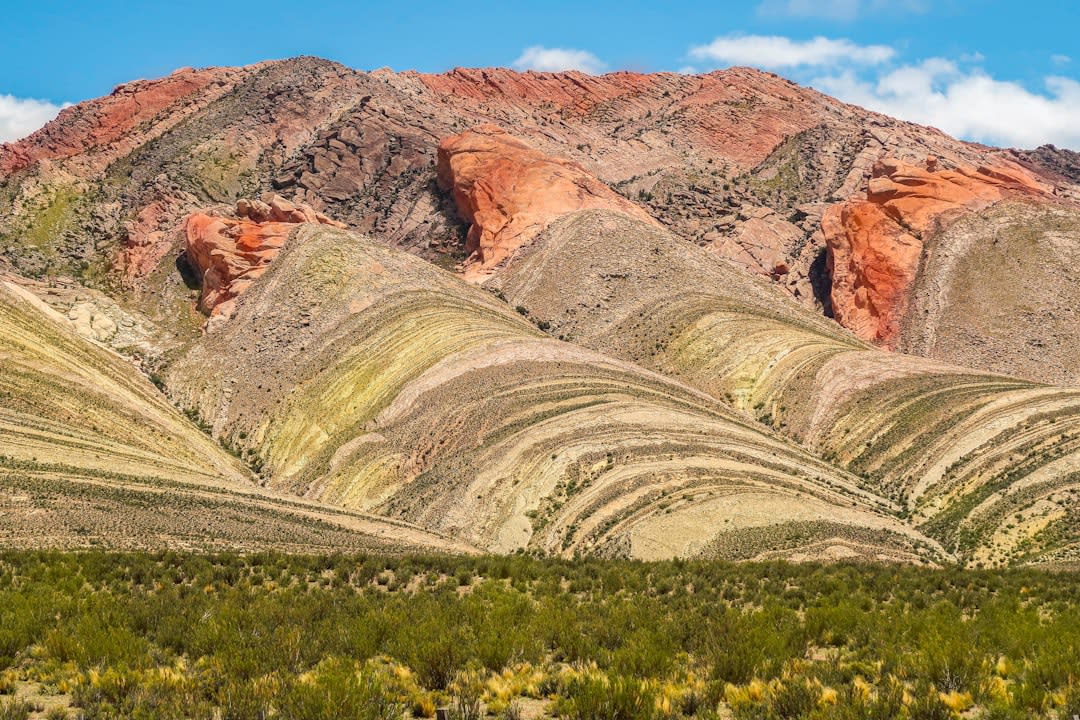
A small chapel and a row of vendor stalls selling mineral-crusted souvenirs mark the parking area, and a short walk uphill brings you to a war memorial with a clear view back down over the whole site, bridge and ruins and the road continuing on toward the Chilean border.
When to go: November through March for the most accessible mountain roads; the site sits along the route to Aconcagua and Chile, so pair it with an early-morning stop before the pass traffic picks up.
Keep exploring
More from Argentina
 argentina
 Puerto Deseado
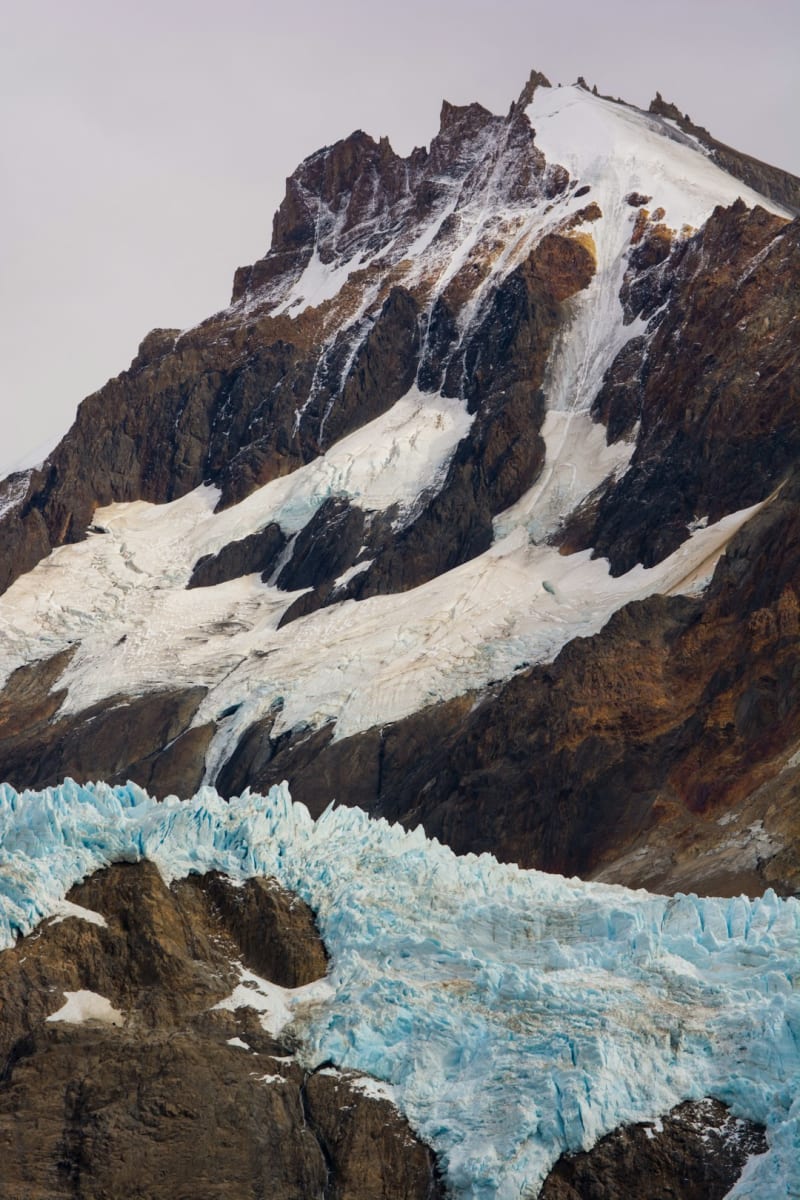
A remote Santa Cruz fishing town where fjord-like cliffs shelter penguin colonies and the world's only red-legged cormorant nesting site.
Explore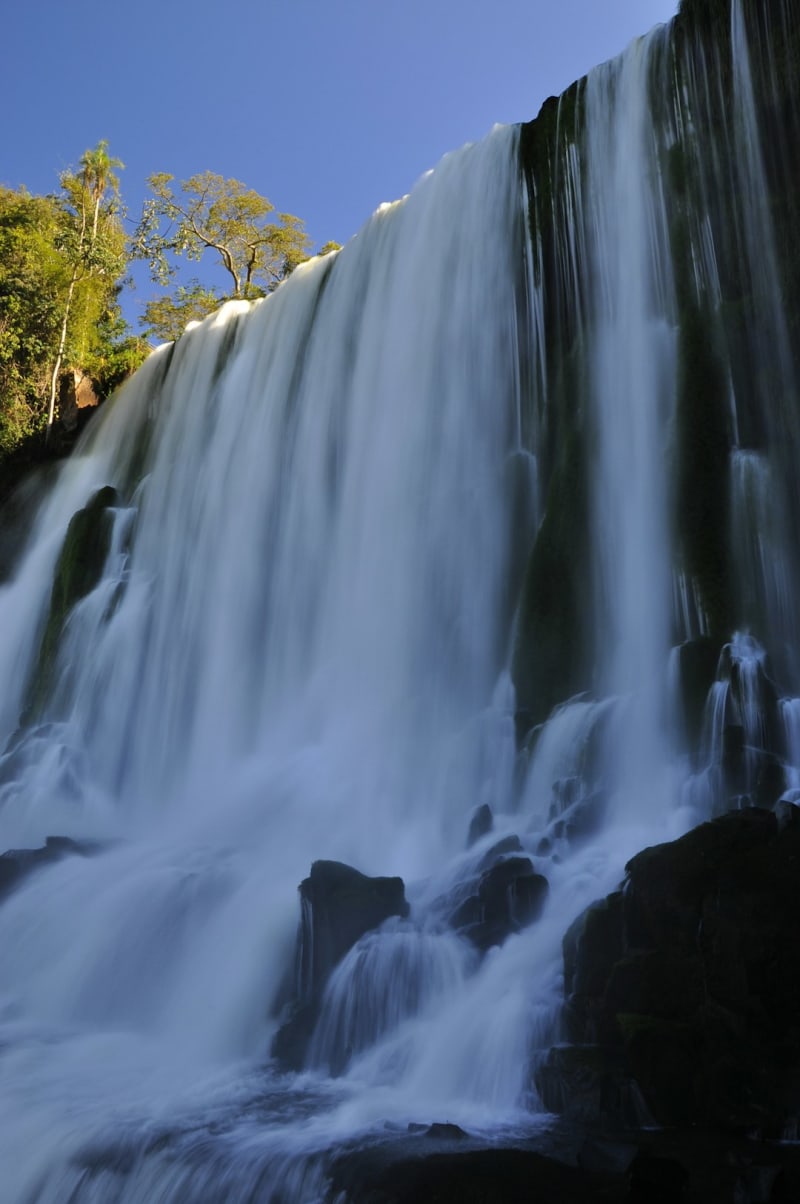 argentina
 Puerto Iguazú
The relaxed Argentine gateway town to Iguazu Falls, where the Paraná and Iguazú rivers meet three countries at once.
Explore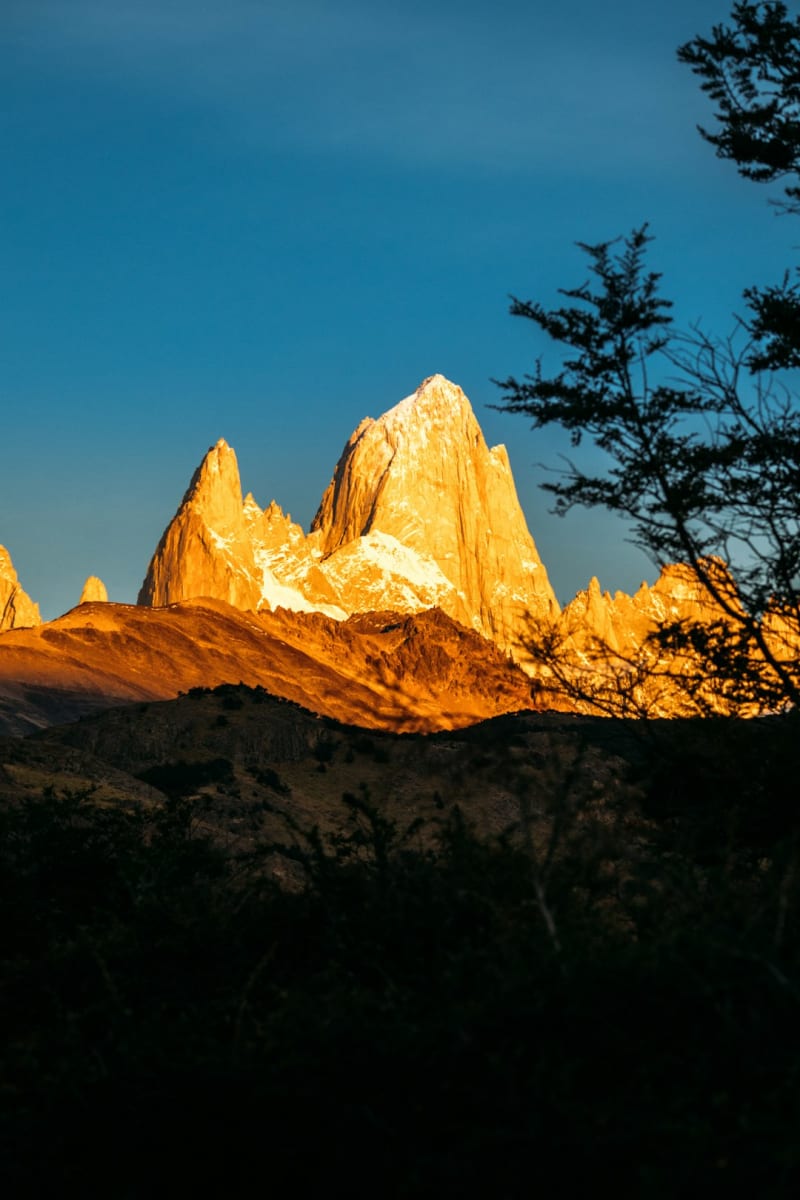 argentina
 Puerto Madero
Buenos Aires's glass-and-steel waterfront reinvention, built around a curved white pedestrian bridge and a wild ecological reserve.
Explore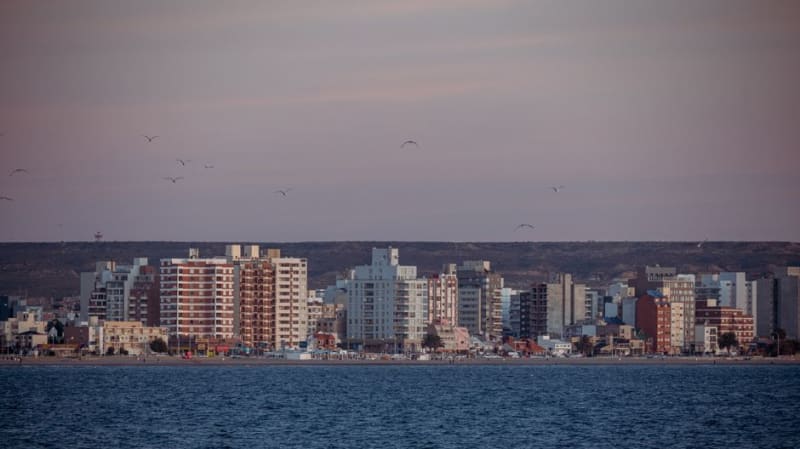 argentina
 Puerto Madryn
A low-key Atlantic coastal city in Chubut that serves as the gateway to whale watching and the wildlife of Peninsula Valdés.
Explore argentina
 Purmamarca
A tiny adobe village in Jujuy stacked against the seven-colored striations of Cerro de los Siete Colores.
Explore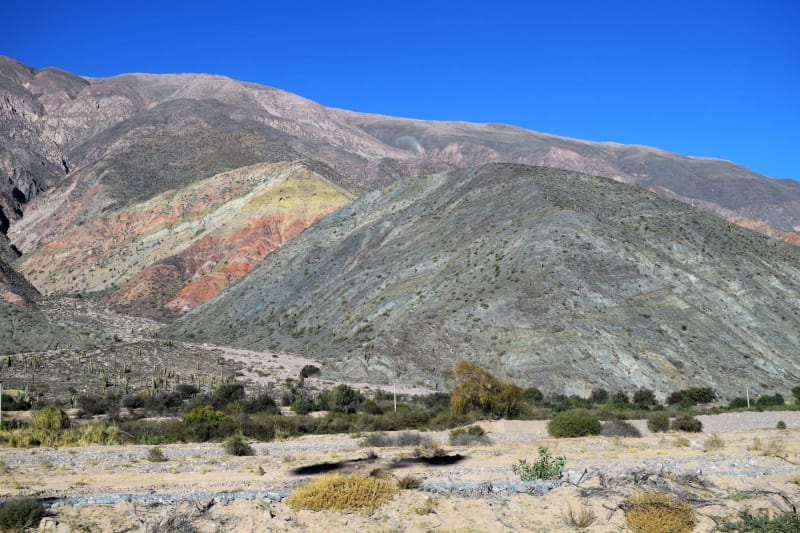 argentina
 Quebrada de Humahuaca
A UNESCO-listed gorge of 14 colors where ancient Andean cultures, cactus, and carnival traditions live together.
Explore