Paraná
"Santa Fe's neighbor across the water, and the one I'd actually choose to live in."
The hillside river capital of Entre Ríos, facing Santa Fe across the water with a quieter, greener disposition than its sister city.
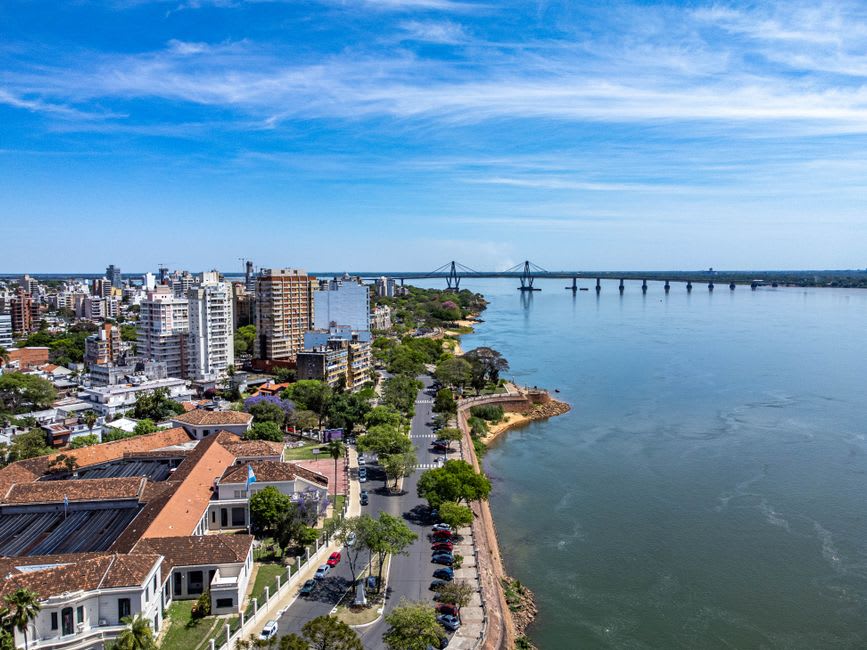
There’s a tunnel under the Paraná River connecting the city of Paraná to Santa Fe on the opposite bank, and I found something quietly remarkable about driving under one of the great rivers of South America in about three minutes and emerging into a completely different mood. Where Santa Fe feels colonial and settled, Paraná — capital of Entre Ríos province — climbs a series of low hills above the river and has a breezier, more residential feel, all leafy streets and balconies angled to catch the water view.
A City That Faces Its River
Paraná does something I hadn’t seen elsewhere on this river system: it actually looks at the water from a height. The Parque Urquiza runs along a bluff above the Paraná, and unlike the flat costaneras of Santa Fe or Rosario, here you get an elevated, almost balcony-like vantage over the river and the wetland islands scattered across it. We arrived in the late afternoon and just sat on a bench in the park for an hour, watching container barges move slowly upriver while kids played soccer on a strip of grass behind us.
The Old Center
The city center, around Plaza 1º de Mayo, briefly served as the capital of the entire Argentine Confederation in the 1850s under Justo José de Urquiza, and the Casa de Gobierno and the cathedral there still carry a certain provincial-capital gravity that feels disproportionate to how little most Argentines outside the region think about the city. Lia liked the cathedral’s interior more than she expected to — an unusually restrained neoclassical space, more light than ornament.
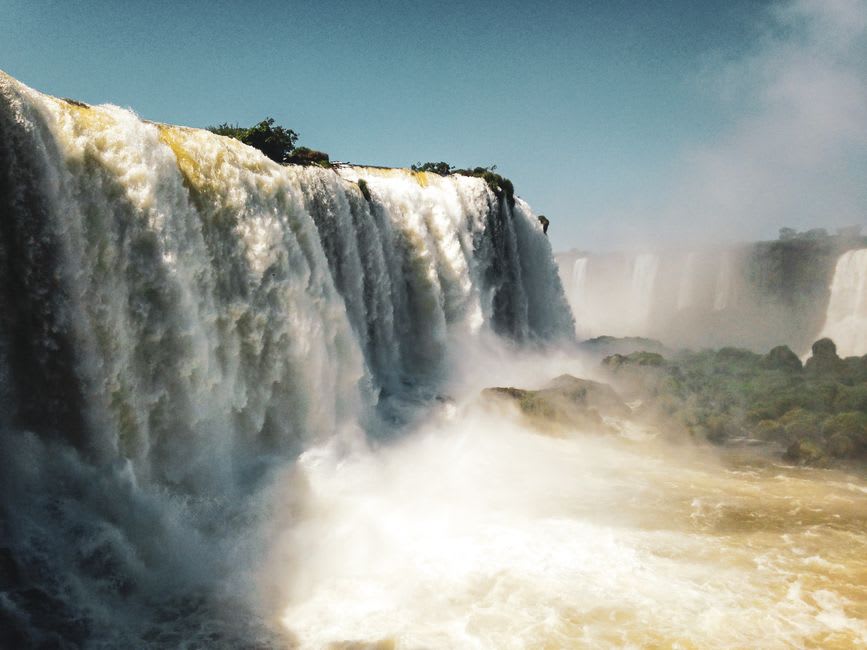
What stayed with me most, though, was a boat trip we took out among the Paraná delta islands just across from the city, a maze of channels and low forested land that floods and recedes with the river’s mood. Our boatman, a retired fisherman named Beto, navigated it entirely from memory, cutting the engine at one point so we could just drift and listen to the water moving through the reeds.
When to go: March through May and September through November for the most comfortable temperatures on the river. The delta boat trips run year-round but are most rewarding in the drier months when water levels make the channels easier to navigate.
Keep exploring
More from Argentina
 argentina
 Patagonia
The end of the world — vast steppe, glaciers calving into lakes, and winds that shape everything.
Explore argentina
 Perito Moreno Glacier
A five-kilometer wall of advancing ice that calves into Lago Argentino with a sound like artillery.
Explore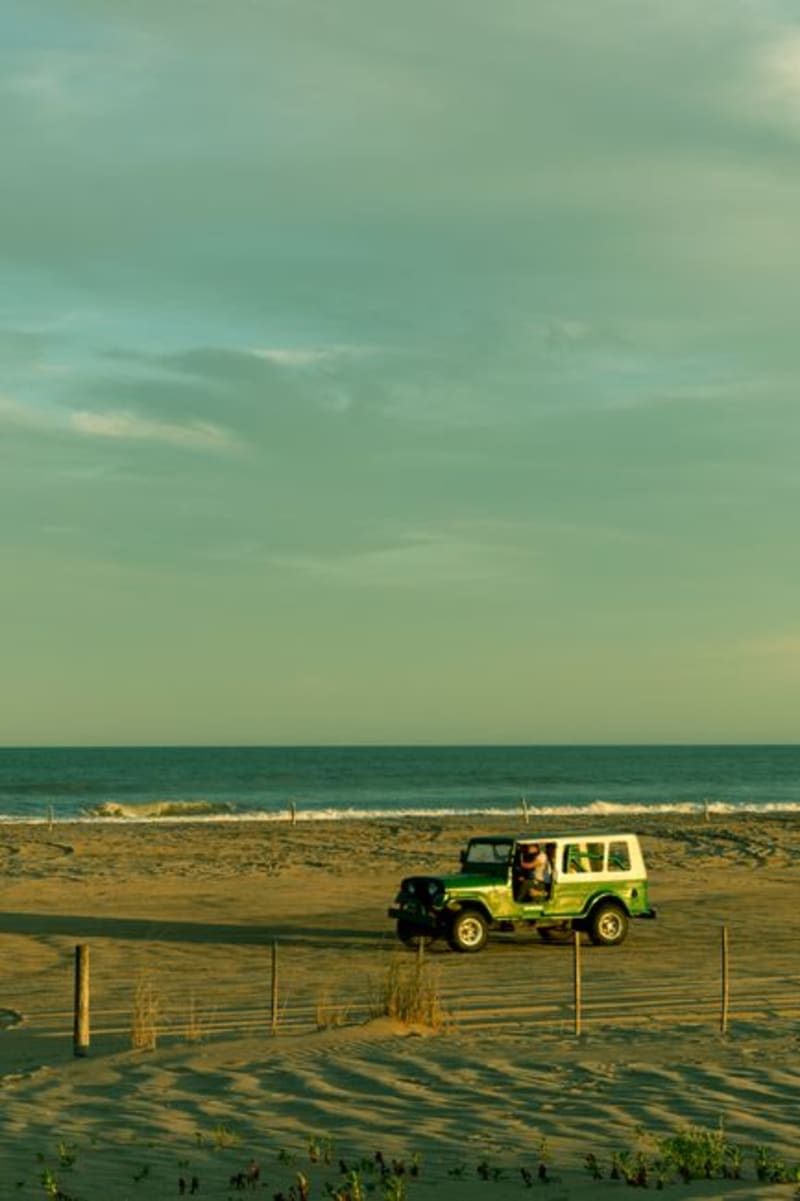 argentina
 Pinamar
A pine-forested beach resort on the Atlantic coast where Buenos Aires' upper crust builds architect-designed beach houses among the dunes.
Explore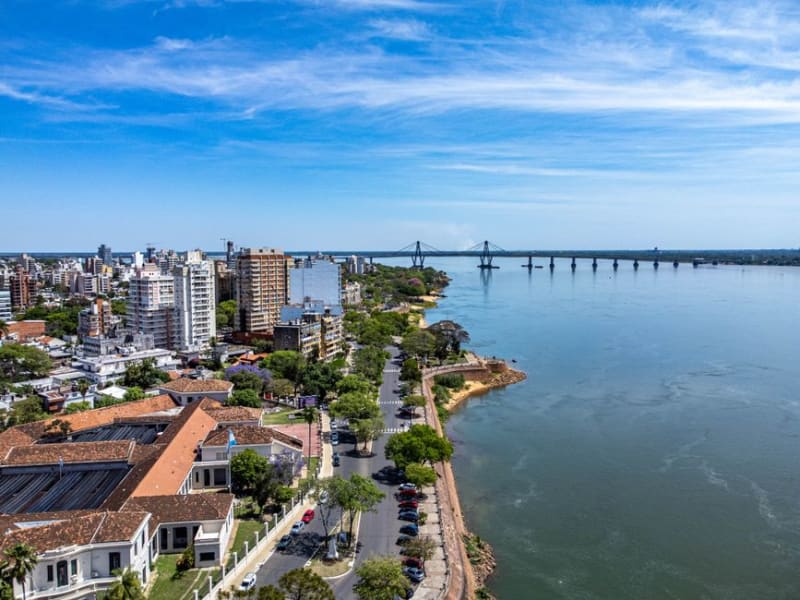 argentina
 Posadas
Misiones' river capital, rebuilt along a wide Costanera on the Paraná, with Paraguay visible across the water.
Explore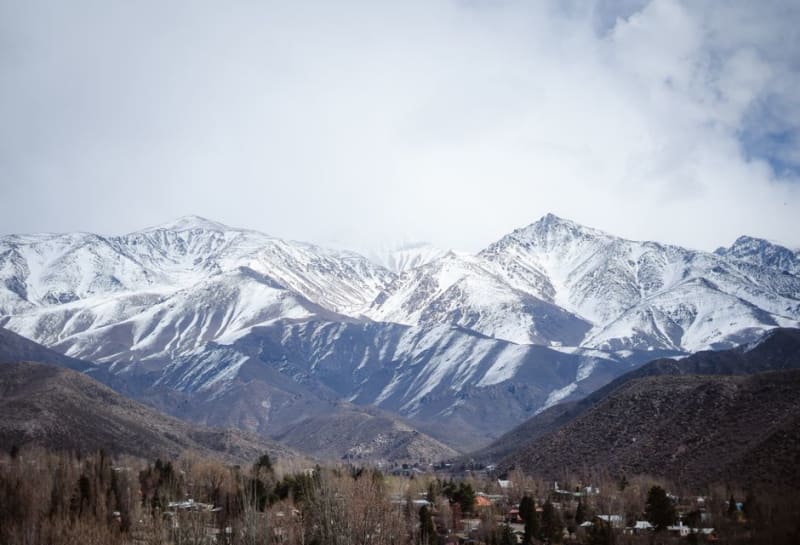 argentina
 Potrerillos
A turquoise mountain reservoir an hour from Mendoza city, and the launch point for the province's best adventure sports.
Explore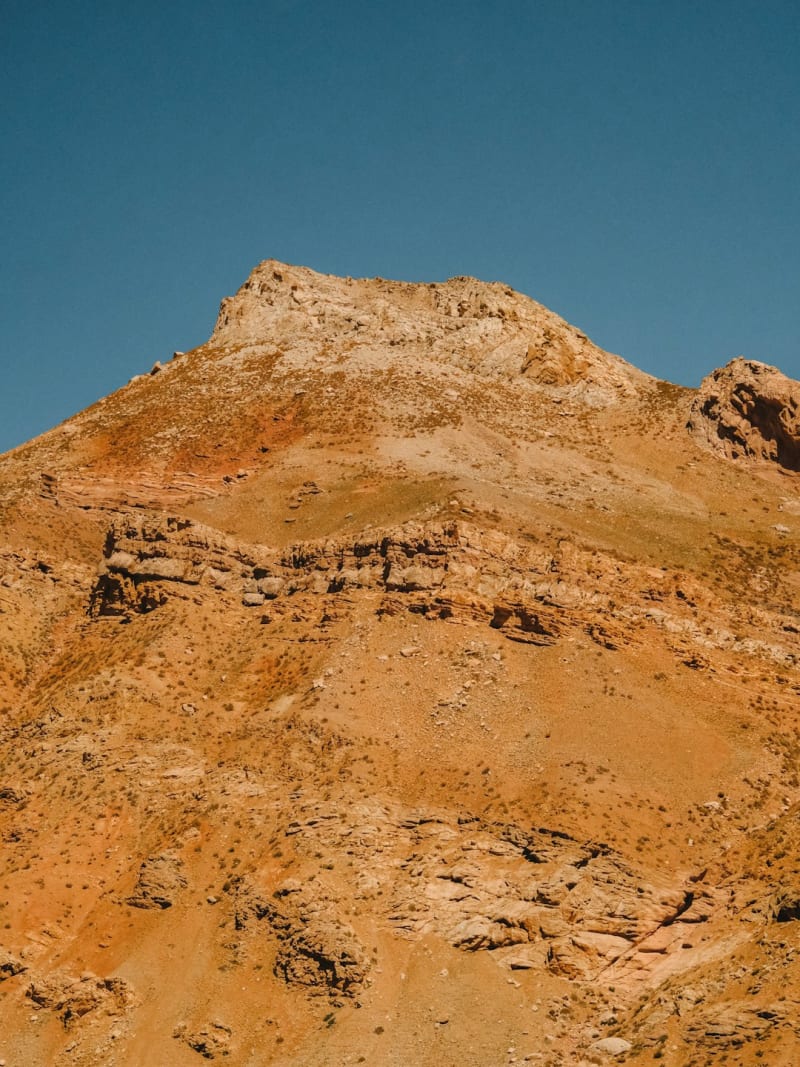 argentina
 Puente del Inca
A natural rock bridge stained sulfur-yellow by thermal springs, and the ruins of a spa town the mountain eventually reclaimed.
Explore