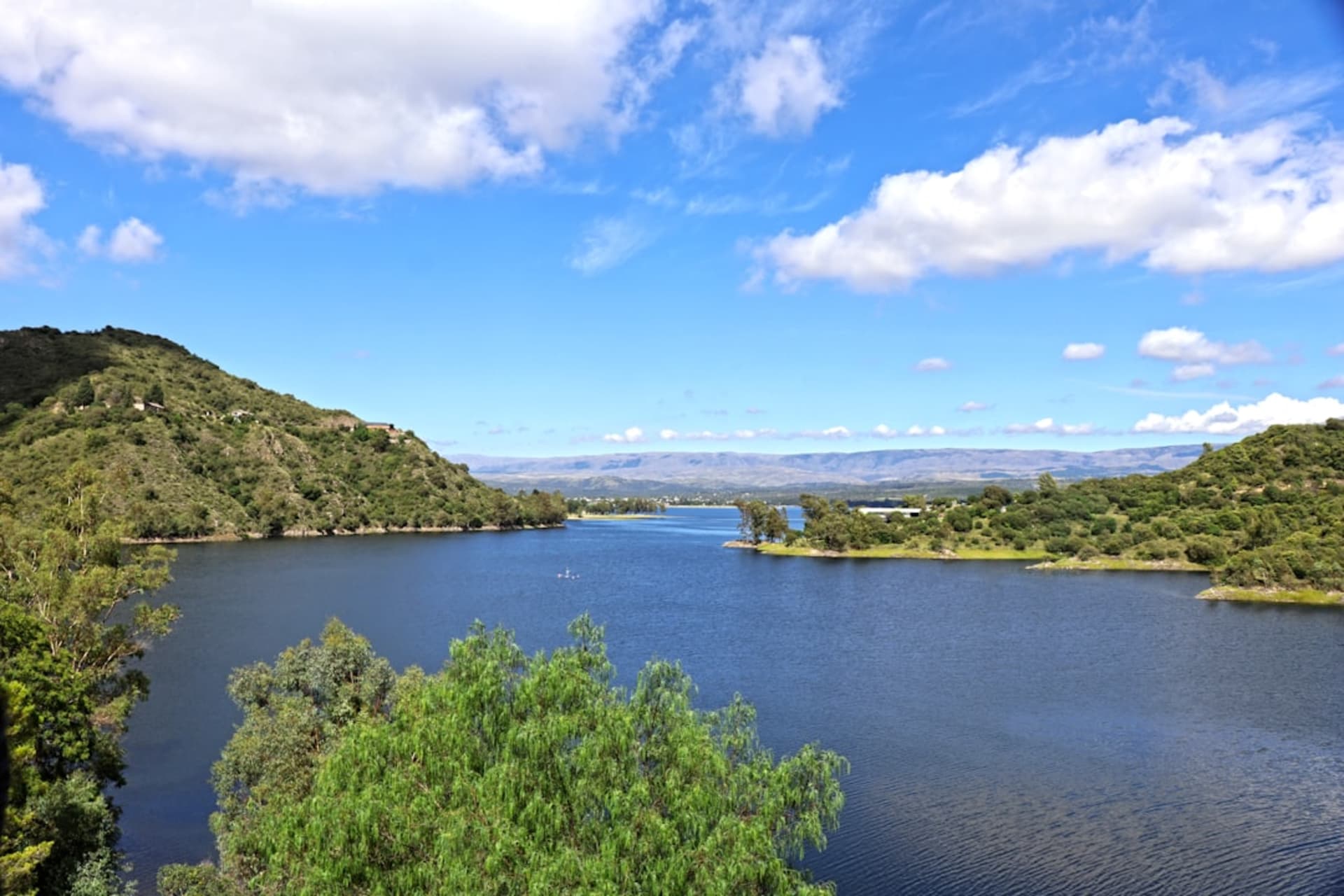
Molinos
"Cachi gets the road trippers. Molinos gets almost no one, and that's precisely its appeal."
A sleepy colonial wine town deep in the Calchaquí Valley, built around the restored 18th-century house of Salta's last royalist governor.
South of Cachi, the road through the Calchaquí Valley grows quieter with every kilometer, and by the time we reached Molinos there were more cardón cacti in view than cars. It’s a small town, barely a few thousand people, but it holds a genuinely surprising piece of history: the Hacienda de Molinos, an 18th-century adobe mansion built for Salta’s last Spanish royalist governor, who reportedly fled here after independence and lived out his life among the vines he’d planted. Part of it now operates as a hotel, and the rest is open enough that we wandered its courtyard uninvited and nobody seemed to mind.
The Church and the Valley’s Old Wine
The Iglesia de San Pedro Nolasco de los Molinos, facing the plaza, is one of the oldest churches in Salta province, its adobe walls thick enough to keep the interior cool even at the height of a valley afternoon that had us both sweating through our shirts. What struck me more, though, was the vineyard land surrounding the town — the Calchaquí Valley grows torrontés at some of the highest altitudes in the wine world, and Molinos has its own small bodegas producing wine on a scale so modest that most of it never leaves the valley.
Walking the Backstreets
We spent an afternoon just walking Molinos’ unpaved backstreets, past adobe houses with cactus-wood door frames and the occasional llama tethered in a side yard. Lia struck up a conversation with an older man repairing an irrigation channel by hand, the same acequia system that’s kept these valley vineyards alive since colonial times, and he talked us through the whole network with the patience of someone who had clearly explained it before but didn’t mind doing it again.
There’s very little in the way of formal tourism infrastructure here — no ticketed sights, no gift shops lining the plaza — and that absence is exactly what made an afternoon in Molinos feel like one of the more honest stops on the whole Calchaquí route.
When to go: April through November for dry roads and mild days. March brings the grape harvest, when the valley’s small bodegas are at their most active.
Keep exploring
More from Argentina
 argentina
 Necochea
An unpretentious Atlantic coast town famous for its dunes and the pine-and-lagoon expanse of Parque Miramar, a favorite of families rather than the fashionable crowd.
Explore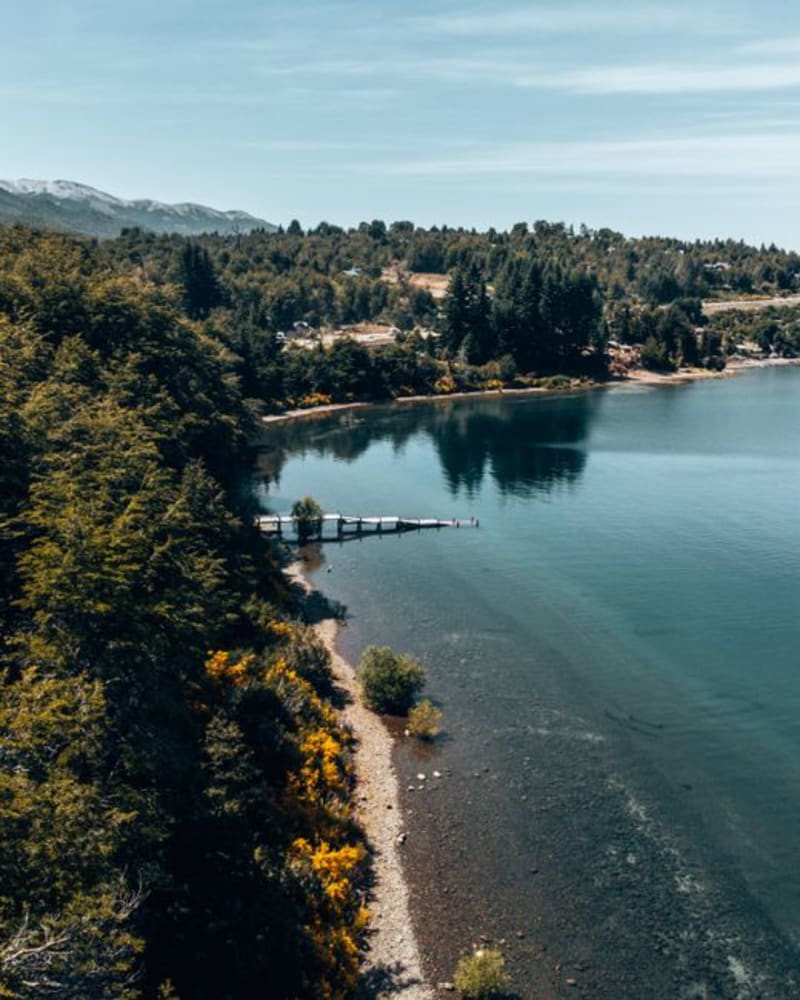 argentina
 Neuquén City
A booming oil-and-wine city at the confluence of two rivers, more modern Argentina than postcard Patagonia.
Explore argentina
 Nono
A small, unhurried Traslasierra town with quirky museums and a quiet river life, a short drive from Mina Clavero.
Explore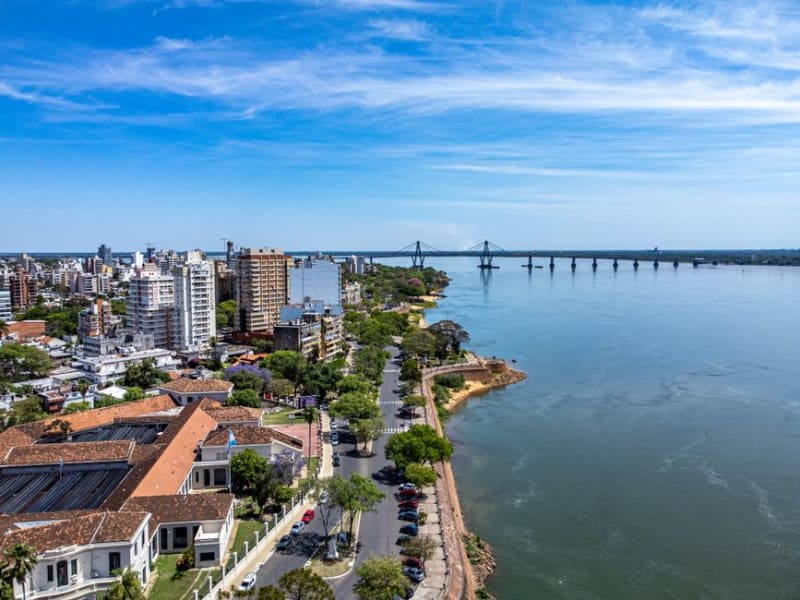 argentina
 Paraná
The hillside river capital of Entre Ríos, facing Santa Fe across the water with a quieter, greener disposition than its sister city.
Explore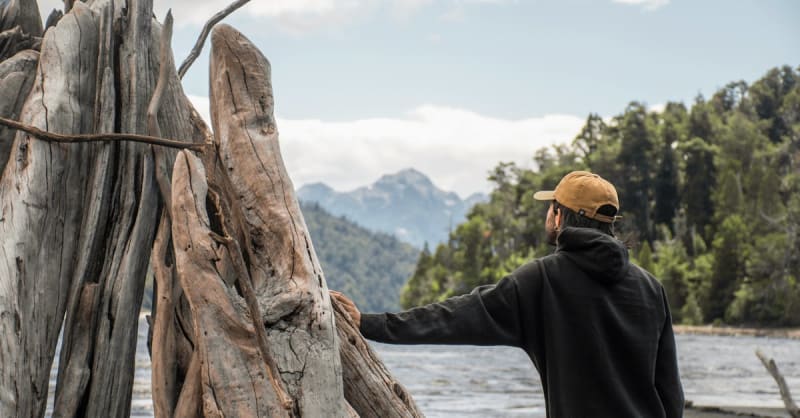 argentina
 Patagonia
The end of the world — vast steppe, glaciers calving into lakes, and winds that shape everything.
Explore argentina
 Perito Moreno Glacier
A five-kilometer wall of advancing ice that calves into Lago Argentino with a sound like artillery.
Explore