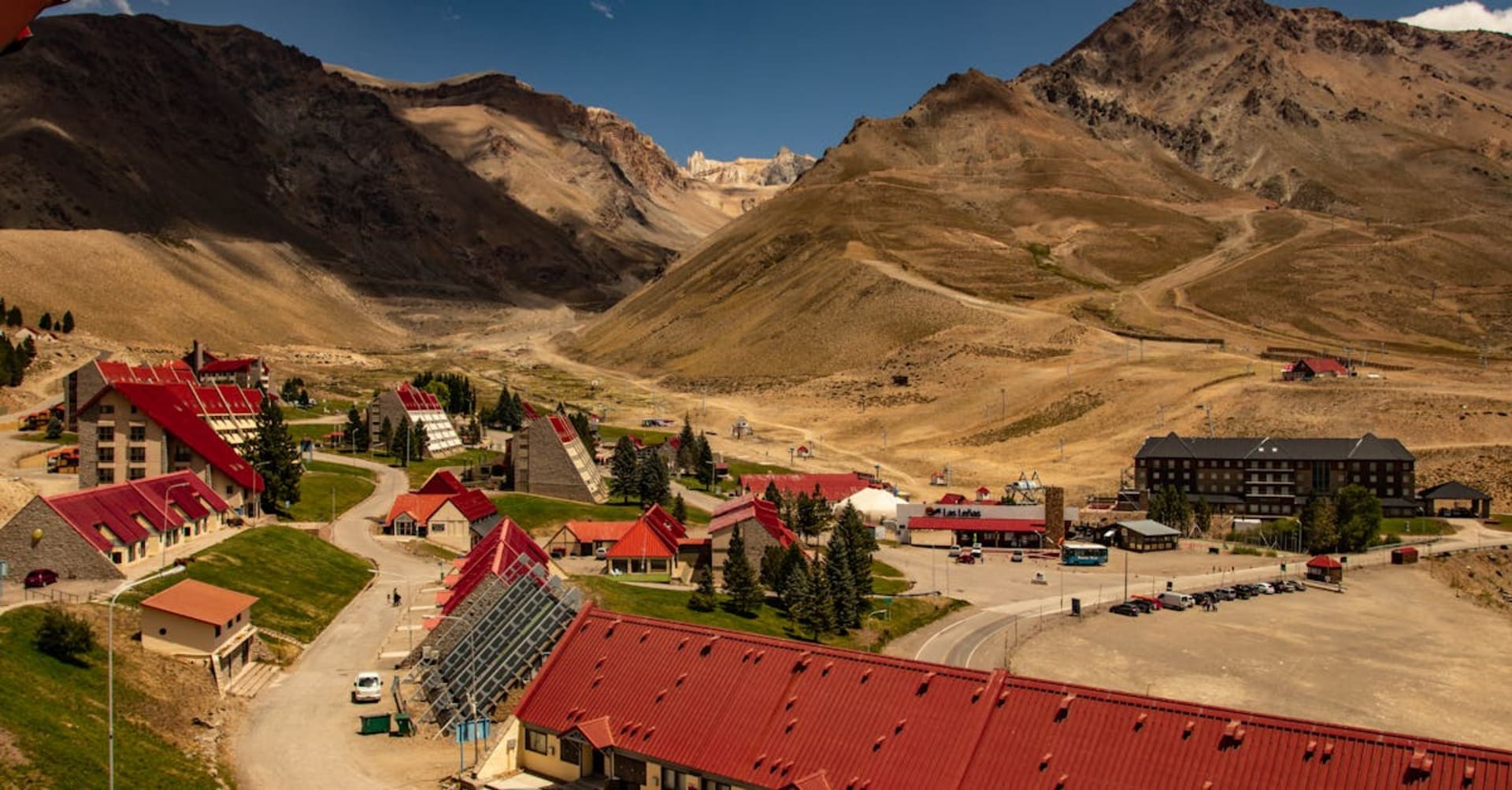
Argentina's wine capital — Malbec country set against the dramatic backdrop of the Andes.
Mendoza hooked me with a contradiction before I even uncorked a bottle. It is a desert — arid, sun-hammered, receiving barely more rainfall than the Sahara — yet it produces some of the most celebrated wines I have ever tasted. The secret is snowmelt. The Andes, that immense wall of rock and ice rising to the west, feed an ancient network of irrigation channels that the Huarpe people engineered centuries before the Spanish arrived. Water flows down from glaciers into canals that line Mendoza’s avenues with sycamores and plane trees, turning a parched valley into an improbable garden. When Lia handed me my first glass of local Malbec on the terrace of our guesthouse, I remember thinking: this wine is, in some sense, liquefied mountain.
We spent two days cycling through the bodegas of Luján de Cuyo, a sprawl of vineyards south of the city dominated by old-vine Malbec that has been growing in this soil for over a century. The wines tend toward power and depth — dark fruit, leather, smoke — and the tasting rooms ran the full spectrum: a family operation where the winemaker himself poured at a wooden table, then an architectural statement by Bormida & Yanzón, all concrete and glass angled to frame the Andes. We took the tree-shaded back roads between wineries, the cordillera filling the entire western sky, and I understood then why people keep coming back to Mendoza. It is one of Argentina’s great simple pleasures, and it asks almost nothing of you beyond showing up.
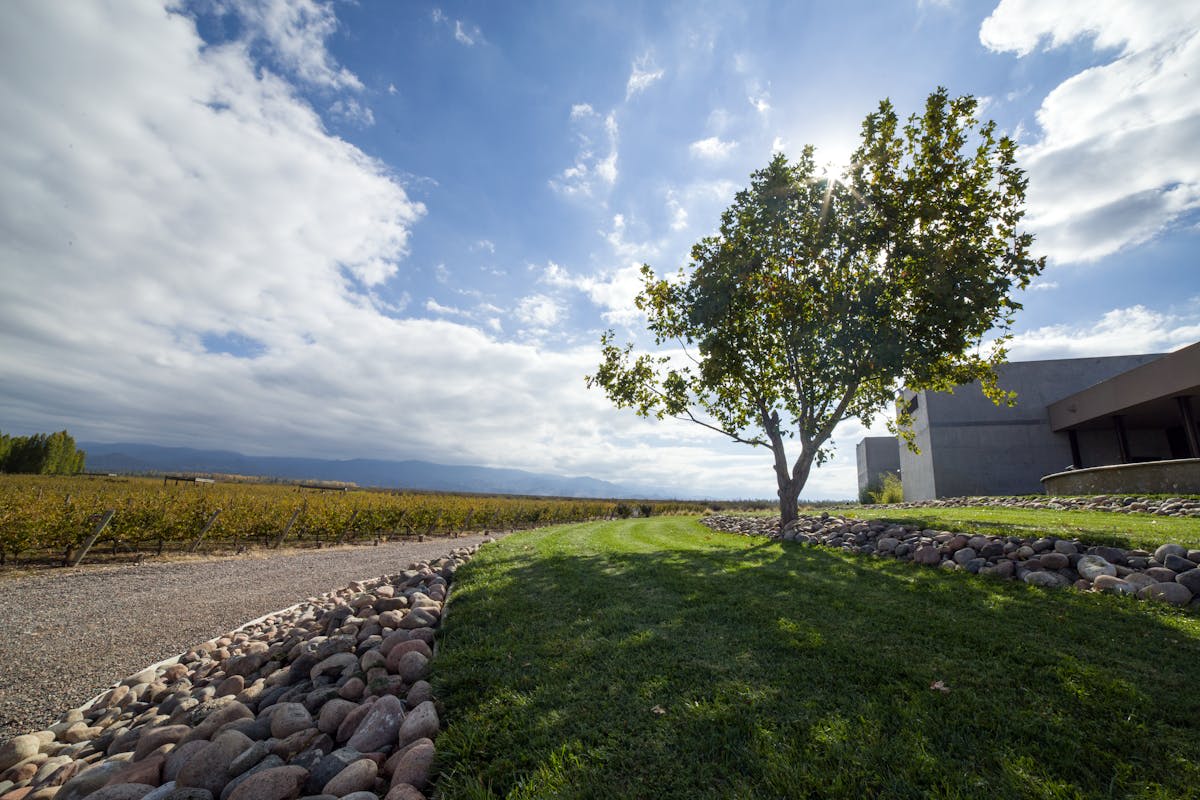
The Uco Valley, an hour south, sits higher and cooler, and I felt the difference immediately in the wines — brighter acidity, more mineral tension, a precision that the lowland wines sometimes trade for generosity. Valle de Tupungato and Paraje Altamira have become the names serious collectors whisper about, and the bodegas here are newer, bolder, many built as destination estates with restaurants attached. We had a long lunch at one — a parade of small courses matched to single-vineyard bottles we couldn’t find outside the valley, the Andes so close they seemed to lean over the table. It was the kind of meal that reorganizes your understanding of what wine country can be. I stopped taking notes halfway through and just ate.
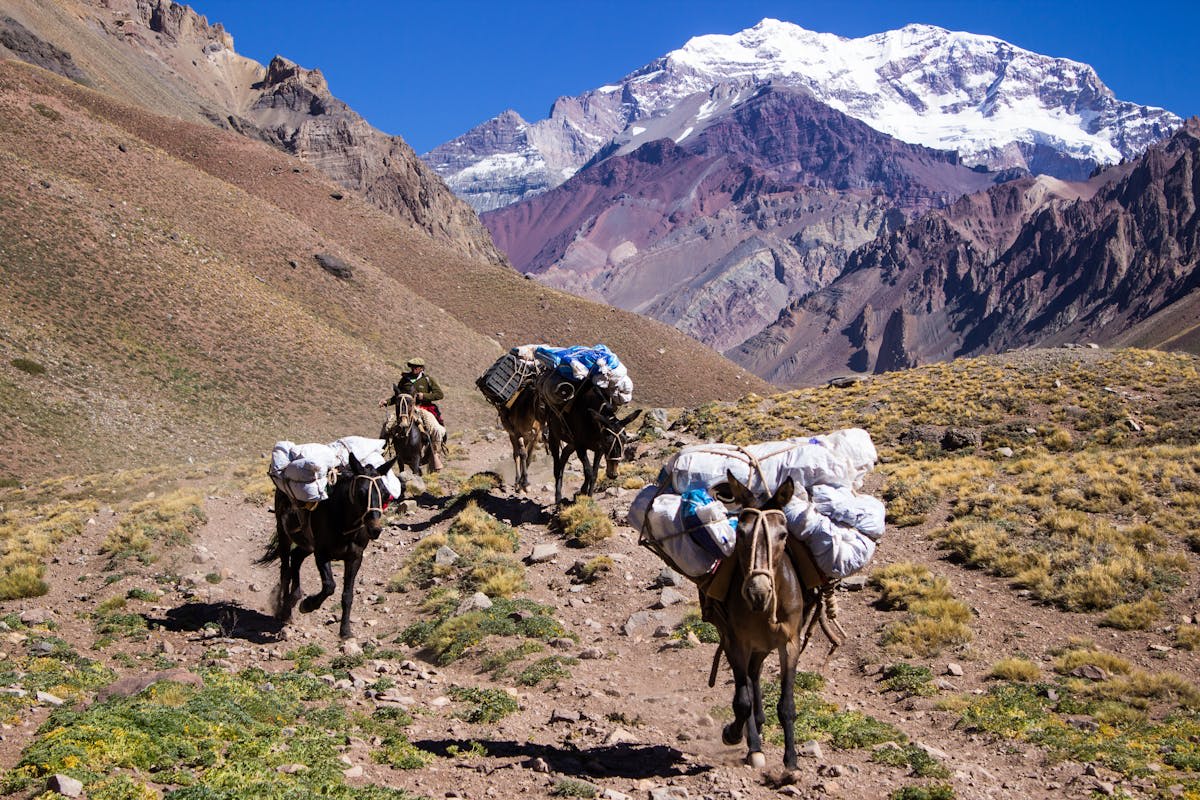
Beyond the vines, I convinced Lia to drive the alta montana route west toward the Chilean border through mountain scenery that made both of us go quiet. The road climbs past Uspallata — the wide valley where the Andes begin their serious work — through Villavicencio’s serpentine switchbacks and onward to Puente del Inca, a natural stone bridge stained sulfurous yellow by mineral springs. Aconcagua, the Western Hemisphere’s highest peak at 6,961 meters, appeared from several points along the route, its summit trailing a plume of ice crystals in the jet stream. I didn’t climb it. I didn’t need to. Simply standing in its shadow recalibrated my sense of scale in a way I hadn’t felt since the first time I saw the Atlantic from the Normandy cliffs.
Mendoza’s food scene extends well beyond the parrilla, though the parrilla we found on our second night was magnificent. Olive oil is produced here with the same seriousness as wine — I did a tasting flight of extra virgin pressed from Arauco olives that had an almost grassy intensity I wasn’t expecting. The city’s contemporary restaurants are doing interesting things: local goat cheese, smoked trout from mountain streams, hand-rolled pasta paired with regional wines in ways that feel both rooted and inventive. And the Mercado Central became my morning ritual — stalls heaped with olives, dried fruits, spices, empanadas pulled from the oven at all hours. I bought a jar of Arauco olive oil to bring back to Mexico. It lasted two weeks.
The city itself moves at a pace I found genuinely restorative. Wide avenues shaded by centuries-old trees converge on plazas where families gather on warm evenings and cafe tables spill onto sidewalks. Mendocinos are unhurried, sun-softened, generous with their time in a way that reminded me of certain towns in the south of France. The acequias — the old irrigation channels — still run along the gutters, their quiet trickle a constant reminder that everything green and alive in this valley is a small miracle of engineering and persistence. I sat next to one for an hour one afternoon with a coffee and the remaining half of a bottle from the day before. It felt like the correct thing to do.
When to go: March through May for harvest season, when the bodegas hum with activity and the annual Vendimia wine festival transforms the city. September through November brings spring blossoms and mild temperatures ideal for cycling. Summer (December through February) is hot but dry, perfect for mountain excursions at higher altitudes.
What most guides get wrong: Every itinerary I read before arriving treated Mendoza as a one-dimensional wine destination — arrive, drink, leave. What I didn’t expect was how much the alta montana route would affect me, or how good the city itself is for simply wandering. Give it at least four days. The wine requires time, but so does everything else here.