Las Grutas
"Somewhere on the Patagonian coast, someone forgot to tell the water it's supposed to be freezing."
A Rio Negro beach resort where the Atlantic runs unusually warm and Argentine families come to swim rather than just watch the waves.
Las Grutas broke a rule I’d assumed was fixed about Patagonian beaches: that they exist for looking at, not for swimming in. Lia and I detoured here on the drive between Viedma and Puerto Madryn, mostly out of curiosity about the name — “the grottoes” — and stayed an extra day once we understood what made this stretch of San Matías Gulf coastline genuinely different.
Warm Water, Explained
The gulf here is shallow and largely enclosed, which means the water heats up through the Patagonian summer far more than the open Atlantic further south, reportedly reaching the low twenties Celsius in January and February. That doesn’t sound dramatic written down, but after weeks of admiring cold, wind-lashed Patagonian coastline from a respectful distance, actually wading in without gasping felt like a small rebellion. Argentine families come from Buenos Aires and across the interior specifically for this, and the beach in high season has a genuinely festive, packed-towel energy I hadn’t encountered anywhere else on the Patagonian coast.
The Grottoes Themselves
The town’s name comes from a series of small caves and grottoes carved into the low ochre cliffs along the shore, exposed and hidden again by the tide. We walked the tide-pool line at low water, ducking into a couple of the shallower grottoes, and found them cool and mineral-smelling, clearly a magnet for kids on school holidays who treated the whole cliffside like a natural jungle gym. A short walk further, sea lions haul out on the rocks near Punta Bermeja, close enough to town that we saw them on an early bike ride before the beach crowds arrived.
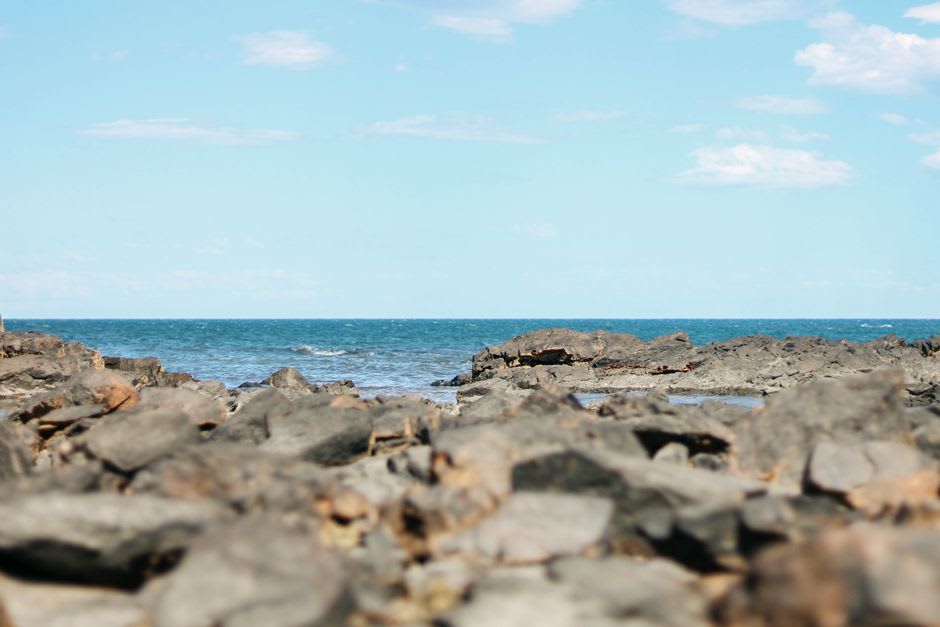
Lia pointed out, correctly, that Las Grutas felt more like a slice of the Uruguayan or Brazilian coast transplanted into Patagonia than the Patagonia we’d been building an image of for weeks. It’s a fair read. The town leans hard into that identity — ice cream stands, beach paddle games, a boardwalk lined with rental umbrellas — and after the wind and solitude further south, we didn’t mind one bit.
When to go: December through March for warm swimming water and full beach season, though it gets genuinely crowded in January. Visit in the shoulder weeks of December or March for a calmer version of the same warm water.
Keep exploring
More from Argentina
 argentina
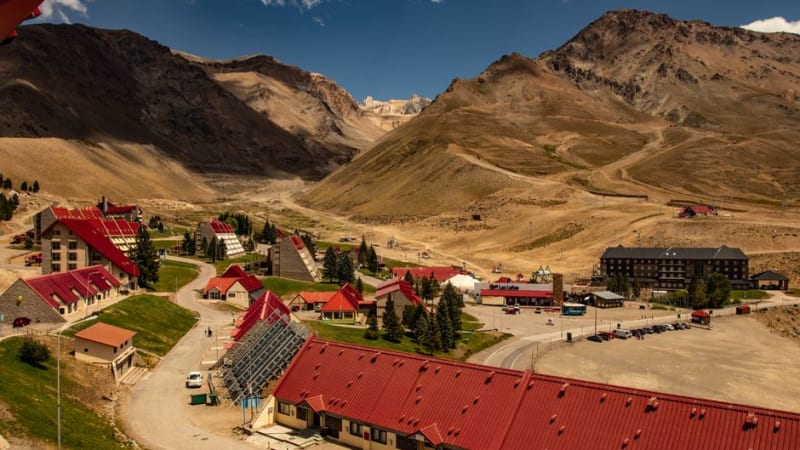
 Las Leñas
A remote Andean ski resort in southern Mendoza, known for steep off-piste terrain and long, near-empty runs.
Explore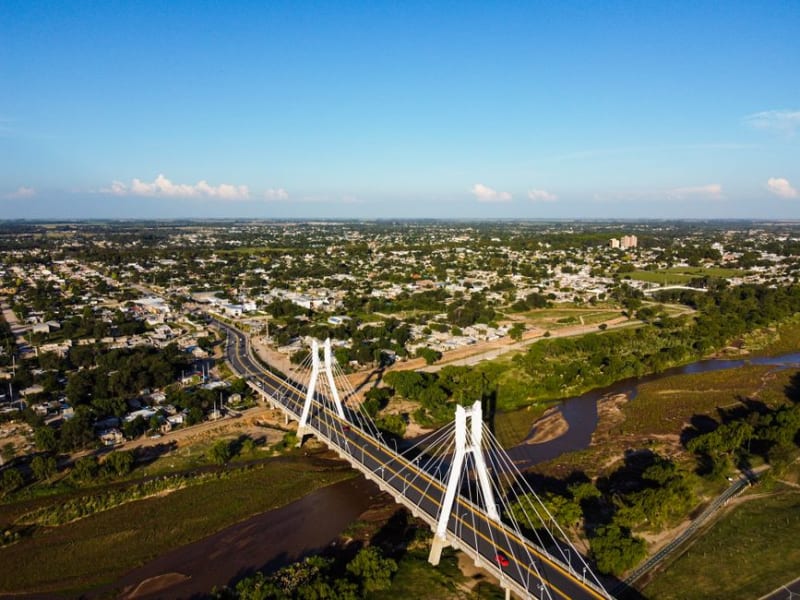 argentina
 Luján
A pilgrimage town on the pampas built entirely around a neo-Gothic basilica and Argentina's patron saint.
Explore argentina
 Luján de Cuyo
Mendoza's premier Malbec appellation, where the province's oldest and most prestigious bodegas cluster along tree-lined lanes.
Explore argentina
 Maipú
Mendoza's original wine district, best explored by rented bicycle between century-old bodegas and olive groves.
Explore argentina
 Malargüe
A remote southern Mendoza town, gateway to the volcanic Payunia reserve and some of the darkest skies in Argentina.
Explore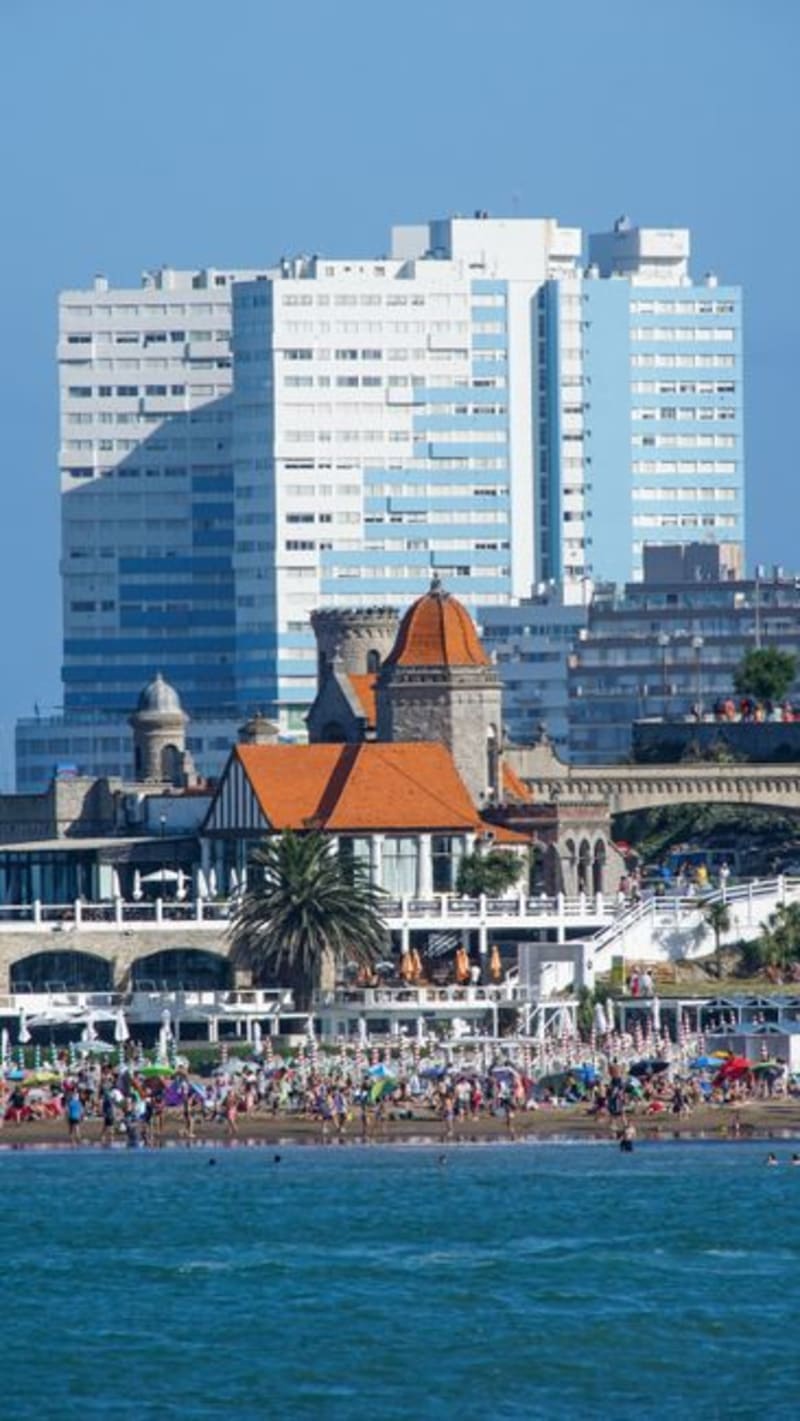 argentina
 Mar del Plata
Argentina's biggest beach resort, where the entire country seems to show up every summer at once.
Explore