A car-free alpine village in the Cordoba sierras, reached on foot through pine forest to stone lodges and mountain streams.
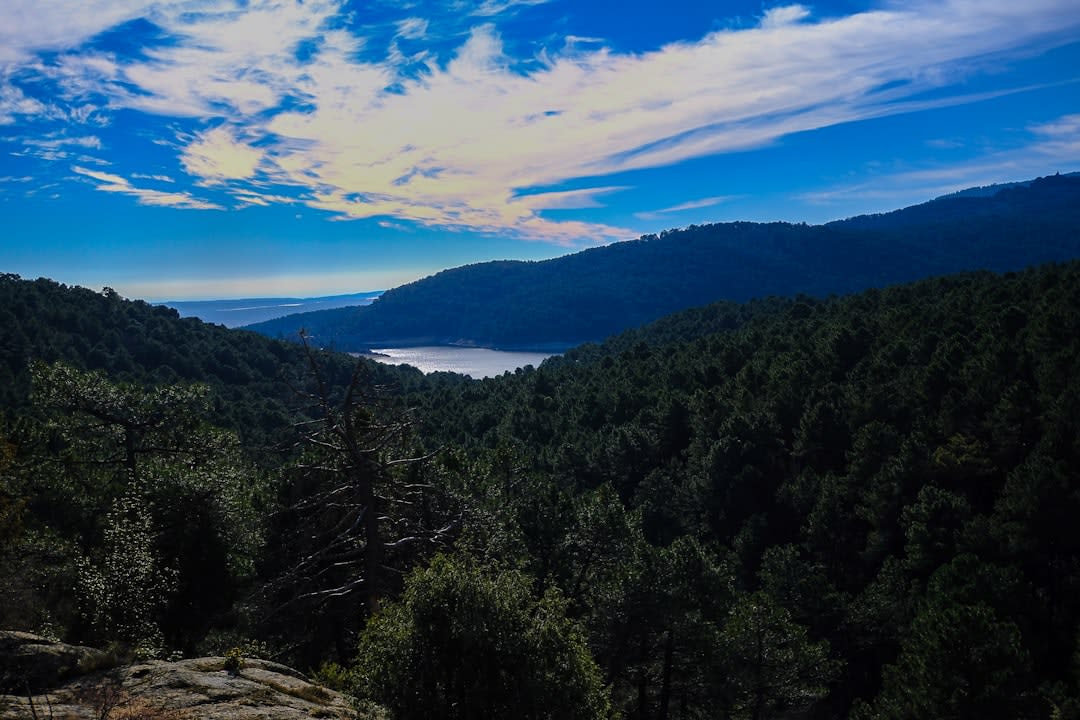
You park at the entrance to La Cumbrecita and you walk in, and that single fact reorganizes the whole experience before you’ve even seen the village. There’s a small lot at the edge of town, a footbridge over a stream, and then a forest track that climbs gently through pines planted by the Swiss and German families who founded the place in the 1930s. It took Lia and I about fifteen minutes to reach the first stone lodge, and in that time the sound of the road behind us had already disappeared entirely, replaced by birdsong and running water.
A Village Without Traffic
La Cumbrecita sits at over 1,400 meters, and the altitude combined with the total absence of vehicles gives it a hush I haven’t found elsewhere in the sierras. The buildings are stone and timber, steep-roofed against snow that does occasionally fall in winter, and they’re scattered along a network of footpaths rather than streets — you navigate by bridge and trail marker rather than street sign. We stayed two nights in a small lodge with a wood stove, and the owner told us the town’s founding families deliberately banned cars from the start, wanting something closer to an Alpine hamlet than an Argentine tourist town. It worked. It still works.
Waterfalls and the Cascada Grande
The main walk out of the village follows the Rio del Medio down to the Cascada Grande, a waterfall dropping into a pool cold enough to make the local kids shriek every time they jumped in — which, undeterred by the temperature, they did constantly. The trail is easy, maybe forty minutes each way, shaded by pine most of the route, with the water audible before it’s visible around the last bend. We got there mid-afternoon and had it almost to ourselves for twenty minutes before a group of Cordobese teenagers arrived with speakers and considerably more energy than either of us had left.
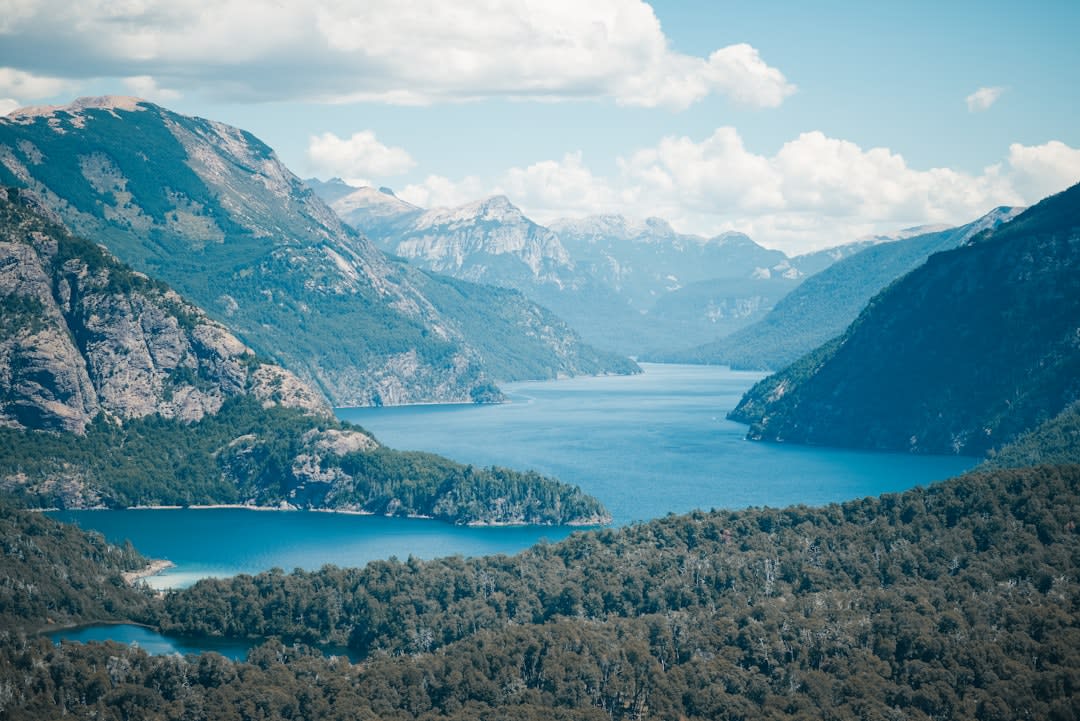
Further out, longer trails climb toward viewpoints over the Valle de Calamuchita, and in winter a small area operates basic snow activities — a novelty this far north, and treated by Argentines with the enthusiasm of people encountering snow for the first time, which for some of them, it is.
When to go: December through February for warm days and swimmable pools; July for a rare taste of sierra snow. Shoulder months of April-May and September-October keep the crowds down while the forest stays green.
Keep exploring
More from Argentina
 argentina
 La Quiaca
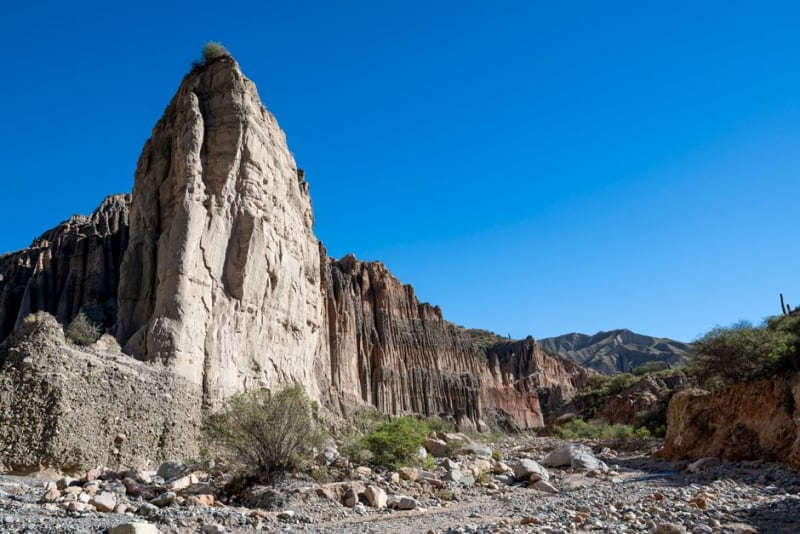
Argentina's northernmost border town, a windswept outpost on the Bolivian frontier at the edge of the Puna.
Explore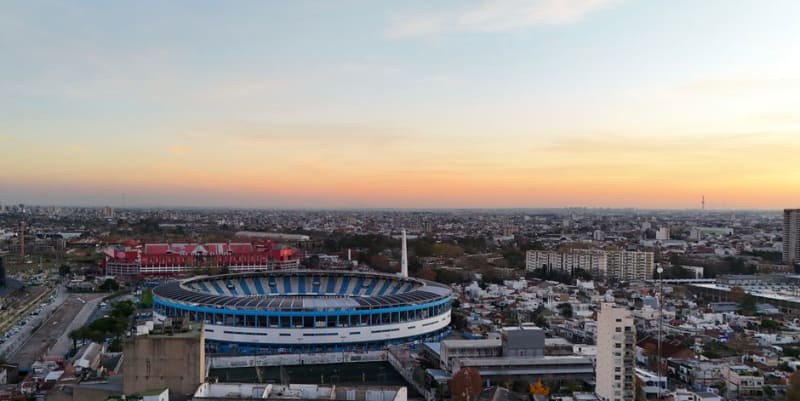 argentina
 La Rioja City
A colonial city in the Andean foothills surrounded by olive groves, with a slower pulse than any other provincial capital I've visited in Argentina.
Explore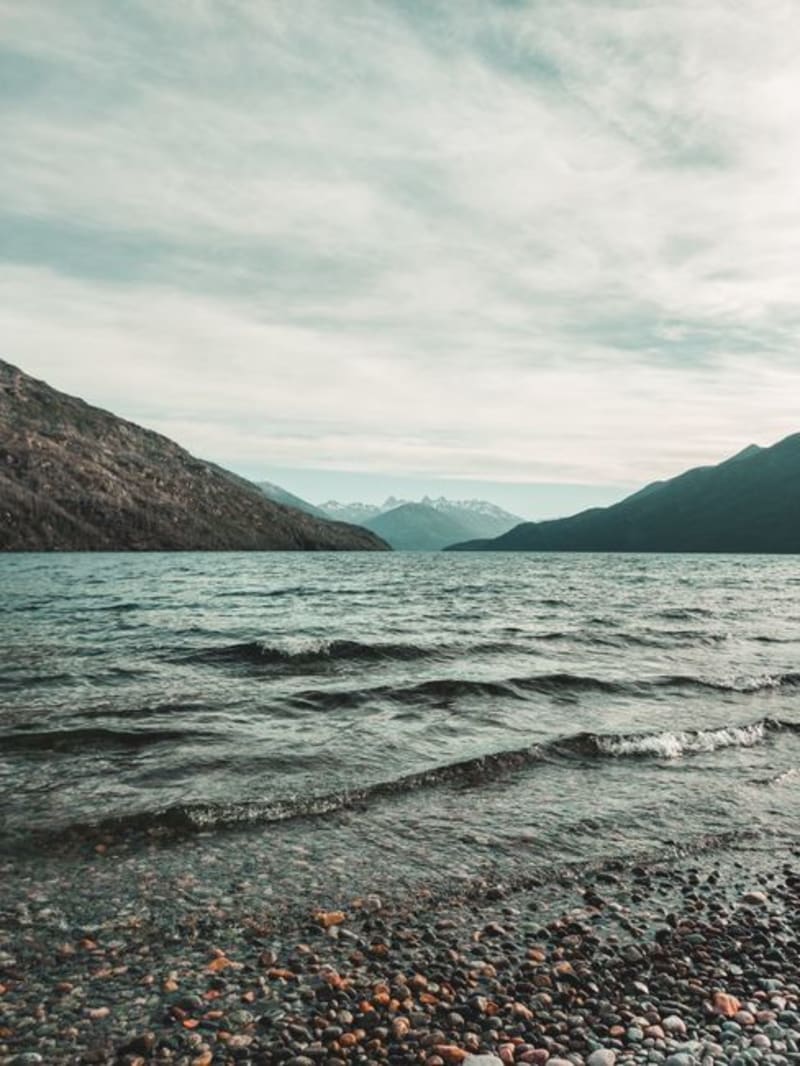 argentina
 Lago Argentino
Argentina's largest lake — a glacial-fed expanse of turquoise water threading between icebergs and ice walls.
Explore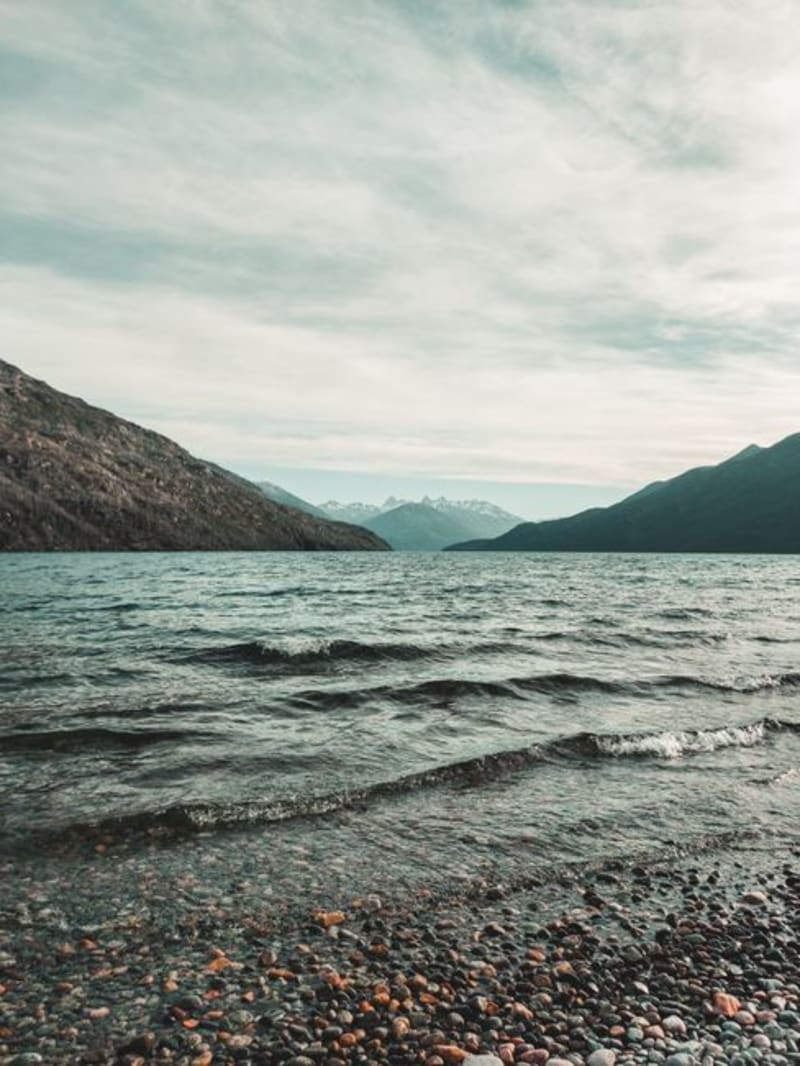 argentina
 Lago Puelo
A small national park town near El Bolsón, its lake so warm and clear it feels imported from a different climate.
Explore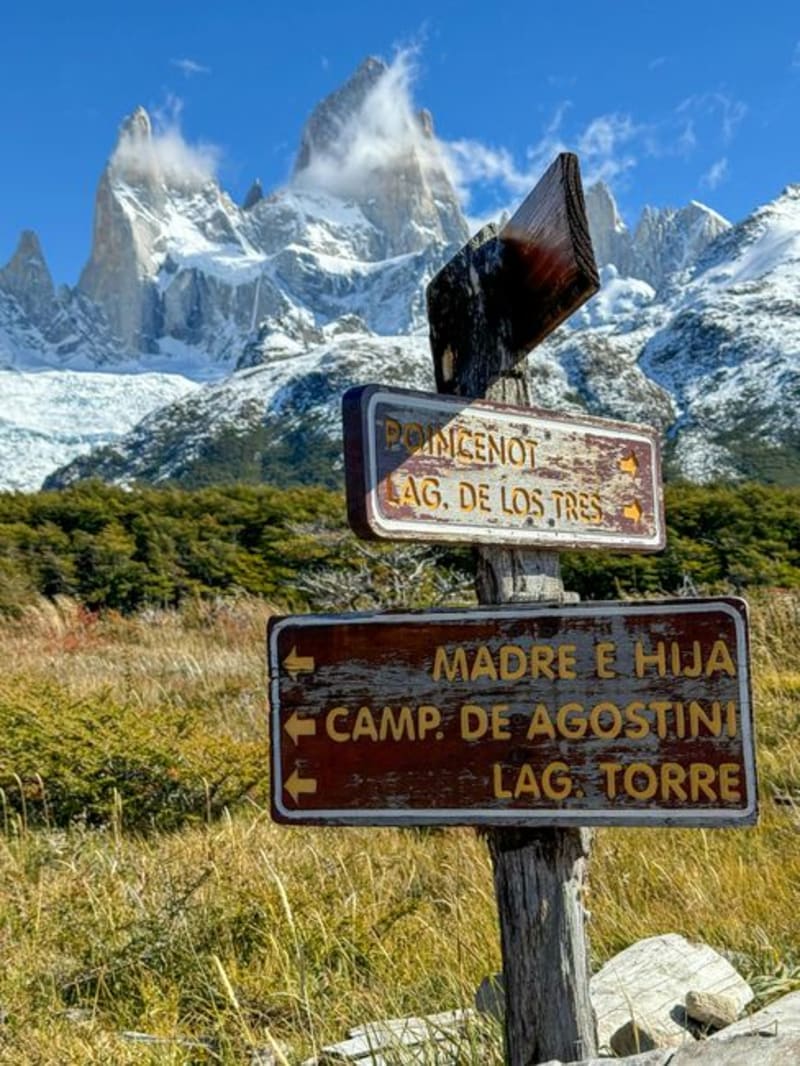 argentina
 Laguna Torre
A windswept glacial lake beneath Cerro Torre's improbable granite needle — El Chalten's quieter trek.
Explore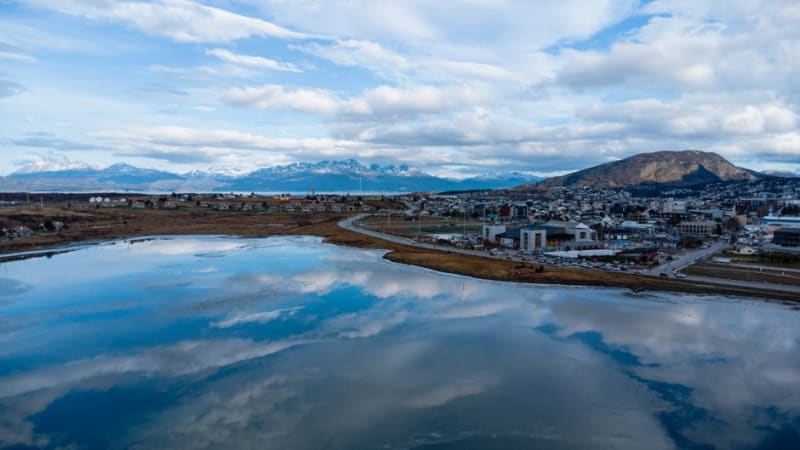 argentina
 Lapataia Bay
The literal end of the Pan-American Highway — a quiet bay where Ruta Nacional 3 finally runs out of continent.
Explore