Gualeguaychú
"I did not expect a river town this size to out-party Rio in my memory, but here we are."
The carnival capital of Argentina, a river town on the Uruguay whose corsódromo fills every summer weekend with sequins and drums.
I will say upfront that I went into Gualeguaychú’s Carnaval with modest expectations, assuming a small-town version of the real thing further north in Brazil, and left having to revise that opinion completely. This is Argentina’s official carnival capital, and on a Saturday night in February the corsódromo — a purpose-built stadium of bleachers running along a parade route — fills with something like forty thousand people watching comparsas in feathers, sequins, and body paint dance for hours behind trucks stacked with speakers.
Inside the Corsódromo
Lia and I bought tickets for the cheap seats and ended up glad we did, close enough to the parade route to feel the bass in our chests as each comparsa passed. The costumes are staggering in scale — headdresses taller than the dancers wearing them, entire troupes choreographed to a single samba-adjacent beat that the group has been rehearsing since the previous carnival ended. Four rival comparsas compete each season, and the local rivalry between them is taken with a seriousness that surprised me in a city this size.
A Quiet River Town the Rest of the Year
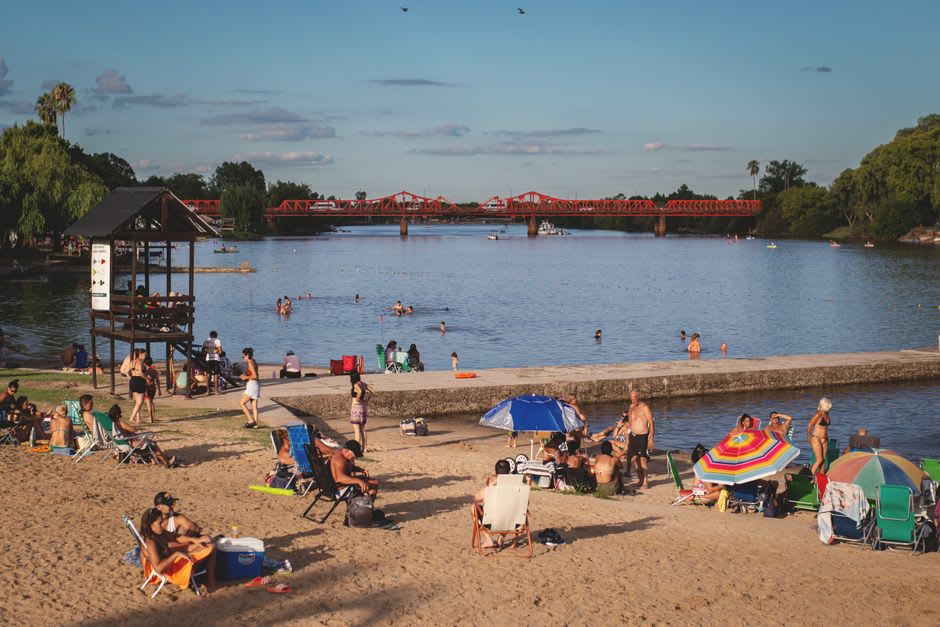
What makes Gualeguaychú interesting is the contrast between its carnival persona and its everyday one. Outside of the January–February season, this is a sleepy, pleasant river city — a wide costanera along the Gualeguaychú river, fishing boats, families out for evening walks, and very little indication that a stadium full of sequins exists a few blocks away. We came back through in a quieter month on a later trip and barely recognized the place, in the best way — a slow lunch of river fish by the water, an afternoon at the municipal beach, nothing like the controlled chaos of carnival season.
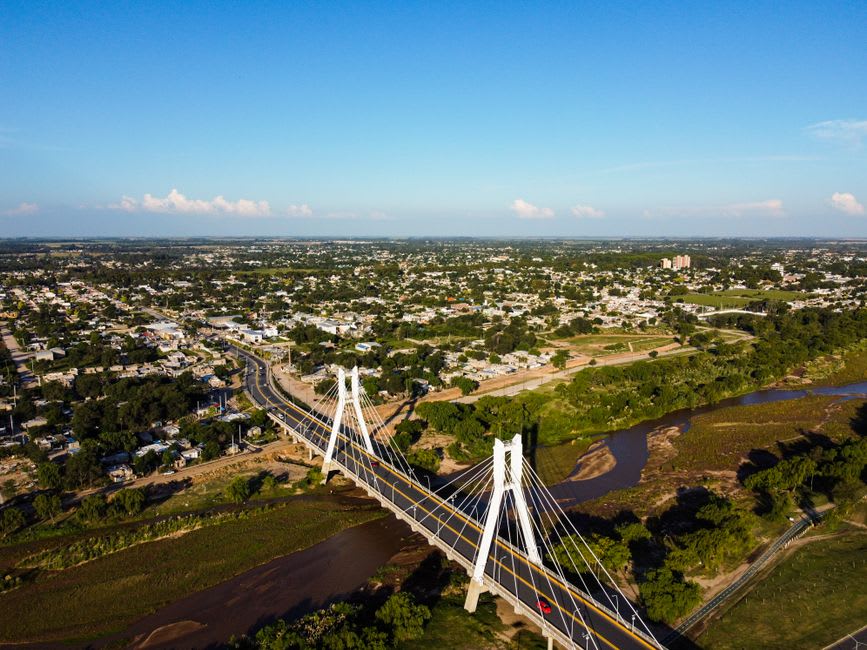
The town also carries an odd footnote in Argentine-Uruguayan relations: a long-running dispute over a paper mill just across the river in Fray Bentos, which locals here still bring up unprompted, decades on, with the specific grievance of people who feel a river belongs equally to both banks.
When to go: January through late February for Carnaval weekends specifically; April through October for a calmer river-town visit without the crowds or the summer heat.
Keep exploring
More from Argentina
 argentina
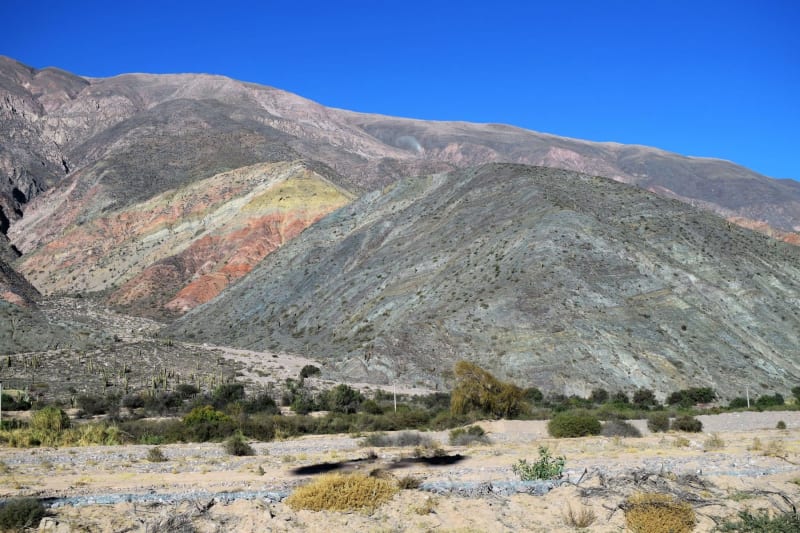
 Quebrada de Humahuaca
A UNESCO-listed Andean gorge in Jujuy with villages of mud and straw, colonial churches, and mountains in fourteen colors.
Explore argentina
 Iguazu Falls
Nearly 275 waterfalls crashing through subtropical jungle — nature at its most thunderously spectacular.
Explore argentina
 Iruya
A remote cliffside village reached by a single dirt road over a 4,000-meter pass, holding onto Andean tradition more tightly than anywhere else in Salta.
Explore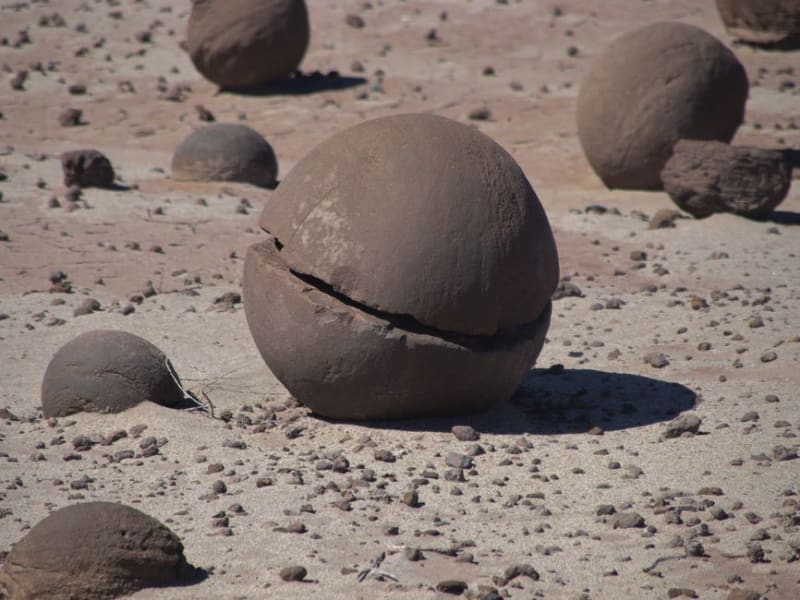 argentina
 Ischigualasto
Valle de la Luna's moonscape of wind-carved rock and dinosaur fossils, one of the strangest landscapes I've stood in anywhere.
Explore argentina
 Jesuit Estancias of Cordoba
A UNESCO World Heritage route of rural Jesuit estates scattered across Cordoba province, connected to the city's historic Jesuit Block.
Explore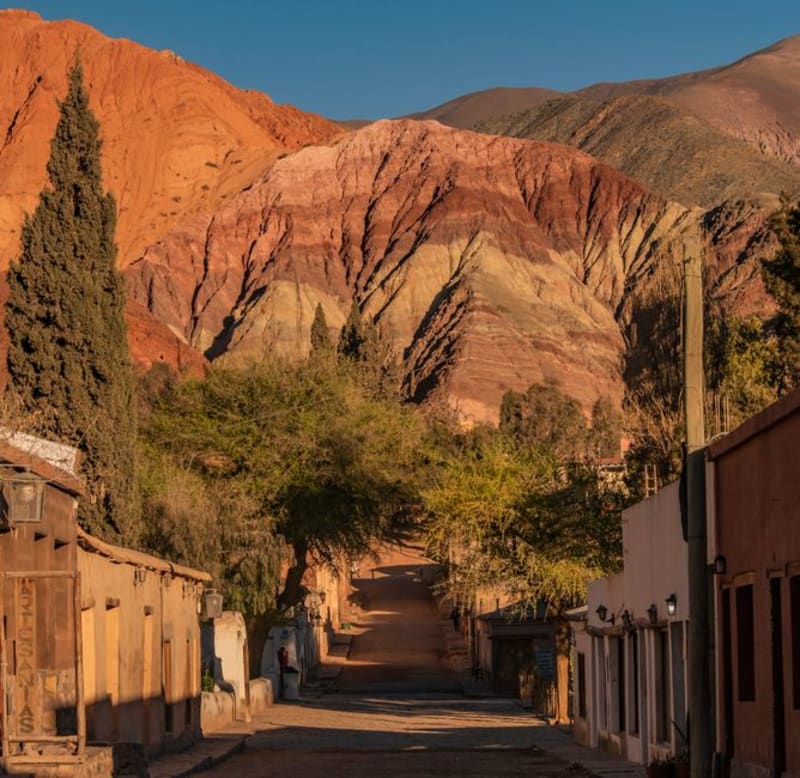 argentina
 Junín de los Andes
The self-proclaimed trout capital of Argentina, a working Andean town at the gateway to Lanín National Park.
Explore