Concordia
"The whole city smells faintly of oranges, and nobody there finds that remarkable."
A citrus-country river city on the Uruguay, home to the Salto Grande dam and some of Entre Ríos' best orange groves.
Concordia announces itself with citrus before it announces itself with anything else. Driving in from the north on the coastal route, Lia and I passed grove after grove of orange and mandarin trees, and by the time we reached the edge of the city the air genuinely carried a trace of citrus blossom, which I initially assumed I was imagining until a local at our hotel confirmed that yes, everyone notices it, and yes, it depends entirely on the season.
A City Built Around a River and a Dam
The Salto Grande dam is the engineering fact that shapes Concordia’s identity — a binational hydroelectric project shared with Salto, Uruguay, just across the water, connected by a bridge that doubles as a border crossing. We took the guided tour of the dam’s interior, walking through turbine halls that hum with a low constant vibration, and stood on the crest looking out over the reservoir on one side and the churning outflow on the other. It is not a conventionally beautiful sight, but there is something genuinely impressive about standing on a structure that powers two countries at once.

Downstream from the dam, the Parque Rivadavia stretches along the riverbank in the city center, all shaded paths and locals fishing off the rocks in the late afternoon. We spent an unplanned two hours there simply walking, drawn in by families setting up mate thermoses on picnic blankets and teenagers doing backflips off a low wall into the river, which looked considerably more athletic than it was safe.
Orange Groves and an Old Palace
Just outside town, citrus estancias offer visits during harvest season, and the one we toured let us walk rows of orange trees heavy with fruit while the owner explained the export economics of a crop I had genuinely never thought about before that afternoon. Back in the city, the Palacio Arruabarrena, a strange and beautiful French-style mansion built by a citrus baron in the early twentieth century, now functions as a small museum, and its incongruous grandeur against Concordia’s otherwise modest streets says something about how much money oranges once made here.

When to go: May through August for the citrus harvest and cooler river-city temperatures; the summer months turn brutally hot and humid this far north in Entre Ríos.
Keep exploring
More from Argentina
 argentina
 Cordoba
Argentina's second city — a university town of Jesuit history, craft beer, and sierras on the doorstep.
Explore argentina
 Manzana Jesuitica
The UNESCO-listed Jesuit Block at the historic heart of Cordoba city, anchoring Argentina's oldest university and colonial churches.
Explore argentina
 Corrientes
A northern river city on the Paraná where chamamé music and carnival define daily life more than any single monument does.
Explore argentina
 Cosquín
A small Córdoba valley town that becomes the folk-music capital of Argentina every January during the Festival Nacional del Folklore.
Explore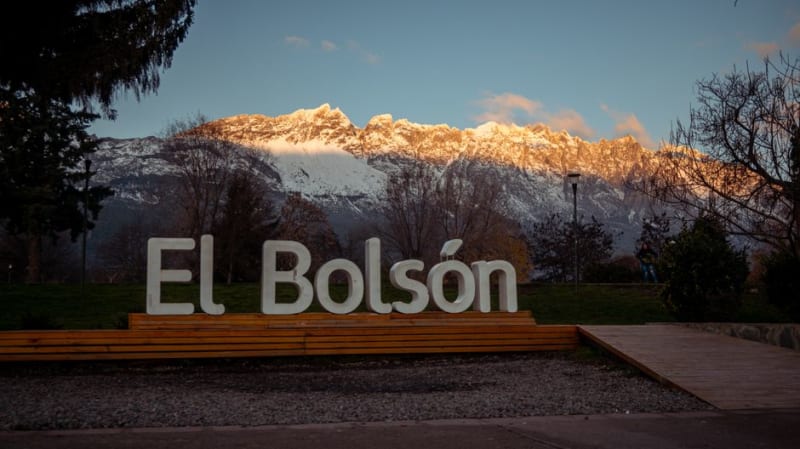 argentina
 El Bolsón
A counterculture mountain town in Río Negro known for its craft brewers, artisan market, and unhurried pace.
Explore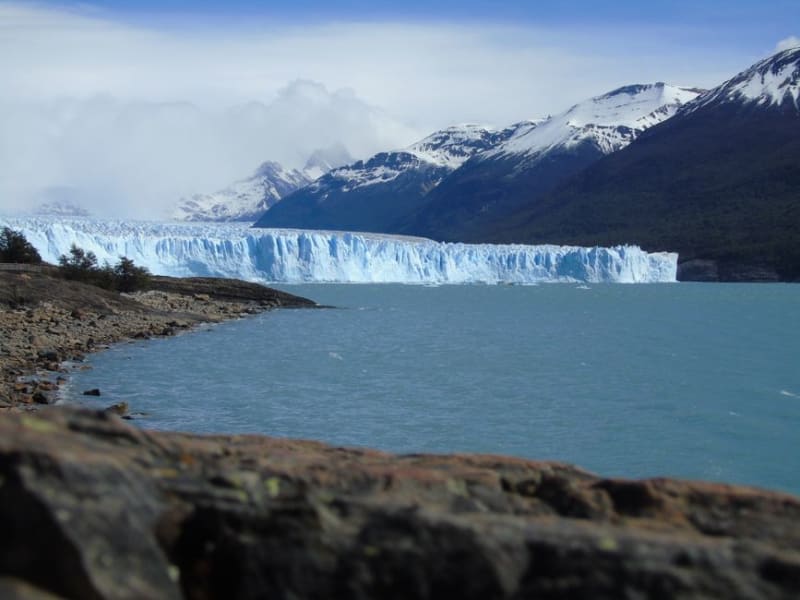 argentina
 El Calafate
The windblown gateway town to Perito Moreno — steppe, lamb, and the best empanadas I've had in Argentina.
Explore