Cerro Catedral
"The name comes from the rock spires at the summit, and once you've seen them, you can't unsee the cathedral."
South America's largest ski resort, rising above Bariloche with jagged cathedral-spire peaks and lake views.
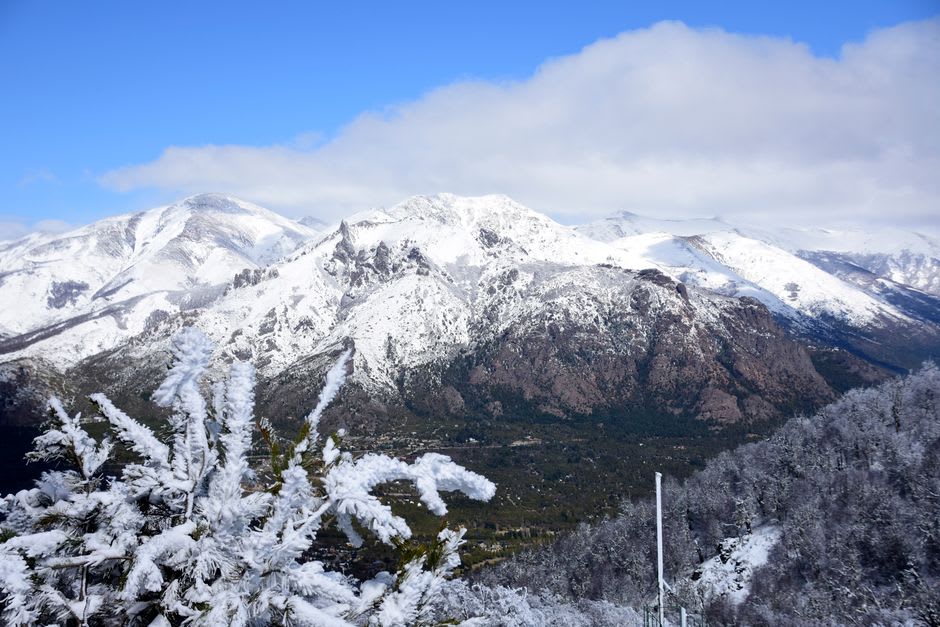
Cerro Catedral takes its name from the jagged spires of exposed granite crowning its summit ridge, which do genuinely resemble a cathedral’s towers from certain angles — a comparison I was skeptical of until we actually rode the gondola up and saw them against the sky. It’s South America’s largest ski resort, a claim Bariloche locals repeat with the kind of pride usually reserved for a sports team, and it rises just twenty kilometers outside town above the western shore of Lake Gutierrez, with Nahuel Huapi visible in the distance from the upper runs.
Lia and I went in July, mid-winter in the southern hemisphere, and the scale of the operation surprised me — over a hundred runs spread across more than a thousand hectares of terrain, ranging from wide, forgiving groomers near the base to serious off-piste bowls above the treeline that draw a dedicated freeride crowd from around the continent. We’re intermediate skiers at best, and the mountain still gave us two full days without repeating a run, which says something about its actual size relative to its regional reputation.
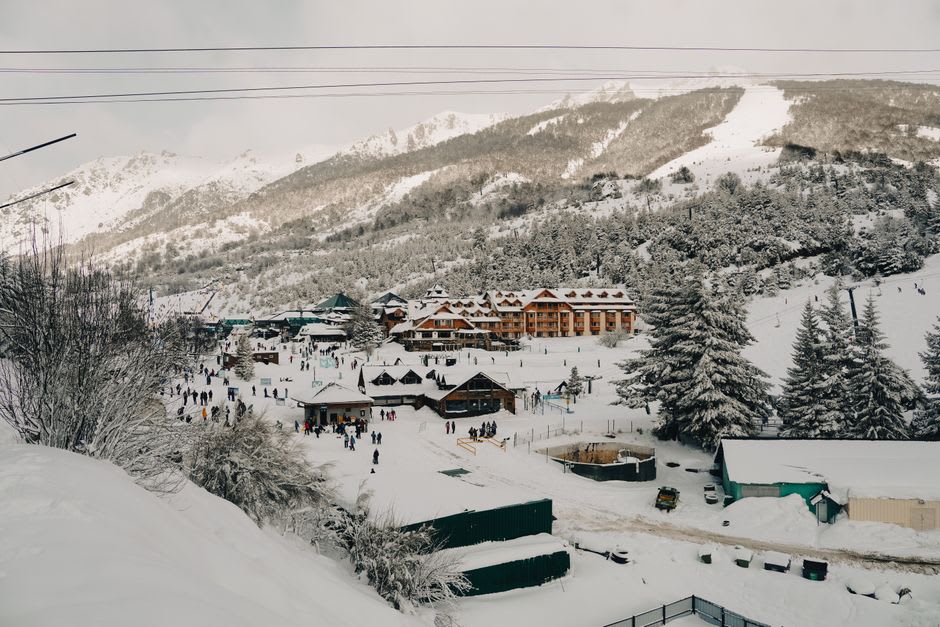
What sets Cerro Catedral apart from most ski resorts I’ve been to is the view attached to nearly every run. Nahuel Huapi’s deep blue water spreads out below the mountain, framed by the forested peaks of the lake district and, on clear days, the ice-capped dome of Cerro Tronador further south. I stopped mid-run more than once just to look, which is a bad habit on a ski slope and one I couldn’t seem to break here. The light in the afternoon, low and gold across the snow, turned the whole descent into something closer to a scenic overlook with skis attached.
The base village has grown into a legitimate destination of its own, a cluster of hotels, rental shops, and restaurants serving fondue and mulled wine to a clientele that’s noticeably more Argentine than international — school holidays in July fill the slopes with families from Buenos Aires, and the atmosphere carries a warmth and informality that felt different from the ski resort culture I knew from the Alps. We ate lunch at a mountainside refugio on our second day, sharing a table with a family from Cordoba who’d been coming every winter for a decade and had strong, generously shared opinions about which runs we were missing.
In summer, the mountain shifts identity entirely. The gondola keeps running for hikers and mountain bikers, and the same slopes that carry skiers in July open up into high-alpine trails with views that, if anything, get better without the snow haze. I’d come back just to see that version of it.
When to go: June through September for skiing, with July and August as the busiest weeks thanks to Argentine school holidays — book lodging well ahead if you’re coming then. December through March offers hiking and mountain biking on the same terrain, with far fewer crowds and long summer days to make use of the gondola access.
Keep exploring
More from Argentina
 argentina
 Cerro Uritorco
The tallest peak in Cordoba's sierras, a popular hike above Capilla del Monte wrapped in decades of mystic lore.
Explore argentina
 Chascomús
A pampas lagoon town where gaucho tradition meets some of Buenos Aires province's best birdwatching.
Explore argentina
 Chilecito
A former mining boomtown in La Rioja province where a century-old cable car system still climbs the mountains above the vineyards.
Explore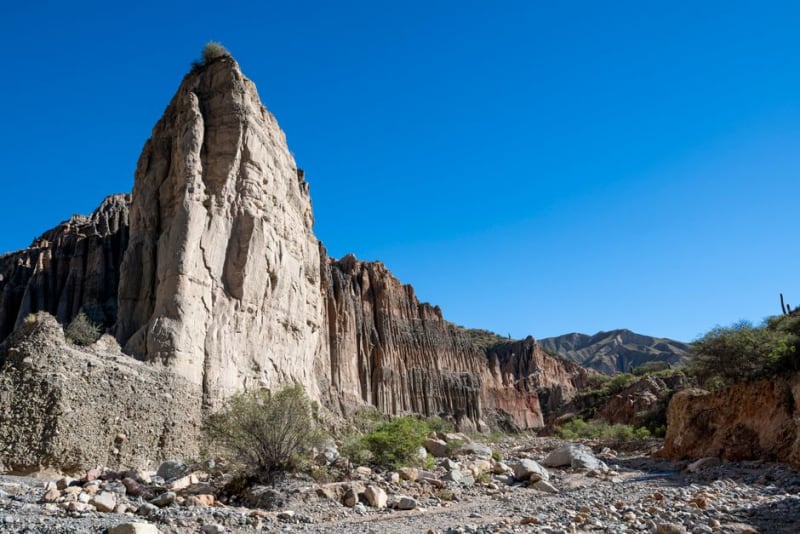 argentina
 Chos Malal
A dusty, historic town in northern Neuquén where the lake district's forests give way to Andean high desert.
Explore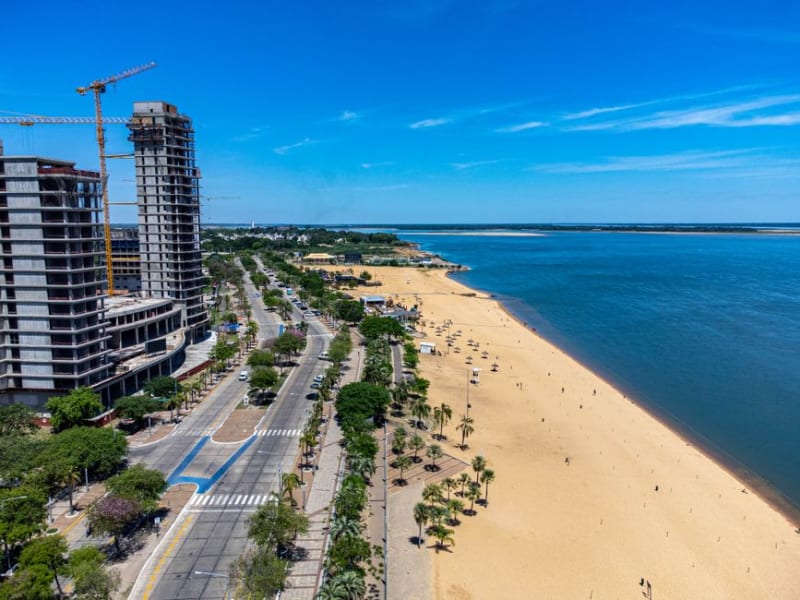 argentina
 Colón
A riverside resort town on the Uruguay with the country's finest beaches on this bank, and El Palmar's palm groves just south.
Explore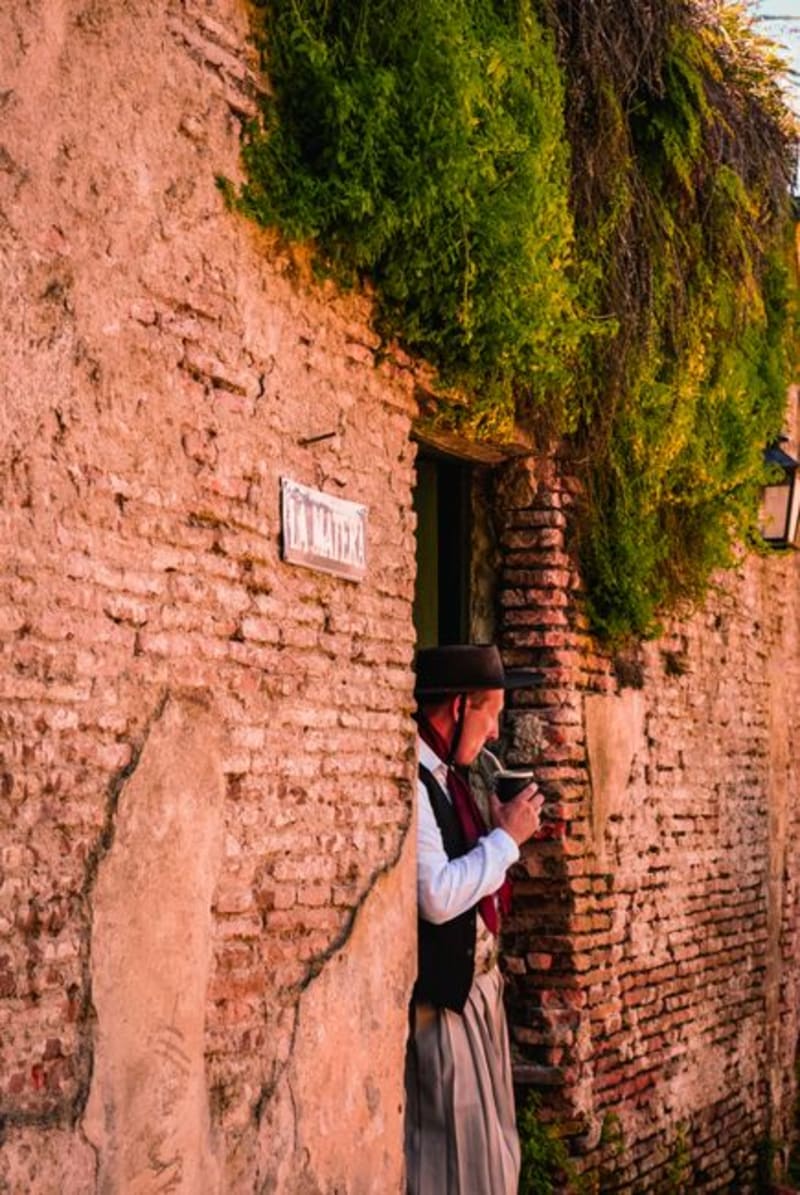 argentina
 Colonia Carlos Pellegrini
A one-street village floating inside the Esteros del Iberá, where capybaras outnumber people and every lodge doubles as a boat dock.
Explore